
Choosing the right bottle sterilizer is one of the most practical decisions you will make when setting up your nursery. With a newborn in the house, feeding equipment must be kept clean and free from harmful microbes, especially in warm, humid tropical climates where bacteria can multiply rapidly. The two primary technologies dominating the market today are steam sterilizers and ultraviolet (UV) sterilizers. Each method offers distinct advantages in terms of speed, material compatibility, and convenience, meaning the right choice depends heavily on your daily routine and the specific feeding gear you use.
Steam sterilizers represent the traditional, time-tested approach, relying on high temperatures to sanitize bottles quickly in large batches. On the other hand, UV sterilizers have gained massive popularity as a modern, waterless alternative that can sanitize a wider variety of household items beyond just baby bottles. To make an informed investment that fits your budget—whether you are looking at entry-level models or premium units costing upwards of ₱5,000—it is essential to understand how these technologies compare in real-world daily use.
How Steam and UV Technologies Work
Steam sterilization is a straightforward thermal process that mimics boiling, but with greater efficiency. The appliance heats water to its boiling point, creating dense, high-temperature steam that fills the sealed chamber. This hot vapor surrounds every surface of the bottles, nipples, and accessories, rapidly transferring heat to destroy bacteria, viruses, and mold spores. Because steam is a gas, it easily penetrates tiny crevices, screw threads, and the interiors of narrow-neck bottles, ensuring comprehensive coverage without requiring direct line-of-sight exposure.
Products mentioned in this guide
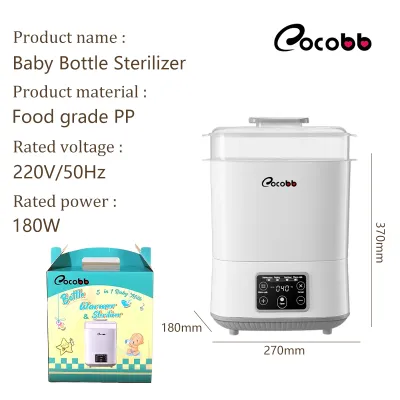
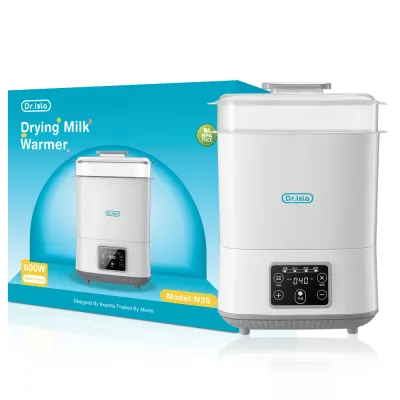
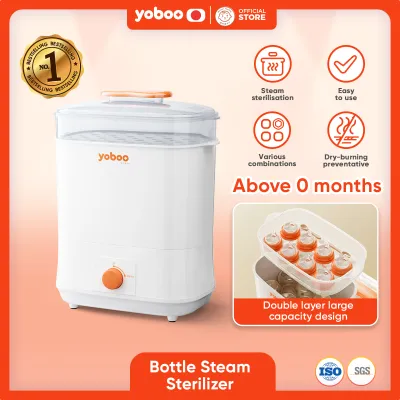
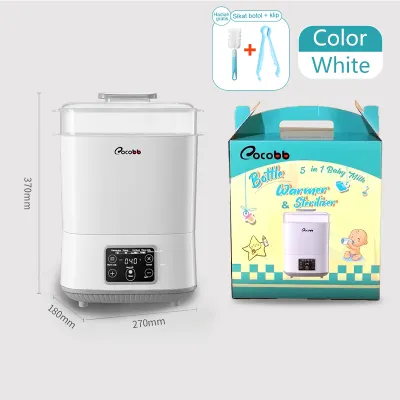
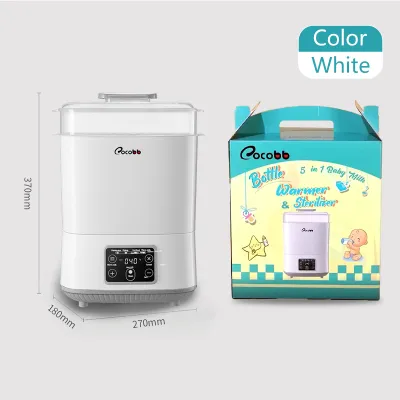
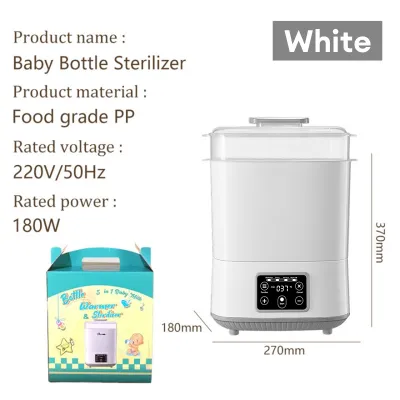
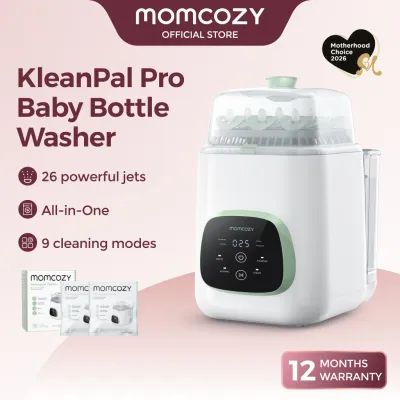
Prices are valid at publication and may change. Please refer to the product page for the latest price.
In contrast, UV sterilization is a cold, dry process that relies on electromagnetic radiation to eliminate pathogens. These units utilize specialized bulbs or light-emitting diodes (LEDs) that emit ultraviolet light, specifically in the UV-C spectrum. This specific wavelength of light penetrates the cell walls of microorganisms and directly disrupts their DNA or RNA, preventing them from replicating. Because it does not rely on heat or moisture, UV sterilization is highly versatile, but it is entirely dependent on light exposure; the UV rays must directly strike a surface to sanitize it.
When shopping, you must carefully verify the technical specifications listed on the product packaging. For UV units, check that the manufacturer specifies the use of true UV-C light, as other UV spectrums are not effective for sanitizing. Additionally, look for recognized safety certifications and read all operational warnings regarding eye protection and chamber sealing to ensure the device operates safely in your home.
Comparing Effectiveness and Daily Cycle Times
Both steam and UV sterilizers are highly effective at keeping your baby’s feeding equipment safe when operated correctly. Neither technology is inherently superior at killing germs; rather, their real-world effectiveness depends on proper pre-cleaning and correct loading. Before placing any item into either sterilizer, you must thoroughly wash it with warm, soapy water to remove all milk residue, as leftover proteins can shield bacteria from both heat and light. To verify sanitizing performance, look for independent laboratory test results or pediatrician recommendations on the product packaging.

The daily cycle times of these two appliances differ significantly. Steam sterilizers are exceptionally fast, with the actual sterilization phase often taking only six to twelve minutes. However, the complete cycle includes a heating phase to boil the water and a subsequent cooling phase before you can safely handle the hot bottles. If you need a clean bottle immediately, a steam unit can deliver a sanitized bottle very quickly, though it will be wet unless the machine features an integrated drying cycle.
UV sterilizers generally require longer cycle times, often ranging from ten to thirty minutes or more, depending on the selected mode and bulb intensity. Because the process is dry, there is no cooling phase required, and items are ready for immediate use as soon as the cycle ends. However, because UV light cannot bend around corners, you must arrange the bottles carefully to ensure the light reaches every interior surface. When comparing models, check the manufacturer’s specified cycle durations, capacity limits, and automatic shut-off features to find a unit that matches your daily pace.
Material Compatibility and Long-Term Wear
The materials your baby bottles and accessories are made of should play a major role in your choice of sterilizer. High temperatures and moisture can affect different materials in unique ways, and choosing the wrong sterilization method can lead to premature wear or damage. Glass bottles and standard polypropylene (PP) or polyethersulfone (PES) plastics handle steam exceptionally well, as they are designed to withstand high heat. However, you must always check the labels on your bottles, silicone nipples, and pacifiers to verify their maximum temperature limits before exposing them to steam.
UV sterilizers offer the advantage of being heat-free, making them excellent for items that might warp or degrade under high temperatures. However, prolonged exposure to UV-C light can accelerate the degradation of certain plastics and silicone over time. This exposure can cause clear plastics to become cloudy, brittle, or yellowed, and may reduce the elasticity of silicone nipples. To prevent this, check if your bottle manufacturer explicitly approves UV sterilization for their specific products, and inspect nipples regularly for signs of stickiness or cracking.
Furthermore, physical design affects compatibility; UV light cannot penetrate opaque materials, meaning the inside of colored bottles or complex, non-transparent pump parts may not be fully sanitized if the light cannot reach them. Conversely, steam can easily penetrate these areas but poses a severe risk to electronic components. If you are sterilizing breast pump parts, never place any motorized or battery-operated components into a steam sterilizer, as the moisture will cause immediate and irreversible damage.
Drying Functions, Maintenance, and Space
In a tropical climate like the Philippines, high humidity levels make the drying function of a sterilizer incredibly important. If bottles remain wet or damp after sterilization, they can quickly become breeding grounds for mold and bacteria. Many modern steam sterilizers now come equipped with built-in hot-air drying functions, which use a HEPA filter to blow clean, warm air over the bottles. UV sterilizers naturally include a drying phase—usually utilizing low-heat fans—to ensure that items emerge completely dry and ready for storage.
Maintenance requirements also differ greatly between the two systems. Steam sterilizers require regular descaling because tap water contains minerals that leave a white or crusty residue on the heating plate over time. In areas with hard water, this buildup can occur rapidly, reducing heating efficiency. UV sterilizers do not require descaling since they do not use water, but they do require periodic maintenance, including wiping down the highly reflective interior walls and replacing the UV bulbs or LEDs according to the manufacturer’s recommended schedule.
Finally, consider the physical footprint of the appliance on your kitchen countertop. UV sterilizers tend to be larger, boxier appliances that resemble small microwave ovens, requiring a dedicated spot. Steam sterilizers are often more vertical and modular, allowing you to adjust their size based on how many bottles you need to sanitize at once. Before making a purchase, measure your available counter space and check the proximity of electrical outlets to ensure the unit fits safely into your kitchen layout.
Decision Framework: Which Bottle Sterilizer Should You Choose?
To finalize your decision, evaluate your household’s specific feeding setup, budget, and daily routine. A steam sterilizer is generally the best fit if you primarily use standard glass or heat-safe plastic bottles, prefer a traditional sanitizing method, and need to process large batches of bottles quickly. These units are often more budget-friendly upfront, making them an excellent choice for families looking to minimize initial expenses while still securing a highly effective appliance.
A UV sterilizer is highly suitable if you use a mix of heat-sensitive items, want a single appliance that can sanitize toys, keys, and electronic devices, and prefer the convenience of a completely dry, waterless process. While UV units typically carry a higher initial price tag—often ranging from ₱6,000 to over ₱12,000—and require the ongoing cost of replacement bulbs, many parents find the versatility and lack of daily water maintenance well worth the investment.
Before buying any model, always verify the compatibility of your specific baby gear. If you use specialized breast pump parts, orthodontic pacifiers, or unique bottle designs, check the manufacturer’s instructions for explicit warnings against either high heat or UV light exposure. If your bottle manufacturer advises against UV light, a steam sterilizer or traditional boiling is the safer path.
Keep in mind that neither appliance may be necessary if you only need to sterilize items occasionally. For healthy, full-term infants, standard washing with hot, soapy water or using a dishwasher’s sanitizing cycle—if explicitly approved by your bottle manufacturer—may be entirely sufficient. Carefully assess your daily workload and space constraints to choose the method that brings the most peace of mind and convenience to your parenting journey.
Frequently Asked Questions (FAQ)
Do you really need a bottle sterilizer for a healthy, full-term baby?
While pediatric guidelines emphasize that thorough washing with hot, soapy water is the baseline requirement for cleaning baby bottles, sterilizing provides an extra layer of safety. Sanitizing removes visible residue and most pathogens, but sterilization actively eliminates remaining microscopic organisms. In warm, humid environments, using a dedicated sterilizer helps prevent the rapid growth of bacteria on damp surfaces. If your baby is premature, has a compromised immune system, or is recovering from an illness, consistent sterilization is highly recommended. Always consult your pediatrician to establish the best hygiene routine for your baby’s specific health needs.
Can you put breast pump parts in a UV sterilizer?
You can put certain breast pump parts in a UV sterilizer, but you must do so with caution and strictly follow the pump manufacturer’s guidelines. Because UV sterilization relies on direct light exposure, any shadowed areas, complex curves, or opaque tubing will not be effectively sanitized. You must position the parts carefully so the UV light can reach every surface. Additionally, check if the pump parts are made of materials that degrade quickly under UV light. Never place the electrical motor unit or battery pack of a breast pump inside any sterilizer, as this will ruin the electronics and void your warranty.
How often should you descale a steam sterilizer?
The frequency of descaling a steam sterilizer depends on your local water hardness and how often you use the machine. In many regions of the Philippines, tap water contains high levels of minerals, which can cause scale to build up on the heating plate after just a few days of heavy use. As a general rule, you should descale your steam sterilizer once every one to two weeks, or as soon as you notice white, grey, or brown mineral spots on the heating element. Always use the manufacturer-recommended descaling solution or a gentle mixture of white vinegar and water, and refer to your user manual for safe cleaning procedures.
Community discussion
Share your experience or ask a question. Comments are reviewed before publication.