
Deciding between a standalone crib and a complete nursery furniture set is one of the most significant design and financial choices you will make when preparing your baby’s room. The ideal option depends directly on your nursery’s physical dimensions, your existing home storage, your long-term budget, and your aesthetic preferences. There is no single “best” route, but rather a set of practical trade-offs that align with different parenting scenarios.
Quick Answer: Which Option Offers the Best Value?
Choosing the right setup is entirely conditional on your starting point. A standalone crib is highly recommended if you already have functional storage in your home, are working with a compact room layout—such as a typical urban condominium—or prefer the freedom to mix and match different furniture styles over time. This approach allows you to focus your budget on a singular, high-quality sleep space while finding creative, space-saving storage solutions elsewhere.
Conversely, a complete nursery furniture set is the ideal choice for parents who are furnishing an empty room entirely from scratch and want a cohesive, professionally styled look. Buying a bundle offers the convenience of coordinated dimensions, matching wood finishes, and a single delivery, which simplifies the logistical coordination of setting up a new nursery. While a furniture set provides immediate convenience and aesthetic harmony during the newborn stage, long-term utility often favors a high-quality standalone convertible crib paired with modular storage. As your child grows, their storage and sleep needs will shift dramatically, and independent pieces often adapt more gracefully to these changing developmental stages than a rigid, matching set.
Products mentioned in this guide
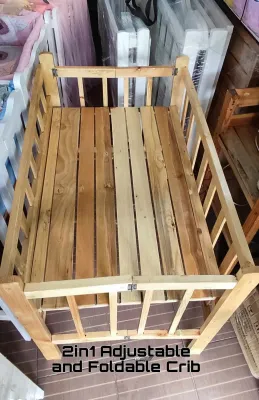
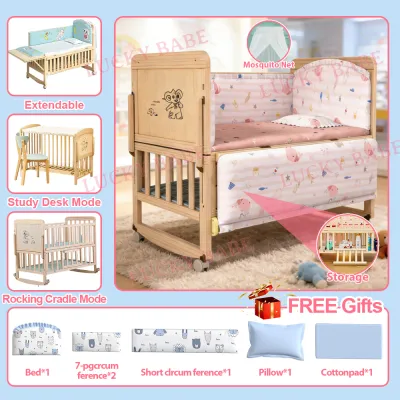
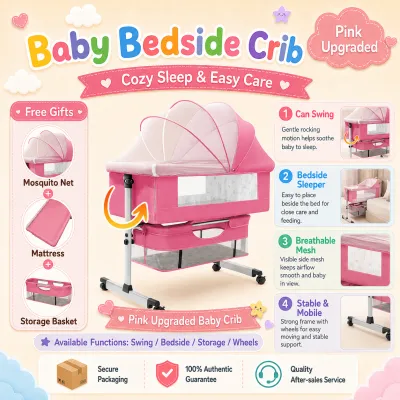
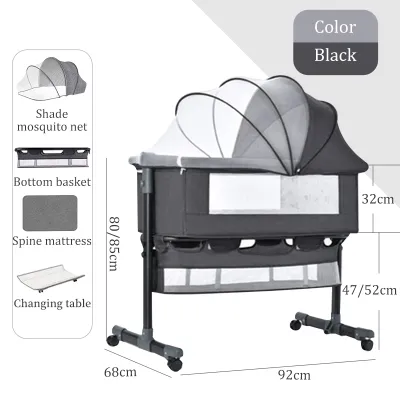
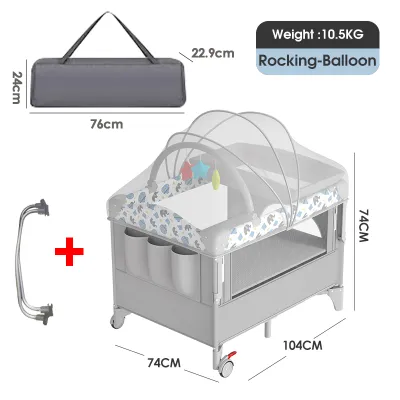
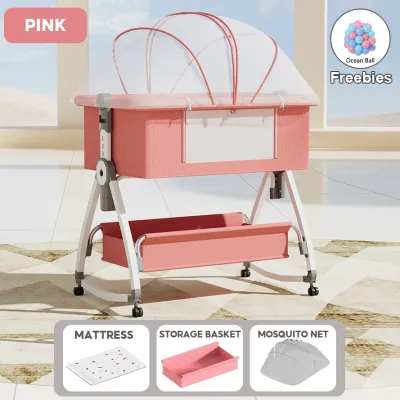
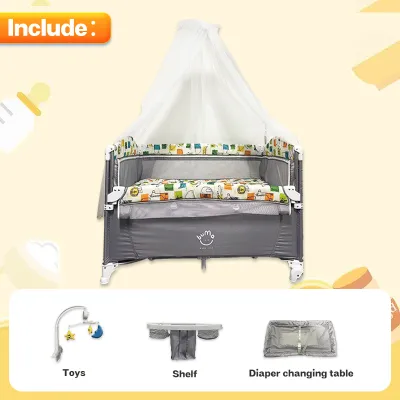
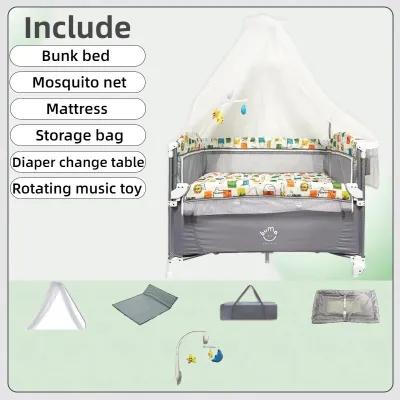
Prices are valid at publication and may change. Please refer to the product page for the latest price.
Understanding the Core Differences
To make an informed decision, it is essential to understand exactly what each purchasing route entails and how they differ in scope and logistics.

A standalone crib purchase focuses exclusively on your baby’s sleep environment. When you buy a standalone crib, you are selecting the frame and, in many cases, the mattress separately. Many modern standalone cribs feature convertible designs, meaning they can transition from a crib to a toddler bed, daybed, or even a full-sized headboard as your child grows. However, choosing this path means you must independently source and coordinate your own storage, changing tables, and seating solutions.
A nursery furniture set, on the other hand, is a curated bundle designed to provide a complete, ready-to-use room layout. A standard three-piece set typically includes a crib, a chest of drawers, and a changing table or a dresser equipped with a removable changing topper. Some premium or larger sets may expand to include a matching wardrobe, a bookshelf, or even a coordinated glider chair. This ensures that every piece of furniture in the room shares the exact same design language, wood grain, paint finish, and hardware style.
The logistical differences between these two options are substantial. Purchasing a complete set means dealing with a single brand’s customer service, a unified warranty policy, and a single delivery shipment—which can significantly reduce the stress of tracking multiple packages from various online marketplaces. In contrast, buying standalone pieces gives you the freedom to research and select individual items based on specific user reviews, localized safety features, and precise dimensions, allowing you to build a highly customized nursery over time.
Comparing Space, Cost, and Long-Term Utility
Evaluating how each option fits into your daily life requires looking closely at three critical dimensions: physical space, financial investment, and aesthetic longevity.
Space Efficiency and Room Layout
Before committing to any furniture purchase, you must carefully evaluate the physical limitations of your nursery. Nursery furniture sets are designed with uniform proportions and matching aesthetics, which can look incredibly striking in a spacious room. However, because these pieces are built to coordinate with one another, they can often be bulky and challenging to arrange in smaller, narrow, or irregularly shaped rooms. In compact urban homes, a full set can quickly overwhelm the floor area, leaving very little room for you to move comfortably or for your baby to play safely as they grow.
Choosing a standalone crib opens up a wide range of layout possibilities, especially for tight spaces. Instead of squeezing a massive matching dresser and changing table into a small room, you can pair a standalone crib with space-saving, multi-functional alternatives. For example, you might opt for a slim tallboy dresser, utilize under-crib storage drawers, or install wall-mounted floating shelves to keep essentials within reach without sacrificing valuable floor space. This flexibility allows you to customize the furniture layout to match the exact architectural quirks of your home.
To avoid costly layout mistakes, make it a priority to physically measure your nursery space before making any decisions. Use a tape measure to map out the exact dimensions of the room, taking careful note of door swings, window heights, electrical outlets, and the placement of air conditioning units. Sketching a simple floor plan or using painter’s tape on the floor to visualize the footprint of a bundled set versus a standalone crib and individual storage pieces will help you see exactly how much walkable space remains.
Upfront Cost vs. Long-Term Value
From a financial perspective, the choice between a bundle and individual pieces involves balancing immediate expenses against long-term durability. Bundled nursery sets are highly popular because they often offer a lower upfront cost compared to purchasing the exact same high-end pieces individually from the same manufacturer. Whether you are budgeting ₱15,000 or ₱50,000, this bundled pricing can feel like a major relief when you are managing the numerous expenses that come with preparing for a new baby.
However, the long-term value of these options tells a different story. A high-quality standalone convertible crib can easily transition through several developmental stages, potentially lasting your child from infancy up to adolescence. In contrast, the matching changing table in a nursery set has a relatively short functional lifespan, often becoming obsolete once your child is potty-trained, usually between two and three years of age. If the changing table cannot be easily repurposed, you may find yourself needing to replace it much sooner than expected.
When evaluating a furniture set, it is crucial to inspect the construction materials of the non-crib pieces, such as the dresser and chest of drawers. In the tropical climate of the Philippines, high humidity levels can cause low-grade engineered wood, like standard particle board, to absorb moisture, swell, warp, or even harbor mold over time. To ensure your investment lasts beyond the toddler years, verify whether the pieces are constructed from solid wood or high-quality, moisture-resistant materials that can withstand environmental humidity.
Design Flexibility and Future Use
Aesthetic preferences and the ability to adapt your child’s room over time are key considerations when choosing furniture. Standalone cribs offer unparalleled design flexibility, allowing you to update the nursery’s theme, color palette, or overall style without being locked into a single manufacturer’s matching wood finish. If you decide to transition the room from a soft pastel nursery to a vibrant, play-focused toddler room, standalone pieces are much easier to mix, match, and redecorate around.
While nursery sets are marketed as long-term solutions, the transition to the toddler years can sometimes reveal functional limitations. Many changing tables included in sets are designed to be repurposed as standard dressers once the changing pad is removed. However, some of these units may retain awkward proportions, lower heights designed specifically for diaper changes, or permanent contours on the top surface that make them look distinctly like baby furniture in an older child’s room.
Parents should also consider their family planning goals when deciding on nursery furniture. If you plan to have subsequent children, sturdy, timeless standalone pieces are often easier to transition between rooms or pass down to younger siblings. A classic, neutral standalone crib can easily be moved to a new baby’s room while your older child keeps their existing dresser, avoiding the need to break up a highly coordinated furniture set or purchase an entirely new matching suite.
Critical Safety and Quality Checks for Any Crib
Regardless of whether you choose a standalone crib or a bundled nursery set, the crib itself is the most critical piece of furniture you will buy, and its safety must be your top priority. Because your baby will spend hours sleeping unsupervised, you must verify that the crib meets current, rigorous safety standards. When shopping, look for clear certification labels from recognized safety organizations, such as the Juvenile Products Manufacturers Association (JPMA) or ASTM International, on the product packaging or the manufacturer’s official documentation.
- Slat Spacing and Mattress Fit: One of the most vital physical checks you must perform is measuring the spacing of the crib slats. The distance between slats must be no more than 6 centimeters (2 3/8 inches) to prevent your baby's head, limbs, or body from becoming trapped. Additionally, the mattress must fit incredibly snugly within the crib frame. If you can fit more than two fingers between the edge of the mattress and the sides of the crib, the mattress is too small, creating a dangerous gap that poses a severe suffocation or entrapment hazard.
- Hardware and Stability: Carefully inspect the crib's structural hardware and overall stability. Ensure that all finishes are completely smooth, with no rough edges, splinters, or exposed hardware that could scratch your baby. Drop-side crib mechanisms—where one side of the crib slides down to make accessing the baby easier—are widely banned due to safety risks and must be avoided completely; ensure the crib has fixed, solid sides. Because babies become increasingly active as they learn to roll, sit, and pull themselves up, make it a habit to regularly tighten all screws and check for any loose parts or structural wobbling.
- Material and Finish Safety: It is essential to verify that all paints, stains, and finishes used on the crib are non-toxic, lead-free, and low-VOC (volatile organic compounds). This is particularly important in closed, air-conditioned bedrooms common in tropical climates, where poor ventilation can cause chemical fumes to linger. Check the manufacturer's specifications, care labels, or product manuals to confirm that the materials used are safe for a baby who may eventually chew on the crib rails during teething.
- Stop-Use Conditions: As a responsible caregiver, you must monitor the condition of the crib throughout its usage lifecycle. If you observe any structural wobbling, cracked wood, peeling finishes, or missing or damaged hardware, you must stop using the crib immediately. In such cases, do not attempt temporary DIY fixes; instead, consult the manufacturer's official customer support or a qualified professional to secure proper replacement parts or determine if the crib is still safe for use.
How to Decide: A Practical Framework for Parents
To help you finalize your decision and choose the path that best fits your family’s lifestyle, use this practical, condition-based framework to guide your purchase.
Choose a Standalone Crib if:
- You have a compact nursery layout: Your room has limited floor space, and you need to maximize every square meter with flexible, multi-functional furniture.
- You already own storage pieces: You have an existing dresser, wardrobe, or shelving unit that can be easily repurposed for baby clothes and diapering essentials.
- You want to prioritize your budget: You prefer to invest heavily in a premium, highly durable, and convertible crib while saving money on secondary furniture.
- You love custom interior design: You enjoy mixing different materials, colors, and design styles to create a unique, personalized aesthetic rather than a matching suite.
Choose a Nursery Furniture Set if:
- You are starting from scratch: You are furnishing an entirely empty room and need to purchase a crib, dresser, and changing table all at once.
- You value a cohesive aesthetic: You want a perfectly coordinated, professionally styled nursery where all wood tones and hardware matches seamlessly.
- You want maximum convenience: You prefer a single checkout process, one consolidated delivery fee, and a unified assembly schedule to simplify your preparation.
- You need immediate storage solutions: You want a complete set of matching drawers and changing surfaces ready to use from day one.
Verify First if: If you are purchasing your nursery furniture from online marketplaces, you must exercise extra caution. Carefully check the retailer’s return policies for bundled items, as returning a single damaged or defective piece from a multi-box set can be incredibly complicated and may require shipping the entire set back. Always double-check the exact physical dimensions of each piece against your sketched room layout to ensure a comfortable fit. Finally, if the crib is marketed as convertible, confirm whether the necessary conversion kits (such as toddler guardrails) are included in the purchase or must be bought separately, as these accessories can sometimes be discontinued by the manufacturer by the time your child actually needs them.
Frequently Asked Questions (FAQ)
Can I buy a standalone crib and add matching furniture later?
Yes, you can certainly add furniture later, but you should be prepared for the challenge of finding an exact match. Manufacturers frequently update, redesign, or retire their furniture collections, meaning a specific wood finish, paint shade, or hardware style may no longer be available a year or two down the road. If you plan to buy pieces gradually, your best strategy is to choose a standalone crib in a highly common, neutral finish—such as matte white, natural light wood, or soft grey. These classic tones are much easier to coordinate with separate dressers or shelves from different brands and retailers later on.
Are nursery furniture sets always cheaper than buying pieces individually?
While nursery furniture sets often offer a discounted bundle price compared to purchasing those exact same pieces individually from the same brand, they are not always the most cost-effective option overall. Some budget-friendly sets achieve their low price points by utilizing lower-quality engineered wood or lightweight hardware, which may not hold up well over years of daily use. Buying individual pieces allows you to allocate your budget strategically. For instance, you can choose to invest in a premium, solid-wood standalone crib for maximum safety and durability, while saving money by purchasing a basic changing table or repurposing an existing dresser.
What should I do with the changing table when my baby outgrows it?
Most modern changing tables included in nursery furniture sets are designed with long-term versatility in mind. Many feature a removable changing topper or a detachable guardrail system. Once your child is potty-trained and no longer requires a diaper-changing station, you can safely remove the topper according to the manufacturer’s instructions. This transitions the unit into a standard bedroom dresser, chest of drawers, or low bookshelf. Always check the product documentation to ensure the underlying surface is fully finished, stable, and safe for general bedroom use once the changing components are removed.
Community discussion
Share your experience or ask a question. Comments are reviewed before publication.