
When preparing for your baby’s transition to solid foods, choosing the right seating arrangement is a major milestone. The decision between a standalone baby high chair and a complete nursery furniture set that includes one depends on your immediate space, budget, and long-term design priorities. There is no single correct answer, but rather a choice of priorities. If you value advanced feeding ergonomics, easy portability, and specialized features, a standalone baby high chair is typically the superior choice. Conversely, if you are furnishing an entire nursery from scratch and prioritize a cohesive visual aesthetic, matching wood finishes, and the convenience of a bulk purchase, a bundled nursery furniture set may serve you better. Ultimately, the decision hinges on whether you prioritize dedicated feeding functionality or overall room coordination.
Defining the Options: Standalone Chairs vs. Bundled Sets
To make an informed choice, it is essential to understand what each option typically brings into your home. A standalone baby high chair is a dedicated, specialized piece of feeding equipment. It is engineered specifically for the mechanics of eating, featuring adjustable heights, multiple recline positions, removable and dishwasher-safe trays, and foldable frames designed for easy storage. These chairs are built to be moved around, often transitioning from the kitchen to the dining area to keep your baby close during family meals.
In contrast, a nursery furniture set is a coordinated bundle designed to establish a unified aesthetic in your child’s room. These sets typically include a crib, a changing table, a dresser, and a matching high chair, all sharing the same design language, wood species, or color palette. While the crib and dresser are the centerpieces of the set, the included high chair is designed to complement the room’s decor. The core difference lies in design intent: standalone chairs are engineered purely for feeding safety and comfort, whereas high chairs in bundled sets are often designed primarily to match the visual theme of the nursery furniture.
Products mentioned in this guide
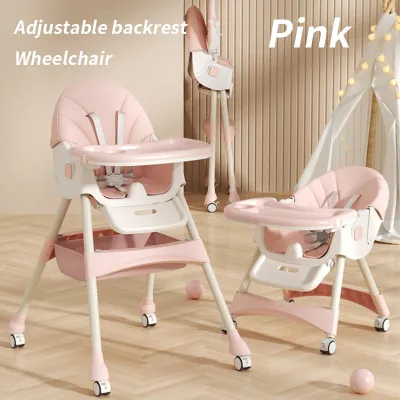
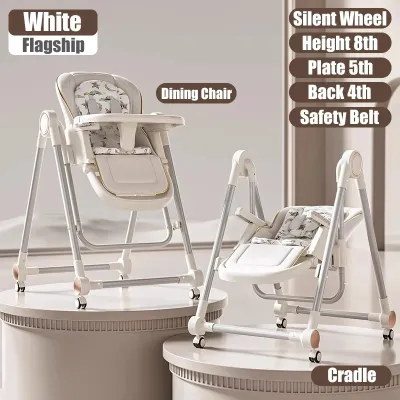
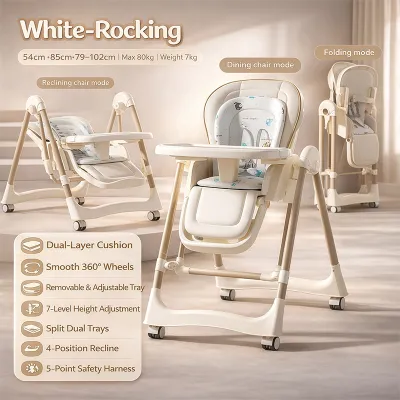
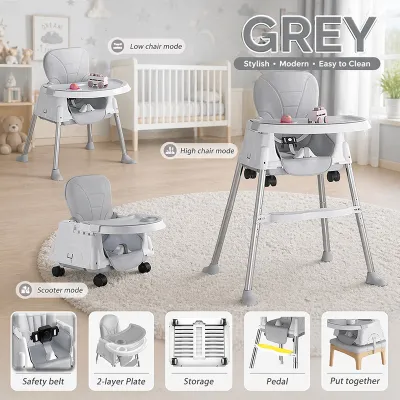
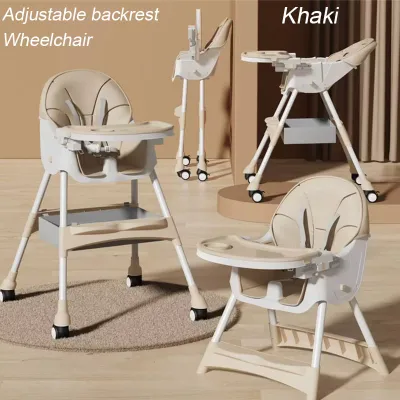
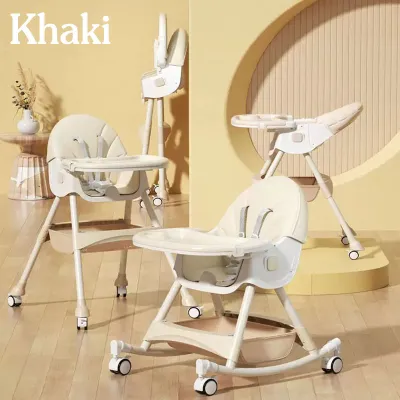
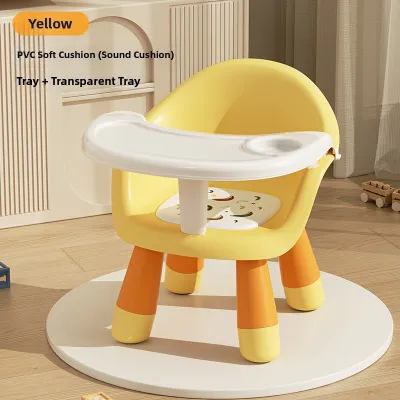
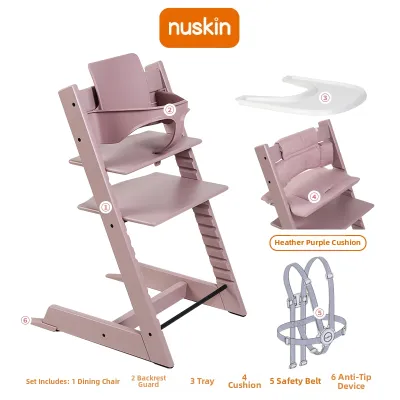
Prices are valid at publication and may change. Please refer to the product page for the latest price.
Key Comparison Dimensions
Cost and Long-Term Value
Analyzing the financial aspect requires looking beyond the initial price tag to evaluate the long-term utility of the furniture. A bundled nursery furniture set often appears to offer a significant discount compared to purchasing a crib, changing table, dresser, and high chair individually. However, this perceived discount can sometimes be misleading, as the high chair included in these packages is often a basic model with limited adjustability or a shorter lifespan.

Standalone baby high chairs, on the other hand, span a wide price spectrum from budget-friendly plastic models to premium wooden or metal convertible designs. This variety allows you to allocate your budget precisely where you need it most. Investing in a high-quality standalone chair can yield excellent long-term value, especially if you select a model that converts into a toddler chair, booster seat, or youth chair. Some convertible models can support children up to transition age, whereas a basic high chair bundled in a set might be outgrown as soon as your child reaches toddlerhood.
When calculating costs in the Philippines, a premium standalone chair might range from ₱4,000 to ₱15,000 or more, while complete furniture sets can range from ₱25,000 to over ₱60,000. If the bundled high chair lacks adjustability, you may find yourself purchasing a standalone chair later anyway, effectively paying twice for the same functional item. Therefore, checking the conversion capabilities and weight limits of any high chair before buying is crucial for maximizing your investment.
Additionally, standalone chairs often offer modular accessories that can be purchased separately, such as extra tray liners, custom seat cushions, or toy attachments. This modularity allows you to upgrade or replace parts as they wear out, without needing to replace the entire seating system. Bundled sets rarely offer this level of customization, meaning any damage to the high chair’s specific components might require a complete replacement of the unit.
Space and Footprint
The physical footprint of your baby gear heavily influences daily convenience, especially in urban homes, townhouses, or condominiums where space is at a premium. Standalone high chairs are frequently designed with modern living in mind. Many models feature compact frames, smooth-rolling wheels, or foldable mechanisms that allow you to tuck the chair into a pantry, utility closet, or behind a door when mealtime is over. This portability is highly practical in homes where the dining area double-functions as a workspace or living zone.
In many Metro Manila apartments, kitchens are designed in a galley style or open-concept layout, making a bulky, non-folding chair a constant tripping hazard. A standalone chair that folds flat can be easily stowed away, keeping your walkways clear and safe. The ability to roll the chair effortlessly on built-in wheels also means you can keep your baby nearby while you cook, clean, or work in different rooms.
Conversely, high chairs included in nursery furniture sets tend to be bulkier, heavier, and constructed from solid wood or composite materials that do not fold. They are designed to remain stationary, serving as a permanent fixture in the nursery or dining room to maintain the room’s aesthetic. Moving a heavy wooden high chair across different rooms can be physically taxing and may scratch delicate flooring over time.
Before committing to a purchase, it is highly recommended to measure your dining table height, the surrounding clearance space, and the storage areas in your home. Consider your daily workflow: if you need to feed your baby in a small kitchen and then clear the space for cooking, a lightweight, foldable standalone chair is far more practical than a stationary, heavy wooden chair from a matching nursery set.
Functionality and Feeding Features
From a developmental perspective, the mechanics of feeding require precise physical support. Standalone baby high chairs are typically built with ergonomics as a primary focus. High-quality standalone models offer multiple recline positions, which are essential for younger infants who are just starting with purees but cannot yet sit fully upright. They also feature adjustable footrests, which are critical for providing pelvic stability and promoting safe swallowing during meals.
An adjustable footrest supports the recommended “90-90-90” sitting posture, where the child’s hips, knees, and ankles are all bent at 90-degree angles. This stable posture reduces the risk of choking and helps the baby focus on chewing and swallowing rather than balancing their body. Many basic high chairs included in furniture sets lack an adjustable footrest, leaving the baby’s legs dangling, which can lead to restlessness and shorter meal times.
Furthermore, standalone chairs often feature seamless, double-layered plastic trays that can be removed with one hand and washed in a sink or dishwasher. They are equipped with secure, easily adjustable 5-point harness systems that keep active babies safely positioned.
High chairs included in furniture sets, particularly those made of wood to match a crib, may prioritize aesthetic consistency over these advanced ergonomic features. They may lack adjustable footrests, offer only a single upright seating position, or feature heavy wooden trays that are difficult to detach and sanitize. Intricate woodwork can also trap food crumbs and moisture, which is a significant concern in hot, humid tropical climates where mold and bacteria thrive. You should strictly verify the tray removability, harness type, and seat adjustability of any bundled chair before assuming it will meet your daily feeding needs.
Aesthetics and Room Coordination
For many parents, creating a beautiful, harmonious nursery is a deeply satisfying part of preparing for a baby’s arrival. A nursery furniture set guarantees a perfectly matched look. The crib, changing table, and high chair will share the exact same wood stain, paint color, and design motifs. This level of coordination creates a curated, peaceful environment that appeals to parents who value interior design and want a cohesive theme throughout the nursery.
However, this visual harmony comes with a practical trade-off. A high chair is rarely used exclusively in the nursery; its primary home is almost always the dining room or kitchen. A high chair designed to match a classic white or pastel nursery set may look out of place next to a modern dark wood or industrial metal dining table.
Standalone high chairs offer the flexibility to mix and match. Instead of matching the nursery, you can select a standalone chair that complements your existing kitchen or dining room decor. Many modern standalone chairs feature sleek, minimalist designs, neutral color schemes, or contemporary aesthetics that blend seamlessly into adult living spaces. This allows you to maintain the style of your home’s common areas while keeping your baby’s feeding zone clean and functional.
Pros and Cons at a Glance
To help you weigh these factors quickly, the table below summarizes the core differences between standalone baby high chairs and those included in nursery furniture sets.
| Feature/Aspect | Standalone Baby High Chair | Nursery Furniture Set |
|---|---|---|
| Upfront Cost | Flexible; ranges from budget-friendly to premium standalone investments. | Higher initial cost for the complete bundle, though individual items are discounted. |
| Design Cohesion | High flexibility; can be matched to kitchen/dining decor rather than nursery. | Perfect matching finishes across all nursery furniture pieces. |
| Feeding Ergonomics | Advanced; often includes adjustable footrests, multiple reclines, and easily sanitized trays. | Often basic; may prioritize aesthetic wooden finishes over adjustable parts. |
| Portability/Storage | High; frequently foldable, lightweight, and equipped with wheels. | Low; typically heavy, bulky, and designed to remain in a fixed location. |
| Longevity/Convertibility | High; many models convert into toddler chairs, boosters, or youth seats. | Variable; wooden chairs may last long but often lack modular conversion features. |
Decision Framework: How to Make Your Final Choice
Choosing the right option requires analyzing your specific living situation, budget, and lifestyle. Use the following scenarios to guide your final decision.
Choose a Standalone High Chair if:
- Your dining space is compact: You need a high chair that can fold flat, slide into a closet, or move easily between rooms on wheels.
- Ergonomics and cleaning are your top priorities: You want a chair with a machine-washable seat pad, a dishwasher-safe tray, and adjustable footrests to support safe swallowing.
- You want a long-term investment: You prefer to buy a highly convertible chair that will transition into a booster seat or a toddler desk chair as your child grows.
- You prefer eclectic or modern home decor: You want a high chair that matches your dining room aesthetic rather than your nursery theme.
Choose a Nursery Furniture Set if:
- You are starting with an empty room: You need to purchase a crib, dresser, and changing table all at once and want to simplify the shopping process.
- Visual harmony is highly important to you: You want a matching set of furniture where every piece coordinates perfectly in color, material, and style.
- You prefer the convenience of single-source shopping: You want to handle a single delivery, assembly schedule, and customer service contact for all your major nursery items.
- The included high chair passes safety and functional checks: You have verified that the bundled high chair is stable, has a secure harness, and fits your dining table height.
Verify First if: If you are leaning toward purchasing a nursery furniture set, you must treat the included high chair with the same scrutiny as a standalone safety device. Do not assume that because it matches the crib, it is automatically suitable for daily feeding. Confirm that the chair has a wide, stable base that resists tipping, a secure 5-point harness, and a tray that is easy to sanitize. If the bundled chair fails to meet these practical requirements, it is wiser to buy the nursery furniture pieces individually and select a separate standalone high chair.
Safety, Cleaning, and Maintenance Boundaries
Regardless of which path you choose, safety and hygiene are the most critical factors in baby feeding gear. Before using any high chair, caregivers must strictly verify the manufacturer’s weight, age, and developmental limits. Never assume suitability based on product names or visual size alone.
When evaluating safety, look for a sturdy, wide base that prevents the chair from tipping over when your baby wiggles or pushes against the dining table. A secure 5-point harness is essential to prevent your child from sliding down or climbing out of the seat. If you are considering a wooden high chair from a furniture set, ensure the wood is smooth, free of splinters, and finished with non-toxic, lead-free paints or varnishes.
Cleaning is a daily, multi-step chore when introducing solids. In tropical climates like the Philippines, high humidity can accelerate the growth of mold and bacteria in hard-to-reach crevices. Seamless plastic seats, wipeable water-resistant fabrics, and dishwasher-safe tray liners are significantly easier to maintain than intricate wood carvings or plush, non-removable fabric cushions. Sticky food residue, like dried lugaw (rice porridge) or mashed squash, can quickly become difficult to remove if caught in wooden joints or fabric seams.
Finally, remember that no safety feature replaces active adult supervision. Never leave a baby unattended in a high chair, even for a moment. If you notice any structural damage, loose screws, or frayed harness straps, stop using the chair immediately and contact the manufacturer or a qualified professional for replacement parts.
Frequently Asked Questions (FAQ)
Can I buy a standalone high chair later if I start with a basic nursery set?
Yes, this is a highly practical and common approach for many parents. Since newborns do not require a high chair until they start transitioning to solid foods—typically around six months of age—you can focus your initial budget on a safe crib and changing table. Staggering your purchases allows you more time to research feeding dynamics, measure your dining area, and select a specialized standalone high chair that fits your exact kitchen layout and lifestyle when your baby is ready.
Are high chairs included in furniture sets safe for everyday use?
High chairs included in reputable nursery furniture sets must comply with the same baseline safety standards as standalone models. However, you must independently verify the specific harness system, stability, and weight limits of the bundled chair. Some set manufacturers prioritize visual aesthetics and matching wood finishes over the advanced, easy-to-clean ergonomics required for messy daily feedings. Always read the product specifications and safety labels carefully before committing to a bundle.
Community discussion
Share your experience or ask a question. Comments are reviewed before publication.