
Deciding between a standalone baby crib and a complete nursery furniture set depends entirely on your available room dimensions, immediate budget, and long-term plans for the space. A standalone crib offers maximum flexibility and is ideal if you already own compatible furniture or have a compact room. Conversely, a bundled set provides guaranteed design cohesion and convenience when furnishing a nursery from scratch. Rather than looking for a universal “best” option, evaluate your specific spatial constraints, the convertible utility of bundled pieces, and the safety specifications of each item to make the right choice for your household.
Preparing a nursery in a tropical climate requires careful consideration of both space and material durability. High humidity levels can influence how wood and composite materials age, making the choice of furniture not just an aesthetic decision, but a practical one. By analyzing how each option fits into your home, you can create a safe, comfortable, and functional environment for your baby without overextending your household finances.
What Is Included: Standalone Crib vs. Nursery Furniture Set
Understanding the structural differences between these two purchasing paths is the first step toward planning your nursery. A standalone baby crib is sold as a single, dedicated sleep space. When you purchase a standalone crib, you are responsible for sourcing all other essential nursery elements individually, from the mattress and bedding to storage solutions and seating. This option gives you complete control over each item’s specifications, allowing you to select different brands or materials for every corner of the room.
Products mentioned in this guide
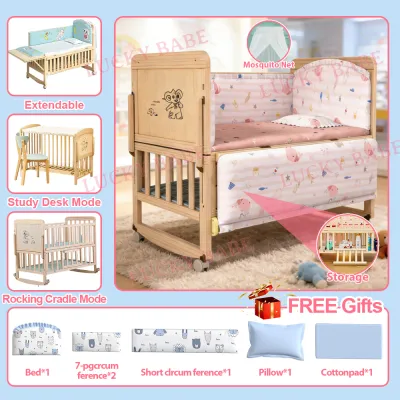
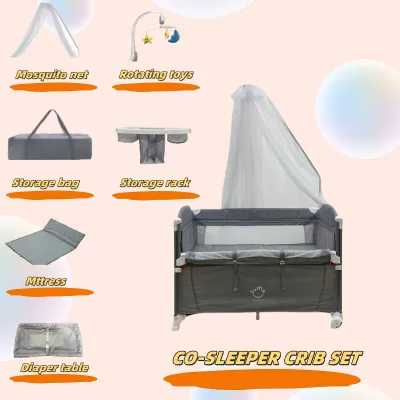
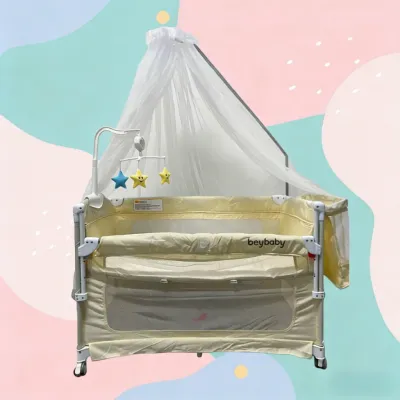
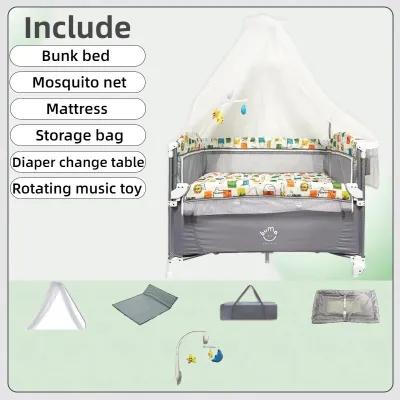
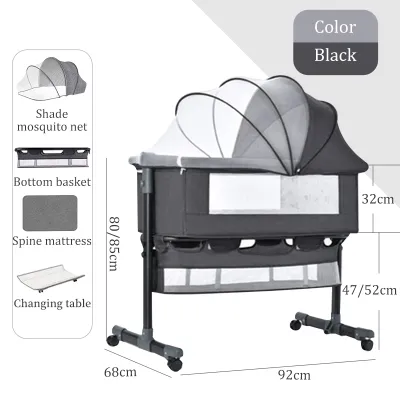
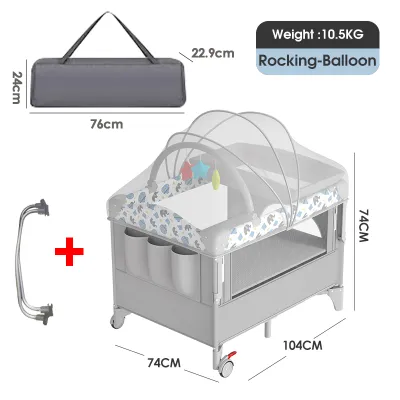
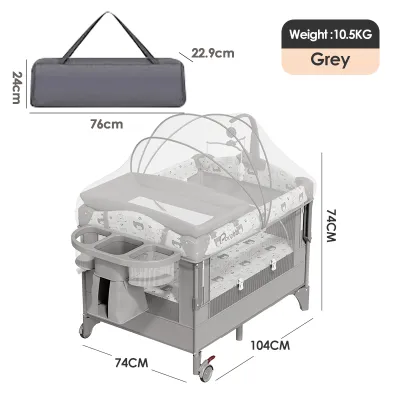
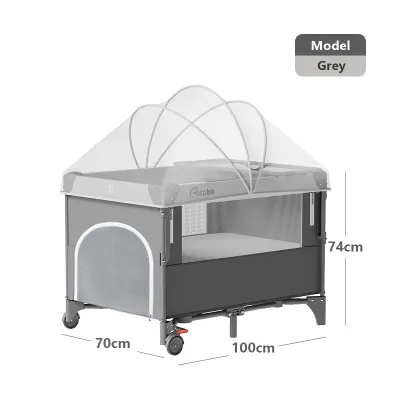
Prices are valid at publication and may change. Please refer to the product page for the latest price.
In contrast, a complete nursery furniture set is a bundled package designed to furnish a coordinated room in one go. These sets typically feature a matching baby crib alongside other essential pieces, such as a changing table, a multi-drawer dresser, or an ergonomic glider chair. Some bundles may also include conversion kits that allow the crib to transition into a toddler bed or daybed later on.
Because there is no universal industry standard for what constitutes a “complete” set, you must carefully read the manufacturer’s product descriptions and packaging labels. One brand’s bundle might include four substantial pieces of furniture, while another might only pair a crib with a small changing topper. Verifying the exact inventory list before purchasing prevents unexpected gaps in your nursery setup and ensures you know exactly what will arrive at your doorstep.
Comparing the Practical Trade-Offs
Choosing the right furniture configuration involves balancing immediate convenience with the long-term usability of each piece as your child grows. To make an informed decision, you must evaluate three primary dimensions: the physical footprint of the furniture within your home, the financial impact on your household budget, and the aesthetic flexibility of the space.

Each path presents distinct advantages depending on your living situation. A bundled set simplifies the shopping process but demands a significant commitment of space and upfront funds. A standalone approach requires more time and research but allows you to adapt your purchases to your changing needs and spatial limitations.
Room Space and Layout Constraints
Before browsing designs, measure your room’s exact dimensions and map out a realistic floor plan. A complete nursery set requires a substantial amount of floor space, which can quickly overwhelm smaller bedrooms or shared nursery spaces. You must compare the combined footprint of all bundled pieces against your available square footage, ensuring there is enough room for daily tasks.
Maintaining safe traffic flow is critical for a functional nursery. Caregivers need adequate clearance around the crib to lift the baby comfortably, change diapers, and navigate the room safely in low-light conditions. In tropical environments, leaving open space around furniture is also vital for maintaining proper airflow and ventilation, which helps manage indoor humidity and keeps the sleeping area cool.
Standalone cribs offer superior layout flexibility, especially in irregularly shaped rooms or compact urban apartments. Choosing a single crib allows you to place it in the most secure, draft-free corner of the room without worrying about where to squeeze in a matching dresser or bulky changing table. This modular approach keeps the room feeling open and uncluttered, which is essential for both safety and comfort.
Upfront Budget and Long-Term Value
Your financial plan plays a decisive role in determining which option is most viable. Purchasing a complete nursery set requires a larger upfront cost in ₱, as you are paying for multiple major furniture pieces simultaneously. While this bundle often represents a lower combined price than buying each item separately at full retail, it still demands a significant immediate layout of household funds.
To assess the long-term value of a bundled set, evaluate whether the included pieces offer convertible features. For example, a changing table that features a removable topper can transition into a standard chest of drawers once your child outgrows diapers. If the furniture cannot adapt to older developmental stages, the initial investment may lose its value within just a few years.
Opting for a standalone baby crib allows you to distribute your expenses over time. By focusing your immediate budget on a high-quality, safe crib, you preserve financial resources to invest in a premium mattress or a highly supportive, ergonomic glider chair later. This step-by-step purchasing strategy prevents budget strain and allows you to prioritize safety-critical items first.
Design Cohesion vs. Customization
For many parents, the visual appeal of the nursery is a major consideration. Bundled furniture sets offer guaranteed design cohesion, ensuring that the wood finishes, paint colors, and hardware of your crib, dresser, and changing table match perfectly. This eliminates the guesswork of trying to coordinate different wood tones or styles from separate manufacturers, saving you valuable time and design effort.
On the other hand, a standalone crib serves as a blank canvas for a highly customized, eclectic nursery. This path allows you to mix different materials, pair a modern crib with a vintage dresser, or repurpose existing household furniture that you already own. It gives you the freedom to create a space that reflects your personal style and blends seamlessly with the rest of your home’s aesthetic.
Consider whether you want the nursery to stand out as a unique, dedicated child’s space or match the broader design theme of your home. If you plan to transition the room into a home office or guest room in the future, standalone pieces are often easier to integrate into other areas of the house than a highly specific, matching set of nursery furniture.
Essential Safety and Specification Checks
Regardless of whether you choose a standalone crib or a complete set, safety must remain your absolute priority. Infant sleep environments are subject to strict safety guidelines, and you must verify that every piece of furniture meets these standards. Start by checking the crib’s slat spacing; slats must be close enough together to prevent a child’s head or limbs from becoming trapped. Always verify the recommended age, weight limits, and developmental stages for each piece of furniture by consulting the manufacturer’s documentation rather than relying on the product name alone.
Always consult the manufacturer’s manual and product labels to verify the correct mattress fit. A mattress that is too small leaves dangerous gaps along the edges of the crib, posing a severe entrapment hazard. The mattress should fit snugly against the crib frame with no more than two fingers of space between the mattress edge and the crib side.
For sets that include tall dressers or changing tables, verify that the manufacturer includes robust anti-tip anchoring hardware. Heavy furniture poses a serious tipping hazard as babies grow and begin to pull themselves up or climb. Follow the installation instructions precisely to secure these pieces to your walls, and regularly inspect the anchors to ensure they remain tight and secure.
Additionally, confirm that all paints, finishes, and materials used in the furniture are non-toxic and free from harmful chemicals. Because tropical humidity can sometimes accelerate the off-gassing of low-quality finishes, reviewing official product specifications and safety certifications is essential. If a manufacturer cannot provide clear, accessible safety documentation for their products, or if you have concerns about the structural integrity of an item, stop the purchase process immediately and consult the brand or a qualified professional.
How to Decide: A Condition-Based Guide
To make your final decision, evaluate your current living situation against a clear set of practical conditions. Choose a standalone baby crib if your nursery space is limited, if you live in a temporary rental where layouts may change, or if you already have functional dressers and shelving that can be repurposed. This approach minimizes clutter, keeps your initial expenses low, and allows you to customize the room gradually.
Select a complete nursery furniture set if you are starting with an entirely empty room, have ample floor space, and prefer a convenient, one-stop shopping experience. A set is highly beneficial if you value a unified visual style and want the convenience of coordinating a single delivery and assembly process.
Before finalizing any bundle purchase, always verify the long-term utility of the individual pieces. Check if the crib can convert into a toddler bed and if the changing table can serve as standard storage later on. By ensuring the furniture can adapt to your child’s developmental milestones, you guarantee that your investment remains functional and safe for years to come.
Frequently Asked Questions (FAQ)
Can I buy a standalone crib now and add matching furniture later?
Yes, you can expand your nursery setup over time, but this strategy carries some risks. Manufacturers frequently update their product lines, meaning a specific furniture collection or wood finish may be discontinued by the time you are ready to buy matching pieces. To minimize this risk, check the brand’s history of product availability, note the exact model and color names, and consider purchasing core matching items sooner rather than waiting several years.
Are nursery furniture sets always cheaper than buying pieces individually?
While bundled sets often feature a discounted package price compared to buying each item separately at full retail, this is not always the case. Retail promotions, clearance sales, or sourcing high-quality secondhand items can sometimes make individual purchases more cost-effective. Always calculate the total cost of the individual pieces you actually need and compare that sum against the bundle price to verify if you are receiving a genuine discount.
What should I do if the bundled changing table is too large for my room?
If a bundled changing table does not fit safely within your nursery layout, do not force it into a cramped space where it blocks pathways or ventilation. Check if the retailer allows you to substitute the changing table for a smaller item, or consider placing the changing table in an adjacent hallway or spacious closet. Alternatively, you can opt for a standalone crib and place a secure, contoured changing pad on top of an existing, low-profile dresser to save valuable floor space.
Community discussion
Share your experience or ask a question. Comments are reviewed before publication.