
Deciding how to set up your baby’s changing area is one of the most practical design challenges you will face when preparing your nursery. The core choice often comes down to whether you should purchase a standalone baby chair or opt for a comprehensive nursery furniture set that bundles seating with your changing table and crib. There is no single “best” option for every household; the ideal selection depends entirely on your room’s physical dimensions, your budget flexibility, and your long-term design preferences.
A standalone baby chair—whether a parent’s nursing glider or an infant bouncer—is highly recommended if you already own a changing table, need to maximize a compact room, or want to invest in a high-quality, ergonomic seat that can easily transition to other rooms later. Conversely, a nursery furniture set is the ideal match for first-time parents setting up a room from scratch who prioritize a perfectly coordinated aesthetic and want to take advantage of bundled discounts. Whichever path you choose, verifying safety certifications and ergonomic dimensions remains a mandatory step to protect both you and your child.
Defining Your Options: Standalone Baby Chair vs. Bundled Sets
To make an informed decision, it is essential to clarify what these options entail within the layout of a modern changing area. A standalone baby chair generally falls into one of two categories depending on who is using it. It can refer to parent-focused seating, such as an ergonomic nursing glider or rocker positioned next to the changing table to facilitate seamless transitions between soothing, feeding, and diapering. Alternatively, it can refer to infant-focused seating, such as a baby bouncer or rocker placed on the floor to keep your baby safely occupied and within your line of sight while you organize diapers, wipes, and clothing.
Products mentioned in this guide
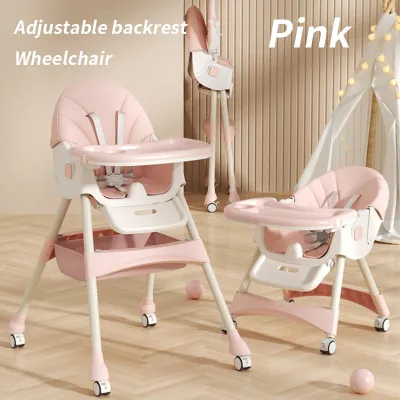
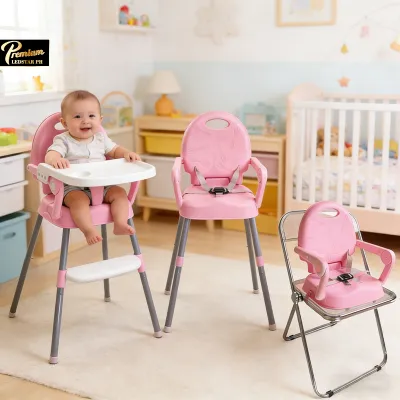
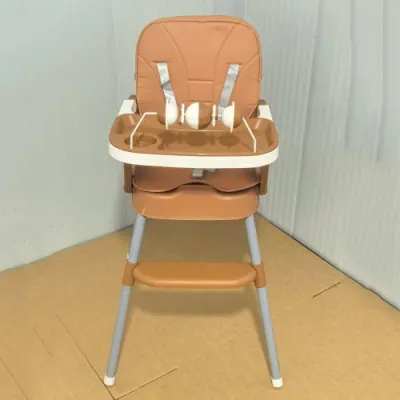
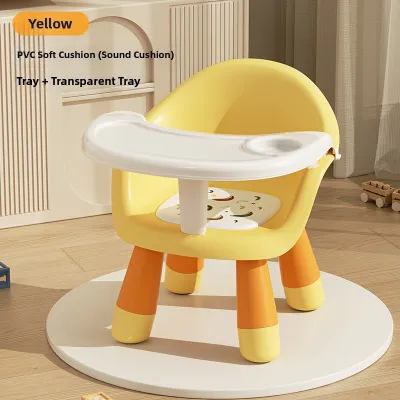
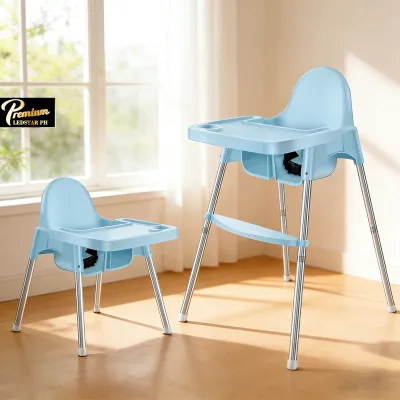
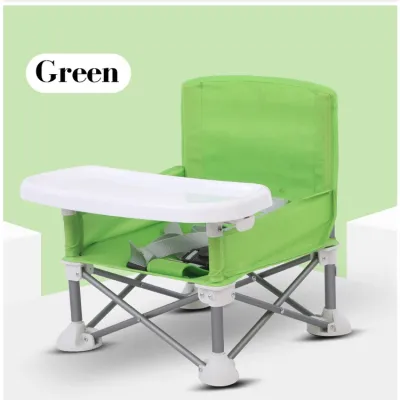
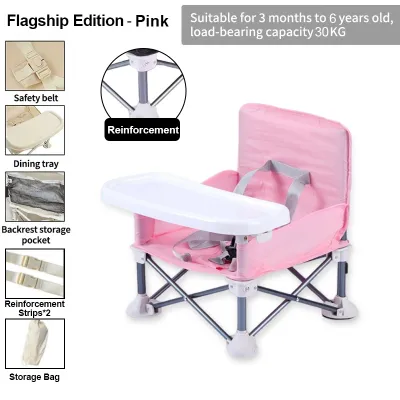
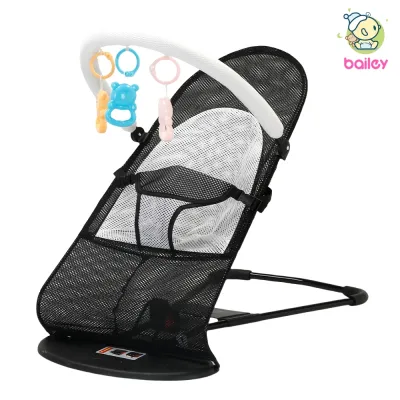
Prices are valid at publication and may change. Please refer to the product page for the latest price.
A nursery furniture set, on the other hand, is a pre-packaged collection of coordinated furniture pieces. These bundles typically include a crib, a chest of drawers or a dedicated changing table, and occasionally a matching glider or rocking chair. The primary goal of a set is to provide a complete, ready-to-use room layout where every item shares the same material, color palette, and design language.
Having a dedicated chair near your changing station serves a vital operational purpose in your daily routine. It streamlines your workflow by giving you a comfortable spot to rest during late-night changes, allows you to soothe a fussy baby immediately before or after diapering, and provides a secure spot to place your infant when your hands are full.
Core Comparison Dimensions
Budget and Cost Efficiency
When evaluating the financial side of nursery planning, the upfront cost of a furniture set often appears highly attractive. Bundled sets are structured to offer a lower per-item cost compared to buying a crib, changing table, and chair individually. For parents working with a strict overall budget, this bundled pricing can free up funds for other essential infant supplies.

However, this financial convenience often introduces a trade-off between quality and quantity. When you purchase a standalone baby chair, you retain complete control over where every peso goes, allowing you to invest a larger portion of your budget into a high-quality, highly ergonomic chair. Bundled sets occasionally compromise on the quality of the included seating—such as offering basic padding or limited lumbar support—to keep the package price competitive.
Additionally, parents must account for potential hidden costs associated with large furniture purchases. Bundled sets are heavy and bulky, which can result in higher delivery fees and assembly charges, particularly if you live in a multi-story home or a condominium. If a bundled chair proves uncomfortable after a few weeks of use, the cost of replacing it with a standalone alternative will ultimately wipe out any initial savings.
Space Planning and Room Layout
The physical layout of your nursery plays a decisive role in determining which furniture configuration will work best. Standalone chairs offer exceptional spatial flexibility, allowing you to choose a compact glider or a slim infant bouncer that tucks neatly into tight corners. This adaptability is particularly valuable in urban Philippine homes, where nursery rooms or shared master bedrooms often have limited floor space.
In contrast, nursery furniture sets are designed with standard, often generous dimensions that require a significant amount of open floor space. Placing a full set into a smaller room can quickly make the environment feel cramped and restrict your movement. A rigid layout can also block access to essential changing supplies, making diaper changes more stressful and less efficient.
Optimizing your changing workflow requires careful placement of your furniture. A standalone chair can be positioned at an angle that maintains a clear pathway to the changing table while keeping the baby within arm’s reach. A bulky, non-negotiable furniture set may force you into an awkward layout where you must constantly walk around large pieces of wood to reach a trash bin or a fresh set of clothes.
Longevity and Multi-Stage Use
A furniture piece’s value is directly tied to how long it remains useful as your child grows. Standalone nursing chairs, gliders, and high-quality rockers excel in longevity because they do not look out of place in other areas of the home. Once your child outgrows the nursery stage, a well-designed standalone chair can easily be relocated to a living room, a reading nook, or a master bedroom.
Bundled nursery sets, however, often have a much shorter operational lifespan. Changing tables are quickly outgrown once a child is potty-trained, and many parents find that the matching dresser or crib no longer fits the aesthetic of a growing toddler’s room. Furthermore, the seating included in cheap bundles may lack the structural durability or mature style required to transition into adult living spaces, leaving you with furniture that must be sold or discarded.
If you are considering an infant bouncer or rocker as your standalone baby chair, it is vital to acknowledge its short usage window. These items have strict weight limits and developmental milestones—such as stopping use the moment your baby attempts to sit up unassisted. A standalone purchase of a temporary infant seat is highly logical because it prevents you from committing to a massive, permanent furniture set based on a product your baby will only use for a few months.
Aesthetic Cohesion and Customization
For many parents, the visual appeal of the nursery is a major factor in their decision-making process. Nursery furniture sets excel at providing instant aesthetic cohesion. They remove the guesswork from decorating by ensuring that the wood finishes, paint colors, and hardware of your crib, changing table, and chair match perfectly, creating a clean and harmonious look with minimal effort.
Despite this convenience, sets can sometimes feel sterile or overly uniform, limiting your ability to express your personal style. Choosing standalone pieces allows you to curate a unique, textured environment. You can pair a warm wooden changing table with a soft linen glider, incorporate vibrant accent colors, and select fabrics that complement your home’s existing interior design.
This flexibility aligns closely with the modern trend of creating “transitional nurseries.” Rather than investing in highly thematic, baby-specific furniture sets that look dated within a few years, parents are increasingly choosing mature, standalone pieces. This approach allows the room to evolve naturally alongside the child, saving you from the expense of a complete room redesign down the road.
Quick Comparison Table
| Feature | Standalone Baby Chair | Nursery Furniture Set |
|---|---|---|
| Upfront Cost | Higher per-item investment, but highly customizable | Lower per-item cost due to bundled discounts |
| Space Flexibility | High; easily fits small spaces and tight corners | Low; requires a standardized, larger room layout |
| Design Customization | High; mix and match textures, colors, and styles | Low; uniform aesthetic with matching finishes |
| Long-Term Versatility | High; transitions easily to living rooms or bedrooms | Low; changing tables and themed chairs are outgrown quickly |
| Ideal For… | Parents with existing furniture or tight spaces | First-time parents starting from scratch with large rooms |
Decision Framework: How to Choose the Right Path
To help you make the final call, let us break down the decision into clear, actionable guidelines tailored to your household’s specific needs.
Choose a Standalone Baby Chair if:
- You already own a sturdy changing table, chest of drawers, or crib that you plan to reuse.
- Your nursery or bedroom has a compact layout where every square centimeter of floor space counts.
- You suffer from back or joint pain and require highly specific ergonomic support, such as adjustable lumbar cushions or precise armrest heights.
- You want a versatile piece of furniture that can easily transition into your main living area or master bedroom once the diapering years are over.
Choose a Nursery Furniture Set if:
- You are starting from scratch in a spacious room and want to purchase all your primary furniture pieces in a single transaction.
- You prefer a highly coordinated, uniform aesthetic and want to avoid the time-consuming process of matching different wood stains and fabrics.
- You want to simplify the delivery and assembly process by scheduling a single drop-off and setup day for the entire room.
- You are looking for a cost-effective bundle discount that reduces the individual price of each furniture item.
Verify First if:
- You plan to mix and match different brands. Always measure the height of your changing table against the armrest height of your standalone chair to ensure you can sit comfortably without your elbows hitting the changing station.
- You are buying second-hand furniture. Ensure all pieces comply with current safety standards and have not been subject to manufacturer recalls.
When shopping in the tropical climate of the Philippines, environmental factors should heavily influence your material choices. High humidity levels can make synthetic leather or heavy velvet fabrics incredibly uncomfortable and prone to trapping heat. For standalone chairs, prioritize breathable, moisture-resistant fabrics such as performance linen, treated cotton, or performance canvas. These materials allow for better airflow during warm afternoons and are significantly easier to clean if mold or mildew begins to develop.
Safety and Ergonomic Verification for Nursery Seating
Regardless of whether you choose a standalone chair or a bundled set, safety must remain your absolute priority. When using an infant bouncer or rocker as a baby chair near your changing area, stability is paramount. Always verify that the seat features a wide, non-slip base that prevents tipping. Never place an infant seat on an elevated surface, such as the changing table itself or an adjacent dresser, as sudden infant movements can cause the seat to slide off and fall.
Carefully monitor the manufacturer’s specified weight and age limits. Every infant seat has a maximum weight capacity and a developmental threshold that dictates when use must be discontinued. For instance, you must stop using a baby bouncer as soon as your child shows signs of rolling over or attempting to sit up unassisted. Failing to adhere to these guidelines increases the risk of falls and structural failure.
For parent-focused seating like gliders and rockers, ergonomic support is critical to preventing physical strain during long feeding and changing sessions. Look for chairs that provide firm lumbar support and have armrests positioned at a height that supports your forearms without forcing your shoulders upward. The gliding or rocking mechanism should operate smoothly and silently, with fully enclosed moving parts to prevent pinching your fingers or curious toddler hands.
Finally, verify the safety of the materials used in your furniture. Look for reputable certifications, such as GREENGUARD Gold, which indicate that the product has been tested for low chemical emissions. This is particularly important in humid climates, where heat and moisture can accelerate the off-gassing of volatile organic compounds (VOCs) from adhesives and synthetic fabrics. Ensure that all wooden components are finished with non-toxic, lead-free paints or stains to protect your baby’s developing respiratory system.
Frequently Asked Questions (FAQ)
What is the ideal distance between a baby chair and a changing table?
For parent-focused nursing chairs, place the seat close enough to the changing table to allow for easy communication and movement, but maintain a clearance of at least 60 to 90 centimeters. This gap ensures that the rocking or gliding motion of the chair will not accidentally strike the changing table or disrupt items resting on top of it. If you are using an infant bouncer, it must always be placed on the flat floor, directly within your line of sight and within arm’s reach. Ensure it is positioned completely clear of any potential falling hazards, such as hanging shelves, heavy decor, or electrical cords connected to baby monitors or changing table lamps.
How do I clean and maintain fabric nursery chairs in a humid climate?
In the humid tropical climate of the Philippines, fabric maintenance is crucial to prevent the growth of mold, mildew, and dust mites. If you choose a fabric standalone chair, opt for models with removable, machine-washable covers or performance fabrics that naturally resist moisture and staining. Vacuum the upholstery weekly using a brush attachment to remove dust and skin cells. To combat high humidity, operate a dehumidifier or an air conditioner in the nursery to keep indoor moisture levels below 60 percent. Always consult the manufacturer’s care label before applying any liquid cleaners, and perform a spot test on a small, hidden area of the fabric to ensure it does not discolor or degrade the material.
Community discussion
Share your experience or ask a question. Comments are reviewed before publication.