
Quick Answer: Standalone Bed vs. Nursery Set
Deciding between a standalone baby bed and a complete nursery furniture set depends heavily on your living space, immediate budget, and long-term storage requirements. For families living in compact spaces like urban condominiums, or those planning to share a bedroom with their newborn, a standalone baby bed is the most practical and budget-friendly choice. It allows you to maximize limited floor space while using existing household storage.
Conversely, a complete nursery furniture set—which typically bundles a crib, a changing table, and a matching dresser or wardrobe—is ideal for parents who are furnishing a dedicated nursery room from scratch. This option offers a highly cohesive aesthetic and the convenience of acquiring all major furniture pieces in a single purchase. Your final decision should align with your immediate physical layout, your upfront budget constraints, and how you intend to use the room as your child grows.
Core Differences: Standalone Baby Bed vs. Full Nursery Sets
To help you evaluate these two paths, it is helpful to look at how they compare across key practical categories. While a single bed offers immediate simplicity, a full set provides a comprehensive room solution.
Products mentioned in this guide
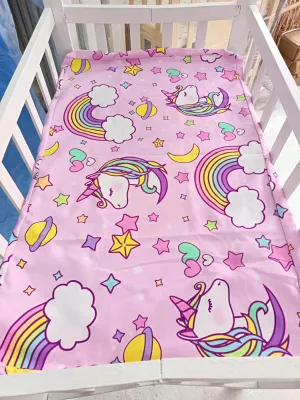
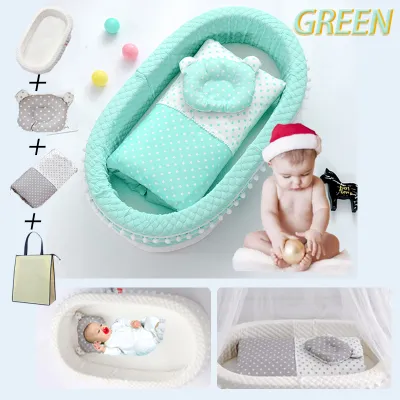
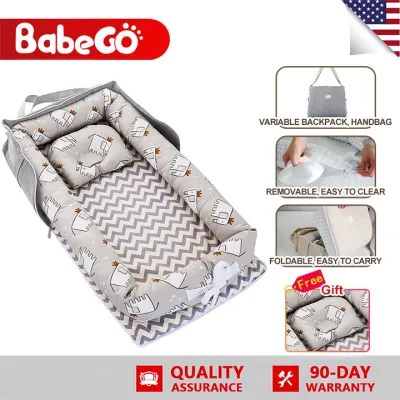
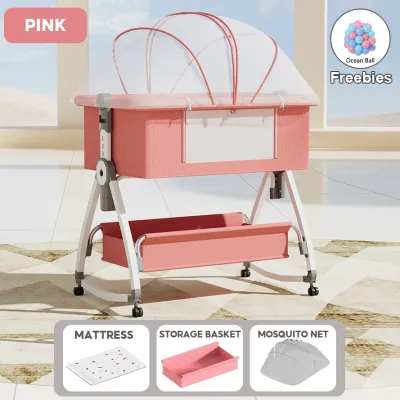
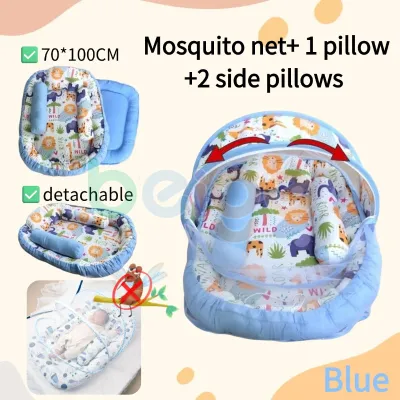
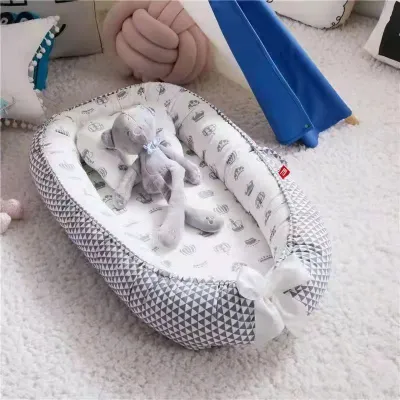
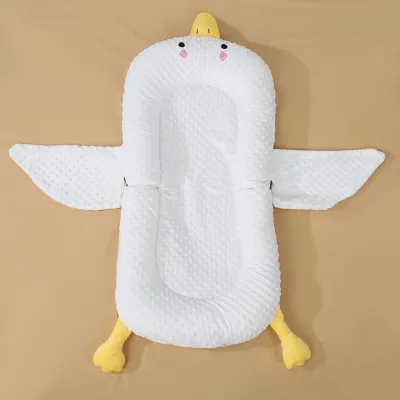
Prices are valid at publication and may change. Please refer to the product page for the latest price.

Below is a comparison of how each option performs across primary purchasing dimensions:
| Dimension | Standalone Baby Bed | Complete Nursery Furniture Set |
|---|---|---|
| Initial Upfront Cost | Lower initial investment; allows you to spread out other furniture purchases over time. | Higher upfront cost, though often features a lower cost-per-piece compared to buying separately. |
| Floor Space Required | Minimal footprint; highly adaptable to small rooms, shared bedrooms, or tight corners. | Substantial footprint; requires a dedicated room to accommodate multiple matching pieces. |
| Design Cohesion | Requires manual styling; you must select other furniture pieces that complement the bed's look. | Guaranteed visual harmony; matching wood grains, paint finishes, and hardware throughout the room. |
| Assembly & Setup Time | Single, focused assembly task; usually completed within an hour or two with basic tools. | Multi-piece assembly project; often requires a full weekend and coordinated physical assistance. |
| Long-Term Versatility | High layout flexibility; easy to move, repurpose, or replace as your child's room needs change. | Structured layout; pieces are designed to stay together, though individual items can be repurposed. |
Standalone beds excel at providing layout flexibility, allowing you to adapt your nursery setup dynamically as your family’s needs evolve. Complete sets, on the other hand, eliminate design guesswork by delivering a fully coordinated environment right away, saving you the time and effort of matching separate items.
Budget and Long-Term Value
Analyzing the financial implications of your nursery furniture requires looking beyond the initial checkout price. A standalone baby bed represents a significantly lower immediate capital outlay, which is ideal if you are managing tight prenatal expenses or prefer to allocate your budget in Philippine Pesos (₱) toward other essential baby gear. This path lets you buy only what is absolutely necessary for your newborn’s sleep safety right now, deferring storage purchases until your child actually accumulates more clothes and toys.
In contrast, a complete nursery furniture set demands a larger upfront financial commitment. However, purchasing these pieces as a bundle often secures a lower overall cost-per-piece than if you were to buy a matching crib, changing table, and dresser individually later on. If you know you will eventually need all three pieces of furniture, buying the set can be a highly cost-effective long-term strategy.
When evaluating long-term value, pay close attention to convertibility features. Many modern baby beds are designed to transition from a crib to a toddler bed, a daybed, or even a full-sized headboard as your child grows. Similarly, many dressers included in nursery sets feature removable changing toppers, allowing the unit to transition into a standard bedroom dresser once diapering days are over.
However, these convertible features are not universal, and assuming they are included can lead to unexpected costs. You must carefully verify the manufacturer’s product documentation to confirm whether conversion kits, toddler guardrails, and necessary transition hardware are included in the initial purchase or must be bought separately. Additionally, check the specified weight limits, size ranges, and age suitability for each stage to ensure the furniture will safely support your child throughout their development.
Finally, consider your existing home inventory before committing to a full set. If you already own a sturdy, appropriately sized chest of drawers or a built-in wardrobe in the nursery room, purchasing a complete set may result in redundant furniture. In this scenario, buying a standalone bed and pairing it with your existing storage is the more financially sound and space-efficient choice.
Space Constraints and Room Layout
The physical dimensions of your home are often the ultimate deciding factor when choosing nursery furniture. In many urban residential areas, such as high-rise condominiums or townhouses in the Philippines, room sizes are compact, making every square meter highly valuable.
A standalone baby bed is the ideal solution for compact layouts, minimalist nurseries, or shared master bedrooms. When planning a shared room or a small nursery, you must measure your floor plan precisely before purchasing. Ensure there is a safe clearance of at least 60 centimeters on at least two sides of the bed to allow caregivers to easily access the child, lift them safely, and change bedding without straining. Placing a single bed in a corner can save space, but you must ensure it is kept far away from window blind cords, electrical outlets, and wall decorations.
A complete furniture set, by contrast, requires a dedicated, spacious nursery room to accommodate the physical footprints of a crib, a separate changing table, and a large dresser or wardrobe. If you attempt to crowd a full set into a small room, you risk creating a cluttered environment that restricts movement and compromises safety. Caregivers need clear, unobstructed paths to navigate the room in the dark during late-night feedings, making a crowded layout a physical hazard.
Local environmental factors also play a critical role in how you arrange your nursery furniture. In humid, tropical climates, maintaining adequate airflow around wooden furniture is essential to prevent the growth of mold, mildew, and wood warping. Pushing a large wardrobe or a heavy dresser flush against an exterior wall can trap moisture, especially during the rainy season.
If you choose a complete furniture set, plan your layout to leave a ventilation gap of at least 5 to 10 centimeters between the back of the furniture and the walls. Additionally, inspect the product labels and manufacturer specifications to verify if the wood has been treated with non-toxic, moisture-resistant finishes. For both standalone beds and full sets, placing a small dehumidifier or ensuring consistent air circulation via a ceiling fan can help protect your investment and maintain a healthy sleeping environment for your baby.
Design Flexibility and Aesthetics
For many parents, creating a beautiful, welcoming space for their baby is a highly rewarding part of preparation. Complete nursery sets offer an immediate, professionally curated aesthetic. Because all pieces are manufactured together, they feature identical wood stains, paint finishes, and drawer hardware, creating a cohesive, polished look. This is highly beneficial if you prefer a traditional, coordinated style and want to avoid the time-consuming process of matching different wood tones from various brands.
On the other hand, choosing a standalone baby bed unlocks complete design freedom, allowing you to craft an eclectic, personalized nursery. You can mix and match different textures, colors, and design eras—such as pairing a modern, natural wood crib with a painted vintage dresser or a rattan storage basket. This approach allows the room to feel more integrated with the rest of your home’s interior design rather than looking like a generic showroom.
Opting for individual pieces also provides greater flexibility as your child’s preferences change. A highly themed nursery set can sometimes feel too juvenile as your baby transitions into a toddler and then a school-aged child. With standalone pieces, you can easily upgrade or replace a single item—such as swapping out a small changing table for a study desk—without disrupting the entire room’s design theme. This step-by-step evolution is often easier on both your design planning and your wallet over the years.
Assembly, Delivery, and Maintenance
The logistics of getting your nursery furniture into your home and keeping it in top condition require careful planning. Complete nursery sets are heavy, bulky, and typically ship in multiple large, flat-packed boxes. Before ordering, verify the delivery terms and ensure you have coordinated assistance to carry these heavy packages up stairs, through narrow doorways, or into condominium elevators.
Assembling a full furniture set is a major undertaking. Putting together a crib, a dresser, and a changing table can easily turn into a multi-day project requiring patience, proper tools, and physical stamina. If you are in the third trimester of pregnancy, this level of physical exertion is not recommended; you will need to arrange for a partner, family member, or professional assembly service to complete the task safely. A standalone baby bed, by comparison, is a single, focused assembly job that can usually be completed quickly and with minimal stress.
Regardless of whether you choose a single bed or a full set, ongoing maintenance is crucial for your child’s safety. Always follow the manufacturer’s step-by-step assembly instructions precisely, using only the hardware provided in the package. Never substitute missing screws or brackets with generic hardware store alternatives; instead, contact the manufacturer directly for authorized replacement parts.
In tropical regions with high seasonal humidity, wood naturally expands and contracts. This environmental shifting can cause screws and joints to loosen gradually over time. Make it a habit to inspect all furniture joints, drawer slides, and crib rails every few months. Use a manual screwdriver to gently tighten any loose hardware, ensuring the structures remain completely stable and safe for your growing, active child. If you notice any persistent structural instability, cracked wood, or peeling finishes, stop using the item immediately and consult a qualified professional or the manufacturer.
How to Decide: A Framework for Parents
To make your final decision, evaluate your current living situation against this practical framework.
Choose a Standalone Baby Bed if:
- You have limited space: You are room-sharing with your infant or living in a compact home or condo where a multi-piece set would restrict movement.
- You are on a strict budget: You prefer to minimize your upfront costs and purchase additional storage furniture only when it becomes necessary.
- You already have storage: Your nursery room already features a built-in closet, wardrobe, or a sturdy chest of drawers that can be repurposed.
- You prefer an eclectic style: You enjoy mixing different furniture styles, colors, and textures to create a unique, personalized space.
Choose a Complete Nursery Set if:
- You have a dedicated room: You have a spacious, dedicated nursery room with ample wall space to accommodate matching furniture safely.
- You want a coordinated look: You value a perfectly matched, cohesive aesthetic and want to avoid the effort of sourcing individual pieces.
- You need complete storage immediately: You do not have existing closets or dressers available and need a comprehensive storage system for your baby's belongings right away.
- You want a single transaction: You prefer the convenience of ordering, delivering, and setting up all major nursery furniture at one time.
Verify first if:
- You are considering second-hand options: If you are buying used furniture or accepting hand-me-downs, you must thoroughly inspect the items. Check for structural stability, missing hardware, peeling paint, and search the manufacturer's model number against official safety recall databases before allowing your baby to use them. Always confirm the age, weight, and development stage limits from the original manufacturer documentation.
Frequently Asked Questions (FAQ)
Is it safe to buy a second-hand baby bed or nursery set?
Buying second-hand nursery furniture can be safe, but it requires rigorous safety checks. You must inspect every piece for structural integrity, ensuring there are no cracked wood slats, loose joints, or missing assembly hardware. Verify that the paint or finish is non-toxic and not peeling or chipping. Most importantly, locate the manufacturer’s label on the furniture and cross-reference the model number with current safety recall lists to ensure the item has not been flagged for hazards. For infant sleep safety, you should always purchase a brand-new mattress to guarantee the correct firmness, fit, and hygiene standards, as older mattresses can sag and pose a suffocation risk. If you have any doubts about the safety or compliance of a second-hand item, consult a pediatric safety specialist or choose a certified new model.
Can I buy a standalone baby bed now and add matching furniture later?
Whether you can expand your collection later depends entirely on the manufacturer’s production cycle and inventory policies. Some popular furniture brands maintain their signature collections for several years, allowing you to buy a bed now and purchase a matching dresser or wardrobe in the future. However, many brands discontinue specific collections or color finishes within a year or two to make room for new designs. If matching is highly important to you, contact the manufacturer to ask about the expected lifespan of the collection, or opt for a standalone bed in a neutral finish (such as solid white or natural wood) that can easily be paired with other generic furniture brands later.
Community discussion
Share your experience or ask a question. Comments are reviewed before publication.