
Quick Answer: Which Spectra Pump Should You Choose?
Deciding between the Spectra S1 and the Spectra S2 comes down to where you plan to pump and how much flexibility your budget allows. Both models are highly regarded for their performance and efficiency, but they cater to different daily routines.
The Spectra S1 is designed for active, mobile pumping, featuring a built-in rechargeable battery that allows you to express milk without being tethered to a wall outlet. This makes it an ideal option if you anticipate pumping during commutes, in offices with limited power access, or during frequent travel.
Conversely, the Spectra S2 is a stationary, plug-in model that must remain connected to an electrical outlet during every session. Because it lacks an integrated battery, it serves as a more budget-friendly entry point for parents who plan to pump primarily at home or in a dedicated lactation space with easily accessible power.
Products mentioned in this guide
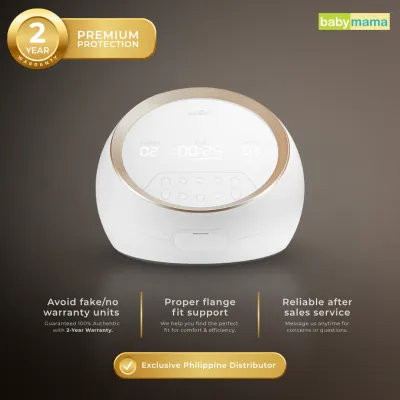
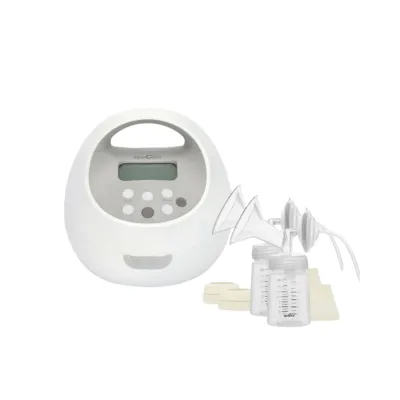
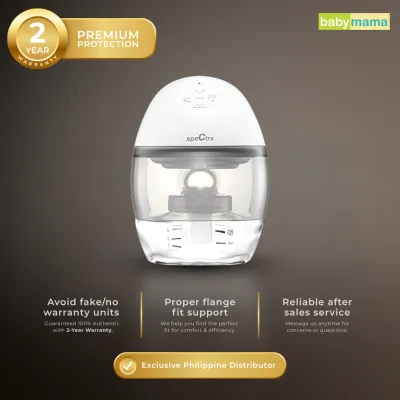
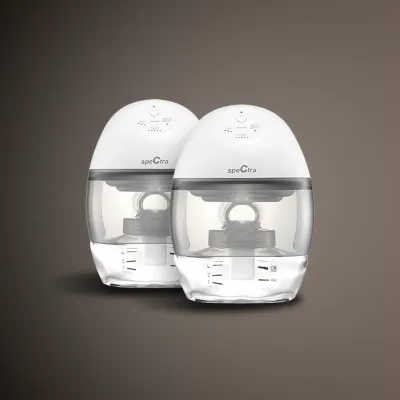
Prices are valid at publication and may change. Please refer to the product page for the latest price.
Neither pump is universally superior to the other; they share the same motor design, suction capabilities, and closed-system hygiene. Your choice should depend entirely on your daily movement, your access to electrical outlets, and your financial preferences.
The Main Difference: Portability and Power Source
To understand how these two devices fit into your life, you must look closely at their power configurations. The Spectra S1 contains an internal, rechargeable lithium-ion battery. This design allows you to charge the unit and use it cord-free, giving you the freedom to move around your home, sit comfortably on a sofa away from an outlet, or manage pumping sessions while traveling.

In contrast, the Spectra S2 has no internal battery and relies entirely on its AC power adapter. To use the S2, you must always sit near a functioning wall outlet. While this limits your physical mobility during a session, it also means you never have to worry about charging cycles or battery degradation over years of use.
This power distinction carries unique practical implications for parents in the Philippines. In tropical regions prone to seasonal typhoons, sudden power interruptions or scheduled brownouts can disrupt daily routines. Having the S1’s rechargeable battery provides a reliable backup plan, ensuring you can maintain your pumping schedule even when the local grid goes offline.
Commuting dynamics also play a significant role in this decision. If you face long, unpredictable travel times in Metro Manila or other congested urban areas, the S1 allows you to pump discreetly in a private vehicle or shuttle. For those who face a daily commute, being stuck in transit without a battery-powered option can cause physical discomfort and disrupt milk supply consistency.
Before finalizing your purchase, verify the official battery life specifications for the S1 on the manufacturer’s label or authorized product documentation. Battery performance naturally varies depending on your chosen vacuum levels and cycle speeds, so checking official resources will help you set realistic expectations for how many sessions you can complete on a single charge.
Physical size and weight are also worth noting, as both pumps feature a distinctive, rounded dome shape. While they share a similar footprint, the S1 is slightly heavier due to the weight of its internal battery pack. If you plan to carry your pump back and forth to work every day, check the exact dimensions and weight specifications in the product manual to ensure the unit fits comfortably inside your preferred diaper bag or commuting backpack.
Shared Features: What to Expect from Both Models
While their power sources differ, the core technology driving both pumps is identical. Both the Spectra S1 and S2 are classified as “hospital-grade” breast pumps, a term generally used to describe multi-user pumps with heavy-duty motors designed to initiate and support milk production. To understand the exact capabilities of these motors, verify the maximum suction rating, measured in millimeters of mercury (mmHg), from the official manufacturer specifications rather than relying on third-party retail descriptions.
Both models feature a closed-system design, which is a critical safety and hygiene standard. This system utilizes a physical silicone barrier—the backflow protector—between the collection kit and the pump motor. The barrier prevents breast milk, moisture, and humidity from entering the tubing or the motor housing.
In high-humidity tropical climates, a closed system is particularly vital. Excess moisture trapped inside pump tubing can quickly become a breeding ground for mold and bacteria, posing a risk to your stored milk. Because of the closed-system design, air from the pump motor never comes into contact with your milk, and the tubing stays completely dry, eliminating the need to wash or sterilize the tubes.
To make late-night or early-morning sessions more manageable, both models include several built-in convenience features:
- Integrated Night Light: A soft, adjustable light built into the handle allows you to see your settings and bottle levels in a dark room without waking your sleeping baby or partner.
- Digital Timer and Auto-Shutoff: The screen displays how long you have been pumping and automatically turns off after a set period, helping you track your sessions accurately.
- Memory Function: The pump remembers your last-used settings, allowing you to start your next session at your preferred comfort level.
- Massage Mode: A fast, shallow pumping rhythm designed to mimic a baby’s initial rapid sucking, which stimulates the nerves in the breast to trigger the let-down reflex.
Both units also support both single and double pumping. If you want to pump one side while nursing your baby on the other, you can simply block one of the air ports on the machine. If you need to save time, you can attach both tubes and express from both breasts simultaneously.
Because the internal motors and external ports are identical, the S1 and S2 use the exact same collection accessories. The flanges, backflow protectors, duckbill valves, tubing, and wide-neck bottles are fully interchangeable. This shared ecosystem makes it easy to find replacement parts or purchase extra accessories, as any part labeled compatible with one model will fit the other perfectly.
Performance and Comfort: Suction, Noise, and Fit
An effective pumping routine relies on finding a balance between efficiency and physical comfort. Both Spectra models feature highly customizable controls that allow you to adjust the cycle speed (how many times the pump sucks per minute) and the vacuum strength (how hard the pump pulls) independently. This level of control is highly beneficial, as it allows you to mimic your baby’s natural nursing patterns more closely than pumps with fixed, pre-programmed settings.
When setting up your pump, check the user manual to identify the exact number of adjustable levels for both cycle speed and vacuum strength. It is best to start your session in massage mode at a low vacuum setting to encourage milk flow. Once your milk begins to drip or spray, switch to expression mode and slowly increase the vacuum to your maximum comfortable level. Pumping should never feel painful; if you experience discomfort, lower the vacuum immediately, as high suction does not automatically equate to more milk and can cause tissue damage.
Motor noise is another important consideration, especially if you need to pump discreetly in an office environment, a shared household, or near a sleeping infant. Both the S1 and S2 operate with a rhythmic, low-frequency hum. While user consensus generally rates these motors as quiet and unobtrusive, they are not completely silent. To minimize vibration and noise, place the pump on a stable, padded surface, such as a silicone mat or a folded towel, during use.
No matter how advanced a breast pump’s motor is, its performance and your overall comfort depend heavily on correct flange sizing. The flange is the funnel-shaped plastic shield that placed directly over your breast. If the flange is too small, your nipple will rub against the tunnel walls, causing friction, swelling, and blocked milk ducts. If the flange is too large, too much of your areola will be drawn into the tunnel, which can pinch the breast tissue and restrict milk flow.
To find your correct size, measure the diameter of your nipple at the base (excluding the areola) using a metric ruler or a printable sizing tool, preferably before a pumping session. Add 2 to 3 millimeters to your measurement to determine your starting flange size.
Both the S1 and S2 typically come packaged with standard flange sizes in the box, but you must verify the exact sizes included in your specific retail package. If the standard sizes do not match your measurements, you will need to purchase alternative or custom-sized flanges separately. If you experience persistent pain, localized swelling, or a sudden, unexplained drop in milk output, stop using the pump and consult an International Board Certified Lactation Consultant (IBCLC) or a healthcare professional for personalized guidance.
Price and Value: Weighing the Cost Difference
Because of its integrated battery technology, the Spectra S1 carries a higher price tag than the Spectra S2. When deciding whether this price premium is worth the investment, consider how the cost aligns with your long-term daily routine and household budget.
To make an informed financial decision, check current retail prices in Philippine Pesos (PHP) across authorized local distributors, official brand stores, and reputable baby boutiques. Prices can fluctuate based on seasonal promotions, import costs, and package configurations. Some retailers offer bundles that include extra accessories, breast milk storage bags, or cooler kits, which can provide better overall value than purchasing the pump alone.
To determine if the extra cost of the S1 is justified, evaluate your daily environment:
- When the Spectra S1 is worth the premium: If you plan to return to a busy corporate job, commute via public transit, travel frequently, or if your home is prone to power outages, the mobility and independence offered by the rechargeable battery are well worth the extra expense.
- When the Spectra S2 offers better value: If you are an exclusive stay-at-home parent, work permanently from a home office with a reliable desk setup, or have a dedicated nursery space with easy access to wall outlets, the S2 delivers identical pumping performance while keeping your initial baby-gear expenses lower.
Beyond the upfront purchase price of the pump, you must also factor in the ongoing cost of replacement parts. Wearable components such as silicone duckbill valves, backflow protector membranes, and tubing degrade naturally over time due to regular use, washing, and sterilization.
To maintain optimal suction and hygiene, these parts must be replaced periodically—typically every 1 to 3 months for duckbill valves, and every 3 to 6 months for backflow membranes, depending on how many times you pump per day. Because the S1 and S2 use the exact same consumables, these long-term maintenance costs are identical for both models, meaning neither holds an advantage regarding ongoing upkeep expenses.
Decision Framework: Matching the Pump to Your Lifestyle
To finalize your choice, map the specific features of each pump against your daily schedule, workplace environment, and postpartum plans. Use the structured guide below to identify which model matches your lifestyle.
Choose the Spectra S1 if:
- You need maximum mobility: You want the freedom to pump in different rooms of your house without searching for an outlet or carrying an extension cord.
- Your daily commute is demanding: You spend significant time in transit or need the option to express milk in a car or shuttle.
- Your workplace setup is unpredictable: You do not have guaranteed, continuous access to a private desk with a nearby power outlet.
- You want peace of mind during power outages: You live in an area prone to seasonal weather disruptions and want a reliable, battery-powered backup to protect your milk supply.
Choose the Spectra S2 if:
- You pump primarily in one location: You have a comfortable, permanent pumping station set up at home or in a dedicated office space with a reliable power outlet.
- You are working with a stricter budget: You prefer to allocate your savings toward other newborn essentials, such as high-quality storage bags, bottles, or professional lactation support.
- You prefer a lighter device to carry: You do not mind plugging in your pump and prefer a slightly lighter unit to pack in your bag.
Verify first if:
- You are unsure of your return-to-work timeline: Before investing in a specific model, consider your long-term career plans and speak with your employer's human resources department.
- You want to understand your workplace amenities: In the Philippines, Republic Act No. 10028 (the Expanded Breastfeeding Promotion Act of 2009) mandates that offices establish lactation stations equipped with electrical outlets, refrigeration facilities, and comfortable seating, alongside providing paid lactation breaks. If your workplace offers a fully compliant, easily accessible lactation room, a plug-in model like the S2 may be perfectly sufficient for your needs.
Regardless of which model you choose, remember that both the Spectra S1 and S2 are highly reliable, high-performing tools designed to support your breastfeeding journey. By selecting the model that aligns with your daily physical environment and budget, you can establish a comfortable, sustainable, and stress-free pumping routine.
Frequently Asked Questions (FAQ)
Can I add a battery to the Spectra S2 later?
The Spectra S2 is designed strictly as a plug-in unit and does not have an internal compartment or circuitry to support a built-in rechargeable battery. You should not attempt to modify the pump’s internal components or use unapproved third-party external battery packs, as doing so can damage the motor, compromise safety, and void the manufacturer’s warranty. If portable power becomes a necessity later on, you must use the pump with its original AC adapter connected to a stable, manufacturer-approved power source.
Do the Spectra S1 and S2 use the same replacement parts?
Yes, the Spectra S1 and S2 share the exact same motor connection ports and design, meaning all wearable and consumable accessories are fully interchangeable. This includes the silicone duckbill valves, backflow protector casings and membranes, tubing, flanges, and wide-neck collection bottles. This cross-compatibility makes sourcing replacement parts simple, as any official or high-quality third-party accessory designed for the Spectra S-series will fit both models perfectly.
Are these pumps covered by health insurance or HMOs in the Philippines?
Unlike in some Western countries where breast pumps are commonly covered by health insurance mandates, coverage for lactation equipment through private health insurance or Health Maintenance Organizations (HMOs) is rare in the Philippines. Most local HMO policies and PhilHealth benefits do not standardly cover the purchase or rental of breast pumps. You should contact your specific HMO provider or consult your employer’s human resources department to verify if your benefits package includes any specialized wellness or maternity allowances that can be applied to breast pumps.

Community discussion
Share your experience or ask a question. Comments are reviewed before publication.