
The best toy storage solutions for a small nursery in the Philippines maximize vertical space, serve multiple functions, and adapt to high humidity. When floor space is limited, choosing modular, wall-mounted, or multi-functional storage units keeps the room organized and safe for your baby.
In compact urban homes, nursery rooms require strategic planning to balance play areas with essential baby gear. Selecting the right storage involves checking dimensions, verifying material durability against tropical humidity, and ensuring all units are securely anchored.
Assessing Your Nursery Space and Storage Needs
Before buying any storage unit, take precise measurements of your nursery’s layout. Measure the available floor area, wall height, and the clearance needed for doors, windows, and existing furniture to open fully. Ensure there is a clear path for walking and that no storage unit blocks air conditioning vents, electric fans, or natural light sources.
Products mentioned in this guide
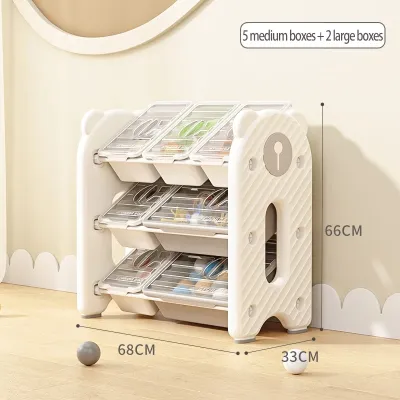
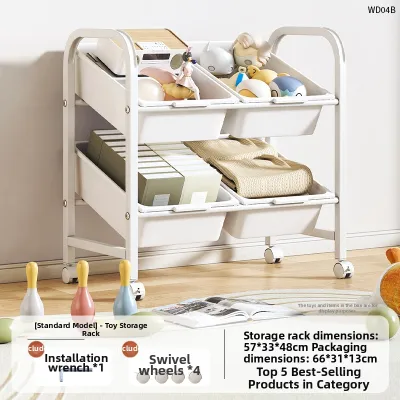
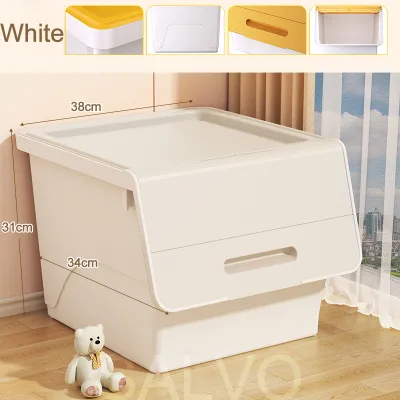
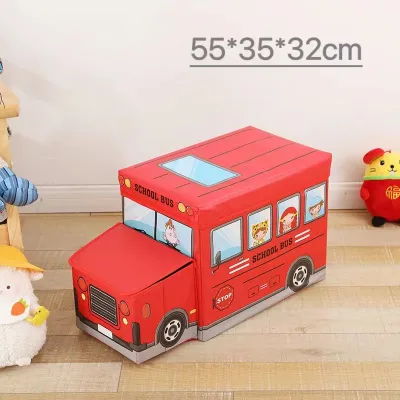
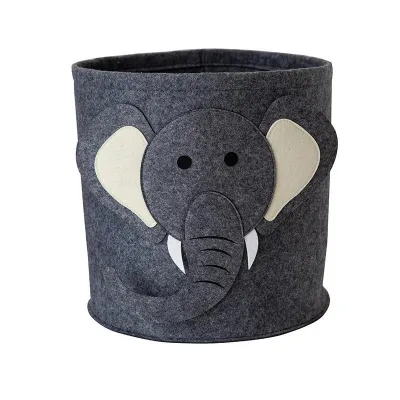
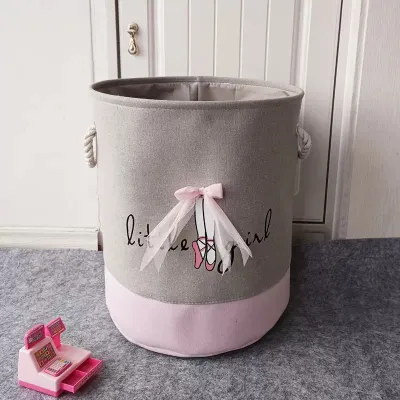
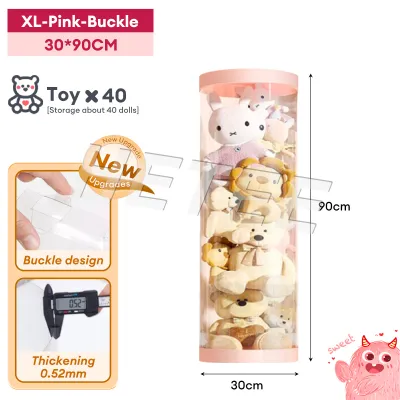
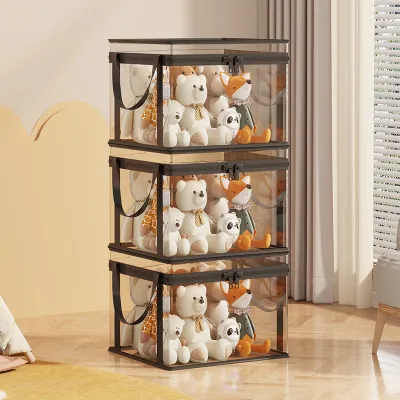
Prices are valid at publication and may change. Please refer to the product page for the latest price.
Next, estimate your current and future toy volume. A newborn’s toys are typically small, such as rattles and soft books, but toddlers quickly transition to larger blocks, activity sets, and ride-on toys. Planning for this growth prevents you from outgrowing your storage system within a few months.
Look for underutilized zones in the room. The space under the crib, the back of the door, or empty corners can often host slim storage solutions. However, always prioritize ventilation and ensure these areas do not trap moisture, which is a common concern in tropical climates.
Space-Efficient Toy Storage Types for Compact Rooms
Maximizing a small nursery requires moving away from bulky, single-purpose toy boxes. Instead, modern storage solutions focus on flexibility, verticality, and dual-purpose designs. By selecting the right category of storage, you can keep the floor clear for your baby’s tummy time and crawling milestones.

Depending on your room’s layout and how often your child plays with specific items, you can mix and match different storage types. The following sections examine the three most effective formats for compact nurseries: vertical wall systems, multi-functional furniture, and modular bins.
Vertical and Wall-Mounted Solutions
Wall-mounted storage is excellent for keeping lightweight toys, books, and decorative items off the floor. Floating shelves, fabric wall pockets, and hanging mesh organizers utilize empty wall space without reducing the room’s footprint. These options are ideal for displaying items you want to keep within your own reach but away from curious hands.
Before installing wall shelves, verify your wall material and structural support. Concrete walls, common in Philippine homes, require appropriate masonry plugs and screws, while drywall requires sturdy anchors or stud placement. Always check the manufacturer’s maximum weight capacity for both the shelf and the mounting hardware.
Positioning is critical for safety. Install heavy shelves and hard storage units well out of your child’s reach to prevent them from pulling items down. Keep the area directly above the crib or changing table clear of heavy hanging objects to eliminate any risk of falling items.
Multi-Functional and Hidden Storage
Multi-functional furniture helps you save valuable floor space by combining storage with daily nursery essentials. Consider items like changing tables with integrated drawers, storage benches, or padded ottomans that open to reveal deep compartments. These pieces keep toys hidden from view, creating a calmer, less cluttered environment.
When choosing enclosed storage units, safety features must be your top priority. Look for toy chests or benches equipped with safety hinges that prevent the lid from slamming shut on small fingers. Ensure any enclosed box has adequate ventilation holes to prevent suffocation risks if a child climbs inside.
Always check the manufacturer’s specified weight limits, especially for benches or ottomans intended for seating. Verify that the materials can support an adult’s weight if you plan to sit on them while comforting your baby.
Modular and Stackable Bins
Modular and stackable bins offer excellent flexibility as your child’s toy collection changes. Lightweight fabric bins, open plastic tubs, and tiered organizer racks allow you to categorize toys and swap them out easily. These systems make cleanup straightforward, even for young toddlers learning to put their toys away.
For toddler-accessible storage, choose lightweight, soft fabric bins or flexible plastic containers without sharp edges. These materials are safer if a bin is pulled down during play. Ensure the bins are placed on lower shelves where your child can reach them easily without climbing.
If you stack storage boxes, verify their interlocking stability. Stacked units must have secure nesting grooves or a wide, stable base to prevent tipping when loaded. Avoid stacking containers too high, and always place the heaviest items in the bottom bins to maintain a low center of gravity.
Key Dimensions and Features to Check Before Buying
To avoid purchasing storage that crowds your nursery, compare the product’s external dimensions against your measured room clearances. Ensure there is enough space to walk comfortably around the unit and that cabinet doors or drawers can open fully without hitting the crib or entry door.
Match the height of the shelves and the depth of the bins to your child’s current developmental stage. For infants and toddlers, lower shelves (under 60 centimeters) and shallow bins make it easier for them to see, reach, and grasp toys safely. Deep bins can make it difficult for young children to find items, leading to frustration and dumped containers.
Material selection is highly important in tropical climates where humidity can cause mold or mildew. Look for easy-to-clean, moisture-resistant materials like sealed wood, durable plastics, or washable fabrics. Verify that all paints, varnishes, and finishes are certified non-toxic and lead-free, as babies frequently mouth surfaces during teething.
Safety and Installation Checks for Baby Rooms
Any tall or top-heavy storage unit, such as bookshelves or tiered drawer systems, must be securely anchored to the wall. Use heavy-duty anti-tip straps or brackets, following the manufacturer’s precise installation instructions. This step is essential to prevent accidents as your baby grows and begins to pull themselves up on furniture.
Regularly inspect all storage furniture for physical hazards. Check for sharp corners, rough wooden splinters, exposed screws, or small detachable parts that could pose a choking hazard. Ensure all drawer slides have safety stops to prevent drawers from being pulled completely out of the frame.
Always adhere to the manufacturer’s stated weight limits and age recommendations for every storage product. Periodically check the manufacturer’s website or local consumer safety databases for any product recalls. If a storage unit shows signs of structural wear, loose joints, or damage, discontinue its use immediately until it can be repaired or replaced.
Organizing and Maintaining the Storage System
An organized nursery starts with categorizing toys by size, type, and frequency of use. Keep daily essentials and favorite toys on lower, easily accessible shelves, while storing seasonal items or toys with small parts on higher shelves. Grouping similar items together in designated bins helps your child understand where things belong.
Implementing a toy rotation system is an excellent way to keep a small nursery clutter-free. Keep only a small selection of toys out for play, and store the rest in a closet or under-bed container. Every few weeks, swap the active toys with the stored ones to renew your child’s interest without needing to buy new items.
Maintain the safety of your storage system by scheduling regular maintenance checks. Inspect wall anchors, shelf brackets, and furniture joints every few months to ensure screws remain tight and secure. Wipe down bins and shelves regularly to prevent dust buildup and keep the nursery environment clean and healthy.
Frequently Asked Questions (FAQ)
How high should wall-mounted shelves be installed in a nursery?
Wall-mounted shelves should be installed at least 120 to 150 centimeters from the floor to keep them completely out of reach of a standing toddler. If you are mounting shelves above a changing table or crib, ensure there is a clear vertical clearance of at least 90 centimeters above the mattress or changing pad. This prevents growing babies from reaching up, pulling on the shelves, or accidentally bumping their heads as they learn to stand.
Are fabric storage bins safe for heavy toys?
Fabric storage bins are generally not recommended for heavy or sharp toys, as they lack the structural rigidity to hold heavy loads without sagging or collapsing. If a fabric bin is overloaded, it can easily tip over, creating a spilling hazard for your child. Save fabric bins for soft plush toys, blankets, and lightweight plastic items, and use sturdy, low-profile wooden or plastic containers for heavier wooden blocks and books.
Community discussion
Share your experience or ask a question. Comments are reviewed before publication.