
Finding enough space for a nursery can be a major challenge when living in a compact city condominium or a cozy townhouse in the Philippines. A space-saving crib for baby that integrates a changing table offers a practical, dual-purpose solution that keeps your nursery organized without crowding your bedroom. By combining sleeping and changing areas into a single footprint, these multi-functional units preserve valuable floor space while keeping all your diapering essentials within arm’s reach.
Deciding on the right setup requires balancing your room’s physical layout with safety standards and the tropical climate. Whether you are co-sleeping in a shared master bedroom or setting up a dedicated small nursery, choosing a compact combination unit can streamline your daily routine. Here is how to measure your space, evaluate different configurations, and select a safe, durable model that fits your home.
Measuring Your Room and Furniture Footprint
Before purchasing a compact crib for baby and changing table combo, you must accurately map out your bedroom’s physical dimensions. Start by measuring the exact floor area where you plan to place the unit. Use a metal measuring tape to record the length and width of the space, and check the ceiling height if you are considering a model with overhead shelving. Crucially, measure the width of your hallways, entryways, and bedroom door frames. Many families in the Philippines face the challenge of assembling flat-pack furniture only to realize the completed piece cannot pass through narrow condo doorways if they ever need to move it.
Products mentioned in this guide
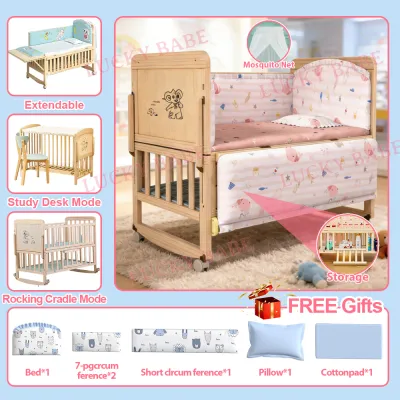
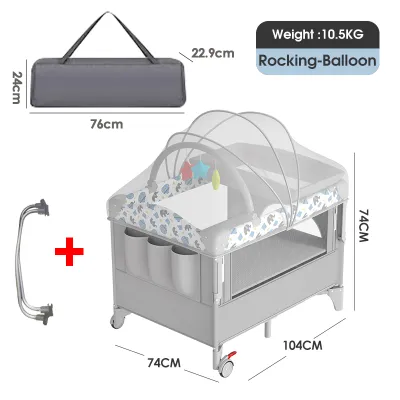
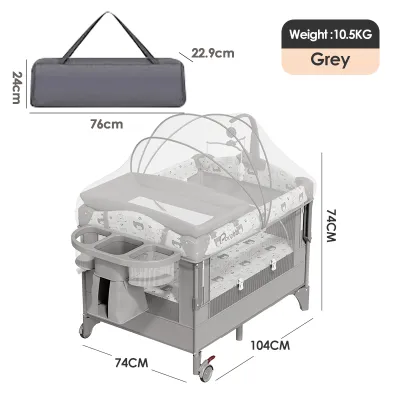
Prices are valid at publication and may change. Please refer to the product page for the latest price.
Next, calculate the clearance space required around the furniture. A safe layout requires at least 60 to 90 centimeters of open floor space in front of the changing table and drawers so you can stand comfortably. You must also account for the door swing paths of nearby closets, the bedroom entry door, and any built-in cabinet drawers. Adequate clearance is not just about convenience; it also ensures proper air circulation around the crib, which is vital for keeping your baby cool and comfortable in warm tropical weather.
To visualize the spatial savings, compare the manufacturer’s stated footprint of a combination unit against the combined measurements of a separate standalone crib and a separate changing table. A combination unit typically saves up to 30% of floor space by sharing structural walls. Finally, remember to measure the clearance needed for the unit’s own moving parts. If the combo features pull-out drawers, sliding shelves, or a drop-side mechanism, ensure these can extend fully without hitting your bed, walls, or other furniture.
Space-Saving Crib for Baby and Changer Configurations
Compact nursery furniture comes in several distinct designs, each offering unique ways to optimize limited square footage. Understanding these configurations helps you choose a style that matches your room layout and long-term parenting plans.

Attached All-in-One Units
Attached all-in-one units feature a changing table permanently or semi-permanently secured to the side or foot of the crib. This design provides a highly stable, unified structure that eliminates the gaps and shifting that can occur with separate pieces of furniture. Because the changing station shares a structural wall with the crib, the overall footprint is significantly smaller than two standalone items. These units often feature built-in open shelving or small drawers directly beneath the changing pad, allowing you to grab diapers, wipes, and onesies without taking your eyes or hands off your baby. However, these models have a fixed orientation, meaning you cannot separate or rearrange the pieces to fit different wall configurations if you move to a new home.
Convertible and Detachable Designs
Convertible and detachable designs offer excellent long-term adaptability for growing families in tight spaces. In these configurations, the changing table is designed to be detached from the crib frame as your child grows. Once your baby outgrows the changing station, the detached unit can be repurposed as a standalone nightstand, a small dresser, or a toy storage chest, while the crib often converts into a toddler bed or daybed. This flexibility allows your bedroom layout to evolve naturally without requiring you to purchase entirely new furniture. When choosing a convertible model, always inspect the connection hardware. The brackets and bolts must be robust and easy to secure, ensuring the unit remains perfectly stable and safe in both its combined and separated states.
Mini Cribs with Integrated Storage
For exceptionally tight spaces, such as a shared master bedroom or a small studio apartment, a mini crib with integrated storage is often the most practical choice. Mini cribs have a smaller footprint than standard models, typically measuring around 60 by 100 centimeters. Many space-saving mini cribs feature built-in under-crib storage drawers or come with a detachable changing pad that sits securely across the top rails of the crib when needed and folds away when it is time for sleep. While these compact units are incredibly efficient, they do have a shorter usable lifespan. You must verify the manufacturer’s weight and height limits, as babies typically outgrow mini cribs much faster than standard-sized alternatives.
What to Look for in Compact Nursery Furniture
Selecting a combination unit requires looking past aesthetics to evaluate safety, durability, and practical utility. Because this furniture serves multiple critical roles, pay close attention to the following factors before making your purchase.
- Safety and Stability: Your primary concern must always be infant safety. Look for sturdy, wobble-free construction and verify that all attachment points between the crib and the changing table are secure. The mattress must fit snugly inside the crib frame; there should be no gaps wider than two fingers between the mattress edge and the crib sides to prevent entrapment risks. Ensure the design complies with current international or local infant safety standards, and check that the changing table features safety straps and protective barrier walls on all sides.
- Material and Climate Suitability: The humid tropical climate of the Philippines can take a toll on wooden furniture. Unfinished or poorly sealed wood can absorb moisture, leading to warping, mold, and mildew. Look for combination units made from solid wood (such as sustainably sourced pine or rubberwood) or high-grade, moisture-resistant engineered wood finished with non-toxic, lead-free paints or protective sealants. Breathable, easily washable fabrics are also highly recommended for any fabric-lined accessories to prevent moisture buildup.
- Weight Limits and Transition Phases: Every combination unit has strict manufacturer-defined weight and height capacities for both the sleep area and the changing platform. Always verify these limits in the product documentation before buying. As a general safety rule, you must stop using the changing table immediately once your baby reaches the weight limit or begins to roll over, sit up, or become highly active during diaper changes, as this increases the risk of falls.
- Storage Efficiency: In a small bedroom, every centimeter of storage counts. Evaluate the depth and accessibility of the built-in drawers, cubbies, or shelves. The storage compartments must be positioned so that you can easily access diapers, clothing, and skin-care products while keeping one hand securely on your baby at all times. Avoid designs that require you to bend down low or turn your back completely to reach essential supplies.
Safe Placement and Layout for Small Bedrooms
How you arrange your compact furniture is just as important as the model you buy. A thoughtful layout prevents accidents, ensures a comfortable sleep environment, and keeps your daily routine running smoothly.
First, position the crib portion of the unit away from windows, direct sunlight, and potential hazards. Keep the crib clear of window blind cords, curtain ties, electrical cords, and wall decorations that a baby could pull down. In the Philippines, where air conditioning units are common in bedrooms, make sure the crib is not positioned directly under or in the direct path of cold AC drafts, which can disrupt your baby’s sleep and affect their temperature regulation.
Next, arrange the changing table side so it is easily accessible without blocking main walkways or room entryways. You need enough space to stand squarely in front of the changing pad. If your bedroom has smooth ceramic tiles or polished hardwood floors, place a low-pile, non-slip rug underneath the combination unit. This provides a comfortable, slip-resistant surface for your feet during late-night diaper changes while keeping the heavy furniture stable.
Because combination units can be top-heavy or asymmetrical—especially those with drawers or changing tables stacked on one side—you must secure the furniture to prevent tipping. As your baby grows, they will eventually learn to pull themselves up using the crib rails or drawer handles. Strongly recommend anchoring the entire unit to the wall using heavy-duty anti-tip safety straps or brackets. First, consult the manufacturer’s instructions for the specific anti-tip hardware provided. For concrete or masonry walls common in Philippine homes, ensure you use the correct wall plugs and masonry drill bits to achieve a secure, permanent hold.
Frequently Asked Questions (FAQ)
Can I use a regular dresser as a changing table in a small room?
Yes, a sturdy, waist-height dresser can double as a changing table if you secure a contoured changing pad to the top surface. The dresser must have a flat, wide surface that accommodates the pad safely, and the pad must be anchored using safety straps or a non-slip backing. To prevent serious tipping accidents, you must anchor the dresser securely to the wall with anti-tip hardware. Ensure that you can open the drawers easily to access diapers and wipes without leaving your baby unattended on top of the dresser.
Are mini cribs safe for newborns?
Mini cribs are entirely safe for newborns, provided they meet current safety standards and are used correctly. You must ensure that the mattress is firm and fits the frame perfectly with no gaps that could pose a suffocation hazard. Always follow the manufacturer’s guidelines regarding assembly, weight limits, and age recommendations. Monitor your baby’s physical development closely, and transition them to a larger bed or toddler bed as soon as they reach the specified height or weight limits, or when they show signs of being able to climb out of the crib.
How do I maintain a combo unit in a humid climate?
To protect your wooden combination unit from the high humidity in the Philippines, keep the bedroom well-ventilated. Use a dehumidifier or run an air conditioner periodically to reduce indoor moisture levels. Wipe down the furniture surfaces regularly with a dry or slightly damp microfiber cloth to prevent dust and mold spores from settling. Avoid using harsh chemical cleaners that could strip the protective non-toxic sealant off the wood; always check the furniture manufacturer’s care instructions before applying any cleaning solutions. Additionally, inspect the hardware every few months; humidity fluctuations can cause wood to expand and contract slightly, which may loosen screws and brackets over time. Tighten any loose fittings immediately to maintain structural stability.
Community discussion
Share your experience or ask a question. Comments are reviewed before publication.