
Finding the right child bed for a compact bedroom in the Philippines requires balancing floor space, safety, and long-term usability. In many local homes, bedrooms must accommodate not only sleeping quarters but also study desks, wardrobes, and play areas, all within a limited footprint. By selecting a space-saving bed design—such as an elevated loft, a pull-out trundle, or a multi-functional storage bed—you can maximize the available square footage while ensuring your child enjoys a comfortable and secure night’s sleep. The key is to match the bed’s physical dimensions and safety features with your room’s layout and your child’s developmental stage.
Assessing Your Room's Usable Space
Before browsing online marketplaces or visiting local furniture showrooms, you must obtain precise measurements of the bedroom. Start by mapping the floor dimensions using a standard measuring tape, noting the exact length and width of the area where the bed will sit. Do not rely on visual estimates, as even a few centimeters of discrepancy can prevent a bed frame from fitting or block essential pathways.
Vertical clearance is equally critical, especially in homes with high ceilings or those utilizing vertical space. Measure the distance from the floor to the ceiling, taking careful note of any low-hanging light fixtures, structural beams, or ceiling fans. If you plan to install an elevated bed, ensure there is enough overhead space for your child to sit up comfortably without risk of bumping their head or coming into contact with a moving fan.
Products mentioned in this guide
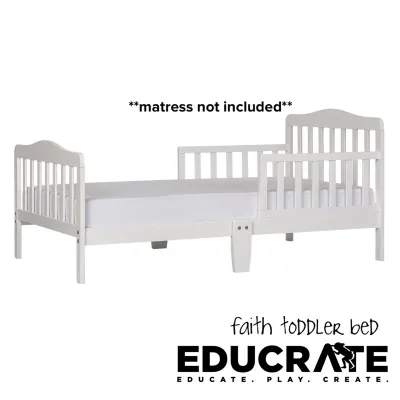
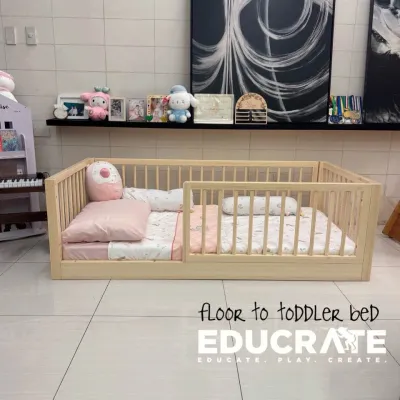
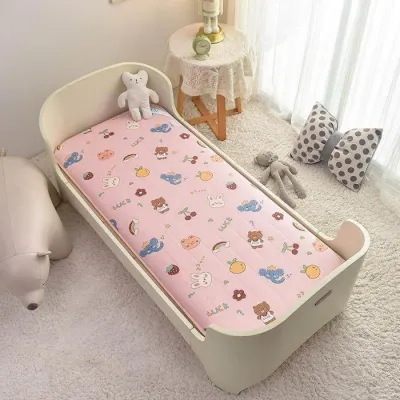
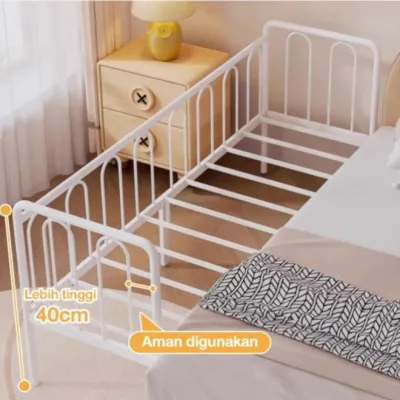
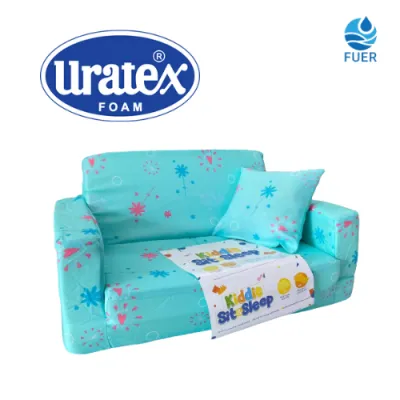
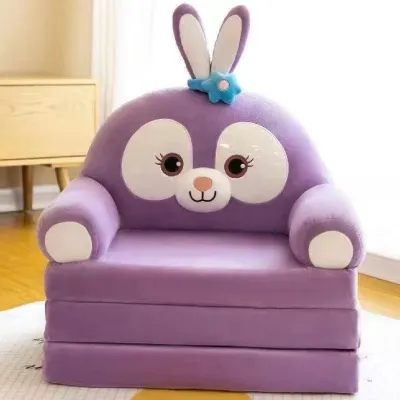

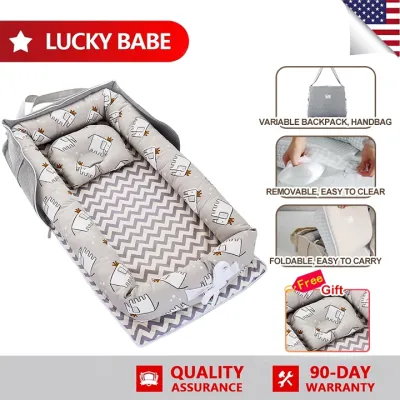
Prices are valid at publication and may change. Please refer to the product page for the latest price.
Next, account for the clearance required by other furniture and architectural features in the room. Drawers, wardrobe doors, and study chairs require dedicated space to open and slide out fully without hitting the bed frame. Map out the complete swing radius of bedroom doors, closet doors, and windows to ensure the new bed does not obstruct entry, exit, or emergency escape routes.
Finally, consider the unique environmental factors of tropical living, such as air circulation and humidity. In the Philippines, positioning a bed too close to a window might expose it to sudden rain showers or intense afternoon heat, while placing it directly under an air-conditioning unit can cause discomfort. Ensure your measurements leave enough room to maintain a balanced layout that promotes natural ventilation and easy cleaning access.
Evaluating Space-Saving Child Bed Types
Loft and bunk beds are excellent solutions for maximizing vertical space, making them highly popular for shared bedrooms or small rooms that need to double as study areas. These designs elevate the sleeping surface, leaving the floor space underneath open for a desk, a play nook, or additional storage. When evaluating these options, verify that your room’s ceiling height allows for safe clearance and check that the top bunk features sturdy, continuous guardrails to prevent accidental falls.

Trundle and pull-out beds offer a practical alternative when vertical height is limited or when you prefer to keep your child closer to the ground. A trundle bed features a secondary bed frame on casters that slides completely underneath the main bed when not in use. This configuration is ideal for siblings sharing a room or for accommodating occasional sleepovers, though you must ensure the floor material allows the lower bed to roll out smoothly without scratching.
Convertible and multi-functional beds with built-in storage drawers or integrated shelving help eliminate the need for separate bulky dressers. These beds utilize the often-wasted space directly beneath the mattress platform, providing easily accessible compartments for clothes, toys, and bed linens. When choosing a storage bed, inspect the durability of the drawer slides and pull-out mechanisms to ensure they can withstand daily use by active children.
Each bed type presents distinct trade-offs in terms of footprint, accessibility, and longevity. While loft beds free up the most floor space, they require older children who can safely navigate ladders. Trundle beds are highly accessible but require clear, unobstructed floor space to extend fully. Storage beds offer excellent organization but have fixed dimensions that cannot be altered as your child’s room layout needs evolve.
Key Safety and Comfort Checks for Compact Beds
When selecting a compact child bed, safety must always take precedence over space efficiency. Always verify the manufacturer’s specified age and weight limits for the specific model you are considering, particularly for elevated or multi-tier designs. Elevated beds, such as lofts and top bunks, are generally not recommended for very young children due to the coordination required to climb up and down safely.
The fit of the mattress within the bed frame is another critical safety factor that caregivers must inspect. Measure the gap between the mattress edges and the inner frame to ensure it complies with standard safety guidelines, preventing any risk of limb entrapment. For elevated beds, the top of the mattress must sit significantly below the upper edge of the guardrails to ensure the barrier remains effective when the child rolls over.
Examine the structural integrity and material quality of the bed frame before finalizing your purchase. Look for solid wood or heavy-duty metal construction with smooth, rounded edges and secure joints that do not wobble when shaken. If the bed features folding mechanisms, hinges, or pull-out parts, verify that these components include safety locks or pinch-point guards to protect small fingers during operation.
Planning the Layout and Installation
Proper placement of the bed within the room is essential for both safety and daily comfort. Position the bed frame away from direct air-conditioning drafts, which can cause temperature fluctuations and discomfort during the night. Additionally, keep the bed clear of window cords, electrical outlets, and wall-mounted electronics to eliminate potential hazards within your child’s reach.
If your chosen design involves a wall-mounted loft bed or an anchored high bed, you must confirm the load-bearing capacity of your bedroom walls. Many homes in the Philippines utilize concrete hollow block walls or lightweight drywall partitions, which require different types of anchors and mounting hardware. Consult a qualified professional or structural installer to ensure the bed is anchored securely to a load-bearing wall structure.
During assembly, follow the manufacturer’s instructions meticulously and perform a thorough hardware check. Tighten all bolts, screws, and brackets completely, and recheck them periodically as regular use can cause hardware to loosen over time. Always apply anti-tip restraints and wall anchors where recommended by the manufacturer to prevent the furniture from tipping over during active play.
Frequently Asked Questions (FAQ)
At what age is it safe to transition a child to a loft or bunk bed?
The transition to an elevated bed depends heavily on the child’s developmental readiness and the specific manufacturer’s guidelines. Most manufacturers recommend that children be at least six years old before using a loft or top bunk bed, as younger children may lack the motor skills and balance required to climb ladders safely. Caregivers should verify that the bed features robust guardrails on all sides and a stable, securely attached ladder before allowing any child to use the elevated sleeping surface.
How do I choose the right mattress thickness for a trundle bed?
To choose the correct mattress for a trundle bed, you must measure the exact clearance height between the bottom of the main bed frame and the trundle drawer platform. The selected mattress must be thin enough to slide under the main bed smoothly without catching or tearing the fabric, while still providing adequate support for your child. Typically, trundle mattresses are thinner than standard mattresses, so look for high-density foam options that offer comfort without excessive height.
Community discussion
Share your experience or ask a question. Comments are reviewed before publication.