
Finding a suitable bottle feeding organizer for a compact Filipino home requires balancing physical space constraints with the high humidity of a tropical climate. In tight kitchens, a well-designed organizer keeps feeding essentials clean, dry, and easily accessible without cluttering valuable meal preparation areas. By prioritizing vertical storage, efficient drainage, and easy-to-clean materials, parents can maintain a hygienic feeding routine even in limited spaces.
Managing baby bottles, weaning cups, and pump parts in a small apartment or shared family kitchen can quickly become overwhelming. Standard dish racks often lack the specialized compartments needed to keep delicate nipples and valves separate from heavy household dishes. Investing in a dedicated organizer helps prevent cross-contamination and ensures that your baby’s feeding gear dries thoroughly and safely.
Assessing Your Space and Feeding Routine
Before purchasing a bottle feeding organizer, measure the exact flat surface area available on your kitchen counter. In many Philippine households, counter space is shared with rice cookers, water dispensers, and food preparation areas. Knowing your physical limits prevents you from buying an organizer that crowds your workspace or blocks access to electrical outlets.
Products mentioned in this guide
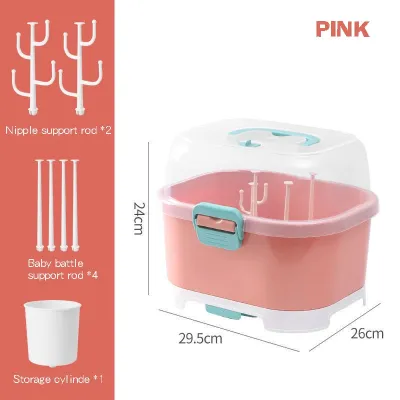
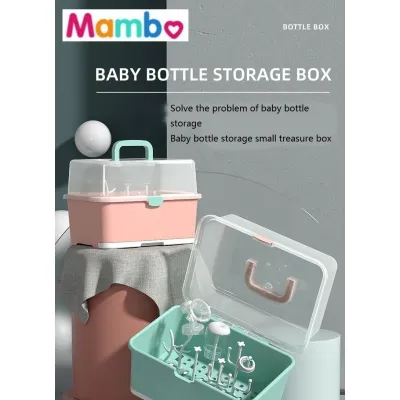
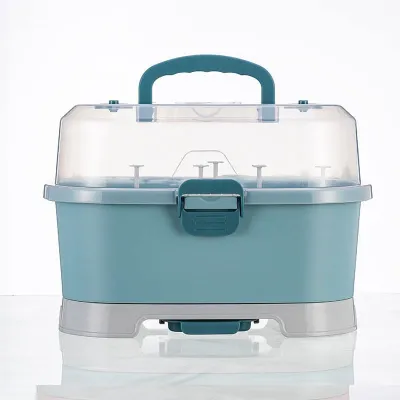
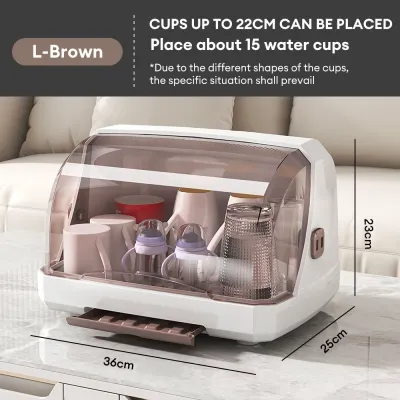

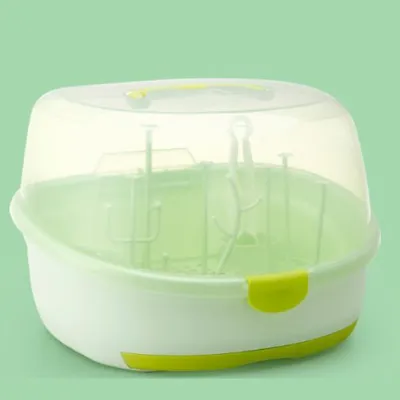
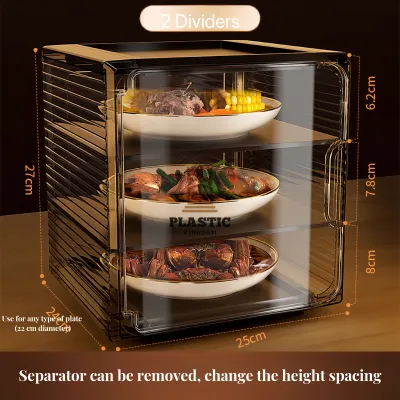
Prices are valid at publication and may change. Please refer to the product page for the latest price.
Do not forget to measure the vertical clearance above your countertop. If your kitchen has low-hanging cabinets or wall-mounted dish organizers, a tall drying tree might not fit underneath. Measure the distance from the counter to the bottom of the cabinets to ensure you can easily place and remove bottles from the top pegs of a vertical rack.
Next, estimate your daily feeding and washing volume. A newborn may require eight to twelve bottles a day, along with breast pump components, while an older infant transitioning to solid foods will need space for weaning cups, bowls, and training utensils. Choose an organizer that can comfortably accommodate your typical daily batch without overcrowding the drying pegs.
Finally, consider the proximity of your storage area to water sources and high-traffic kitchen zones. Placing the organizer too close to the stove exposes clean bottles to grease splatters and cooking odors, while placing it too far from the sink leads to water dripping across the kitchen floor. Find a stable, dry corner that is easy to reach from your washing area but safely out of the way of daily foot traffic.
Types of Space-Saving Bottle Organizers
Space-saving organizers generally fall into three design categories: vertical drying trees, wall-mounted or over-the-sink racks, and foldable or roll-up mats. Each design addresses space constraints differently, trading off permanent footprint, installation effort, and drying efficiency.

Vertical Drying Trees and Towers
Vertical drying trees utilize height rather than width, making them highly suitable for narrow countertops. By stacking bottles and accessories vertically on pegs, these organizers provide a high storage capacity while occupying a minimal physical footprint on your counter.
Because these racks carry weight upward, base stability is a critical safety factor. If you use heavy glass bottles, verify the manufacturer’s specifications regarding weight distribution and base sturdiness. A top-heavy rack can easily tip over if loaded unevenly, potentially breaking glass bottles or scattering clean nipples onto the floor.
Branch spacing is another vital consideration for proper hygiene. Wide-mouth bottles, silicone breast pump flanges, and bulky weaning cups require wider gaps between pegs to dry effectively. If the branches are positioned too close together, the items will overlap, trapping moisture and significantly delaying drying times in humid tropical weather.
Look for vertical models with detachable branches or pegs. Being able to remove the pegs makes it much easier to wash the base tray and sanitize individual parts. Racks with fixed, molded pegs often have tight joints that are difficult to reach with a standard sponge, leading to the gradual buildup of slimy biofilm.
Wall-Mounted and Over-the-Sink Racks
For kitchens with virtually zero available counter space, wall-mounted or over-the-sink racks offer an excellent alternative. Wall-mounted options utilize unused backsplash or wall areas, keeping your countertops completely clear for food preparation.
Before purchasing a wall-mounted model, verify the installation requirements. Rental properties in the Philippines often prohibit drilling into kitchen tiles, making heavy-duty adhesive mounts or tension-rod systems a more practical choice. If using adhesive mounts, ensure they are rated for high-humidity environments so they do not lose grip over time.
Over-the-sink racks sit directly over the sink basin, allowing water to drip straight into the drain. Because these racks are constantly exposed to moisture, look for high-grade, rust-resistant materials such as stainless steel or treated plastics. Check the product specifications to confirm the rack’s weight capacity when fully loaded with wet items.
Ensure the rack’s dimensions do not obstruct your daily sink usage. It should not block faucet movement or make it difficult to wash larger pots and pans. Measure the height of your faucet and the depth of your sink basin before making a decision.
Foldable and Roll-Up Drying Mats
Foldable silicone mats or roll-up stainless steel racks provide maximum flexibility for multi-use spaces. When feeding items are dry, you can simply roll up the mat and store it in a drawer, completely clearing the counter.
However, these mats lack built-in drainage systems. Without a sloped tray or direct sink placement, water can pool underneath the mat, creating a breeding ground for bacteria on your countertop. You must manually wipe down the counter and the underside of the mat after every use.
Check the material quality to ensure the mat will not warp, crack, or degrade when repeatedly folded or stored in tight kitchen drawers. Keep in mind the primary trade-off: flat mats do not hold bottles upright as effectively as pegged racks, which can restrict airflow inside deep bottle interiors and prolong drying times in humid environments.
Key Features for Hygiene and Accessibility
When selecting a bottle feeding organizer, hygiene must be your top priority. Because baby bottles and weaning accessories directly contact your baby’s milk and food, the organizer itself must be made of safe materials. Always verify BPA-free, phthalate-free, and food-grade material claims directly on the product packaging or official manufacturer specifications rather than relying on generic online listings.
Effective drainage is crucial in the warm, humid Philippine climate, where mold and bacteria can multiply rapidly. Look for organizers with smart drainage designs, such as deeply sloped drip trays, built-in pour spouts, or elevated ridges that keep bottle rims raised above collected water. A flat tray that allows water to pool around the base of the bottles defeats the purpose of hygienic drying.
Examine the physical construction of the organizer. Avoid designs with intricate, deep crevices, hollow pegs, or complex joints that are difficult to reach. These areas easily trap stagnant water and milk residue, leading to black mold that is incredibly difficult to clean. Opt for smooth, solid shapes with open designs that allow easy access for a standard cleaning sponge or bottle brush.
Building Your Shortlist and Purchasing Checklist
To find the perfect bottle feeding organizer without wasting money on ill-fitting products, follow a systematic purchasing process. Start by creating a shortlist of three to four models that match your kitchen’s physical constraints. Cross-reference the exact product dimensions provided by the manufacturer with the measurements you took of your countertop, vertical clearance, or wall space.
When browsing online marketplaces or e-commerce platforms, do not rely solely on star ratings or promotional photos. Filter user reviews specifically using search terms like “stability,” “rust,” “mold,” “wobble,” or “cleaning.” Pay close attention to feedback from local buyers who live in high-humidity areas, as their experiences will give you a realistic preview of how the materials hold up over time.
Finally, verify the seller’s return policy and warranty terms before checking out. Ensure you can return or exchange the product if it arrives with missing parts, structural defects, or if the dimensions do not match the advertised specifications. Purchasing from official brand stores or authorized distributors on these platforms reduces the risk of receiving low-quality counterfeits.
Cleaning and Maintenance Routine
A bottle feeding organizer is only as hygienic as its maintenance routine. In the Philippines, tap water can contain minerals that leave white, chalky deposits on plastic and metal surfaces over time. To prevent this buildup and keep mold at bay, establish a daily routine of emptying the drip tray and wiping down the branches or pegs with a clean, dry cloth.
Wash the entire organizer at least once a week using mild, baby-safe dish soap and warm water. Avoid using abrasive scrubbing pads or harsh chemical cleaners, which can scratch the plastic or strip away protective coatings, making the surface more porous and susceptible to bacterial colonization.
Inspect the organizer regularly for early signs of wear. Look closely at the joints, the undersides of trays, and the tips of drying pegs for black spots, pink slime, or discoloration. If you notice the plastic becoming brittle, cracking, showing persistent mold that cannot be washed away, or if metal components begin to rust, stop using the organizer immediately and replace it to protect your baby’s health.
Frequently Asked Questions (FAQ)
Can I use a regular dish rack for baby bottles?
It is highly recommended to use a dedicated bottle feeding organizer rather than a general household dish rack. Standard dish racks are used for adult plates, cutlery, and cookware, which often come into contact with raw meats, oils, and spices. Sharing this space increases the risk of cross-contamination and exposes sensitive baby items to lingering food residues or harsh adult dishwashing liquids. A dedicated organizer ensures your baby’s bottles, nipples, and weaning cups remain in a clean, controlled environment free from kitchen grease.
How do I prevent mold on a bottle drying tree?
To prevent mold on a vertical drying tree, place it in a well-ventilated area away from damp corners or walls. Empty and wash the drip tray daily to prevent standing water. After washing the rack, allow all components to dry completely in a well-ventilated space before reassembling them. If the manufacturer’s instructions explicitly state that the organizer is dishwasher-safe, you can run it through a sanitizing cycle periodically; otherwise, stick to hand-washing with warm, soapy water and air-drying thoroughly.
Community discussion
Share your experience or ask a question. Comments are reviewed before publication.