
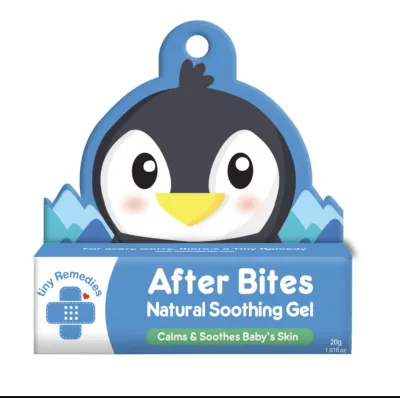
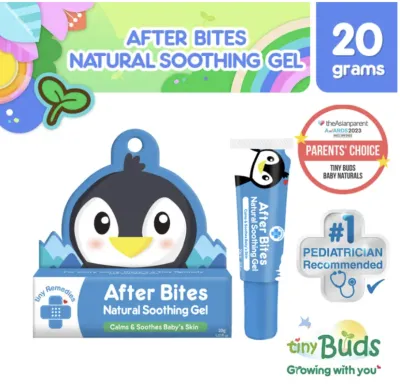
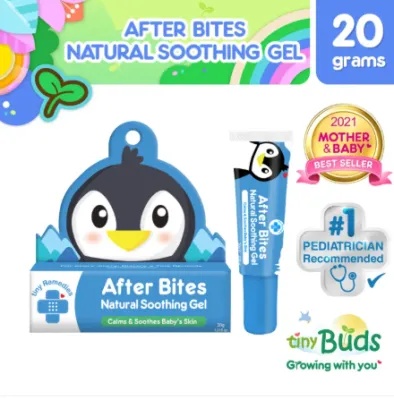
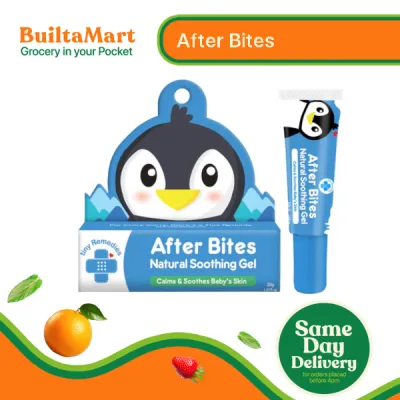
To soothe insect bites safely on an infant, caregivers can use mild, pediatric-approved topical gels or creams formulated with natural soothing agents like aloe vera, chamomile, or colloidal oatmeal. A popular local option in the Philippines is Tiny Buds After Bites, a gentle gel designed specifically for sensitive baby skin. However, ensuring safety requires verifying age suitability, checking ingredient lists for potential irritants, and following proper application techniques to protect your baby’s delicate skin barrier.
Identifying Baby Insect Bites and Medical Red Flags
To effectively manage insect bites, caregivers must first learn to identify the type of bite and monitor how the infant’s skin responds. In tropical environments, the most common culprits are mosquitoes and ants. A typical mosquito bite on an infant presents as a small, raised, pinkish-red bump that appears shortly after contact. Because baby skin is highly reactive, these bumps can sometimes look surprisingly large and feel quite firm to the touch. Ant bites, particularly from common garden ants, often present as small, intense red spots that may develop a tiny, fluid-filled blister or pustule at the center within 24 hours.
While mild localized swelling and redness are normal physiological responses to insect saliva, caregivers must remain vigilant for signs of more severe reactions or secondary infections. An infant’s immune system is still developing, and their natural defense mechanisms are different from those of adults. Red flag symptoms that require immediate attention include swelling that rapidly spreads far beyond the original bite site, the area becoming intensely hot to the touch, or the appearance of red streaks radiating outward from the bump. Additionally, if the baby develops a fever, becomes unusually lethargic, or shows signs of respiratory distress such as wheezing or rapid breathing, these are indicators of a systemic allergic reaction or a severe localized infection.
Products mentioned in this guide
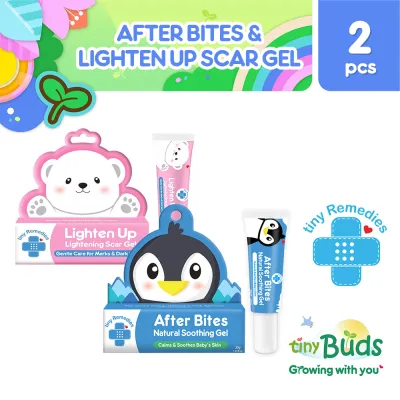
Prices are valid at publication and may change. Please refer to the product page for the latest price.
Another common complication in infants is secondary bacterial infection. Babies cannot control the urge to scratch, and even tiny fingernails can break the delicate skin barrier over a bite. If you notice yellow crusting, oozing pus, or if the redness and swelling continue to worsen after 48 hours instead of improving, stop all home care immediately. Under these conditions, do not apply any more over-the-counter creams. Instead, consult your pediatrician promptly to obtain a proper diagnosis and, if necessary, a prescription for a safe topical or oral treatment.
What to Look for in Baby-Safe Bite Relief Products
Navigating the baby skincare aisle can be overwhelming, but establishing a strict safety checklist will help you filter out unsuitable products. The first and most critical step is to verify the manufacturer’s age and weight guidelines printed on the product packaging. Many soothing creams and gels are formulated specifically for infants, but some may only be safe for babies over six months of age. Never assume that a product is safe for a newborn or young infant simply because it is marketed as natural or organic.

Caregivers must be highly selective about the ingredients that come into contact with infant skin. Avoid products containing high concentrations of DEET, synthetic fragrances, parabens, and artificial colorants. Furthermore, traditional soothing ingredients commonly found in adult anti-itch lotions—such as camphor, menthol, and eucalyptus oil—should be strictly avoided for infants. These substances can be rapidly absorbed through a baby’s thin skin barrier, potentially leading to systemic toxicity or severe skin irritation. Strong essential oils can also trigger contact dermatitis or respiratory sensitivity in young babies.
Instead, look for products formulated with gentle, clinically evaluated soothing agents. Colloidal oatmeal is highly regarded for its ability to calm inflammation and restore the skin’s natural moisture barrier. Aloe vera extract provides a gentle, cooling sensation that relieves itching without the risks associated with menthol. Other beneficial ingredients include calendula extract, chamomile, and olive-derived squalane, which help soothe irritated skin while keeping it hydrated.
Finally, always check for local regulatory approvals and professional endorsements. In the Philippines, look for products that are registered with the Food and Drug Administration (FDA) to ensure they meet local safety and quality standards. Labels indicating that a product is pediatrician-tested, hypoallergenic, or formulated for sensitive skin provide additional assurance that the formulation has undergone rigorous evaluation to minimize the risk of allergic reactions.
How to Evaluate Tiny Buds After Bites and Similar Options
When evaluating popular local options like Tiny Buds After Bites or comparable baby-safe soothing gels, caregivers should take a methodical approach to inspecting the product. Start by reading the ingredient list on the back of the packaging rather than relying solely on front-label marketing claims. Verify that the product is free from petroleum, parabens, and harsh chemicals. A safe formulation will typically feature water or aloe vera juice as the primary base, followed by natural soothing extracts like chamomile or calendula. This ensures that the product delivers targeted relief without leaving a heavy, chemical residue on your baby’s skin.
The physical format of the product also plays a significant role in its usability and safety. Soothing products generally come in gels, creams, or roll-ons, each with distinct characteristics:
- Gels: Gels are highly popular in hot and humid tropical climates because they are lightweight, absorb quickly, and provide an immediate cooling effect without feeling sticky or trapping sweat.
- Creams: Creams offer a richer, more emollient barrier that can help soothe dry, flaky skin around a bite, but they can sometimes feel heavy or greasy in high humidity, potentially clogging pores or causing heat rash.
- Roll-ons: Roll-on applicators offer excellent convenience and mess-free application, allowing you to apply the product directly to the bite without getting it on your fingers. However, you must regularly clean the roll-on tip to prevent bacteria from the baby's skin from contaminating the container.
In addition to the formulation and format, always check the product’s expiration date and storage instructions. Natural and organic baby products often use milder preservative systems, meaning they may have a shorter shelf life once opened. Look for the Period After Opening (PAO) symbol—usually depicted as a tiny open jar icon with a number like 6M or 12M—to know how long the product remains safe to use after unsealing. Store these products in a cool, dry place below 30°C, away from direct sunlight. In tropical regions, storing baby skincare products in a hot diaper bag or near a sunny window can cause the natural ingredients to separate, degrade, or lose their soothing efficacy. When budgeting around ₱150 to ₱400 for a reliable baby soothing gel, prioritizing proper storage will ensure you get the full value and safety out of your purchase.
Step-by-Step Patch Testing and Safe Application
Even when using a highly rated, pediatrician-approved product, you must always perform a patch test before applying it to an active insect bite. An infant’s skin is highly unpredictable, and a patch test is the safest way to rule out localized allergic reactions. To perform a patch test, select a small, clean, and discreet area of the baby’s skin, such as the inner forearm or the side of the thigh. Apply a tiny, pea-sized amount of the gel or cream and rub it in gently. Leave the area undisturbed for 24 hours, monitoring it closely for any signs of redness, swelling, tiny bumps, or itching. If any reaction occurs, wash the area immediately with cool water and discontinue use of the product.
Once a product has successfully passed the patch test, you can proceed with applying it to the insect bite. Begin by thoroughly cleaning the affected area. Wash the bite gently with a mild, fragrance-free baby soap and lukewarm water to remove any residual insect saliva, dirt, or bacteria. Gently pat the skin dry with a clean, soft cotton towel; avoid rubbing, as this can worsen the inflammation and increase the baby’s discomfort.
Apply a very thin layer of the soothing gel or cream directly to the bite bump. Avoid applying large amounts of product, as excess cream can easily be rubbed off onto clothing or bedding. Most importantly, never apply soothing products to your baby’s hands, fingers, or any area close to their eyes and mouth. Infants frequently put their hands and feet into their mouths, and accidental ingestion of topical products—even natural ones—can cause digestive upset or other health complications. Always supervise your baby closely after application until the product is fully absorbed, and store all skincare tubes and bottles securely out of their reach.
Practical Ways to Prevent Future Insect Bites
While having a reliable soothing product on hand is essential, the most effective strategy for protecting your infant is preventing insect bites from occurring in the first place. Physical barriers are the safest and most reliable line of defense for babies, especially those under six months of age whose skin is too sensitive for chemical repellents. When indoors, ensure that all windows and doors are fitted with fine-mesh screens that are free of tears or gaps. For sleep and playtime, drape a breathable, fine-mesh mosquito net over your baby’s crib, bassinet, or playpen, ensuring the net is securely tucked in so insects cannot crawl underneath.
When venturing outdoors, dress your baby in protective clothing. Opt for lightweight, loose-fitting, long-sleeved shirts and long pants made of tightly woven, breathable cotton. This provides a physical shield against insects while keeping your baby cool in warm, humid weather. Light-colored clothing is highly recommended, as dark colors can attract certain biting insects like mosquitoes. If you are using a stroller or infant car seat, equip it with a custom-fit mesh cover to protect your baby during walks or outdoor outings.
Environmental control is another crucial aspect of bite prevention. Regularly inspect your living spaces and immediate surroundings for any sources of standing water, such as uncovered buckets, plant saucers, pet bowls, or clogged drains. Mosquitoes can breed in as little as a tablespoon of water, so draining these areas weekly is vital. Keep your yard clear of tall grass and dense foliage where insects like to rest during the heat of the day.
If you plan to use insect repellents, do so with extreme caution and strictly according to professional guidelines. For infants under two months of age, chemical repellents should not be used at all. For older babies, consult your pediatrician to determine the safest active ingredients (such as low-concentration picaridin or specific botanical alternatives) and application methods. Always apply the repellent to your own hands first, then gently pat it onto the baby’s exposed skin, avoiding their hands, eyes, mouth, and any cut or irritated areas. Wash the repellent off thoroughly with soap and water once you return indoors.
Frequently Asked Questions (FAQ)
Can I use adult anti-itch creams on my baby in an emergency?
No, you should never use adult anti-itch creams on an infant unless specifically directed by a pediatrician. Adult formulations often contain active ingredients like hydrocortisone (a steroid), strong antihistamines, or cooling agents like camphor and menthol in concentrations that are unsafe for babies. Because an infant’s skin is thin and highly permeable, these active chemicals can be absorbed into their bloodstream, posing a risk of systemic side effects or severe localized skin irritation. If your baby is experiencing intense itching and you do not have a baby-safe product on hand, you can provide immediate, safe relief by applying a clean washcloth wrung out with cool water to the bite for five to ten minutes. This helps constrict local blood vessels, reducing swelling and naturally numbing the itch until you can consult a healthcare professional.
How long does a typical insect bite take to heal on a baby?
A typical, uncomplicated insect bite on an infant usually heals within three to seven days. During the first 24 to 48 hours, the bite may appear red, swollen, and itchy as the baby’s immune system reacts to the insect’s saliva. After this initial peak, the swelling should gradually subside, and the red bump will slowly fade into a small, flat mark before disappearing completely. However, the healing timeline can be prolonged if the baby manages to scratch the bite, which can introduce bacteria and lead to a secondary infection. If you notice that the bite is not improving after a week, if the redness spreads, or if the area becomes warm, firm, and starts oozing fluid, consult your pediatrician for a professional evaluation and targeted treatment.

Community discussion
Share your experience or ask a question. Comments are reviewed before publication.