
Quick Answer: Is Snugglies the Best Choice for Sensitive Skin?
No single baby wipe brand, including Snugglies, can be declared the absolute best for every baby with sensitive skin. Because every infant’s skin barrier is unique, what works perfectly for one child might trigger a reaction in another. The ideal choice depends entirely on your baby’s specific skin tolerances, your preference for fragrance-free formulations, and your verification of dermatologist-tested claims on the packaging.
In the tropical climate of the Philippines, where heat and high humidity can already compromise a baby’s delicate skin barrier, choosing the right wipe is crucial. Caregivers must look beyond marketing claims and carefully inspect the ingredient list of any brand they consider. Sweat and friction in skin folds can exacerbate reactions to harsh chemicals, making ingredient vigilance a daily necessity.
Before committing to a large pack of Snugglies or any other brand, it is highly recommended to perform a localized patch test. Apply a single wipe to a small, healthy patch of your baby’s skin, such as the inner arm, and monitor the area for any signs of redness or irritation over 24 hours. This simple step helps prevent widespread discomfort and ensures the product is compatible with your baby’s skin.
Products mentioned in this guide
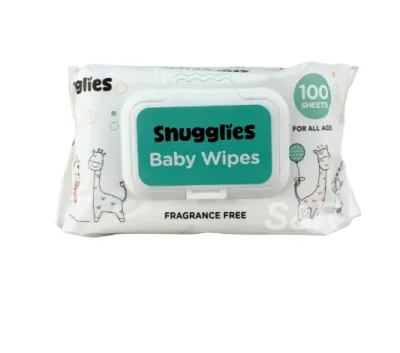
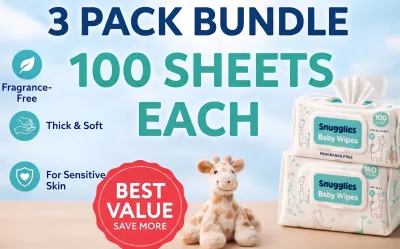
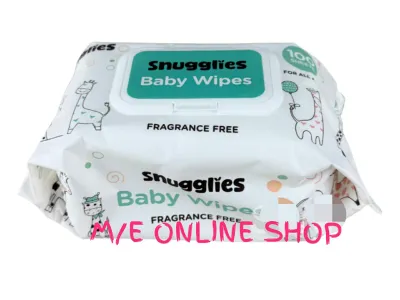
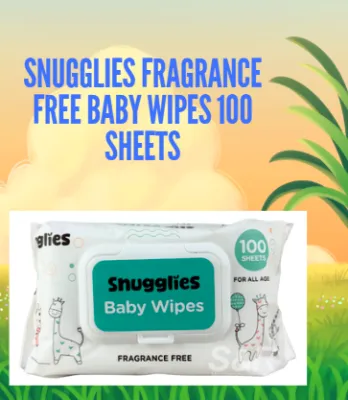
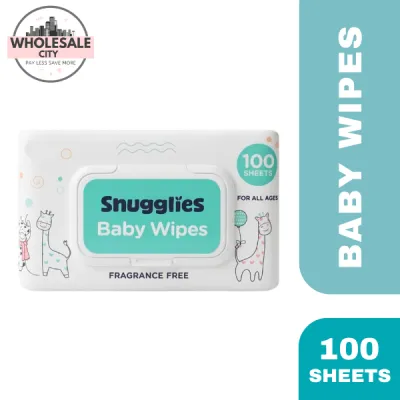
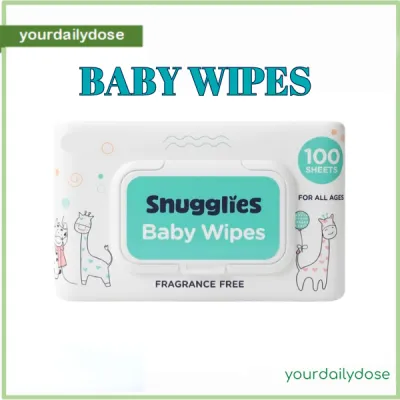
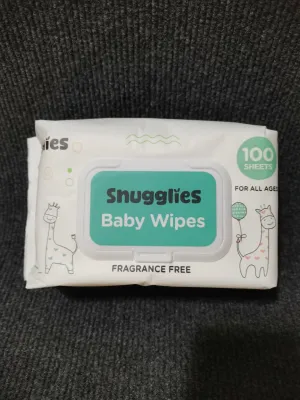
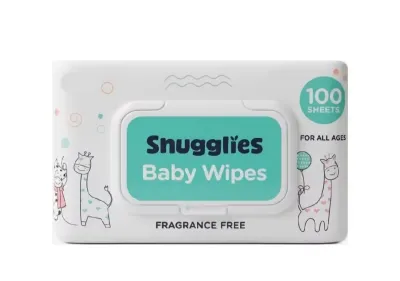
Prices are valid at publication and may change. Please refer to the product page for the latest price.
Key Factors When Choosing Wipes for Sensitive Skin
Ingredient Transparency
The first line of defense for sensitive skin is reading the ingredient label. Parents should actively look for the absence of drying alcohols, parabens, and synthetic fragrances, which are common culprits behind contact dermatitis. In humid environments, fragrance chemicals can mix with sweat and further irritate skin folds, making fragrance-free options highly preferable.

Moisturizing Agents
While some wipes rely on a high percentage of purified water, others incorporate soothing botanical extracts or moisturizing agents like aloe vera, chamomile, or glycerin. Understanding whether your baby’s skin responds better to a minimalist water-only formulation or a lightly moisturizing, lotion-infused wipe is key to preventing dryness and chafing. Some skin types thrive with added moisture, while others require the absolute simplest ingredient list.
Material and Texture
The physical properties of a wipe play a significant role in skin health. A wipe that is too thin or rough can cause friction-induced irritation during cleanups, especially during frequent diaper changes. Look for thick, embossed, or cross-woven fabrics that lift messes efficiently with minimal passes, reducing the physical rubbing required on delicate skin.
Certifications and Testing
Packaging labels often feature claims such as “dermatologist-tested,” “pediatrician-approved,” or “hypoallergenic.” While these terms indicate that the manufacturer has conducted safety evaluations, caregivers should verify these claims by checking the brand’s official documentation or looking for recognized third-party seals on the packaging. Unverified claims should always be approached with caution.
Evaluating Snugglies Baby Wipes for Sensitive Skin
Reviewing the Ingredient List
When evaluating Snugglies wipes, start by turning the package over to inspect the full ingredient list. Look for the presence of soothing agents like aloe vera or vitamin E, and verify that the specific pack does not contain harsh preservatives or artificial dyes. A clean, straightforward ingredient list is generally safer for reactive skin and reduces the likelihood of a flare-up.
Checking for Specific Variants
Snugglies, like many baby brands, may offer multiple product lines. Ensure you are selecting the specific “sensitive,” “ultra-gentle,” or “fragrance-free” variant rather than the scented versions. Scented wipes, even those with pleasant aromas, often contain volatile fragrance compounds that can trigger eczema flare-ups or localized redness in sensitive areas.
Observing Physical Texture and Moisture
Before using a new pack of Snugglies on your baby, pull out a single wipe to assess its physical quality. Feel the thickness and stretch the material to see if it tears easily. A high-quality wipe should hold sufficient moisture to clean effectively without leaving the skin dripping wet, which can trap moisture in diaper folds and lead to fungal rashes in warm climates.
Noting Manufacturer Warnings
Always read the fine print on the Snugglies packaging. Look for age recommendations, specific usage instructions (such as avoiding the eye area), and storage guidelines. Proper storage is essential in tropical climates to prevent the wipes from drying out or harboring microbial growth once the seal is opened.
How Snugglies Compares to Other Popular Brands
Ingredient Formulations
When comparing Snugglies to other popular baby wipe brands in the Philippines, the primary differentiator is often the formulation base. Some competing brands offer 99% water-based wipes, which minimize chemical exposure, while others use lotion-infused formulas designed to leave a protective barrier on the skin. Caregivers must decide whether their baby’s skin thrives on a simple water cleanse or requires the added barrier protection of a lotion-infused wipe.
Packaging and Dispensing
The design of the wipe dispenser is a critical factor that is often overlooked. In hot and humid conditions, wipes can dry out rapidly if the packaging does not seal tightly. Compare the plastic flip-top lids of Snugglies with those of other brands; a sturdy, click-to-close lid is superior to a simple adhesive sticker, as it maintains moisture levels and prevents contamination.
Price per Wipe
To make an economical choice without sacrificing quality, calculate the cost-effectiveness of each brand. Do not just compare the overall price of the pack; instead, divide the retail price in ₱ by the total number of wipes in the package. For example, if a pack of Snugglies costs ₱120 and contains 80 wipes, the cost per wipe is ₱1.50. Compare this metric across different brands to find the best value for your budget.
Availability
A wipe brand is only useful if you can purchase it consistently. Evaluate how easily you can source Snugglies compared to other brands. Check for stock consistency on major online marketplaces, official brand stores, and local physical supermarkets. Relying on a brand that is frequently out of stock may force you to switch abruptly, which can irritate a baby’s sensitive skin.
Decision Framework: Which Wipes Should You Choose?
- Choose Snugglies if: Your baby's skin has shown no adverse reactions to its specific ingredient profile during a patch test. Additionally, Snugglies is a suitable choice if you prefer its specific texture and thickness, and if the cost per wipe fits comfortably within your monthly household budget.
- Choose an alternative brand if: Your baby has extremely reactive skin that requires a strictly water-only formulation with zero additives. An alternative is also preferable if you require a specific medical-grade certification not present on Snugglies packaging, or if your baby's skin responds better to a different fabric texture.
- Verify first if: Your baby has a diagnosed skin condition such as eczema, psoriasis, or severe diaper dermatitis. Do not switch brands or introduce new wipes without consulting your pediatrician or a pediatric dermatologist first.
- Stop use immediately if: You observe any redness, swelling, rash, or signs of discomfort during or after use, regardless of the brand you choose or its sensitive skin claims. Clean the area with plain water and a soft cloth until the skin heals.
Frequently Asked Questions (FAQ)
Can I use baby wipes on a newborn's face and hands?
Before using any baby wipe, including Snugglies, on your newborn’s face or hands, you must check the manufacturer’s label to ensure it is explicitly formulated and approved for facial use. The skin on a baby’s face is significantly thinner and more sensitive than the skin on their diaper area. If the packaging does not clearly state that the wipes are safe for the face and hands, avoid using them in these areas. For newborns, using a soft cotton pad moistened with plain, lukewarm water is the safest method for cleaning the face and hands to prevent accidental ingestion of ingredients or eye irritation.
What should I do if my baby develops a rash after using a new wipe?
If your baby develops a rash after you introduce a new brand of wipes, the first step is to stop using that specific product immediately. Gently cleanse the irritated area using only plain water and a soft, clean cloth, then pat the skin dry without rubbing, as friction will worsen the inflammation. Allow the skin to air-dry completely before putting on a fresh diaper, and consider applying a thin layer of a fragrance-free barrier cream if recommended by your doctor. If the rash does not improve within a few days, worsens, or is accompanied by fever, blisters, or oozing, consult a pediatrician or pediatric dermatologist promptly for a proper diagnosis and treatment plan.
Community discussion
Share your experience or ask a question. Comments are reviewed before publication.