
Finding the ideal sleeping arrangement for your little one can be a challenge when floor space is limited. In highly populated urban areas across the Philippines, such as Metro Manila, Cebu, and Davao, many families live in cozy condominiums, studio apartments, or shared multi-generational homes. A standard-sized crib can quickly overwhelm these compact living spaces, leaving little room for daily movement or other essential nursery furniture.
Opting for a small crib for baby is a highly practical solution that balances comfort, safety, and spatial efficiency. A typical small or mini crib occupies significantly less floor space than a traditional model, making it much easier to integrate into a master bedroom or a tight nursery corner. By understanding the specific dimensions, layout requirements, and safety standards of these compact sleep systems, you can create a comfortable, functional, and organized environment for your baby without compromising on safety.
Understanding Standard vs. Small Crib Dimensions
To make an informed decision for your home, it is essential to understand how standard cribs compare to smaller alternatives. A standard crib typically measures around 28 inches wide by 52 inches long (approximately 71 cm by 132 cm) on the inside. When you factor in the thickness of the wooden frame, headboard, and decorative elements, the overall footprint can easily exceed 30 inches by 54 inches. This size can dominate a small bedroom, leaving narrow pathways that make nighttime caregiving awkward and uncomfortable.
Products mentioned in this guide
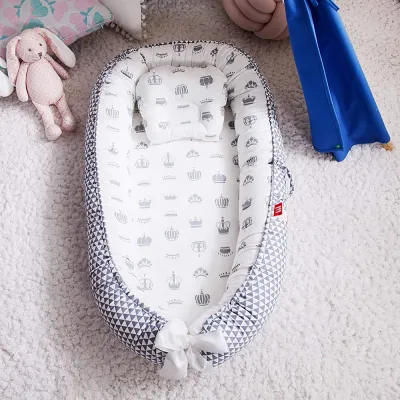

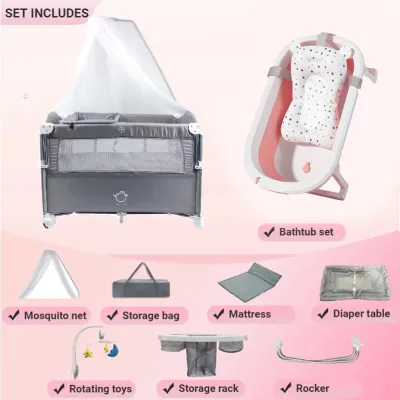
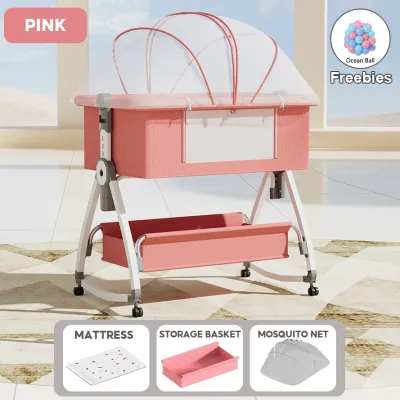
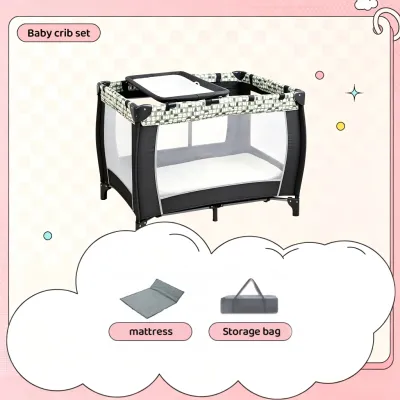

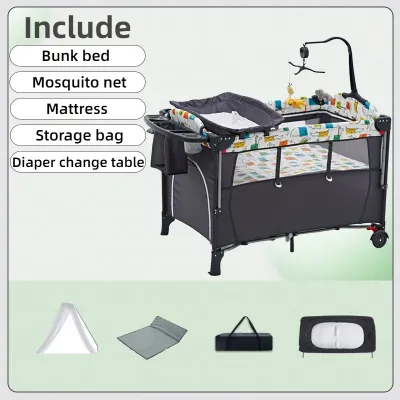
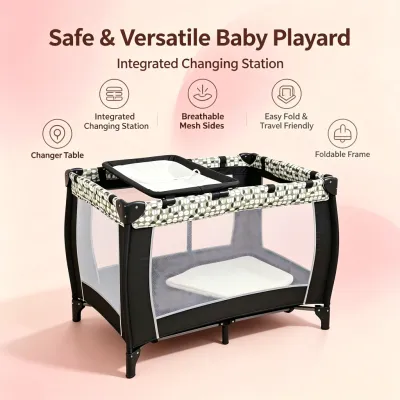
Prices are valid at publication and may change. Please refer to the product page for the latest price.
In contrast, a small crib—often referred to as a mini crib—generally features interior dimensions of approximately 24 inches wide by 38 inches long (around 61 cm by 97 cm). By reducing both the width and the length, a small crib saves nearly 40 percent of the floor space required by a standard model. This reduction in square footage allows the crib to fit neatly into tight alcoves, walk-in closets converted into nursery spaces, or directly alongside a parent’s bed for easier nighttime feeding.
While these standard and small dimensions serve as general industry benchmarks, actual measurements can vary significantly depending on the manufacturer and the design. Some models feature built-in storage drawers, integrated changing tables, or thick decorative wooden panels that increase the exterior footprint. Before purchasing any model, always check the manufacturer’s detailed product specifications for the exact exterior dimensions rather than relying solely on generic size labels.
How to Measure Your Compact Bedroom for a Crib
Proper spatial planning is key to ensuring your baby’s crib fits safely and functionally within your available layout. Before browsing online marketplaces or visiting local baby boutiques, use a metal measuring tape to map out the exact dimensions of your bedroom floor. Do not rely on visual estimates, as furniture often appears smaller in large retail showrooms than it does in a compact home.

When measuring the designated area, you must account for the clearance required by surrounding architectural features and furniture. Measure the swing path of the bedroom entry door, wardrobe doors, and dresser drawers to ensure they can open fully without striking the crib frame. Additionally, plan for a clear walking pathway of at least 2 to 3 feet around the crib so you can easily navigate the room in low light during middle-of-the-night check-ins.
In the tropical climate of the Philippines, positioning the crib requires careful consideration of local environmental factors to maintain a comfortable sleep environment. Establish a “safe zone” by keeping the crib away from windows, where direct sunlight can cause rapid overheating and outdoor noise can disrupt naps. Ensure the crib is positioned away from direct air-conditioning drafts, which can cause sudden temperature drops and discomfort for your baby. Furthermore, keep the crib completely out of reach of electrical outlets, light switches, wall art, and window blind cords to eliminate potential safety hazards.
Finally, consider your own physical comfort and ergonomics when planning the layout. You will be bending over, lifting, and lowering your baby multiple times a day. Ensure there is adequate standing room right next to the crib so you can maintain proper posture and leverage while handling your baby, preventing unnecessary strain on your back and shoulders.
Best Small Crib Types for Tight Spaces
Several types of small cribs are designed specifically to maximize utility in limited spaces. Depending on your lifestyle, housing situation, and long-term plans, one of these categories may suit your family better than the others.
Mini Cribs
Mini cribs are dedicated small-footprint sleep systems built with sturdy wood, metal, or composite frames. They offer the permanent, high-quality feel of a standard wooden crib but are scaled down to fit comfortably in shared master bedrooms or dedicated nursery corners. Because of their rigid construction, they provide excellent structural stability and a highly supportive sleep surface.
When choosing a mini crib, verify the manufacturer’s stated weight and height limits, as well as the specific mattress requirements. Most mini cribs require a specialized mini crib mattress that is thinner and smaller than a standard mattress. These models are ideal for families who want a dedicated, long-term sleeping space that remains in a fixed position within the home.
Convertible or Foldable Cribs
Convertible and foldable cribs offer exceptional versatility for dynamic households. Foldable models feature specialized hinges that allow the entire frame to fold flat for easy storage in a closet or behind a door when the crib is not in use. Many of these space-saving designs also feature lockable caster wheels, allowing you to roll the crib easily from the living room to the bedroom as your daily routine demands.
Convertible mini cribs are designed to grow alongside your child, transforming from a mini crib into a toddler daybed or even a twin bed with the purchase of a separate conversion kit. This adaptability makes them an excellent investment for small homes, as they extend the usability of the furniture over several years and eliminate the need to purchase entirely new bed frames as your child develops.
Pack 'n Plays and Travel Cribs
For families dealing with extremely tight spaces or those who travel frequently, playards and travel cribs serve as highly flexible alternatives. These systems typically consist of a lightweight metal or plastic frame covered in breathable mesh fabric. They can be set up in minutes and folded down into a compact carrying bag, making them easy to store away during the day to reclaim valuable floor space.
While playards are highly convenient and portable, they are generally designed for temporary or multi-purpose use rather than permanent night sleep. The included mattress pads are typically thinner and less rigid than dedicated wooden crib mattresses. If you plan to use a playard as your baby’s primary sleep space, verify that the manufacturer explicitly rates the specific model for unsupervised overnight sleep, and avoid adding aftermarket mattresses that are not certified for that specific frame.
Safety and Comfort Rules for Small Cribs
Downsizing your baby’s sleeping space should never mean compromising on safety. Whether you choose a wooden mini crib or a portable playard, adhering to strict safety standards is essential to protect your baby from sleep-related hazards.
Mattress Fit
The mattress used in a small crib must fit exceptionally snug within the frame to prevent dangerous gaps. You can verify this by performing the “two-finger test” along all four sides of the mattress. If you can insert more than two fingers between the edge of the mattress and the inner crib frame, the gap is too large. This space poses a serious risk of entrapment or suffocation. Always use the exact mattress dimensions recommended by the crib manufacturer, and avoid stacking multiple mattresses or adding soft blankets to fill gaps.
Slat Spacing
For wooden or metal cribs, the spacing between the individual slats is a critical safety factor. To prevent a baby’s head or limbs from becoming trapped, the distance between slats should be no more than 2 3/8 inches (approximately 6 centimeters). Before assembling or using any crib, measure the gaps between the slats to ensure they meet this safety standard, particularly if you are using a secondhand or imported model.
Weight and Height Limits
Small cribs naturally have lower physical limits than standard-sized models. Carefully review the manufacturer’s user manual to identify the maximum weight and height restrictions for your specific crib. Because babies grow at different rates, monitor your child’s physical development milestones closely. Once your baby can sit up, crawl, or pull themselves up to a standing position, you must adjust the mattress support platform to its lowest setting. If your child approaches the maximum height limit or shows signs of attempting to climb out, stop using the crib immediately and transition them to a toddler bed or a safe floor mattress setup.
Common Space-Planning Mistakes to Avoid
When arranging a compact bedroom, it is easy to make layout decisions that seem convenient but create daily challenges or safety risks. Recognizing these common pitfalls can help you design a more functional and stress-free space.
One frequent mistake is failing to allocate accessible space for changing supplies, diaper storage, and feeding essentials. If the room is so crowded that you cannot easily reach diapers, wipes, or fresh clothes during a nighttime change, caregiving becomes unnecessarily stressful. To avoid this, utilize vertical wall space with secure shelving, or choose multi-functional furniture such as a low dresser with a secure changing pad attached to the top.
Another common error is placing the crib directly beneath heavy wall fixtures, ceiling fans, or air-conditioning units. In addition to the risk of falling objects, high-velocity airflow from fans or AC units can cause rapid cooling and sleep disruption. Ensure the crib is positioned in a well-ventilated area of the room where air circulates naturally without blowing directly onto your baby.
Finally, avoid overcrowding the room with non-essential furniture, large toy boxes, or bulky decorative items. In the warm and humid climate of the Philippines, maintaining good indoor air circulation is vital for your baby’s comfort and health. Keeping the room layout minimal and uncluttered ensures that fresh air can move freely throughout the space, helping to regulate the room’s temperature and humidity levels naturally.
Frequently Asked Questions (FAQ)
How long can a baby safely sleep in a mini crib?
Most babies can comfortably and safely sleep in a mini crib until they are approximately 12 to 24 months old. However, this timeline varies widely depending on your baby’s individual growth rate and physical milestones. You should transition your baby to a larger sleep setup as soon as they reach the manufacturer’s specified weight or height limit, or when they learn to sit up, crawl, or pull themselves up to stand, as these developmental milestones increase the risk of accidental falls.
Can I use a standard mattress in a small crib?
No, you must never attempt to use a standard-sized crib mattress in a small or mini crib. Standard mattresses are significantly larger than the interior frame of a small crib and will not fit. Forcing a mattress that is too large into a small frame can warp the crib structure, while attempting to cut or modify a mattress can compromise its safety and support. Always purchase and use the exact mattress size and model specified by your crib’s manufacturer to ensure a perfectly snug and safe fit.
Community discussion
Share your experience or ask a question. Comments are reviewed before publication.