
Finding the right baby wipe for sensitive skin in the Philippines requires balancing effective cleaning with gentle formulation, especially during long nighttime stretches. While Slumber Night baby wipes are designed to handle overnight diaper changes, their suitability for your baby’s sensitive skin depends on a direct comparison of ingredient lists, physical textures, and moisture retention. Because tropical heat and high humidity can exacerbate diaper rash and skin irritation, parents must look beyond marketing claims and evaluate how these wipes stack up against other leading brands on the market. By systematically checking packaging labels and observing how your baby’s skin reacts, you can confidently choose a wipe that prevents irritation while keeping your little one clean and comfortable until morning.
Key Ingredients and Label Checks for Sensitive Skin
To protect a baby’s delicate skin barrier, the first line of defense is understanding what goes into a wipe’s formulation. Many commercial wipes contain chemical preservatives, surfactants, and aromatic compounds that can trigger contact dermatitis, particularly in infants prone to eczema or heat rash. When evaluating any brand, including Slumber Night, the ingredient list on the back of the pack is your most reliable guide.
Parents should actively screen for known irritants that frequently cause adverse skin reactions. Ethyl alcohol or isopropyl alcohol should be avoided entirely, as they strip natural oils and dry out the skin. Parabens, used as preservatives, and synthetic fragrances are also common culprits behind redness and itching. Even if a package features appealing illustrations, the absence of these harsh chemicals must be verified in the actual ingredient list.
Products mentioned in this guide

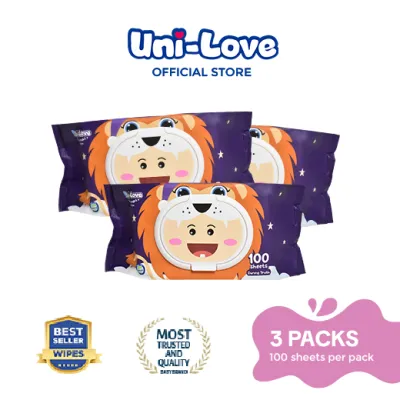
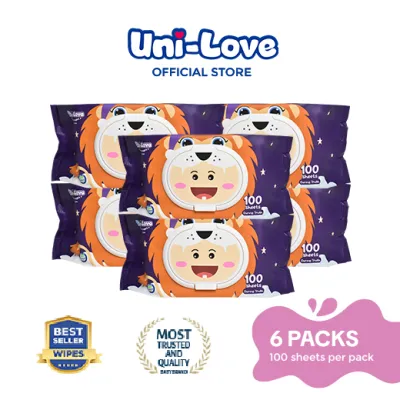

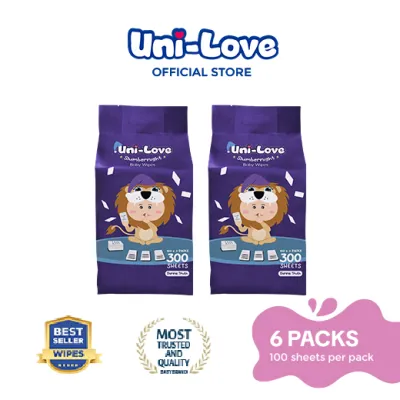
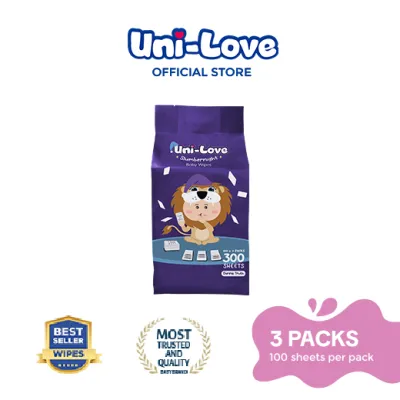
Prices are valid at publication and may change. Please refer to the product page for the latest price.
In contrast, look for formulations that incorporate soothing, plant-derived ingredients designed to calm irritated skin. Ingredients such as aloe vera extract, chamomile, and calendula are frequently added to high-quality sensitive wipes to provide a protective, hydrating layer. These botanical additions can help soothe skin that has been exposed to wetness over several hours during the night.
It is also crucial to distinguish between “fragrance-free” and “unscented” claims on packaging. A “fragrance-free” label generally means that no fragrance chemicals or masking scents have been added to the product. On the other hand, “unscented” products may still contain chemical agents designed to neutralize the natural smell of the raw ingredients, which can sometimes trigger reactions in highly sensitive babies. For the most sensitive skin, fragrance-free options are typically the safer choice.
Finally, look for indications that the formulation is pH-balanced. A baby’s skin naturally has a slightly acidic pH, which helps maintain the skin barrier and protect against harmful bacteria. Wipes that are formulated to match this natural pH help preserve this protective shield. While labels indicating “dermatologically tested” or “hypoallergenic” provide some reassurance, they are voluntary marketing terms, making it essential to verify the actual ingredient list yourself.
How to Compare Slumber Night Wipes Against Other Brands
Comparing Slumber Night baby wipes with other popular brands in the Philippines involves a structured, side-by-side inspection of their packaging. Start by placing the packs next to each other and locating the ingredient panel, which is usually printed in small text on the back or side. Ingredients are listed in descending order of concentration, meaning the first few items make up the vast majority of the wipe’s liquid formula.

When comparing Slumber Night to other sensitive-skin brands, examine the primary base liquid. Most sensitive wipes consist of over 99% purified or water-processed bases, with the remaining fraction dedicated to mild preservatives and skin conditioners. If a competitor brand lists water as the sole primary ingredient alongside a minimal preservative system, it may offer a lower risk of irritation compared to formulas with longer lists of synthetic emulsifiers.
Next, evaluate the specific sensitive-skin claims and certifications printed on the packaging. Some brands seek third-party certifications from recognized dermatological associations or pediatric groups. While these seals indicate that the product has undergone external review, you should verify whether the certification is current and what specific criteria were tested. Do not rely solely on a “pediatrician-recommended” stamp without checking if the formula contains any ingredients your baby has previously reacted to.
Preservatives are necessary in all wet wipes to prevent the growth of harmful mold and bacteria, especially in the warm, humid climate of the Philippines. However, the type of preservative matters. Look for modern, gentle food-grade preservatives rather than older, harsher chemicals like methylisothiazolinone (MIT) or formaldehyde-releasing agents. Comparing how different brands preserve their wipes will help you identify which ones prioritize skin safety.
Lastly, always check the packaging for clear manufacturing dates, expiration dates, and batch codes. Wipes that have sat on store shelves or in warehouses for too long can dry out, and the preservative system may degrade over time, increasing the risk of bacterial contamination. Ensuring you purchase fresh packs with visible batch tracking is a simple but vital step in protecting your baby’s skin health.
Assessing Texture and Moisture for Nighttime Diaper Changes
The physical characteristics of a baby wipe are just as important as its chemical formulation, especially during nighttime changes when messes can be heavier and more challenging to clean. A wipe that is too thin or lacks structural integrity can tear during use, leading to messy cleanups and requiring you to use multiple sheets, which increases friction on your baby’s skin.
When comparing Slumber Night to other options, feel the thickness and weight of the individual sheets. Thicker, heavyweight wipes generally provide a better barrier between your hand and the mess, allowing for a more controlled and gentle wipe. Additionally, consider the surface texture: some wipes are completely smooth, while others feature embossed patterns, dots, or cross-woven fibers. Textured surfaces are often more efficient at lifting and trapping solid waste in fewer passes, minimizing the repetitive rubbing that can cause chafing.
Moisture level is another critical factor to assess. A wipe must be wet enough to dissolve and lift dried-on residue easily, but it should not leave a soaking-wet film on the skin. In the tropical Philippine climate, excess moisture left in skin folds can trap humidity and lead to fungal infections or heat rash. The ideal wipe leaves the skin clean and slightly damp, drying quickly within seconds of use.
The packaging design plays a major role in maintaining this moisture balance over time. Look for packs equipped with a sturdy, rigid plastic flip-top lid rather than a simple adhesive sticker seal. Plastic lids seal out air more effectively, preventing the wipes from drying out in warm household environments. They also allow for easier, one-handed dispensing when you are managing a wriggling baby in the middle of the night.
Finally, observe how the wipes dispense from the pack. High-quality brands are designed to pull out one sheet at a time, cleanly separating from the next. Wipes that clump together and pull out in long chains lead to product waste and frustration, while also increasing the risk of contaminating the remaining wipes in the pack with dirty hands.
Which Wipes Should You Choose for Your Baby?
Selecting between Slumber Night and alternative baby wipe brands ultimately depends on a careful matching of product specifications with your baby’s unique skin sensitivities and your practical preferences. There is no single brand that works perfectly for every infant, as skin chemistry varies from child to child.
You may find that Slumber Night is the right choice if its verified ingredient list is free from your baby’s known triggers, and if its sheet thickness and moisture levels effectively manage overnight cleanups without causing friction. If you prefer a highly durable wipe that holds up well during heavy nighttime use and features a reliable plastic closure to combat tropical humidity, this brand may fit well into your routine.
Conversely, you should consider alternative brands if your baby’s skin shows sensitivity to any ingredient in the Slumber Night formula, or if you require a different physical profile. For instance, if your baby has extremely reactive skin, you might need to opt for ultra-minimalist wipes that contain 99.9% pure water and a single fruit extract. Alternatively, if you find the texture of Slumber Night too smooth or too textured for your liking, exploring other brands with different embossing patterns can help you find a more comfortable option.
Before fully committing to any new brand of wipes, always perform a simple patch test. Gently wipe a small, discreet area of your baby’s skin, such as the inner forearm or thigh, with the new wipe and wait 24 hours. Monitor the area closely for any signs of redness, swelling, or tiny bumps. If the skin remains clear, you can gradually introduce the wipes into your daily diapering routine.
If you observe any signs of skin irritation, redness, dryness, or discomfort during or after using a wipe, stop using the product immediately. Clean the affected area gently with lukewarm water and a soft cloth, allowing it to air dry completely. If the irritation persists, spreads, or causes your baby distress, consult a qualified pediatrician for professional guidance and treatment options.
Frequently Asked Questions (FAQ)
Can I use nighttime baby wipes for everyday daytime changes?
Yes, baby wipes marketed for nighttime use can generally be used at any time of the day. These products are formulated to clean and protect the skin, and their ingredients are typically safe for daytime diaper changes, face cleanups, or wiping hands. Always check the manufacturer’s label for any specific usage restrictions or age recommendations to ensure they align with your baby’s needs.
How should I store baby wipes to prevent them from drying out?
To keep baby wipes moist and effective, always ensure the plastic lid or adhesive seal is pressed down firmly and closed completely after every use. Store the packs in a cool, dry place inside your home, away from direct sunlight, windows, or heat sources like appliances. In hot and humid climates, keeping spare packs in a drawer or closet helps preserve their moisture content and prevents the packaging materials from degrading.
What should I do if my baby reacts to a new brand of wipes?
If your baby develops a rash, redness, or irritation after using a new brand of wipes, stop using them immediately. Clean the diaper area gently using plain, lukewarm water and a soft cotton cloth instead of wipes, and let the skin air dry completely before putting on a fresh diaper. Apply a thin layer of a gentle, pediatrician-approved barrier cream, and consult a healthcare professional if the redness does not improve within a few days or if it appears to cause your baby pain.

Community discussion
Share your experience or ask a question. Comments are reviewed before publication.