
Securing sliding windows in a home with young children requires a specialized approach that goes beyond standard home security. In the Philippines, where sliding windows are common fixtures to allow natural ventilation during warm, humid days, standard window latches are often easily bypassed by curious toddlers. To baby-proof these windows effectively, parents must look for dedicated sliding window latch locks that restrict the opening distance to a safe gap while resisting the physical force and problem-solving skills of a growing child.
The ideal solution depends on your specific window frame material, whether you rent or own your home, and how the lock handles the local tropical climate. By evaluating tamper resistance, track compatibility, and material durability, you can establish a reliable home safety setup that keeps your child secure while maintaining comfortable airflow.
Why Standard Window Locks Fall Short for Toddler Safety
Standard factory-installed window locks are designed primarily for basic security and weather sealing, not child safety. As infants transition into toddlers, they rapidly develop fine motor skills, including the pincer grasp and improved hand-eye coordination. This developmental milestone allows them to observe adults and quickly learn how to flip simple crescent locks or slide basic latches open. What once seemed like an inaccessible barrier can become an easy puzzle for a curious toddler who has learned to use their body weight for leverage.
Products mentioned in this guide
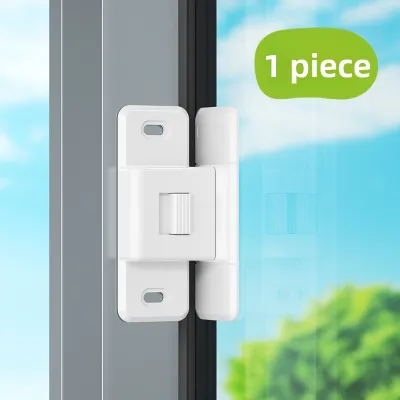
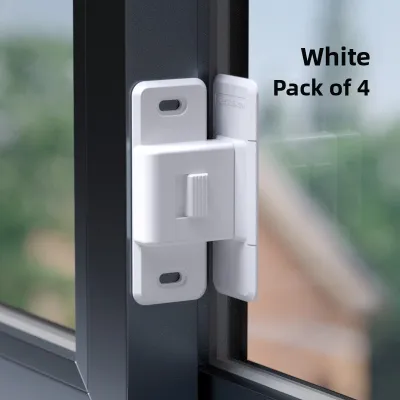
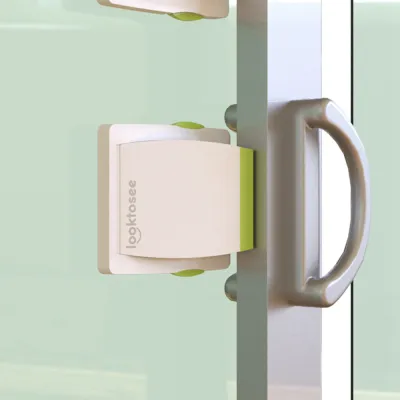
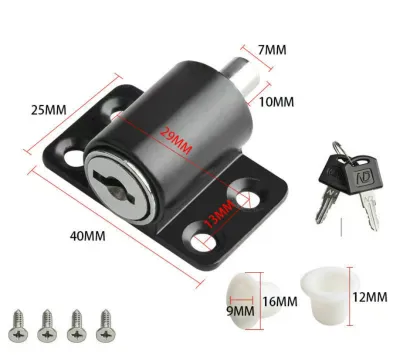
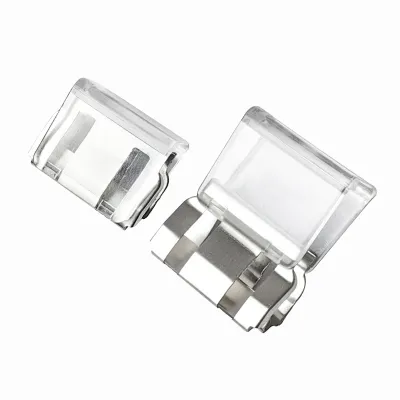
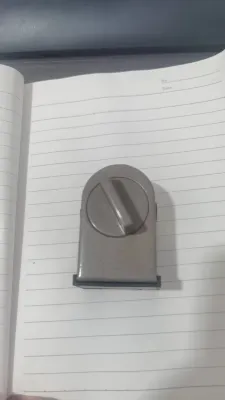
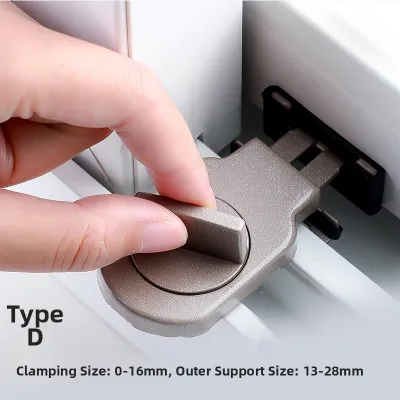
Prices are valid at publication and may change. Please refer to the product page for the latest price.
Furthermore, standard locks operate on an all-or-nothing principle: the window is either completely locked or fully open. This design presents a significant hazard in tropical households where windows are frequently left open for ventilation. A partially open, unsecured sliding window can easily be pushed wider by a child, leading to severe fall risks. Additionally, heavy sliding glass panels can slide shut unexpectedly due to wind or a child’s play, creating a severe finger-trapping hazard that can cause painful injuries to small hands.
Recognizing when to upgrade your window hardware is crucial for maintaining a safe home environment. Parents should look for specific observable signals, such as a child showing interest in window handles, attempting to climb onto window sills, or successfully mimicking the action of unlocking other doors in the house. If your child can reach the window sill or has figured out how to slide the window pane even slightly, it is time to supplement your existing hardware with specialized baby-proofing locks.
Core Features to Evaluate in a Baby-Proof Sliding Window Lock
Selecting a reliable sliding window latch lock requires a careful assessment of several key features to ensure it can withstand daily use and toddler curiosity. The first feature to evaluate is the presence of a tamper-resistant mechanism. Effective child safety locks utilize dual-action releases, such as requiring the user to press two separate buttons simultaneously while sliding, or they require a specific tool or key to adjust. These designs exploit the fact that young children lack the cognitive coordination and physical strength to perform multi-step opening sequences, ensuring the lock remains secure even if the child attempts to manipulate it.

Material durability is another critical factor, especially under the environmental conditions of the Philippines. High humidity, salt air in coastal areas, and intense sunlight can degrade low-quality plastics and weak adhesives rapidly. When browsing online marketplaces or local hardware stores, look for locks constructed from robust materials like heavy-duty aluminum alloy, stainless steel, or thick, UV-stabilized ABS plastic. It is essential to verify the manufacturer’s specifications regarding load-bearing capacity and impact resistance rather than relying on generic marketing terms.
A proper baby-proofing lock must also offer precise gap limitation. The primary goal of a sliding window lock is to allow fresh air to circulate while preventing a child from falling out. To achieve this, the lock must restrict the window opening to a distance that strictly prevents a child’s head or torso from passing through. According to international child safety guidelines, this gap should never exceed 10 centimeters (approximately 4 inches). Ensure the lock you choose can be securely fastened at this exact distance and will not slip when pressure is applied to the window pane.
Finally, track compatibility is a practical constraint that determines whether a lock will function on your specific windows. Sliding windows come in various configurations, including aluminum, unplasticized polyvinyl chloride (uPVC), and wood, each with unique track widths, depths, and frame profiles. Before purchasing, you must check the physical dimensions of your window tracks and compare them with the lock’s specifications. A lock that does not fit snugly within the track or frame will fail to provide adequate resistance when a child pushes against the glass, rendering the safety measure ineffective.
Comparing Common Types of Sliding Window Locks
To choose the most suitable sliding window latch lock for your home, it is helpful to understand the different mechanisms available. The three primary categories of child safety window locks are clamp-style track locks, adhesive track locks, and pin or cable limiters. Each type offers distinct advantages in terms of installation ease, permanence, and operation, making them suitable for different housing situations and window materials.
Clamp-Style Track Locks
Clamp-style track locks are mechanical devices that attach directly to the sliding window’s track. They function by using a thumb screw or a hex key to tighten a metal clamp onto the track rail, creating a physical block that prevents the window pane from sliding past a certain point. These locks are highly favored for their tool-free installation and portability, making them an excellent option for families living in rental properties where drilling into window frames is prohibited.
However, clamp-style locks require a specific track profile to function securely. The track must be wide and deep enough to accommodate the clamp’s body, and the frame material must be sturdy enough to withstand the clamping pressure. On softer materials like vinyl, uPVC, or wood, overtightening the clamp can cause permanent cosmetic damage, warping, or deep pressure marks. Additionally, if the clamp is not tightened sufficiently, a determined child pushing repeatedly on the window pane may cause the lock to slide along the track, gradually widening the opening to an unsafe distance.
Adhesive Track Locks
Adhesive track locks, often designed as folding butterfly wings or sliding blocks, rely on heavy-duty double-sided tape to adhere directly to the glass or the window frame. When activated, the lock stands upright to block the sliding path of the window; when folded flat, it allows the window to slide freely. This drill-free design is incredibly convenient and easy to install, making it a popular choice for quick baby-proofing projects.
Despite their convenience, adhesive locks carry inherent failure risks that parents must carefully manage. The strength of the bond depends entirely on strict surface preparation, requiring the mounting area to be completely clean, dry, and free of grease or dust before application. In hot and humid tropical climates, adhesive backing can degrade over time, losing its grip without showing obvious external signs of wear. To prevent sudden failure, caregivers must perform periodic pull-tests by applying firm pressure to the lock to verify its holding strength, and be prepared to replace the adhesive or the entire unit if any peeling or shifting is observed.
Pin and Cable Limiters
Pin and cable limiters offer a highly secure, semi-permanent solution for restricting window movement. These devices consist of a heavy-duty steel cable or a solid metal pin anchored to both the fixed frame and the sliding pane of the window. The cable length is designed to allow the window to open only to a pre-determined safe distance, and the mechanism can usually be unlocked with a key when an adult needs to open the window fully for cleaning or emergency egress.
Because pin and cable limiters require drilling screws directly into the window frame, they provide exceptional resistance against physical force and leverage. This makes them highly reliable for long-term child safety, but it also means they are less suitable for renters who face strict lease agreements regarding property alterations. Additionally, installing these limiters on hollow aluminum frames or fragile, aged wooden structures requires careful handling to avoid stripping the screw holes or cracking the frame material, which would compromise the structural integrity of the lock.
Pre-Purchase Measurements and Installation Safety Checks
Before purchasing any sliding window latch lock, taking precise physical measurements of your window assembly is essential to avoid buying incompatible hardware. Begin by measuring the width and depth of the window track where the lock will be positioned. For clamp-style locks, you must also measure the thickness of the track rail itself to ensure the clamp can grip it securely. Additionally, check the clearance space between the sliding inner pane and the outer fixed pane; if the clearance is too narrow, certain adhesive locks or bulky clamps may prevent the window from sliding at all, even when unlocked.
Once you have these measurements, cross-reference them with the product labels, specifications, and installation manuals provided by the manufacturer. Pay close attention to compatibility warnings regarding frame materials. For instance, some heavy-duty metal clamps are designed specifically for aluminum frames and may crack or deform uPVC frames. Ensuring that the lock’s design matches your window’s material profile is a critical step in guaranteeing that the safety barrier will perform as intended under pressure.
After installing your chosen lock, perform a thorough post-installation verification to confirm its safety. Close the window against the lock and apply firm, realistic pressure—mimicking the force of a toddler pushing or leaning against the glass. Measure the remaining open gap with a ruler to ensure it does not exceed the maximum safe clearance of 10 centimeters. If the lock slips, bends, or allows the gap to widen under pressure, adjust the installation or choose a more secure locking mechanism.
It is important to recognize when a DIY installation is not feasible. If your window frames are made of brittle, hollow, or heavily weathered materials, or if the frame structure is complex and unclear, stop the installation immediately. Forcing screws or clamps into incompatible or weak frames can cause structural damage and lead to lock failure. In such cases, consulting a qualified professional installer or a carpenter is the safest course of action to ensure your home’s baby-proofing is structurally sound.
Routine Maintenance and When to Replace Your Locks
Baby-proofing is not a one-time task; it requires ongoing maintenance to ensure that environmental wear and daily use do not compromise your child’s safety. Establish a monthly routine to inspect every window lock in your home. Look for observable warning signs of mechanical failure or wear, such as peeling adhesive edges, loose or stripped screws, rust on metal components, or stiff joints that make the lock difficult to engage properly. In the humid climate of the Philippines, metal parts are particularly susceptible to corrosion, which can weaken the lock’s structural integrity over time.
When cleaning your windows and locks, follow safe protocols to avoid damaging the safety hardware. Clean the window tracks and lock contact points using a soft, damp cloth and mild soapy water to remove dust, lint, and insect debris that can interfere with the lock’s grip. Avoid using harsh chemical solvents, abrasive cleaners, or oil-based lubricants near adhesive locks, as these substances can rapidly degrade the adhesive bond or cause plastic components to become brittle and crack.
If an inspection reveals any signs of damage or compromise, immediate action is required. A loose screw, a cracked plastic housing, or a lifting adhesive backing means the lock can no longer be trusted to protect your child. Stop using the compromised window immediately—keeping it fully closed and locked with the primary factory latch—until you can replace the safety lock with a new, fully functional unit. Maintaining an uninterrupted safety barrier is essential for preventing accidents as your child continues to grow and explore.
Frequently Asked Questions (FAQ)
Can I use sliding window locks on screens or mosquito nets?
No, sliding window locks should never be installed on insect screens or mosquito nets. Screens and nets are designed solely to keep pests out and lack the structural integrity required to withstand the weight or impact of a falling child. The mesh can easily tear, or the lightweight screen frame can pop out of its track under minimal pressure. To ensure reliable fall prevention, all baby-proofing locks must be installed directly on the primary, load-bearing structural window frame or glass pane, which is anchored securely to the building’s structure.
Are adhesive window locks safe for high-rise apartments?
In high-rise apartments, the consequences of a window lock failure are catastrophic, meaning adhesive locks are generally not recommended as the primary safety barrier. While high-quality adhesives can be strong, they are vulnerable to degradation from the intense heat, direct sunlight, and high wind pressures common at higher altitudes. For high-rise residences, it is highly recommended to prioritize mechanical fastening solutions, such as drilled pin and cable limiters or heavy-duty metal clamp locks that physically bolt to the track. If you must use adhesive locks, they should only serve as secondary backups, and you must strictly adhere to the manufacturer’s weight limits and environmental specifications.
How do I remove adhesive window locks without damaging the frame?
To remove adhesive window locks safely without damaging your window frames, you can use a combination of gentle heat and mechanical separation. Use a hair dryer on a low or medium heat setting to warm the adhesive backing, which helps soften the bond. Once warmed, gently slide a piece of dental floss, sturdy thread, or a plastic scraper underneath the lock’s base to slice through the softened adhesive. Any remaining residue can be cleaned off using a mild adhesive remover or rubbing alcohol. Always test a small, inconspicuous area of the window frame first to ensure the heat or solvent does not discolor or damage the frame’s finish.
Community discussion
Share your experience or ask a question. Comments are reviewed before publication.