
When baby-proofing your home, securing electrical outlets is one of the most critical steps you can take. As babies grow from crawling infants to curious toddlers, wall outlets at baseboard level present an immediate temptation. However, there is no single outlet protector that works perfectly for every situation. The most effective approach depends on how often you use each outlet, your baby’s physical development, and the specific design of your wall plates.
In the Philippines, tropical conditions like high humidity can also affect the longevity of certain plastics and adhesive-based baby-proofing products over time. To build a reliable home safety plan, you need to understand the structural differences, daily convenience, and developmental suitability of the three primary options: plug inserts, sliding covers, and box covers. By matching the right protector to each outlet’s usage pattern, you can create a secure environment without causing daily frustration for the adults in the household.
How the Three Main Outlet Protectors Work
To choose the right protection, it helps to understand how each of these three common devices physically blocks access to electrical currents. Each type serves a distinct structural purpose.
Products mentioned in this guide

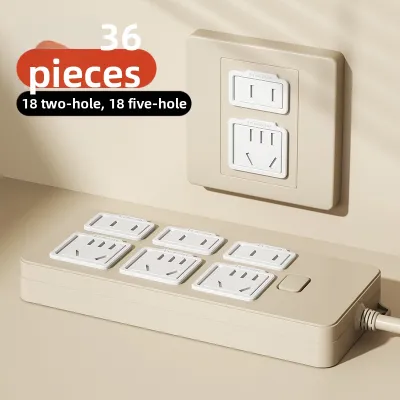
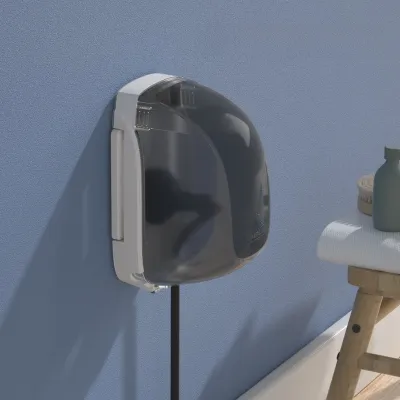
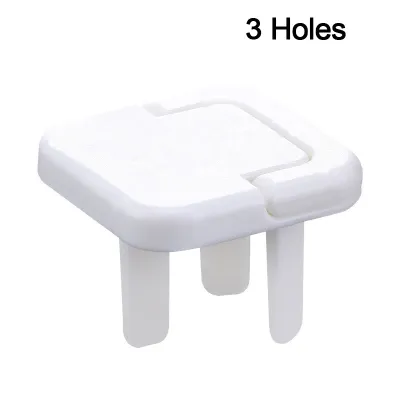
Prices are valid at publication and may change. Please refer to the product page for the latest price.
Plug Inserts (Outlet Plugs or Caps) Plug inserts are the most traditional and widely available baby-proofing option. These are simple plastic prongs designed to mimic the shape of a standard electrical plug. You push them directly into the socket holes of an unused outlet. Once inserted, they sit relatively flush against the wall plate, blocking fingers, toys, or keys from making contact with the live electrical terminals inside. They are highly portable, making them a popular choice for travel or temporary setups.
Sliding Covers (Self-Closing Outlet Plates) Sliding covers, also known as self-closing outlet plates, are complete replacement covers for your wall outlets. Instead of inserting individual plastic caps, you unscrew your existing wall plate and install the sliding cover plate in its place. These plates feature a spring-loaded mechanism. When you want to plug in an appliance, you place the prongs of the plug against the cover, slide it to the side to align with the socket holes, and push the plug in. When you unplug the device, the internal spring automatically slides the cover back into its closed position, instantly blocking the socket.
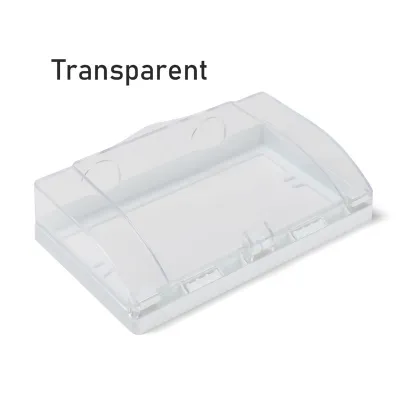
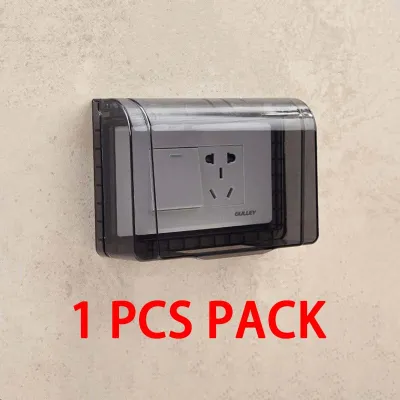
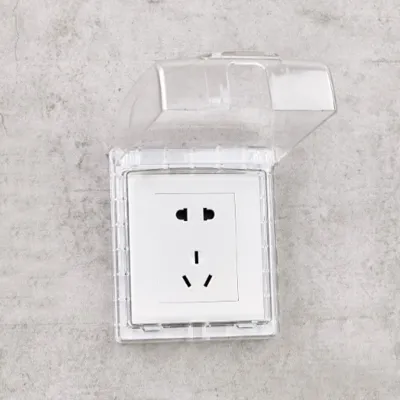
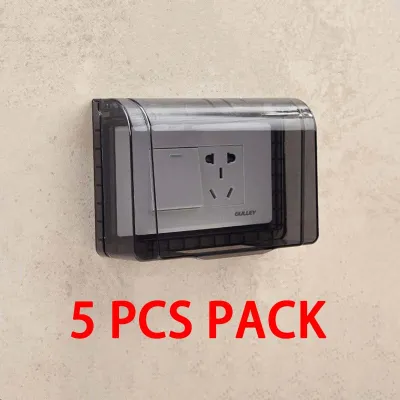
Box Covers (Outlet Lock Boxes) Box covers are large, protective plastic enclosures that fit over the entire outlet, including any plugs that are currently inserted. They typically screw directly into the wall plate or snap securely over it. The cords from your plugged-in appliances exit through small, narrow slots at the bottom or side of the box, which are too small for a baby’s hands to penetrate. The box itself is secured with a latching mechanism that requires adult strength or a specific dual-button squeeze to open. This design prevents children from pulling active plugs out of the wall.
Comparing Safety, Convenience, and Daily Use
Each type of outlet protector offers a different balance of physical security and daily usability. Understanding these trade-offs prevents the common mistake of buying a protector that is either too easy for a child to bypass or too frustrating for adults to use.

Removal Difficulty and Choking Hazards Plug inserts rely entirely on friction to stay in place. While they are designed to fit tightly, some cheaper or worn-out inserts can become loose over time. A determined toddler with developing fine motor skills may eventually figure out how to pry them loose. Because plug inserts are small, a removed insert immediately becomes a severe choking hazard if left on the floor. Sliding covers eliminate this risk entirely because they are screwed into the wall and cannot be removed by a child. Box covers also offer high security because they enclose the entire outlet, making it physically impossible for a child to reach the plugs or the sockets.
Daily Convenience If you have an outlet that you use daily—such as the one you use to plug in your phone charger, vacuum cleaner, or iron—plug inserts can quickly become a hassle. You must pull the insert out, find a safe place to store it where your baby cannot reach it, plug in your device, and then remember to replace the insert the moment you unplug the appliance. Sliding covers offer the highest level of daily convenience for frequently used outlets. The self-closing mechanism ensures the outlet is protected the second you pull a plug out, requiring no extra steps or storage. Box covers, on the other hand, are highly inconvenient for daily use because opening the protective box to plug and unplug items is time-consuming.
Visual Profile and Space Requirements Plug inserts and sliding covers maintain a low profile, keeping your walls looking neat and uncluttered. Sliding covers look almost identical to standard wall plates, which helps them blend into your home decor. Box covers are bulky and protrude several inches from the wall. This physical size means they cannot be easily hidden behind tight furniture, and they may require you to pull couches or cabinets slightly away from the wall to accommodate them.
| Feature | Plug Inserts | Sliding Covers | Box Covers |
|---|---|---|---|
| Primary Use Case | Unused or rarely used outlets | Frequently used outlets | Outlets with semi-permanent plugs |
| Installation Method | Push-in (no tools required) | Screw-on replacement plate | Screw-on or snap-on enclosure |
| Daily Convenience | Low (must remove manually) | High (automatically slides closed) | Low (requires opening a latched box) |
| Physical Profile | Low-profile, flush with wall | Low-profile, replaces standard plate | Bulky, protrudes from the wall |
| Key Verification Point | Check tightness and choking risk | Verify spring tension and plate shape | Check latch security and cord slot size |
Matching Protectors to Your Baby's Developmental Stage
As your baby grows, their physical strength, coordination, and curiosity change rapidly. A baby-proofing strategy that works for a six-month-old may fail completely by the time they reach eighteen months.
Crawling and Early Walking When babies first begin to crawl and pull themselves up, their primary interaction with outlets is visual and accidental. They are attracted to the dark holes of the sockets because they are at eye level. At this stage, preventing accidental contact is the main goal. Simple plug inserts or sliding covers are highly effective here. Because young infants lack the finger strength or coordination to grip and pull, basic barriers provide sufficient protection to keep curious fingers away from live electricity.
Pincer Grasp and Problem Solving Between nine and fifteen months, babies develop the pincer grasp—the ability to hold small objects between their thumb and index finger. They also begin to observe adult behavior and mimic actions. If they watch you pull out a plug insert, they will try to do the same. During this stage, you must carefully monitor the tightness of your plug inserts. If an insert can be easily wiggled or pulled out by an adult without using a tool or significant effort, a toddler can likely remove it too. Transitioning to sliding covers or box covers at this stage prevents toddlers from turning plug removal into a game.
Increased Strength and Tool Use Older toddlers (eighteen months and beyond) possess surprising physical strength and a desire to solve puzzles. They may try to use toys, keys, or hairpins to poke into openings. They are also strong enough to pull electrical cords directly out of the wall, which poses both an electrical hazard and a risk of heavy appliances falling. For outlets that power essential appliances like fans, television sets, or air conditioners, box covers are the most reliable choice. The complex latches on a box cover require dual-finger coordination and adult-level strength, keeping the plugs secure from determined toddlers.
Verifying Outlet Compatibility and Installation Safety
Before purchasing any baby-proofing products, it is essential to verify that they are compatible with your home’s existing electrical hardware and that they can be installed safely.
Check Wall Plate Compatibility Electrical outlets come in several shapes and configurations. The two most common are duplex outlets (which feature two separate, rounded sockets with a center screw) and decora outlets (which feature a large, rectangular opening). Sliding covers and box covers are designed for specific outlet shapes. Before buying, inspect your wall plates and measure the screw hole spacing to ensure the replacement covers will fit perfectly. Using an incompatible cover can leave gaps or prevent the safety mechanism from working correctly.
Read Product Labels and Warnings Always check the product packaging and manufacturer labels for material safety information. Look for durable, flame-retardant plastics that can withstand daily wear. Avoid cheap, brittle plastics that can crack easily, as sharp edges can cause injuries and broken pieces can expose the live outlet underneath. Pay close attention to any age recommendations or specific installation warnings provided by the manufacturer.
Perform a Physical Stability Test Once you install a protector, perform a thorough physical check. For plug inserts, try to pull them out with your fingers; if they come out easily without a specialized removal tool or a firm grip, they are not secure enough. For sliding covers, slide the mechanism open and release it several times. The cover should snap back quickly and completely. In humid tropical climates, dust and moisture can sometimes cause mechanical parts to stick, so regular testing is crucial. For box covers, ensure the box does not wobble or pull away from the wall when you tug on it.
When to Stop Use and Replace Baby-proofing devices are not permanent fixtures. Inspect them regularly as part of your household cleaning routine. Stop using and replace any protector immediately if you observe:
- Cracked, chipped, or discolored plastic.
- Loose-fitting prongs on plug inserts.
- Sluggish or stuck sliding mechanisms on self-closing plates.
- Weakened latches or hinges on box covers.
- Signs of heat damage, such as warping or scorch marks on the outlet or the protector.
Making Your Final Decision
Creating a safe home does not mean you have to use the same type of protector on every single outlet. A customized approach based on how each outlet is used will give you the best balance of safety and convenience.
To make your final decision, walk through your home and categorize your outlets:
- Choose Plug Inserts for outlets that are rarely or never used, such as those in guest rooms, behind heavy bookshelves, or high up on walls. They are also excellent to keep in your diaper bag for travel or visits to relatives' homes. Budget-friendly packs of inserts often cost under ₱150, making them an economical choice for low-traffic areas.
- Choose Sliding Covers for high-traffic, easily accessible outlets that you use frequently. These are perfect for living rooms, kitchens, and hallways where you regularly plug in vacuum cleaners, phone chargers, or temporary appliances.
- Choose Box Covers for outlets where essential appliances must remain plugged in constantly, such as refrigerators, electric fans, television consoles, or air conditioning units. This keeps the cords securely plugged in and out of your child's reach.
Before installing any baby-proofing device, always inspect the underlying outlet. If you notice loose wall plates, exposed wiring, warm outlets, or flickering lights, do not attempt to cover them. These are signs of electrical hazards that require immediate attention from a qualified electrician.
Frequently Asked Questions (FAQ)
Are traditional plug inserts a choking hazard?
Yes, traditional plug inserts can pose a choking hazard if they are easily removed by a child or left lying around after an adult unplugged an appliance. Because of their small size, they can easily fit into a toddler’s mouth. To minimize this risk, look for low-profile inserts that fit extremely flush against the wall, making them difficult for tiny fingers to grip. Always store removed inserts immediately in a high cabinet or drawer out of your child’s reach.
Do I need outlet protectors for power strips?
Yes, power strips lying on the floor are highly appealing to crawling babies and toddlers. Standard wall outlet protectors, sliding covers, and box covers will not fit power strips. To secure these, you should use specialized power strip covers or safety boxes designed specifically to enclose the entire strip, blocking access to the individual sockets and preventing children from pulling out the cords.
Community discussion
Share your experience or ask a question. Comments are reviewed before publication.