
Choosing the right outlet protector cover for your home depends on how frequently you use each socket and whether you are permitted to modify your wall plates. As your baby begins to crawl and explore, securing electrical outlets becomes a top priority to prevent accidental contact with live wires. Sliding covers offer a permanent, highly secure solution for active outlets, while plug inserts provide a quick, budget-friendly option for hidden or rarely used sockets. By evaluating your daily habits and room layouts, you can create a practical baby-proofing strategy that keeps your child safe without causing daily frustration.
How Sliding Covers and Plug Inserts Work
Sliding outlet covers replace your existing wall plates or attach securely over them to create a self-closing barrier. They feature a spring-loaded mechanism that keeps the socket holes covered when not in use. To plug in an appliance, you place the prongs of the plug against the cover, slide it to align with the underlying socket holes, and push the plug all the way in. The moment you unplug the device, the spring-loaded cover automatically slides back into its default closed position, instantly blocking access to the electrical contacts.
Plug inserts, often called outlet caps, are simple plastic barriers designed to be pushed directly into individual socket holes. They function by physically blocking the entry of fingers, toys, or other foreign objects. These inserts rely entirely on friction to stay in place, requiring manual effort to insert and remove.
Products mentioned in this guide
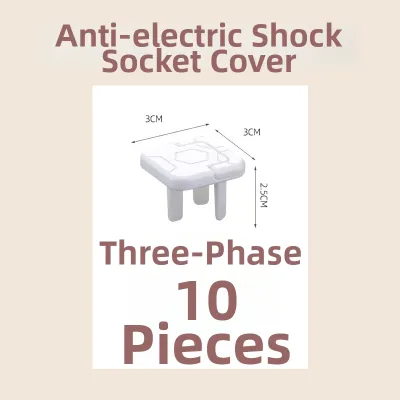
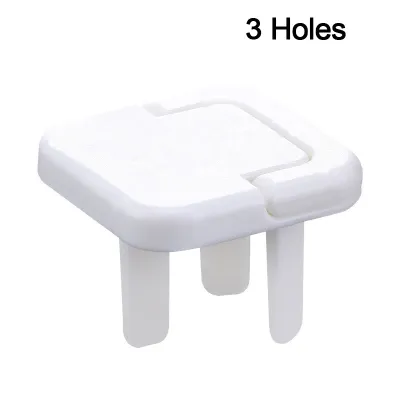
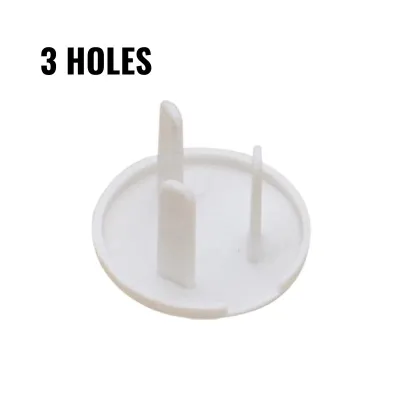
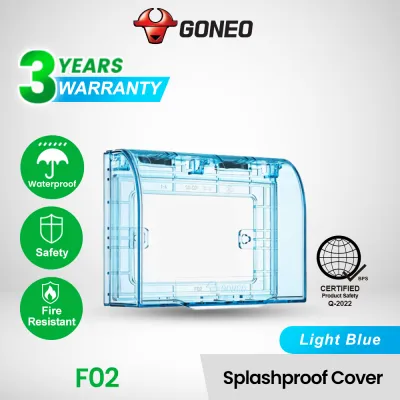
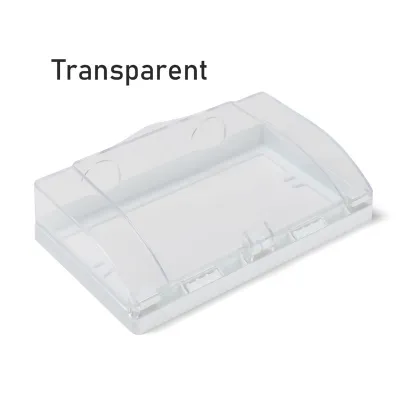
Prices are valid at publication and may change. Please refer to the product page for the latest price.
The operational difference between these two options is significant for daily household tasks. Sliding covers require a coordinated, two-step motion only when plugging an appliance in, meaning they require no extra steps when you unplug a device. Plug inserts, however, require you to manually pry the tight plastic cap out of the wall before you can use the outlet, and you must remember to push it back in as soon as you are finished.
Key Factors to Compare Before Buying
When comparing these two types of outlet protector covers, adult convenience is a major factor in daily satisfaction. In a busy household, constantly struggling to remove tight plastic plug inserts for temporary tasks, like plugging in a vacuum cleaner or a phone charger, can quickly become tedious. Sliding covers streamline this process by allowing quick access without requiring you to remove and store any loose parts.

Toddler resistance is another critical area of comparison. Toddlers are highly observant and will often watch adults interact with wall outlets. A sliding cover requires a dual-action movement—sliding the cover while simultaneously pushing the plug prongs in—which is incredibly difficult for a young child’s developing fine motor skills and hand strength to replicate. Plug inserts, on the other hand, are static targets; if an insert is slightly loose or has a protruding edge, a persistent toddler may eventually figure out how to grip and pull it out.
Choking and loss risks represent a hidden hazard associated with removable protectors. Because plug inserts must be completely removed from the wall to use the outlet, they are easily misplaced, dropped on the floor, or left on low tables. These small plastic pieces present a direct choking hazard if a curious baby or toddler finds them. Sliding covers remain permanently attached to the wall plate, completely eliminating the risk of lost parts or accidental ingestion.
Aesthetic impact and long-term durability also differ between the two designs. Plug inserts often protrude slightly from the wall, which can draw a child’s visual attention to the outlet. Over time, the plastic prongs on inserts can wear down or bend from frequent removal, reducing the friction that keeps them secure. Sliding covers offer a flush, integrated look that blends seamlessly with standard wall plates, maintaining their structural integrity and safety performance over years of continuous use.
Sliding Covers: Best for Frequently Used Outlets
In high-traffic areas of the home, such as living rooms, kitchens, and hallways, outlets are accessed on a daily basis for standing fans, kitchen appliances, and mobile chargers. Sliding covers are the ideal choice for these locations because they automatically reset to a safe state the moment an appliance is unplugged. This automatic feature removes the risk of human error, ensuring that an outlet is never accidentally left exposed to a curious child.
The primary safety benefit of a sliding cover is this permanent, self-closing design. Caregivers do not have to worry about older siblings or guests forgetting to replace a plastic cap after unplugging a device. Because the mechanism is integrated directly into the faceplate, it remains active and protective at all times, providing continuous peace of mind.
However, installing sliding covers does require a small amount of preparation and basic tool use. You will need to turn off the power at your home’s main circuit breaker, unscrew the existing wall plate, and install the sliding cover plate in its place. While this process takes a few minutes per outlet, the long-term safety, convenience, and durability make it a highly practical investment for homeowners looking for a permanent baby-proofing solution.
Plug Inserts: Best for Rarely Used or Hidden Outlets
Not every electrical outlet in your home requires daily access. Sockets located behind heavy wardrobes, television consoles, refrigerators, or those situated in guest bedrooms are rarely disturbed. For these low-traffic or hidden zones, simple plug inserts are an exceptionally practical and cost-effective choice. Since these outlets are rarely used, the minor inconvenience of manually removing the insert when access is needed is negligible.
For families renting their homes, plug inserts offer a highly attractive, damage-free safety solution. Modifying electrical fixtures or replacing wall plates can sometimes violate lease agreements or lead to disputes with landlords. Plug inserts require absolutely no tools, screws, or permanent alterations to the property, allowing you to secure your living space instantly and easily pack the inserts with you when you move.
Despite their convenience, plug inserts require regular caregiver supervision and routine checks. In tropical climates with high humidity, plastic components can sometimes expand, contract, or degrade over time, potentially loosening the fit within the socket. Caregivers must regularly inspect all installed plug inserts to ensure they remain tightly fitted and cannot be easily wiggled free by a child. If an insert becomes loose or damaged, it must be replaced immediately.
How to Check Compatibility and Safety Labels
Before purchasing any outlet protector cover, you must verify your home’s specific outlet configurations. In the Philippines, electrical outlets commonly feature Type A (two flat parallel prongs) or Type B (two flat prongs with a grounding pin) configurations, though universal sockets are also widely used in modern residential buildings. Ensure that the sliding covers or plug inserts you select are fully compatible with the exact prong layout and spacing of your wall sockets.
Additionally, examine the physical design of your existing faceplates and screw placements. Some sliding covers are designed to replace standard duplex outlets with a single center screw, while others are built for modern decora-style plates that utilize top and bottom screws. You must also check if your outlets are part of a multi-gang panel that includes light switches, USB ports, or dimmer controls, as standard sliding covers may obstruct adjacent switches or fail to fit properly. If you encounter complex wiring or damaged outlets during your inspection, always consult a qualified professional electrician.
When shopping for baby-proofing products, do not rely solely on marketing claims on the packaging. Take the time to verify safety labels, manufacturer warnings, and recognized safety certification marks on the product packaging. Check the specific product documentation to confirm the recommended age and development stage suitability, and ensure the plastic material is flame-retardant and durable. Remember that no outlet protector can replace active adult supervision; they are designed to assist caregivers, not substitute for vigilant monitoring.
Which Outlet Protector Cover Should You Choose?
Creating an effective baby-proofing plan does not mean you have to choose only one type of protector for your entire home. Most families find that a hybrid approach—using different protectors based on the specific location and usage of each outlet—provides the best balance of safety, convenience, and budget.
You should choose sliding covers for all easily accessible, high-traffic outlets in your main living areas, playrooms, and bedrooms. If you own your home and want a highly durable, permanent safety barrier that eliminates the risk of lost parts and choking hazards, investing in quality sliding faceplates is the most reliable path. This setup ensures that the outlets your child is most likely to interact with are always protected automatically.
You should choose plug inserts if you are baby-proofing outlets that are completely blocked by heavy furniture, located in guest rooms, or if you are currently renting your home and cannot make permanent modifications. They provide an immediate, tool-free safety layer that is highly cost-effective for low-risk areas of the house, allowing you to secure your home without spending thousands of pesos ₱ on unnecessary modifications.
Before making any purchases, perform a thorough walk-through of your home. Note down the screw configurations of your wall plates, take photos of any non-standard outlets, and check for integrated smart switches or multi-gang layouts that might block standard covers. Taking these steps beforehand will help you select the right products, avoid compatibility issues, and ensure a secure environment for your growing child.
Frequently Asked Questions (FAQ)
Can toddlers pull out plug insert protectors?
Yes, determined toddlers can often remove poorly fitted or low-quality plug inserts once they develop their pincer grasp and hand strength. Children are highly persistent and may learn to grip the edges of protruding inserts. Caregivers must actively monitor their child’s interaction with these protectors; if you observe your child successfully tampering with or removing a plug insert, you should immediately stop using them in that area and upgrade to a sliding cover or a specialized locked outlet box.
Do I need outlet protectors for power strips and extension cords?
Standard wall outlet protectors and sliding covers are generally not compatible with the varied layouts, hole spacings, and orientations of power strips. Power strips also present additional hazards, as they sit on the floor where toddlers can easily pull, chew, or spill liquids on them. To secure these devices, do not rely on standard inserts; instead, use specialized power strip safety boxes that completely enclose the strip and manage excess cable length to prevent tripping or pulling hazards.
Community discussion
Share your experience or ask a question. Comments are reviewed before publication.