
Deciding on a breast pump electric device is a major milestone for breastfeeding mothers in the Philippines. The choice between a single and a double electric breast pump often dictates how smoothly your feeding routine integrates with your daily life. There is no one-size-fits-all solution; the ideal choice depends on your specific pumping frequency, lifestyle demands, and milk supply goals.
Single electric breast pumps are generally best for mothers who primarily breastfeed directly and only need to pump occasionally. They are ideal for supplementing direct feeds, relieving temporary engorgement, or providing a lightweight, budget-friendly option for occasional travel or date nights. Because they are compact, they fit easily into diaper bags for quick outings.
Double electric breast pumps are the standard choice for exclusive pumpers, working mothers returning to the office, or anyone needing to build a robust freezer stash efficiently. By expressing milk from both breasts simultaneously, these pumps cut your session times in half and provide stronger hormonal stimulation to maintain or increase milk supply.
Products mentioned in this guide
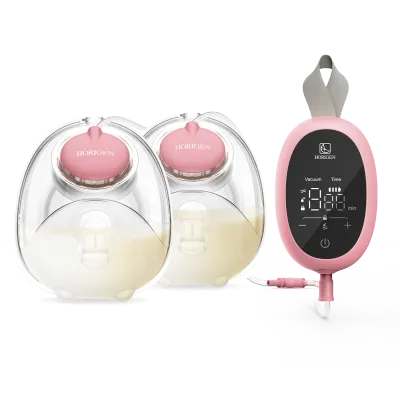
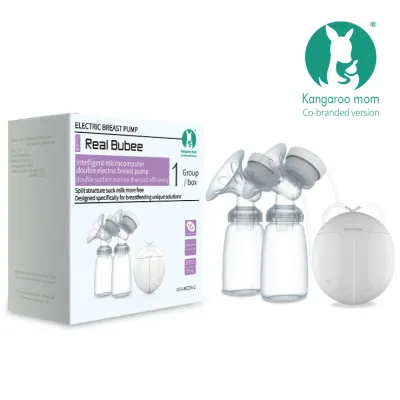
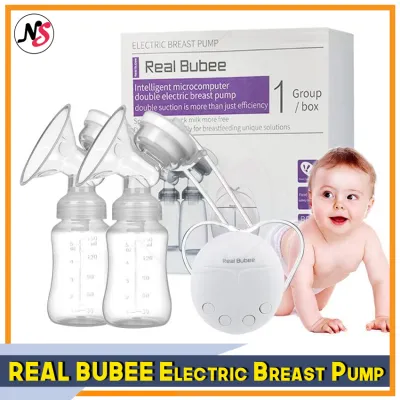
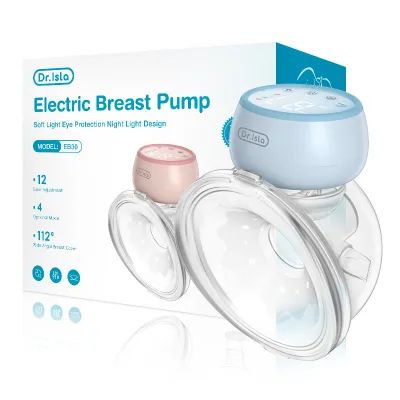
![[BESTSELLER] eufy by Anker E20 Wearable Breast Pump with Warming Feature – Hands-Free Portable & Comfortable Pumping](https://img.lazcdn.com/g/p/0f4d2c879e01028c760c199e4ff7fa05.png_400x400q80.png_.webp)
Prices are valid at publication and may change. Please refer to the product page for the latest price.
Single Breast Pump Electric Options: Features, Trade-offs, and Ideal Users
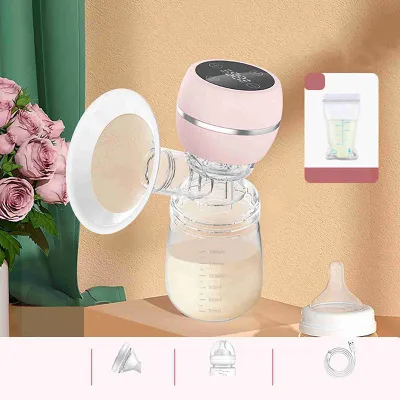
A single electric breast pump is designed to extract milk from one breast at a time. The system consists of a single motor unit, a tubing line, one breast shield (flange), and a collection bottle. Understanding how this mechanism fits into your daily schedule is crucial before committing to a purchase.
One of the primary advantages of a single electric pump is its affordability. For many families in the Philippines balancing the rising costs of baby essentials, a single pump offers a cost-effective entry point into electric pumping without the premium price tag of double models. Additionally, these units are incredibly lightweight and compact. They take up minimal space in a bag, making them highly portable for quick trips to the mall or family visits. Because you only pump one side at a time, you also keep one hand completely free to hold your baby, read a book, or hold a warm compress to assist with milk flow.
However, the trade-offs of a single electric pump center around time and physical stimulation. Because you must pump each breast sequentially, a full session typically takes twice as long—often 30 to 40 minutes in total compared to the 15 to 20 minutes required for a double pump. This extended duration can become tiring and difficult to sustain if you need to pump multiple times a day. Furthermore, sequential pumping does not stimulate the body’s prolactin and oxytocin levels as robustly as simultaneous pumping, which may make it more challenging to build or maintain a high milk yield over the long term.
The ideal users for a single electric pump are mothers who direct-feed their infants most of the time and only require a pump for occasional relief or to prepare a few backup bottles. It is also an excellent option for parents seeking a secondary, highly portable backup pump specifically for travel. When shopping for a single electric pump, always check the manufacturer’s specifications regarding motor suction strength (measured in mmHg) and battery life. Many modern models offer USB charging, which is incredibly useful during unexpected power interruptions or when traveling without easy access to a wall outlet.
Double Electric Breast Pumps: Features, Trade-offs, and Ideal Users
A double electric breast pump utilizes a more powerful motor unit designed to express milk from both breasts simultaneously. This setup includes two sets of tubing, flanges, and collection bottles, allowing for a highly efficient and streamlined pumping experience.

The most significant benefit of a double electric pump is time efficiency. In today’s fast-paced environment, saving time is a major priority for busy mothers. A double pump allows you to complete a thorough expression session in just 15 to 20 minutes total. Beyond time savings, simultaneous pumping triggers a more rapid and frequent let-down reflex. Research indicates that double pumping stimulates higher levels of prolactin—the hormone responsible for milk production—which can lead to a higher total milk yield and better overall breast emptying compared to single pumping. This makes it an invaluable tool for establishing and protecting your milk supply.
Despite these benefits, double electric pumps do come with specific trade-offs. They are generally bulkier and heavier than their single counterparts, requiring more space in your bag and a dedicated setup area. To use a double pump practically while keeping your hands free, you will need to invest in a specialized hands-free pumping bra; otherwise, you will be forced to hold both flanges in place manually for the entire session. Double pumps are also more expensive upfront and require cleaning more parts, including extra valves, membranes, and bottles, after every use.
This configuration is ideal for exclusive pumpers who rely solely on expressed milk to feed their babies, as well as working mothers who must pump during short breaks at the office. It is also highly recommended for mothers who are actively working to increase a low milk supply. Before purchasing, verify the flange sizing options included in the box, as using an incorrectly sized flange can cause friction, pain, or reduced milk output. Always refer to the product manual to adjust the suction levels to a comfortable setting, and stop use immediately if you experience persistent pain.
Head-to-Head Comparison: Time, Output, Portability, and Cost
To help you weigh these two options side by side, it is helpful to look at how they perform across the key practical dimensions of daily motherhood. The table below outlines the core differences between single and double electric breast pumps.
| Feature | Single Electric Pump | Double Electric Pump |
|---|---|---|
| Typical Session Time | 30 to 40 minutes total (15–20 minutes per side) | 15 to 20 minutes total (simultaneous expression) |
| Milk Output & Stimulation | Standard stimulation; sequential let-down | Higher prolactin stimulation; faster, multiple let-downs |
| Portability & Footprint | Highly compact, lightweight, fits in small diaper bags | Bulkier motor, requires carrying more accessories and parts |
| Upfront Cost | Generally budget-friendly and accessible | Higher initial investment, premium pricing |
| Required Accessories | Standard nursing bra or manual hold; fewer parts to wash | Hands-free pumping bra highly recommended; double the parts to wash |
When evaluating time efficiency, consider your daily schedule. If you are returning to a workplace with structured, limited break times, a double pump is almost essential to ensure you can express sufficient milk without falling behind on your professional duties. Conversely, if you are working from home or have a flexible schedule where a 40-minute session is manageable, a single pump may fit your lifestyle without causing undue stress.
In terms of milk output, individual bodies respond uniquely to mechanical expression. While simultaneous pumping generally yields more milk due to the double hormonal response, some mothers find they can achieve excellent results with a single pump by massaging the breast during expression. However, if you are managing a sensitive supply or trying to increase your daily volume, the physiological advantage of a double pump is a critical factor to consider.
Portability and discretion are also influenced by where you plan to pump. A single pump is easy to slip into a purse for a quick trip, whereas a double pump requires a larger tote bag to accommodate the motor, two bottles, dual shield assemblies, and potentially a cooler bag with ice packs to keep expressed milk cold in the warm, humid climate of the Philippines. Always verify the exact specifications, such as noise levels (decibels) and battery capacities, on the manufacturer’s official website or product packaging before purchasing from online marketplaces.
How to Choose: Matching the Pump to Your Daily Life
Selecting the right electric breast pump requires a realistic assessment of your feeding goals, budget, and daily environment. Use the following conditional framework to guide your decision-making process.
Choose a Single Electric Pump if:
- You primarily breastfeed directly: If your baby latches well and you only pump occasionally to build a small backup supply or to let your partner handle a night feed, a single pump is perfectly adequate.
- You are on a tight budget: If you want the convenience of an electric motor but need to keep your baby-related expenses minimal, a single pump offers excellent value.
- You need maximum portability: If you travel frequently, commute via public transportation, or need a highly compact backup pump that fits into a standard handbag, the single pump's small footprint is highly advantageous.
Choose a Double Electric Pump if:
- You are exclusively pumping: If your baby does not latch or you choose to feed expressed breast milk exclusively, a double pump is essential to maintain your supply and save hours of pumping time every day.
- You are returning to work full-time: If you need to pump multiple times during the workday within tight 15-to-20-minute breaks, a double pump is the most efficient way to maintain your routine.
- You are working to boost your milk supply: If you have been advised by a healthcare professional to stimulate more milk production, the dual stimulation of a double pump is highly beneficial.
Verify first if:
- Your workplace has a dedicated lactation space: Before investing in a double pump for office use, verify if your employer provides a private room with power outlets and refrigeration. A dedicated space makes setting up and cleaning a double pump significantly easier.
- You are uncertain about your long-term goals: If you are unsure how long you will continue pumping, you might consider starting with a high-quality single pump that can be upgraded, or check if a double pump model allows for single-sided use.
Regardless of which type you choose, always check the warranty terms, return policies, and the availability of replacement parts—such as valves, diaphragms, and different flange sizes—when purchasing from e-commerce platforms or official brand stores. Having easy access to spare parts is vital, as worn-out valves can drastically reduce suction power and compromise your pumping efficiency.
Frequently Asked Questions (FAQ)
Navigating the world of breast pumps can raise several practical questions. Below are answers to some of the most common queries regarding single and double electric models.
Can I use a double breast pump as a single pump?
Yes, many modern double electric breast pumps are designed with versatility in mind. They often feature a dedicated single-pump setting or include a cap to block off one of the air ports on the motor or tubing. This allows you to use the device as a single pump when needed, such as when breastfeeding your baby on one side while expressing milk from the other. However, you must check your specific model’s user manual before doing this. Running some older or specific double-pump motors with one port open or improperly sealed can cause motor strain, reduce suction efficiency, or potentially void the manufacturer’s warranty.
Does double pumping increase milk supply compared to single pumping?
Generally, yes. Simultaneous breast stimulation triggers a more robust hormonal response, specifically increasing the release of prolactin and oxytocin. This dual stimulation often leads to a faster let-down reflex and can increase the total volume of milk expressed by up to 18 percent compared to pumping each breast sequentially. However, it is important to remember that individual bodies respond differently to mechanical pumps. The most critical factor in maintaining a healthy milk supply is the consistent, thorough emptying of the breasts. If you are experiencing persistent low milk supply, consult a certified lactation consultant or healthcare provider for personalized guidance rather than relying solely on equipment adjustments.
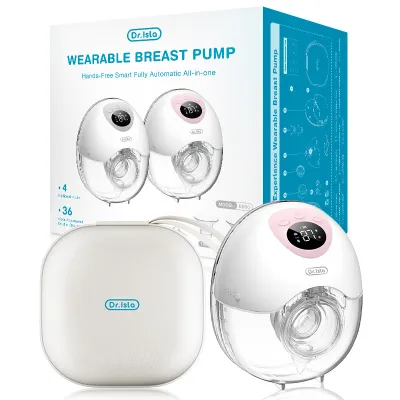
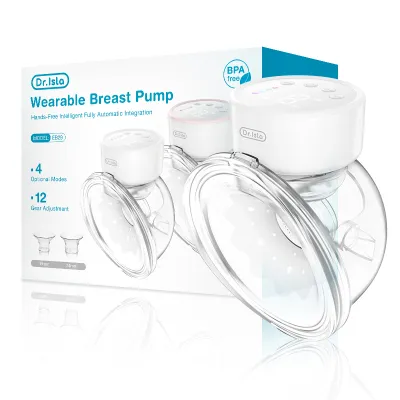
Are wearable breast pumps considered single or double?
Wearable breast pumps—often referred to as hands-free or in-bra pumps—are typically sold as individual single units, but they are designed to be used either singly or as a pair. If you purchase two individual wearable units, you can wear them simultaneously, which effectively gives you a double pumping system with maximum mobility. While wearable pumps offer unmatched discretion and freedom of movement, they are often designed to prioritize convenience over raw power. They may have slightly lower maximum suction levels or smaller milk collection capacities compared to traditional, heavy-duty double electric breast pumps. Always check the manufacturer’s specifications to ensure the suction levels and battery life align with your primary pumping needs.

Community discussion
Share your experience or ask a question. Comments are reviewed before publication.