
Choosing the right milk for a three-year-old child involves balancing nutritional needs, digestive tolerance, and daily dietary habits. At age three, children are transitioning into more active developmental stages where solid foods should serve as their primary source of nutrition. Fortified milk, often labeled as “3 years and above” or “Stage 4,” acts as a supportive supplement rather than a complete meal replacement. When comparing prominent brands like Similac, Nido, Enfagrow, and NAN, there is no single universal winner; instead, the ideal choice depends on your child’s specific dietary gaps, taste preferences, and how well their digestive system tolerates the ingredients.
To make an informed decision, parents must learn to evaluate nutrition labels, identify key ingredients, and understand how each option fits into their family’s budget and lifestyle. This guide provides a practical framework to help you compare these leading brands, assess your child’s unique needs, and consult your pediatrician with confidence.
Understanding the Role of Growing-Up Milk at Age 3
By the time a child reaches three years of age, their nutritional landscape changes significantly. Pediatric guidelines generally suggest that healthy toddlers who consume a diverse, well-balanced diet of solid foods can transition to regular whole milk or pasteurized cow’s milk. However, many children experience phases of picky eating, rapid growth spurts, or highly active daily routines that make meeting daily nutritional targets challenging.
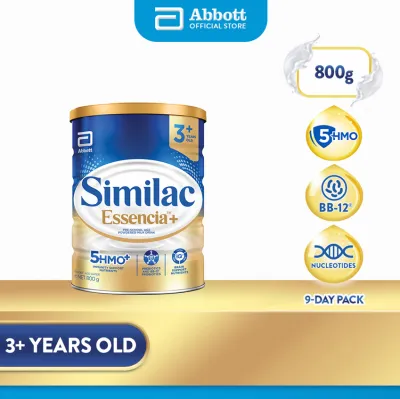
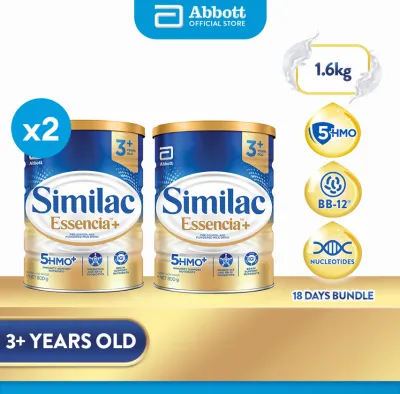
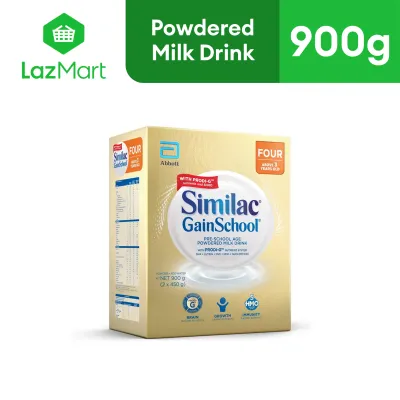
Products mentioned in this guide


![Similac Gainschool 900g for Kids Above 3 Years Old Powdered Milk Drink [Expiry on September 10 2026]](https://img.lazcdn.com/g/p/f6099cdc5b747b8197c1b3fb3761ac8a.png_400x400q80.png_.webp)
![[Online Exclusive] Similac GainSchool 3.6kg for Kids Above 3 Years Old Powdered Milk Drink](https://img.lazcdn.com/g/p/5b561116f2365d9b62fe0913f67e319f.jpg_400x400q80.jpg_.webp)

Prices are valid at publication and may change. Please refer to the product page for the latest price.
In these scenarios, growing-up milks or fortified toddler milks can serve as a practical safety net. These products are specifically formulated to deliver concentrated amounts of essential micronutrients that might be lacking in a toddler’s daily meals. If you observe that your child is highly selective with food, tires easily, or struggles to meet typical developmental milestones, a fortified milk option may offer peace of mind.
Before making any major changes to your child’s diet or switching milk types, it is essential to consult a pediatrician. A professional assessment can help determine if your child actually requires a fortified formula or if their nutritional needs can be met through dietary adjustments. This is particularly crucial if you have concerns about your child’s weight gain, physical growth, or overall energy levels.
Comparing the Nutritional Profiles of Similac, Nido, Enfagrow, and NAN
When standing in the milk aisle, comparing the colorful packaging of Similac, Nido, Enfagrow, and NAN can feel overwhelming. The most reliable way to evaluate these options is to turn the container around and carefully examine the nutrition facts panel and ingredient list. Because formulations can vary by region and product line, you should always verify the exact age range and stage indicated on the front of the packaging to ensure it is designed for children aged three and older.

Key nutrients to look for on the label include docosahexaenoic acid (DHA), iron, calcium, zinc, and essential vitamins such as Vitamin A, C, and D. DHA is an omega-3 fatty acid often highlighted for brain development, while iron and zinc support immune function and cognitive growth. Calcium and Vitamin D are vital for building strong bones and teeth during this rapid growth phase. Rather than assuming one brand has “more” of a nutrient, compare the exact amounts per 100 grams or per serving listed on the back of the package.
Another critical factor to check is the presence of added sugars, corn syrup solids, sucrose, or artificial flavorings. Some toddler milks are sweetened or flavored to appeal to picky eaters, which can sometimes lead to a preference for sweet tastes and impact their appetite for healthy solid foods. Opting for brands that use lactose as the primary carbohydrate source and contain minimal or no added sucrose can help establish healthier long-term eating habits.
To help you systematically compare the options available on your local supermarket shelves, you can use the following structural template to record and analyze the values from the specific tins or boxes you find:
| Nutritional Component (per serving) | Similac (Stage 3/4) | Nido (3+ / 5+) | Enfagrow (Stage 3/4) | NAN (Stage 3/4) |
|---|---|---|---|---|
| Target Age Range | Verify on label | Verify on label | Verify on label | Verify on label |
| DHA (mg) | Check label value | Check label value | Check label value | Check label value |
| Calcium (mg) | Check label value | Check label value | Check label value | Check label value |
| Iron (mg) | Check label value | Check label value | Check label value | Check label value |
| Added Sugars / Sucrose | Check ingredient list | Check ingredient list | Check ingredient list | Check ingredient list |
| Primary Protein Source | Check ingredient list | Check ingredient list | Check ingredient list | Check ingredient list |
Using this template allows you to make a direct, side-by-side comparison of the exact products distributed in your area, ensuring you base your decision on current, localized nutritional facts rather than general brand marketing.
Evaluating Dietary Needs, Allergies, and Tolerances
A child’s digestive system is unique, and what works exceptionally well for one toddler might cause discomfort for another. When selecting a growing-up milk, you must carefully read the ingredient list to identify potential allergens, the specific sources of milk protein, and the lactose content. Most standard toddler milks are derived from cow’s milk, which contains lactose and intact cow’s milk proteins that some children may find difficult to digest.
If your child has a history of mild digestive sensitivities, such as occasional bloating, gas, or loose stools, look for formulas that utilize partially hydrolyzed proteins or alternative carbohydrate blends. Partially hydrolyzed proteins are pre-broken down into smaller pieces, making them easier on sensitive tummies. However, if your child has a diagnosed cow’s milk protein allergy (CMPA) or severe lactose intolerance, standard growing-up milks from any of these brands will not be suitable, and specialized hypoallergenic formulas must be used under strict medical supervision.
Always monitor your child closely whenever you introduce a new milk brand or variant. Watch for signs of adverse reactions, which can include skin rashes, hives, persistent vomiting, chronic diarrhea, excessive gas, or unusual irritability after feeding. If you observe any of these symptoms, stop using the product immediately and seek professional medical advice from your pediatrician to identify the underlying cause and find a safe alternative.
Cost, Availability, and Practical Considerations
While nutrition is paramount, practical factors like long-term affordability, consistent availability, and storage convenience play a major role in your daily routine. Because growing-up milk is consumed regularly, small differences in price can accumulate over time. To determine the true cost, do not rely solely on the retail price of the container; instead, calculate the cost per serving by dividing the total price of the pack by the number of servings it yields according to the preparation instructions.
In the Philippines, prices can vary significantly between premium brands and more budget-friendly options. You can find these products in local supermarkets, pharmacies, and authorized online stores on major ecommerce platforms. It is highly recommended to purchase only from official brand stores or authorized distributors to ensure product authenticity and avoid counterfeit goods.
Consider the packaging formats available for each brand, such as large tins, cardboard boxes, or individual single-serve sachets. Large tins offer excellent protection against moisture and pests, which is particularly important in hot, humid tropical climates. Cardboard boxes with inner foil pouches are often more economical but require careful sealing or transfer to an airtight container once opened. Sachets are highly convenient for travel or occasional use but generally carry a higher cost per gram.
Proper storage is essential to maintain the safety and nutritional quality of the milk. Always store opened tins or pouches in a cool, dry place away from direct sunlight, and never store them in the refrigerator, as the humidity can cause the powder to clump and spoil. Most manufacturers recommend consuming the powder within three to four weeks of opening; always check the specific packaging instructions to verify the exact shelf-life and safety guidelines.
How to Make the Final Decision for Your Child
Choosing the right milk involves matching the specific characteristics of each brand’s label to your child’s physical needs, taste preferences, and your household budget. To guide your decision, consider the following framework based on observable product features and your child’s unique situation.
Choose Similac if you are looking for a formulation that emphasizes specific nutrient absorption, contains no sucrose (added table sugar), or if your pediatrician has recommended its specific blend of prebiotic fibers and lipids to support digestion and brain development.
Choose Nido, Enfagrow, or NAN if you prefer options that align with different nutritional focuses—such as Enfagrow’s emphasis on high DHA levels, NAN’s focus on optimized protein quality and active probiotics, or Nido’s widespread availability, budget-friendly price points, and fortified profiles tailored for active toddlers.
Verify first or consult a pediatrician if your child has underlying health conditions, severe food allergies, chronic digestive issues, or if you are unsure whether they need a fortified milk supplement at all. A professional can provide personalized dietary recommendations based on your child’s growth chart.
If you decide to transition your child to a new milk brand, do so gradually to allow their digestive system and taste buds to adapt. Start by replacing one feeding per day with the new milk, or gradually mix small ratios of the new powder with the old powder over a week, slowly increasing the proportion of the new brand until the transition is complete.
Frequently Asked Questions (FAQ)
Can I mix Similac with Nido, Enfagrow, or NAN?
Mixing different milk brands or formulas in the same bottle is generally discouraged. Each brand is scientifically formulated with a precise balance of water, proteins, fats, and minerals; mixing them can alter this concentration, potentially leading to digestive discomfort or nutrient imbalances. If you want to switch brands, it is safer to transition gradually by serving separate feeds of each milk rather than mixing them together in one serving.
How many servings of growing-up milk should a 3-year-old drink daily?
For a three-year-old child, the general recommendation is typically one to two servings of milk per day, but you should always check the specific product label for the manufacturer’s suggested serving sizes. Overconsumption of milk can fill up a toddler’s small stomach, reducing their appetite for the diverse solid foods they need to develop healthy eating habits.
When should I stop giving my child fortified toddler milk?
You can typically transition your child away from fortified toddler milk once they are consistently eating a well-rounded, diverse diet of solid foods that meets all their daily nutritional requirements. This milestone varies for every child; consulting your pediatrician for a routine growth and dietary assessment is the best way to determine when your child is ready to transition to regular milk or rely solely on solid foods.

Community discussion
Share your experience or ask a question. Comments are reviewed before publication.