
Choosing the right infant formula for your newborn can feel overwhelming, especially with so many prominent brands lining the shelves of local supermarkets and pharmacies in the Philippines. While many parents search for a single “best” formula, the reality is that the ideal choice depends entirely on your baby’s unique digestive system and nutritional needs. Furthermore, there is a common point of confusion regarding brand names: some of the most famous lines, such as Nido and Enfagrow, are formulated specifically for toddlers aged one year and older, making them entirely unsuitable for newborns. For an infant aged 0 to 6 months, you must look for dedicated Stage 1 formulas, such as Similac Stage 1, NAN Optipro 1, or their respective sister brands like Enfamil and Nestogen. Finding the right match requires careful label reading, an understanding of your baby’s digestive tolerance, and a practical look at your household budget.
Verify the Age Stage: Brand Lines for 0-6 Months
Before purchasing any milk powder, it is critical to understand that brand families are segmented by age. Popular lines like Nido (such as Nido 3+) and Enfagrow (such as Enfagrow A+ Four) are toddler milks. They contain protein structures, mineral concentrations, and sweeteners designed for older, more mature digestive systems and are not safe for newborns.
For infants aged 0 to 6 months, you must select dedicated Stage 1 formulas. Mead Johnson (the maker of Enfagrow) offers Enfamil for this early stage, while Nestlé (the maker of Nido and NAN) offers Nestogen 1 or NAN Optipro 1. Abbott provides Similac Stage 1. Always inspect the physical packaging carefully to locate the “Stage 1” or “0-6 months” designation before making a purchase.
Products mentioned in this guide


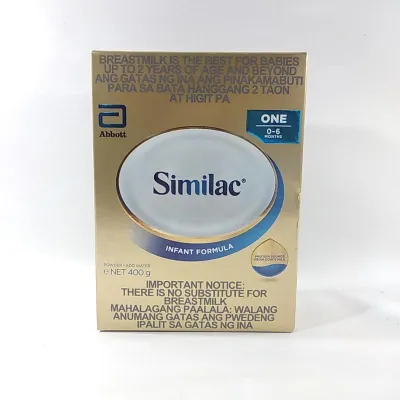
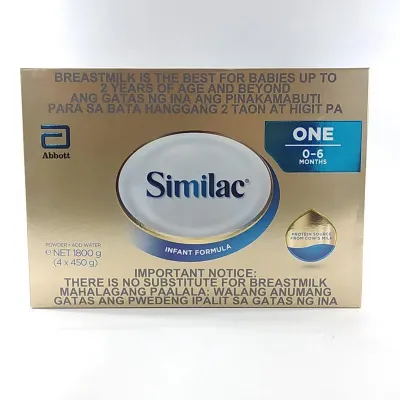
Prices are valid at publication and may change. Please refer to the product page for the latest price.
Feeding a newborn a formula designed for an older child carries serious physiological risks. A newborn’s kidneys are immature and cannot process the high solute load, protein density, and mineral concentrations found in toddler milks. Doing so can lead to severe dehydration, kidney strain, and acute digestive distress. Always verify the age suitability on the manufacturer’s label rather than relying on brand familiarity.
Comparing Nutritional Profiles and Key Ingredients
When comparing Stage 1 formulas, reading the nutrition information panel on the physical tin is the most reliable way to understand what you are feeding your baby. While marketing campaigns often highlight proprietary ingredient blends, the underlying nutritional components generally serve standard developmental purposes.

Docosahexaenoic acid (DHA) and arachidonic acid (ARA) are fatty acids naturally present in breast milk that support early brain development and visual acuity. While most premium Stage 1 formulas include these ingredients, parents should compare the exact milligrams per serving listed on the nutrition panel rather than relying on general packaging claims.
Prebiotics and probiotics are also common additions to modern formulas. Ingredients such as galacto-oligosaccharides (GOS) and fructo-oligosaccharides (FOS) are dietary fibers that help support beneficial gut bacteria, aiming to improve digestion and soften stools. Some brands also incorporate active probiotic cultures to support a healthy gut microbiome, which you can verify by checking the ingredient list.
Another key factor is the whey-to-casein protein ratio. Breast milk is whey-dominant, especially in early lactation, because whey protein is highly soluble and easy for a newborn’s delicate stomach to break down. Many Stage 1 formulas adjust their protein ratios to be whey-dominant to mimic this digestibility, whereas casein-dominant formulas digest more slowly and may alter stool consistency. Always check the ingredient list to verify the primary protein sources used.
Assessing Digestibility and Common Sensitivities
Every baby’s digestive system matures at a different rate, meaning a formula that works perfectly for one infant might cause discomfort in another. It is normal for newborns to experience mild spit-up, occasional gas, or minor changes in stool color (ranging from yellow to green) as they adjust to formula feeding.
However, parents must learn to distinguish these normal developmental adjustments from signs of poor tolerance. Concerning signs include projectile vomiting, persistent watery diarrhea, severe abdominal pain (often marked by intense, inconsolable crying and drawing the legs up to the chest), or hard, dry stools that cause pain during passage.
If your baby exhibits persistent mild sensitivity, a pediatrician may suggest trying a specialized formula. These include partially hydrolyzed formulas (often labeled as “gentle” or “comfort” lines), where the milk proteins are already broken down into smaller pieces to ease digestion. Lactose-free or soy-based formulas are also available but should only be introduced under direct medical supervision.
There are clear stop conditions that require immediate action. If you observe a skin rash or hives, blood or mucus in the stool, persistent vomiting, or severe lethargy, stop using the formula immediately and consult a pediatrician. These symptoms can indicate a serious underlying condition, such as a cow’s milk protein allergy, which requires professional diagnosis and a specialized prescription formula.
Evaluating Price per Serving and Budget Planning
Formula feeding represents a significant, ongoing household expense during your baby’s first year. To plan your budget effectively, do not rely solely on the retail price of the tin; instead, calculate the actual cost per serving based on the manufacturer’s preparation instructions.
To calculate this, check the weight of a single scoop (usually around 4.3 to 5 grams, as specified on the tin) and the volume of water required per scoop. Divide the total weight of the tin by the scoop weight to find the total number of scoops per tin. By calculating how many feeds a single tin yields, you can divide the retail price in ₱ by the number of servings to find the true cost per feed.
When introducing a new formula, it is highly recommended to purchase the smallest available tin or box first. If your baby does not tolerate the formula or develops an allergy, an opened bulk tin cannot be returned and will go to waste. Once your baby has successfully tolerated a specific brand for several weeks, transitioning to larger bulk tins generally offers a lower cost per gram and reduces shopping frequency.
In the humid, tropical climate of the Philippines, proper storage is also crucial for budget planning. Once opened, a tin must be kept in a cool, dry place and consumed within the manufacturer’s specified timeframe—usually three to four weeks—to prevent spoilage, clumping, and insect contamination. Additionally, because prices fluctuate across supermarkets, local pharmacies, and authorized online stores, verify current local retail prices before committing to a bulk purchase.
Decision Framework: Which Formula Should You Choose?
To choose the right formula for your 0-6 month old baby, start by eliminating any brand lines that do not offer a dedicated Stage 1 product. Ensure the packaging explicitly states “Stage 1” or “0-6 months” to guarantee it is safe for a newborn’s kidneys and digestive system.
If your baby has no known digestive sensitivities, a standard whey-dominant Stage 1 formula from a reputable brand like Similac or NAN is a common starting point. Compare the prebiotic blends, DHA levels, and protein sources on the physical labels to see which option aligns best with your budget and preferences.
If your baby shows signs of severe colic, persistent vomiting, or allergic reactions, do not attempt to switch between standard brands on your own. These symptoms may indicate a cow’s milk protein allergy, meaning standard formulas will not be suitable. Consult your pediatrician immediately, as they will need to prescribe a specialized, extensively hydrolyzed or amino acid-based hypoallergenic formula.
Frequently Asked Questions (FAQ)
Can I mix two different formula brands in one bottle?
No, you should not mix two different formula brands or stages in a single bottle. Each brand has a unique scoop size and a specific powder-to-water ratio designed to deliver a precise concentration of nutrients. Mixing different powders can easily lead to accidental over-concentration or under-concentration. Over-concentrated formula can strain your baby’s immature kidneys and cause dehydration, while under-concentrated formula can lead to nutritional deficiencies. If you need to switch brands, transition gradually by alternating complete bottles of the old and new formulas over several days.
How do I know if my baby needs a sensitive or comfort formula?
Your baby might benefit from a sensitive or comfort formula if they show persistent signs of mild digestive discomfort, such as excessive gas, frequent fussiness after feeding, or mild constipation. These formulas typically feature partially hydrolyzed proteins, which are easier for a developing gut to break down. However, because these symptoms can also be a normal part of newborn development, you should always consult your pediatrician before making the switch. A professional evaluation ensures that the discomfort is not caused by an underlying medical issue that requires a different treatment.
Is it safe to switch formula brands if my baby is 3 months old?
Yes, switching formula brands at 3 months old is generally safe, provided the new brand is also a Stage 1 formula designed for infants aged 0 to 6 months. To minimize the risk of digestive upset, introduce the new formula gradually. Start by replacing one feed a day with the new formula, slowly increasing the frequency over a week until the transition is complete. Throughout this period, closely monitor your baby’s stool consistency, spit-up frequency, and overall mood. If your baby has a history of severe sensitivities or allergies, consult your pediatrician before initiating any brand changes.
Community discussion
Share your experience or ask a question. Comments are reviewed before publication.