
Choosing the right infant formula for a newborn is one of the most significant decisions new parents face. When evaluating premium options like Similac 0 to 6 months, NAN, and Enfagrow (or Enfamil) Stage 1, it is essential to understand that there is no single “best” formula for every infant. A baby’s digestive tolerance, specific physiological needs, and overall development vary, meaning a formula that works perfectly for one newborn might cause mild digestive discomfort in another. The ideal choice must always be tailored to your baby’s unique system under the guidance of a pediatrician.
To help navigate these premium brands, parents can use a conditional decision framework based on each formula’s primary nutritional focus:
- Choose Similac if: Your priority is a formula that emphasizes immune-supporting ingredients, such as specific Human Milk Oligosaccharides (HMOs) and nucleotides, and your baby tolerates standard cow's milk protein well.
- Choose NAN if: Your goal is optimized protein levels to support gentle growth and the inclusion of active probiotics, such as Bifidobacterium lactis, to encourage balanced gut flora and softer stools.
- Choose Enfagrow/Enfamil if: You want to focus heavily on cognitive and visual development, utilizing formulas that highlight clinical levels of Docosahexaenoic Acid (DHA), Arachidonic Acid (ARA), and Milk Fat Globule Membrane (MFGM).
While these guidelines provide a helpful starting point, it is crucial to remember that breastmilk is the gold standard for infant nutrition, offering unparalleled immunological and nutritional benefits. Any decision to introduce formula, supplement breastfeeding, or switch brands for an infant aged 0 to 6 months must be made in consultation with a qualified healthcare professional.
Products mentioned in this guide
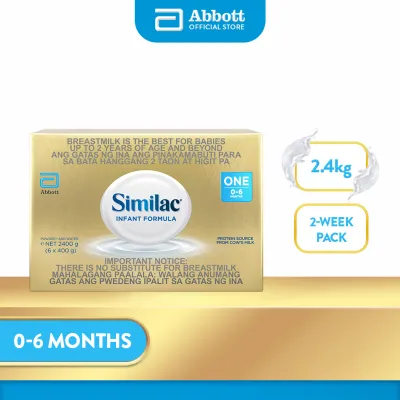
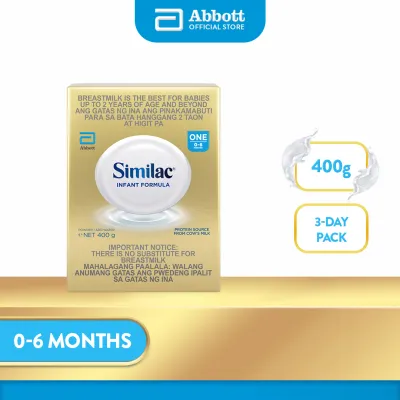
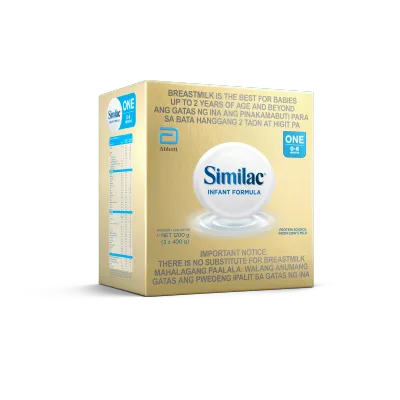
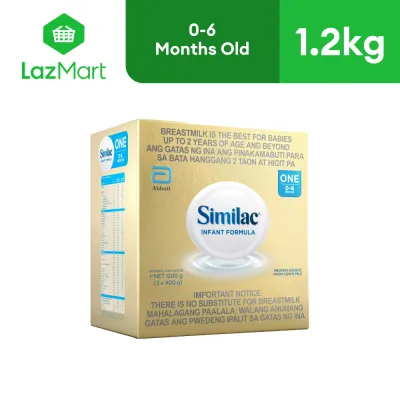
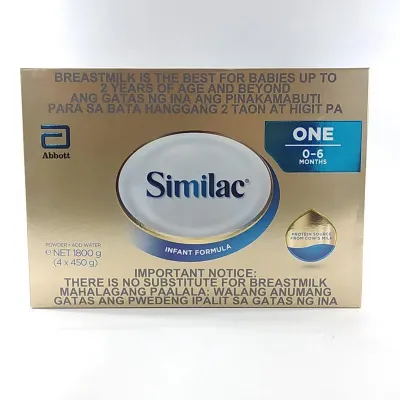
Prices are valid at publication and may change. Please refer to the product page for the latest price.
Nutritional Profiles of Similac 0 to 6 Months, NAN, and Enfamil
All standard Stage 1 infant formulas legally sold in the Philippines are strictly regulated to ensure they meet essential nutritional baselines. Regulatory bodies, including the Food and Drug Administration (FDA) of the Philippines, align with international standards set by the Codex Alimentarius. These regulations guarantee that whether you choose Similac, NAN, or Enfamil, your baby will receive the necessary macronutrients (proteins, fats, and carbohydrates), vitamins, and minerals required for healthy growth during the first six months of life. However, each brand utilizes distinct ingredient blends and proprietary technologies to differentiate its product.
Similac Stage 1
Similac Stage 1 formulas, such as Similac 1, focus heavily on supporting the newborn’s developing immune system and physical growth. When looking at options like Similac 0 to 6 months, the brand often highlights its inclusion of 2′-FL Human Milk Oligosaccharides (HMOs). HMOs are structurally identical to prebiotics found naturally in breastmilk, which serve to nourish beneficial bacteria in the gut and support the immune barrier. Additionally, Similac formulations typically feature a unique lipid blend that excludes palm olein oil. This palm-free fat blend is designed to promote better calcium absorption and support softer stools, addressing a common concern among parents regarding infant constipation. Parents should always verify the exact ingredient list on the specific tin, as formulations are updated periodically by the manufacturer.
NAN Stage 1
Nestlé’s NAN Stage 1 (often marketed as NAN Optipro 1) centers its nutritional strategy on protein optimization and gastrointestinal health. Recognizing that a newborn’s kidneys and digestive tract are highly immature, the brand utilizes a proprietary protein blend called OPTIPRO. This process optimizes the protein quality and quantity, aiming to provide the right amount of amino acids without overloading the infant’s metabolic system. Furthermore, NAN Stage 1 is widely recognized for incorporating active probiotics, specifically Bifidobacterium lactis (B. lactis). These beneficial microorganisms help colonize the infant’s gut, supporting digestive comfort and reinforcing the natural intestinal barrier. When purchasing, caregivers should check the packaging to confirm the specific probiotic strains and nutritional values present in the current batch.
Enfagrow / Enfamil Stage 1
To avoid confusion, parents should note that while the brand name “Enfagrow” is highly recognizable in the Philippines, it typically designates Stage 3 formulas for toddlers. For infants aged 0 to 6 months, the corresponding product is Enfamil A+ Stage 1 or Enfagrow A+ Step 1, depending on the specific product line and retailer. This brand has historically positioned itself around brain and visual development. Its formulas are characterized by high levels of Docosahexaenoic Acid (DHA) and Arachidonic Acid (ARA), which are crucial fatty acids for early myelination and retinal development. Many premium variants also include Milk Fat Globule Membrane (MFGM), a complex structure of proteins and lipids that plays a role in cognitive function and immune defense. Parents must carefully read the product label to verify the exact DHA and ARA ratios and ensure the product is explicitly formulated for the 0 to 6 months age bracket.
Digestibility, Tolerance, and Allergy Considerations
A newborn’s digestive system is highly sensitive and undergoes rapid maturation during the first six months of life. Understanding what constitutes normal digestion versus potential intolerance is vital for parents monitoring their baby’s reaction to formula. Normal newborn digestion often includes passing soft, mustard-colored or yellowish-brown stools, occasional mild spitting up after feeds, and passing gas without prolonged crying. Conversely, signs of potential formula intolerance or digestive distress include projectile vomiting, severe abdominal bloating, persistent fussiness or colic lasting hours, explosive or watery diarrhea, blood or mucus in the stool, and poor weight gain.

The physical structure of the proteins and fats in each formula can influence how easily a baby digests them. For instance, NAN’s optimized whey-to-casein ratio is designed to form a softer curd in the stomach, mimicking the digestion rate of natural milk proteins. Similac’s palm-free oil blend aims to prevent the formation of calcium soaps in the gut, which can otherwise lead to harder stools and mild constipation. Meanwhile, Enfamil’s addition of MFGM and specific prebiotics aims to support a balanced gut environment. Despite these scientific designs, every baby’s digestive tract is unique, and what is easily tolerated by one infant may cause gas or mild reflux in another.
When digestive issues arise, parents often consider alternative formula types. Standard formulas utilize intact cow’s milk proteins. If a baby experiences mild gas or fussiness, a pediatrician might suggest a partially hydrolyzed formula, often labeled as “Gentle” or “Comfort” options, where the proteins are partially broken down into smaller, more digestible pieces. For babies diagnosed with a true cow’s milk protein allergy (CMPA), extensively hydrolyzed or amino acid-based formulas are required, as these contain proteins broken down so minutely that the immune system does not recognize them as allergens.
It is a critical safety boundary that parents must never diagnose allergies or lactose intolerance independently. Switching a newborn to a specialized, lactose-free, or hypoallergenic formula without a pediatrician’s evaluation and prescription can disrupt the baby’s nutritional balance, alter the gut microbiome unnecessarily, and mask underlying medical conditions. If you suspect your baby is experiencing formula intolerance, consult your healthcare provider before making any changes.
Pricing, Availability, and Value in the Philippines
Infant formula represents a recurring monthly expense, making it important for families in the Philippines to evaluate both cost and value systematically. When comparing Similac, NAN, and Enfamil, looking solely at the price tag of a single tin can be misleading. Instead, parents should calculate the cost per gram or cost per serving. To do this, divide the total retail price of the container by its weight in grams, or calculate the number of actual feeds a single tin yields based on the manufacturer’s feeding table. This approach reveals the true long-term financial commitment of each option.
In the Philippine market, these three brands are positioned within the premium price tier. Prices fluctuate based on the tin size, which typically ranges from small 400-gram tins to larger 800-gram, 900-gram, or even 1.2-kilogram economy packs. While larger tins generally offer a lower cost per gram, it is highly recommended to purchase smaller 400-gram tins when first introducing a formula or transitioning to a new brand. This prevents significant financial waste if the baby does not tolerate the new formula and a doctor recommends a different option. Parents should check local supermarkets, drugstores, and official brand outlets to compare current pricing.
Ensuring product safety and authenticity is paramount when purchasing infant formula. Counterfeit, expired, or improperly stored formula poses extreme health risks to a newborn’s fragile immune system. The high humidity and tropical temperatures of the Philippines can accelerate the degradation of nutrients and promote bacterial growth if the formula is not kept in optimal conditions. To mitigate these risks, always buy formula from authorized and reputable channels. These include official flagship brand stores on major e-commerce platforms, established supermarket chains, and licensed pharmacies (such as Mercury Drug or Watsons). Avoid purchasing from unverified third-party sellers, parallel importers, or online listings with unusually low prices, as these products may be counterfeit, expired, or stored in hot, humid warehouses that compromise their safety.
Safe Preparation and Transitioning Guidelines
Proper preparation and handling of infant formula are critical to protecting your newborn from harmful bacteria and ensuring they receive accurate nutrition. Always begin by thoroughly washing your hands with soap and water, and ensure that the preparation area is clean. All feeding equipment—including bottles, teats, collars, and caps—must be thoroughly washed and sterilized using a steam sterilizer, UV sterilizer, or by boiling them in water for at least five minutes.
When preparing the feed, use clean drinking water that has been boiled and allowed to cool. Follow the manufacturer’s instructions on the tin regarding the ideal water temperature; some formulas require water cooled to room temperature, while others recommend water around 70°C to ensure sterility. Always pour the correct volume of water into the sterilized bottle first, and then add the exact number of level scoops of powder as indicated on the feeding chart. Never pack the powder tightly into the scoop, and use the flat edge of a clean knife to level it.
Maintaining the precise water-to-powder ratio is vital:
- Over-diluting the formula by adding too much water dilutes essential nutrients and calories. This can lead to nutritional deficiencies, slow weight gain, and in severe cases, water intoxication, which causes electrolyte imbalances.
- Under-diluting the formula by adding too much powder or packing the scoops too tightly concentrates the feed. This places excessive stress on the baby’s immature kidneys, increases the risk of severe dehydration, and can cause painful constipation.
If a pediatrician recommends switching your baby’s formula, the transition should generally be done gradually to allow the baby’s digestive enzymes and gut flora to adapt. A typical transition protocol involves gradually mixing the old and new formula over several days:
- Days 1 to 2: Prepare bottles containing 75% of the old formula and 25% of the new formula.
- Days 3 to 4: Prepare bottles with a 50/50 mix of both formulas.
- Days 5 to 6: Prepare bottles containing 25% of the old formula and 75% of the new formula.
- Day 7 onwards: Offer 100% of the new formula.
During any transition, monitor your baby closely for adverse reactions. Stop using the new formula and contact your pediatrician immediately if you observe red flags such as persistent vomiting, an unexplained skin rash or hives, extreme lethargy, constant crying indicating severe pain, or signs of dehydration (such as a sunken fontanelle or fewer than six wet diapers in a 24-hour period). Additionally, remember that once a bottle of formula is prepared, it must be consumed within the timeframe specified by the manufacturer—typically within one to two hours. Any remaining formula left in the bottle after a feed must be discarded immediately, as the baby’s saliva introduces bacteria that multiply rapidly in the warm milk.
Frequently Asked Questions (FAQ)
Can I mix Similac and NAN in the same bottle?
It is strongly advised not to mix different formula brands, such as Similac and NAN, in the same bottle unless explicitly instructed by your pediatrician. Each brand uses unique scoop sizes, powder densities, and specific water-to-powder ratios designed to achieve a precise balance of nutrients and hydration. Mixing them can easily result in an incorrect concentration, leading to nutritional imbalances, digestive issues, or dehydration. If you are transitioning between brands, it is safer to prepare separate bottles of each formula and offer them at different feeding times, or carefully follow a pediatrician-approved mixing schedule.
How do I know if my baby needs a sensitive or lactose-free formula?
Only a qualified pediatrician can determine if your baby requires a sensitive or lactose-free formula. Standard newborn fussiness, mild gas, and occasional spitting up are normal parts of digestive development and do not typically require specialized milk. However, if your baby displays persistent symptoms such as severe colic, excessive gas accompanied by intense crying, chronic diarrhea, or skin rashes, your doctor may evaluate them for issues like temporary lactose intolerance or a cow’s milk protein allergy. Never switch to specialized formulas independently, as this can complicate diagnosis and disrupt your baby’s nutrition.
Is it safe to buy Stage 1 formula from online marketplaces?
Purchasing Stage 1 formula from online marketplaces is safe only if you buy directly from the brand’s official flagship store or highly reputable, authorized retail partners. Avoid purchasing from unverified third-party merchants or individual sellers offering deeply discounted prices. There is a high risk of receiving counterfeit products, expired batches, or formula that has been stored in hot, humid conditions, which can spoil the powder and endanger your newborn’s health. Always check for official mall badges, read customer reviews, and verify the seller’s credentials before purchasing.
Community discussion
Share your experience or ask a question. Comments are reviewed before publication.