
Finding the right formula for a baby with a sensitive stomach requires matching the formula’s specific design with your baby’s digestive needs. When comparing Similac Tummy Care, NAN, and Nido for the 0-12 month age range, the ideal choice depends entirely on the underlying cause of your baby’s discomfort. Similac Tummy Care and specialized NAN formulas are specifically designed for infants with mild digestive issues, utilizing partially hydrolyzed proteins and reduced lactose. In contrast, standard Nido products are formulated for toddlers aged one year and older, making them unsuitable for infants under 12 months unless a specific, medically approved infant variant is available in your area.
Because every infant’s digestive system develops at a unique pace, what works for one baby may not work for another. Parents must carefully evaluate the specific ingredients on the packaging and consult a pediatrician to determine the root cause of any digestive issues before switching formulas.
Understanding Your Baby's Digestive Sensitivity
Before selecting a sensitive stomach formula, it is essential to identify the specific type of digestive issue your baby is experiencing. Infant digestive tracts are highly immature, which often leads to temporary discomfort as they adapt to processing nutrients. Common sensitivities generally fall into three categories: lactose sensitivity, cow’s milk protein sensitivity, and general developmental gas or fussiness.
Products mentioned in this guide



Prices are valid at publication and may change. Please refer to the product page for the latest price.
Lactose sensitivity occurs when a baby’s gut produces insufficient lactase, the enzyme needed to break down lactose, which is the primary sugar found in breast milk and standard cow’s milk formulas. This can lead to fermentation in the gut, causing bloating, gas, and watery stools. On the other hand, a true cow’s milk protein allergy (CMPA) is an immune system response to the proteins in cow’s milk, which requires a completely different, highly specialized hypoallergenic formula rather than a standard sensitive formula.
Parents can monitor several observable signals to determine if their baby is struggling with digestion. Frequent spit-ups, excessive crying or pulling up of the legs after feeding, abdominal hardness, and unusual stool consistency are common indicators of discomfort. However, because these symptoms can also point to more serious medical conditions, a professional pediatric diagnosis is always the necessary first step before making any changes to your baby’s diet.
Comparing Similac Tummy Care, NAN, and Nido Formulas
When comparing these three prominent brands, parents must look closely at the target age groups and specific ingredient formulations printed on the labels. Each brand approaches digestive comfort differently, and some are not designed for infants at all.

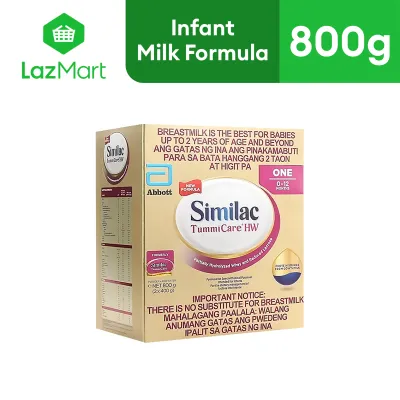
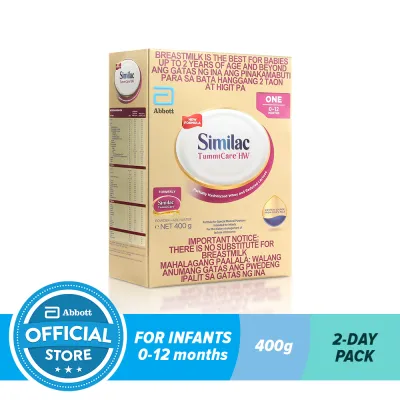
Similac Tummy Care (often found as Similac Tummicare HW for the 0-12 month stage) is specifically formulated for infants experiencing fussiness, gas, or mild spit-up due to lactose sensitivity. The label indicates that it contains partially hydrolyzed whey proteins, which are pre-digested or broken down into smaller pieces to make them easier for an immature gut to process. Additionally, it features a significantly reduced lactose content, replacing standard milk sugars with alternative carbohydrates that are gentler on babies with temporary lactase deficiency.
NAN offers specialized options within its infant range, such as NAN Sensitive or NAN Infinite Pro HW, designed for babies from birth up to 12 months. These formulas focus heavily on protein optimization, utilizing partially hydrolyzed whey proteins to reduce the digestive load on the stomach. The labels on these formulas also highlight the inclusion of specific probiotic strains and prebiotic fibers, which are intended to support the development of a healthy gut microbiome and improve stool consistency.
Nido is a highly popular brand, but parents must exercise extreme caution regarding its age suitability. Standard Nido products, such as Nido 1+ or Nido 3+, are formulated specifically for toddlers and young children over the age of one. These products contain intact cow’s milk proteins and standard lactose levels, which are highly inappropriate and potentially harmful for an infant’s developing digestive system under 12 months. Unless you have verified the existence of a specialized, medically cleared Nido infant formula variant in your local market, Nido should be excluded from your options for the 0-12 month stage.
| Formula Name | Target Age Group | Primary Protein Source | Lactose Status | Key Label Features to Verify |
|---|---|---|---|---|
| Similac Tummicare HW | 0 to 12 months | Partially hydrolyzed whey protein | Low lactose / Lactose-reduced | Easy-to-digest proteins, prebiotic blends |
| NAN Sensitive / HW Variants | 0 to 12 months | Partially hydrolyzed whey protein | Low lactose or modified lactose | Active probiotic strains (e.g., L. reuteri) |
| Standard Nido (e.g., Nido 1+) | 1 year and older | Intact cow's milk protein | Standard lactose | Not suitable for infants under 12 months |
Key Label Checks for Sensitive Stomach Formulas
Navigating the ingredient list on a formula tin can be overwhelming, but focusing on a few key components will help you make an informed decision. The first element to verify is the carbohydrate source, which indicates the lactose level of the formula. If a formula is labeled as “low lactose” or “lactose-free,” the ingredient list will typically feature alternative carbohydrates like maltodextrin, corn syrup solids, or sucrose near the top of the list to ensure the baby still receives adequate energy.
Next, examine the protein structure listed on the label. Standard formulas contain intact proteins, which require the baby’s digestive system to do all the work of breaking them down. Sensitive formulas will specify “partially hydrolyzed” or “gentle” proteins, meaning the protein chains have already been partially broken down using heat or enzymes. If your baby has a diagnosed cow’s milk protein allergy, even partially hydrolyzed proteins may trigger a reaction, meaning you will need to look for “extensively hydrolyzed” or “amino acid-based” labels under medical supervision.
Finally, check for gut-supporting ingredients, which are often listed under the prebiotic or probiotic sections of the nutrition panel. Look for specific probiotic strains, such as Lactobacillus reuteri (L. reuteri) or Bifidobacterium lactis, which have been studied for their role in reducing crying time in colicky infants. Prebiotics, often listed as galacto-oligosaccharides (GOS) or fructo-oligosaccharides (FOS), serve as food for beneficial gut bacteria and help promote softer stools.
Decision Framework: Choosing the Right Formula
Selecting the right formula requires a systematic approach based on your baby’s specific symptoms and the guidance of your pediatrician.
Choose Similac Tummy Care if:
Your pediatrician suspects that your baby’s gas, bloating, and fussiness are primarily driven by a mild sensitivity to lactose. This formula is highly suitable when the goal is to reduce the lactose load while providing easily digestible, partially hydrolyzed proteins. It is an appropriate option for daily management of mild, non-allergic digestive discomfort during the first year of life.
Choose NAN if:
The primary recommendation from your healthcare provider is to focus on optimized, partially hydrolyzed proteins to ease overall digestion, or if you want to introduce specific probiotics to support gut health. NAN’s sensitive and comfort variants are well-suited for babies who experience mild spit-up or irregular stools but do not have a diagnosed milk allergy.
Choose Nido if:
Your child has reached 12 months of age, has transitioned successfully past the infant stage, and does not suffer from clinical milk sensitivities. Standard Nido formulas can provide excellent toddler nutrition once the digestive system is mature enough to handle intact cow’s milk proteins and standard lactose levels. Do not use standard Nido products for infants under 12 months.
Neither may fit if:
Your baby exhibits severe symptoms such as blood or mucus in the stool, persistent vomiting, poor weight gain, or widespread skin rashes. These signs often point to a true cow’s milk protein allergy (CMPA) rather than a simple sensitive stomach. In these cases, standard sensitive formulas will not provide relief, and your pediatrician will need to prescribe a specialized hypoallergenic or amino acid-based formula.
Transitioning Formulas and Monitoring Your Baby
Once you and your pediatrician have selected a new formula, transitioning must be done carefully to avoid shocking your baby’s delicate digestive tract. A sudden switch can sometimes cause temporary gas or stool changes, making it difficult to tell if the new formula is actually helping.
A gradual transition is generally recommended, slowly introducing the new formula over a period of several days. This can be done by replacing one feeding per day with the new formula, gradually increasing the number of new feedings over four to seven days until the transition is complete. Always follow the specific preparation instructions on the new formula tin, as mixing ratios and scoop sizes vary significantly between brands.
During and after the transition, keep a daily log of your baby’s behavior and physical responses. Look for positive signs of improvement, such as a reduction in crying episodes, less intense gas, more relaxed feedings, and stools that are soft and easy to pass. It is normal for stool color to change slightly when switching brands, especially if the iron or prebiotic content differs.
In warm and highly humid tropical climates like the Philippines, proper storage of opened formula is critical to prevent spoilage and clumping. Always store the tightly sealed tin in a cool, dry pantry away from direct sunlight, and never store it in the refrigerator, as the moisture can encourage bacterial growth. Use the contents within the timeframe specified by the manufacturer, which is typically within three to four weeks of opening.
If your baby develops any red flag symptoms during the transition—such as severe vomiting, hives, extreme lethargy, or blood in their stool—stop using the new formula immediately and contact your healthcare provider or seek emergency medical attention.
Frequently Asked Questions (FAQ)
Can I mix two different formula brands in one bottle?
You should avoid mixing two different formula brands or types in a single bottle unless specifically instructed to do so by your pediatrician. Each formula brand has a unique scoop size and a precise ratio of powder to water designed to deliver a specific concentration of nutrients. Mixing them can alter this delicate balance, potentially leading to dehydration, kidney strain, or severe digestive upset for your baby. If you are transitioning between brands, it is safer to offer separate, sequential bottles of each formula rather than combining them in one preparation.
How long should I wait to see if a new formula works?
It typically takes between 7 to 14 days for an infant’s digestive system to fully adjust to a new formula. During the first few days of a switch, your baby may experience minor changes in stool frequency or gas as their gut bacteria adapt to the new ingredients. Unless your baby shows severe adverse reactions or red flags, try to maintain the new formula for at least two weeks before deciding whether it has successfully resolved their digestive sensitivity. Always consult your pediatrician before making another switch, as changing formulas too frequently can further irritate your baby’s stomach.
Community discussion
Share your experience or ask a question. Comments are reviewed before publication.