
Finding the right formula for a baby with a sensitive stomach can feel overwhelming, especially with many options on supermarket shelves in the Philippines. While Similac TummiCare is widely recognized for digestive comfort, comparing it to other major brands like Nido, NAN, and Enfagrow requires looking closely at specific product lines, age gradings, and ingredient formulations. There is no single “best” formula for every infant; instead, the ideal choice depends entirely on your baby’s unique digestive profile, their exact age, and the guidance of your pediatrician. By learning how to read and compare formula labels, you can make an informed decision that supports your little one’s growth and comfort.
Identifying Your Baby's Digestive Needs
Infant digestive systems are highly delicate and undergo rapid development during the first year of life. It is entirely normal for babies to experience occasional fussiness, mild gas, or slight spit-up as their bodies adapt to processing milk. These common adjustments usually do not require a specialized formula and can often be managed with simple feeding adjustments, such as keeping the baby upright after feeds.
However, persistent discomfort may point to an underlying sensitivity that warrants closer attention. It is crucial to distinguish between lactose sensitivity and a cow’s milk protein allergy (CMPA), as these two conditions require completely different dietary interventions. Lactose sensitivity involves difficulty digesting the natural sugars in milk, often leading to gas and bloating, whereas CMPA is an immune system response to the proteins in cow’s milk, which can cause more severe systemic reactions.
Products mentioned in this guide







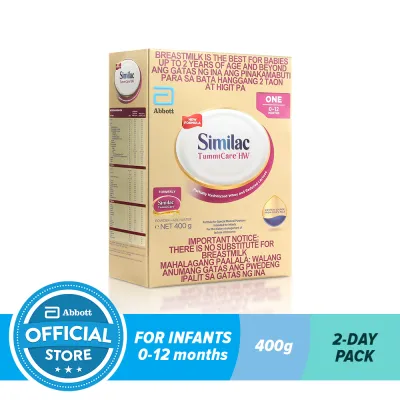
Prices are valid at publication and may change. Please refer to the product page for the latest price.
Before making any changes to your baby’s diet, a formal diagnosis from a pediatrician is absolutely essential. Switching formulas without medical guidance can disrupt your baby’s digestion further and make it harder to identify the actual cause of their discomfort. Your pediatrician can help determine whether your baby’s symptoms are part of normal development or if they require a specialized, gentle, or hypoallergenic formula.
Evaluating Similac TummiCare Against Nido, NAN, and Enfagrow
When comparing Similac TummiCare against other household names like Nido, NAN, and Enfagrow, it is vital to understand that you cannot simply compare the master brands. Each of these brands manufactures a wide array of product lines, ranging from standard routine formulas to specialized gentle variants and toddler growing-up milks. To make a valid comparison, you must look at the specific “gentle” or sensitive-tummy variants within each brand’s portfolio.

Similac TummiCare is specifically formulated and marketed to address digestive sensitivities, but parents must still verify its exact protein and carbohydrate composition on the physical packaging. This formula is designed for specific developmental stages, and its nutritional profile is tailored accordingly. Comparing an infant-specific formula like Similac TummiCare to a standard toddler milk from another brand is an invalid comparison that could compromise your baby’s nutritional intake.
Always check the target age range printed clearly on the front of the tin. Infant formulas (typically for babies aged 0 to 12 months) have strict nutritional standards to serve as a sole source of nutrition, whereas toddler milks (often for children aged 1 year and above) are meant to supplement a solid food diet. Ensuring that any formula you evaluate matches your baby’s exact age and developmental stage is the first and most critical step in your comparison.
Checking Similac TummiCare Label Claims
To understand how Similac TummiCare might support a sensitive stomach, you must carefully examine the claims and ingredient lists on its physical label. Start by verifying the protein structure of the formula. Look for terms like “partially hydrolyzed whey protein,” which indicates that the milk proteins have been broken down into smaller, easier-to-digest pieces to help reduce the digestive workload on your baby’s stomach.
Next, inspect the carbohydrate source listed on the nutrition panel. Similac TummiCare is often formulated with a reduced lactose content or alternative carbohydrate sources to accommodate infants who struggle to digest standard levels of lactose. Confirming these details on the current packaging ensures you are getting the exact formulation your baby needs, as product recipes can occasionally be updated by the manufacturer.
Additionally, check the label for gut health additives, such as prebiotics or specific probiotic strains. These ingredients are often included to support a healthy gut microbiome and aid overall digestion. Finally, double-check the age grading on the tin to guarantee it is appropriate for your baby’s current growth stage, whether they are a newborn or transitioning into their toddler months.
Reviewing Nido, NAN, and Enfagrow Options
To conduct a fair comparison, you must identify the specific sensitive or “gentle” variants offered by NAN, Enfagrow, and Nido. For instance, NAN and Enfagrow both offer specialized lines designed for easy digestion, often featuring partially hydrolyzed proteins or modified lactose levels. You will need to locate these specific tins on the shelf and compare their ingredient lists directly against Similac TummiCare.
In contrast, standard product lines under the Nido or Enfagrow brands are frequently formulated as growing-up milks for older toddlers who no longer have the delicate digestive systems of young infants. Using a standard toddler milk for an infant under 12 months, or for a baby with a diagnosed digestive sensitivity, can lead to severe nutritional deficiencies and increased digestive distress. These standard formulations typically contain intact proteins and full lactose levels, which are unsuitable for sensitive infant tummies.
When reviewing these options, carefully compare the ingredient lists for potential triggers. If your pediatrician has identified a specific sensitivity to intact cow’s milk protein or lactose, verify that the chosen variant explicitly addresses this on its label. Never assume a formula is “gentle” based on the brand name alone; always let the physical ingredient list and age indications guide your purchase.
Key Ingredients to Verify on Formula Labels
Reading a formula label can feel like learning a new language, but focusing on three key ingredient categories can simplify the process. The first category is the protein type. Standard formulas use intact proteins, which are whole milk proteins that require a fully mature digestive system to break down. Partially hydrolyzed proteins are pre-broken down into smaller segments, making them highly suitable for mild sensitivity, while extensively hydrolyzed or amino acid-based proteins are broken down completely and are typically reserved for babies with diagnosed cow’s milk protein allergies.
The second category to verify is the carbohydrate source. While lactose is the primary and highly beneficial carbohydrate in standard breast milk and routine formulas, some babies with temporary or diagnosed sensitivities benefit from alternative sugars. Look at the ingredient list to see if lactose has been partially or fully replaced by ingredients like maltodextrin, corn syrup solids, or sucrose, which can be easier for a lactose-sensitive gut to process.
The third category involves gut health additives, which are increasingly common in modern formulas. Prebiotics, such as galacto-oligosaccharides (GOS) and fructo-oligosaccharides (FOS), serve as food for beneficial gut bacteria. Probiotics are live beneficial microorganisms that help maintain a balanced digestive tract. Checking the nutrition panel for these specific additives can help you choose a formula that actively supports your baby’s developing digestive health.
Decision Framework: Choosing the Right Formula
To help you navigate these choices, establish a clear decision framework based on your baby’s age, symptoms, and professional medical advice. If your baby is an infant under 12 months, experiences mild gas or fussiness, and your pediatrician approves a partially hydrolyzed, low-lactose diet, Similac TummiCare may be a highly suitable option to discuss. Ensure you verify that the specific tin you purchase matches your baby’s exact age bracket.
Alternatively, you might choose a specific “gentle” or sensitive variant of NAN or Enfagrow if your baby falls into their designated age ranges and the label specifications align perfectly with your pediatrician’s recommendations. These variants can be excellent alternatives if your doctor suggests a specific protein-to-whey ratio or a particular blend of prebiotics that matches your baby’s digestive patterns.
You must avoid standard Nido or standard toddler milks if your baby is under 12 months old or has a diagnosed digestive sensitivity. These products are not designed to meet the rigorous nutritional needs of infants, nor are they formulated to accommodate delicate, sensitive digestive tracts. Using them prematurely can worsen digestive symptoms and lead to nutritional imbalances.
Most importantly, always prioritize a consultation with your pediatrician before making a final decision. If your baby exhibits severe symptoms—such as blood in their stool, persistent vomiting, poor weight gain, or extreme lethargy—or if you find the claims on formula labels confusing, seek professional medical advice immediately. Your pediatrician is the only one who can safely guide your baby’s nutritional path.
Safe Transitioning and When to Stop
Once you and your pediatrician have selected a new formula, transitioning your baby safely requires a gradual approach. A sudden switch can shock your baby’s sensitive digestive system, potentially causing temporary gas, fussiness, or changes in stool consistency. To minimize discomfort, gradually introduce the new formula over several days by slowly replacing one feeding per day with the new option until the transition is complete.
During the first few days of the transition, it is common to observe mild changes in your baby’s stool frequency, color, or consistency. This is typically a normal part of the digestive system adapting to the new protein or carbohydrate structures. However, these minor adjustments should stabilize within a week or two as your baby’s gut acclimates to the new formulation.
You must monitor your baby closely for any severe reactions during and after the transition. Stop using the new formula and consult your pediatrician immediately if you observe red flags such as persistent vomiting, skin rashes or hives, bloody or extremely watery stools, severe lethargy, or signs of dehydration, such as fewer wet diapers. Your baby’s safety and comfort should always remain the top priority.
Frequently Asked Questions (FAQ)
Can I mix Similac TummiCare with another brand during the transition?
Mixing two different formula brands or types in the same bottle is generally not recommended by pediatricians and manufacturers. Different formulas have unique powder-to-water ratios, scoop sizes, and nutrient densities; mixing them in one bottle can alter the concentration of nutrients and water, potentially leading to dehydration or digestive strain. Instead, the safest way to transition is to alternate complete feeds, gradually replacing one full bottle of the old formula with the new one each day.
How long should I wait to see if a new formula works?
It typically takes anywhere from a few days to two full weeks for a baby’s sensitive digestive system to fully adapt to a new formula. During this adjustment period, keep a daily log of your baby’s symptoms, stool patterns, and overall comfort levels to share with your doctor. If your baby’s symptoms worsen, if new symptoms develop, or if there is absolutely no improvement after two weeks, stop waiting and consult your pediatrician for further guidance.
Community discussion
Share your experience or ask a question. Comments are reviewed before publication.