
When choosing a formula for your newborn, it is natural to look for a single, definitive winner. However, pediatric science confirms there is no universal “best” option among premium brands like Similac Gold, NAN, and Enfamil. Every infant possesses a unique digestive system, metabolic rate, and tolerance level, meaning the ideal choice is highly individual.
The primary keyword meaning of similac gold 0 to 6 months represents a highly regarded premium option, but its suitability depends entirely on how your baby’s system reacts to its specific ingredients. While one infant may thrive on a formula designed with specific prebiotic structures, another may experience less gas or colic on a formula with optimized protein ratios.
It is vital to establish that breast milk is the gold standard for infant nutrition, providing unmatched immunological and developmental benefits. When breast milk is unavailable, insufficient, or a family chooses to supplement, any transition to a Stage 1 formula must be done under the direct supervision of a pediatrician. This medical guidance is especially critical for infants with a history of premature birth, low birth weight, or a family predisposition to allergies.
Products mentioned in this guide
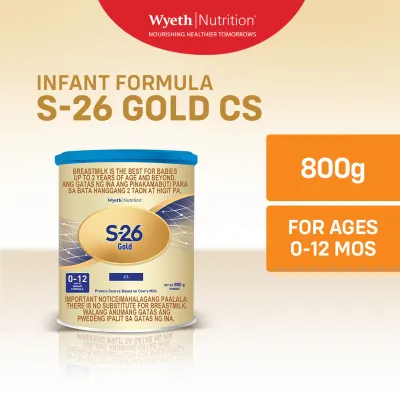
Prices are valid at publication and may change. Please refer to the product page for the latest price.
Clarifying the Lineup: Similac Gold, NAN Optipro, and Enfamil/Enfagrow
Navigating the infant formula aisle in the Philippines can be challenging due to overlapping brand names and regional labeling differences. Parents searching for the ideal option for their newborn often encounter terms like Similac Gold, NAN Optipro, and Enfagrow. Understanding exactly what these labels mean in the local market is the first step toward making an informed purchase.
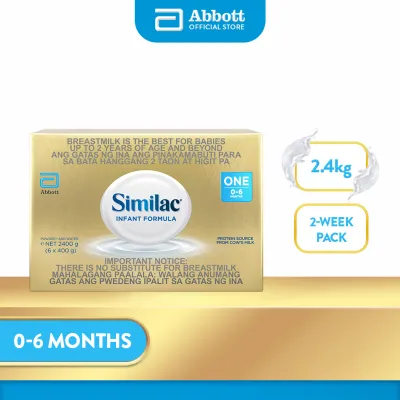
Similac Gold: In the Philippine market, Abbott’s primary premium offering for infants aged 0 to 6 months is often labeled as Similac Gold 1 or Similac Advance. This line is highly recognized for its focus on supporting the immune system and gentle digestion. When looking for a formula suitable for the first six months, parents should check the tin to ensure it is designated as Stage 1.
NAN Optipro: Manufactured by Nestlé, NAN Optipro 1 is the designated Stage 1 formula for infants from birth up to six months. The “Optipro” designation refers to Nestlé’s proprietary process for optimizing both the quality and quantity of proteins. This brand is heavily marketed toward supporting gentle digestion and steady, balanced physical growth.
Enfagrow vs. Enfamil: A frequent source of confusion for Filipino parents is the distinction between Enfamil and Enfagrow, both produced by Mead Johnson. While search terms like “Enfagrow Stage 1” are common, Enfagrow is actually formulated for older toddlers, typically Stage 3 or 4 for children aged one year and older. The correct product for a newborn from 0 to 6 months is Enfamil A+ One (or Enfamil A+ Stage 1). Parents must look for the Enfamil label rather than Enfagrow when buying for a newborn.
Regardless of marketing focuses, all three of these premium brands must strictly comply with the regulations set by the Philippine Food and Drug Administration (FDA) and international Codex Alimentarius standards. These regulatory frameworks guarantee that any standard Stage 1 infant formula sold in registered retail outlets contains the essential macro- and micronutrients required to sustain healthy infant growth.
How to Compare Core Nutritional Dimensions on the Label
To move past marketing claims on the front of the tin, parents should learn to analyze the Nutritional Information Panel (NIP) and the ingredient list on the back. Comparing these values systematically allows you to understand what your baby is actually consuming.

Protein Quality and Digestibility
The protein structure of infant formula is a primary driver of digestive comfort. Breast milk naturally features a whey-to-casein protein ratio of approximately 60:40 during early lactation, which forms a soft, easily digestible curd in the infant’s stomach. Standard cow’s milk, by contrast, has a much higher proportion of casein, which can be harder for a newborn’s immature digestive tract to break down.
When evaluating these brands, look at the whey-to-casein ratio listed on the NIP. NAN Optipro 1, for example, emphasizes its optimized protein blend, which aims to provide high-quality whey proteins to match the developmental needs of a newborn without overloading their kidneys. Parents should check the protein content, typically measured in grams per 100 kilocalories (kcal) or per 100 milliliters (ml) of prepared formula, to compare how closely each brand aligns with standard physiological requirements.
Additionally, parents should note whether a formula uses intact proteins or partially hydrolyzed proteins. Partially hydrolyzed formulas have proteins that are already broken down into smaller fragments, making them easier to digest for babies prone to mild gas or fussiness. If your baby exhibits signs of severe digestive distress, consult your pediatrician before switching to specialized hypoallergenic (HA) or comfort formulas, as these are medical foods that require professional diagnosis.
Brain and Vision Support (DHA/ARA)
Docosahexaenoic acid (DHA) and arachidonic acid (ARA) are long-chain polyunsaturated fatty acids that play critical roles in the rapid development of a newborn’s brain and retina during the first six months of life. While most premium Stage 1 formulas include these fatty acids, the exact concentrations can vary between brands.
Instead of relying on vague front-of-pack labels claiming “high DHA,” parents should turn the tin over and locate the exact milligrams (mg) of DHA and ARA per 100 kcal or 100 ml. This quantitative comparison provides an objective measure of the nutrient density.
Enfamil A+ One frequently highlights the inclusion of Milk Fat Globule Membrane (MFGM) alongside its DHA content. MFGM is a complex, three-layered lipid-and-protein membrane that naturally surrounds fat droplets in breast milk. Emerging pediatric research suggests that MFGM, when paired with DHA, supports cognitive development and immune defense. Parents interested in this component should check the ingredient list of Enfamil A+ One to verify its presence and discuss its potential benefits with their pediatrician.
Gut Health and Immunity Boosters
A newborn’s immune system is closely linked to their gut microbiome, which undergoes rapid colonization during the first few months of life. To support this process, manufacturers add prebiotics, probiotics, or human milk oligosaccharides (HMOs) to their Stage 1 formulations.
Prebiotics, such as galacto-oligosaccharides (GOS) and fructo-oligosaccharides (FOS), are non-digestible fibers that serve as food for beneficial gut bacteria. These fibers help promote softer stools, reducing the likelihood of constipation—a common concern for formula-fed infants in the Philippines.
Similac Gold 1 is particularly known for highlighting the inclusion of 2′-fucosyllactose (2′-FL) HMO. HMOs are the third most abundant solid component in breast milk, and 2′-FL is the most prevalent HMO. While synthesized for formula, 2′-FL is structurally identical to the prebiotic found in breast milk and helps nourish beneficial gut bacteria while blocking pathogens. Parents should check the ingredient list of Similac Gold to locate 2′-FL and other prebiotic fibers.
It is crucial to remember that while these gut-health ingredients support general immunity, they do not replace routine childhood vaccinations or prescribed medical treatments. Any health benefits claimed by these ingredients should be viewed as supportive measures, and parents must verify the current ingredients on the product label as formulations can change.
Safe Sourcing and Preparation Practices in the Philippines
In the Philippines, ensuring the safety and authenticity of infant formula is just as important as choosing the right brand. The local market presents unique challenges, including the risk of counterfeit products, improper storage in high-humidity environments, and water safety concerns. Following strict sourcing and preparation protocols is essential to protect your newborn’s health.
Sourcing Safely: Parents should only purchase Stage 1 formulas from major physical supermarkets, established drugstore chains (such as Mercury Drug or Watsons), or official brand flagship stores on reputable e-commerce platforms. Avoid buying formula from unauthorized third-party sellers, social media marketplaces, or parallel importers. These unauthorized sources may sell counterfeit products, expired batches, or tins that have been stored in hot, humid warehouses, which degrades the nutritional quality and poses severe safety risks.
Preparation Safety: Always read and strictly follow the exact mixing instructions printed on the specific tin of formula you are using. Scoop sizes and water ratios vary significantly between Similac Gold, NAN Optipro, and Enfamil. Never dilute the formula by adding extra water to make the tin last longer, as this can lead to severe malnutrition, electrolyte imbalances, and a dangerous condition known as water intoxication. Conversely, do not pack the scoop or add extra powder, as under-dilution can put a dangerous strain on your baby’s kidneys and cause severe dehydration.
Water Quality: Always use safe, clean drinking water that has been boiled for at least five minutes and then cooled. The World Health Organization (WHO) recommends using water that has cooled to no less than 70°C to prepare infant formula, as this temperature is hot enough to kill any harmful bacteria that might be present in the powdered formula itself. However, some formulas containing live probiotics, such as NAN Optipro, may instruct parents to use lukewarm or room-temperature water to avoid killing the beneficial bacteria. Always check the manufacturer’s current label instructions or consult your pediatrician to determine the safest preparation method for your specific formula.
Monitoring Tolerance: When to Wait and When to Call the Pediatrician
Once you have selected a Stage 1 formula, monitoring how your baby tolerates it is a continuous process. A newborn’s digestive system is highly sensitive, and some degree of adjustment is normal when starting a new formula or transitioning from breast milk.
Normal Adjustment: During the first few days of introducing a formula like Similac Gold, you may observe mild changes in your baby’s stool frequency, consistency, or color. For instance, formulas with high iron content can sometimes cause the stool to turn a dark green color, which is entirely normal. Mild, occasional spit-up or slight fussiness as the digestive tract adapts is also common and usually does not warrant an immediate brand switch.
Red Flags (Stop and Consult): Parents must remain vigilant for signs of severe formula intolerance or Cow’s Milk Protein Allergy (CMPA). If your baby exhibits any of the following symptoms, stop using the formula immediately and contact your pediatrician:
- Persistent, projectile vomiting (distinct from mild spit-up)
- Visible blood or mucus in the stool
- Severe, watery diarrhea occurring multiple times a day
- Widespread skin issues, such as eczema, hives, or swelling around the face and lips
- Extreme, inconsolable crying or signs of severe abdominal pain after every feeding
- Failure to gain weight or lethargy
Action Plan: If any of these red flags occur, seek professional medical advice immediately. Do not attempt to diagnose the issue yourself or switch to alternative options like soy-based formulas, lactose-free formulas, or extensively hydrolyzed formulas without a pediatrician’s direct recommendation. These are specialized medical foods designed for specific clinical conditions, and using them without a proper diagnosis can mask underlying issues or lead to nutritional deficiencies.
Final Decision Framework: Which Formula Fits Your Baby?
To help structure your decision-making process and prepare for your next pediatric consultation, consider how each brand’s specific strengths align with your baby’s unique needs and your family’s circumstances.
Choose Similac Gold if:
- You want to prioritize immune-system support through advanced prebiotics like 2'-FL HMO.
- Your baby digests standard intact milk proteins comfortably without excessive gas or colic.
- You prefer a premium brand with a strong focus on gut health and natural defense mechanisms.
Choose NAN Optipro if:
- Your baby has a slightly sensitive stomach and you want to focus on highly digestible, optimized whey proteins.
- You want a formula that includes active probiotics to support healthy gut flora and smooth digestion.
- You are looking for a balanced nutritional profile designed to support steady, moderate weight gain.
Choose Enfamil A+ One if:
- Your primary focus is on cognitive and visual development, and you want to leverage the combination of DHA and MFGM.
- Your baby tolerates standard milk proteins well and accepts the specific taste profile of this brand.
- You are comfortable with a premium price point in PHP for specialized brain-development ingredients.
Verify first if:
- Your baby was born prematurely, had a low birth weight, has a family history of severe allergies, or has an underlying metabolic condition. In these scenarios, standard Stage 1 formulas like Similac Gold, NAN Optipro, or Enfamil A+ One may not be suitable. Your pediatrician will prescribe a specialized, clinical formula tailored to these specific medical needs.
Ultimately, the “best” formula is not the most expensive one or the one with the most aggressive marketing. It is the formula that your baby digests comfortably, grows steadily on according to their growth charts, and that your family can consistently afford and safely source in the Philippines.
Frequently Asked Questions (FAQ)
Can I mix two different Stage 1 formulas in one bottle?
You should never mix two different brands or stages of infant formula in the same bottle. Each formula brand, whether Similac Gold, NAN, or Enfamil, is formulated with a precise balance of minerals, proteins, and fats, and has its own specific mixing ratio and osmolarity. Mixing them can alter the concentration of nutrients, potentially causing severe digestive distress, dehydration, or putting unnecessary strain on your newborn’s kidneys. If you need to transition your baby from one formula to another, do so gradually by replacing one full feed at a time over several days, or follow a transition schedule specifically designed by your pediatrician.
How long is prepared Stage 1 formula safe at room temperature?
In a tropical and humid climate like the Philippines, prepared infant formula must be handled with extreme care. Once mixed, a bottle of Stage 1 formula is safe at room temperature for a maximum of two hours, provided it has not been fed to the baby. However, if your baby has already started drinking from the bottle, any remaining formula must be discarded within one hour. This is because bacteria from the baby’s saliva enter the bottle through the teat and multiply rapidly in the warm milk, posing a serious risk of foodborne illness. Never save leftover formula in the refrigerator or reheat it for a later feed.
Community discussion
Share your experience or ask a question. Comments are reviewed before publication.