
Quick Answer: Which Toddler Formula Fits Your Child Best?
The transition from infancy to toddlerhood, spanning ages 1 to 3, represents a period of rapid physical growth and cognitive development. While solid foods should gradually become your child’s primary source of nutrition, toddler formulas—often referred to as Stage 3 milk—serve as a practical safety net to fill potential dietary gaps.
When comparing Similac Gain, Nido, and Enfagrow, three of the most prominent brands available in the Philippines, it is important to understand that there is no single “best” option for every toddler. The ideal choice depends entirely on your child’s unique digestive tolerance, specific nutritional gaps, and your family’s household budget. Each brand targets different developmental priorities and offers distinct advantages depending on your child’s needs.
To help you quickly identify the right option:
Products mentioned in this guide
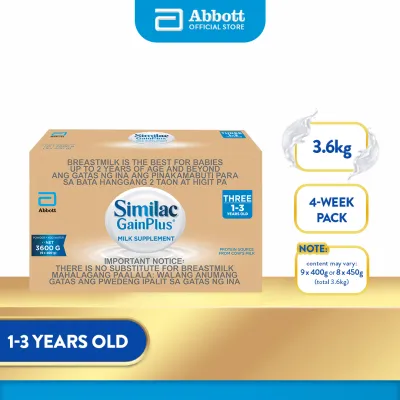



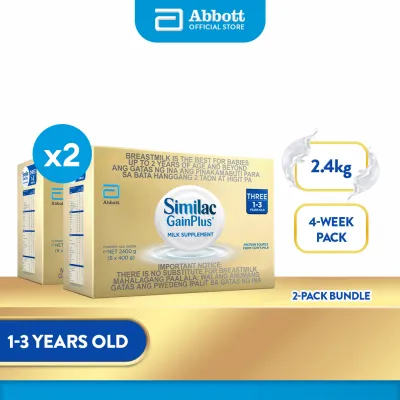
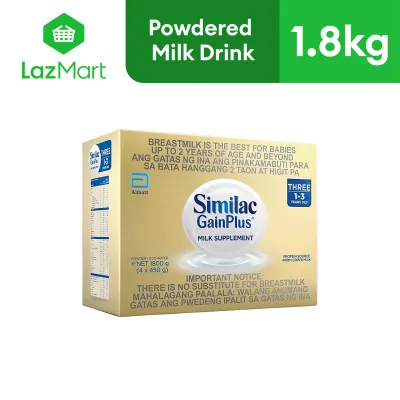

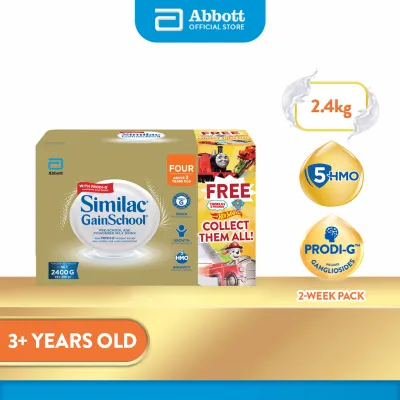
Prices are valid at publication and may change. Please refer to the product page for the latest price.
- Similac Gain (specifically formulated as similac gain 1 to 3 years old) is ideal if you prioritize digestive comfort, soft stool consistency, and targeted growth metrics through specialized prebiotic and nutrient blends.
- Nido (such as Nido 3+) is highly favored for its broad accessibility, familiar creamy taste, and cost-effective pricing, making it easy to transition from early-stage milk.
- Enfagrow is designed for parents focusing on comprehensive brain development and immune system support, offering premium formulations with high levels of DHA and specialized nutrient combinations.
Before introducing any new toddler formula or switching between brands, always consult your pediatrician. This step is crucial if your child has a history of food allergies, lactose intolerance, or any underlying health conditions. Toddler formulas must always be prepared according to the manufacturer’s instructions and consumed under proper caregiver supervision.
Nutritional Breakdown: What to Look for on the Label
To make an objective comparison, parents must look past marketing slogans and carefully analyze the nutrition facts panel and ingredient list on the product packaging. Understanding how to read these labels allows you to evaluate exactly what your child is consuming and how it supports their daily growth.

Macronutrients and Energy Density
Macronutrients—proteins, fats, and carbohydrates—form the foundation of your toddler’s daily energy and physical development. When examining the labels of Similac Gain, Nido, and Enfagrow, the protein-to-calorie ratio is a critical metric. Protein is essential for muscle and tissue development, but excessive protein can strain developing kidneys. Check the nutrition facts panel to see how many grams of protein are provided per 100 kilocalories (kcal) or per standard serving to ensure it aligns with recommended dietary intakes.
The source of carbohydrates is another highly important factor to compare. Lactose is the naturally occurring sugar in milk and is beneficial, as it aids in calcium absorption and supports a healthy gut environment. However, some toddler formulas incorporate added sugars or alternative carbohydrates, such as sucrose, corn syrup solids, or maltodextrin, to enhance flavor or adjust energy density. While these ingredients provide quick energy, a high intake of added sugars can contribute to early childhood tooth decay and encourage a preference for overly sweet foods. Compare the ingredient lists to see which products rely primarily on lactose versus added sweeteners.
Fats are indispensable for a toddler’s rapid energy needs and the absorption of fat-soluble vitamins (A, D, E, and K). Look closely at the fat sources listed on the packaging. Most brands use a blend of high-quality vegetable oils, such as coconut, soy, or sunflower oil, to mimic the fatty acid profile needed for healthy development. Ensure that the formula you select does not contain partially hydrogenated oils.
Brain and Bone Support: DHA, Calcium, and Iron
The toddler years are a window of intense cognitive, visual, and motor skill development. Docosahexaenoic acid (DHA) and arachidonic acid (ARA) are omega-3 and omega-6 fatty acids that play a structural role in brain and retinal development. Because a child’s brain grows rapidly up to age three, check the exact milligram (mg) measurement of DHA per serving on the nutrition facts panel. Enfagrow is widely recognized for its emphasis on high DHA formulations, but you should physically compare these numbers against the values listed on Similac Gain and Nido labels.
Bone density and skeletal growth require a steady supply of Calcium and Vitamin D. In the Philippines, where childhood nutritional guidelines emphasize bone health, checking the percentage of the Recommended Energy and Nutrient Intakes (RENI) provided by a single serving of milk is highly recommended. Vitamin D is essential because the body cannot absorb calcium effectively without it. Ensure that the formula you choose offers a balanced ratio of both nutrients to support your active toddler’s bones and teeth.
Iron is another vital micronutrient that deserves close attention. Iron-deficiency anemia is a common concern among toddlers as they transition from iron-fortified infant formulas to solid foods that may lack sufficient bioavailable iron. Iron is necessary for healthy red blood cell production and cognitive function. Compare the iron content per serving across the three brands to see how effectively they help bridge this nutritional gap. Keep in mind that toddler formula is a supplement to solid foods; caregivers should ensure that the combination of daily meals and formula does not exceed the safe upper limits for iron intake.
Key Benefits: Digestion, Immunity, and Taste Acceptance
Beyond basic macronutrients and vitamins, modern toddler formulas are often distinguished by their functional ingredients designed to support gut health, strengthen the immune system, and ensure palatability.
Gut Health and Immune Support
A significant portion of a child’s immune system is closely linked to their gastrointestinal tract. To foster a healthy digestive environment, manufacturers frequently enrich toddler formulas with prebiotics, probiotics, and nucleotides. Prebiotics, such as Fructooligosaccharides (FOS) and Galactooligosaccharides (GOS), are non-digestible fibers that serve as food for beneficial gut bacteria. Probiotics are live, friendly microorganisms that help maintain a balanced gut microbiome, while nucleotides support cellular growth and immune responses.
When reviewing the ingredients of Similac Gain, Nido, and Enfagrow, you will observe different approaches to digestive health:
- Similac Gain often highlights its specific prebiotic blends and nutrient combinations aimed at supporting gut barrier function and soft stools.
- Nido frequently incorporates proprietary probiotic strains, such as Lactobacillus proteus (L. rhamnosus), designed to support respiratory and intestinal defense systems.
- Enfagrow utilizes specialized prebiotic blends to encourage the growth of beneficial bifidobacteria in the gut.
While these functional ingredients offer theoretical benefits for gut health and immunity, every toddler’s digestive system is unique. A formula that works perfectly for one child might cause mild digestive discomfort in another. Caregivers must closely observe their toddler’s actual stool patterns, frequency, and general comfort after feeding. If your child experiences persistent constipation, chronic diarrhea, excessive gas, or frequent spitting up, stop using the formula immediately and consult a qualified pediatrician.
Taste, Texture, and Toddler Acceptance
The most nutritionally advanced formula is of little value if your toddler refuses to drink it. Toddlers develop strong sensory preferences, and the taste and texture of their milk can make or break their daily feeding routine. Taste profiles vary significantly across these three brands. Nido is widely appreciated for its rich, creamy, and traditional milk flavor, which closely mimics the taste of whole milk and is highly accepted by many toddlers. Enfagrow and Similac Gain offer distinct flavor options, including vanilla and plain, allowing parents to choose a profile that matches their child’s preference.
Mixability is another practical factor that directly affects daily preparation. In the warm and highly humid climate of the Philippines, milk powders can absorb moisture quickly once the packaging is opened, making them prone to clumping. Clumping not only makes the bottle difficult to clean but can also result in an uneven distribution of nutrients. To assess mixability, look at recent customer feedback on official brand stores or major online grocery platforms, noting how easily the powder dissolves in lukewarm or cool water.
To minimize financial waste, always purchase the smallest available packaging size—such as a 150g or 350g sachet or box—when introducing a new formula brand to your toddler. Testing a small quantity first allows you to verify your child’s taste acceptance and digestive tolerance before committing to larger, more expensive bulk tins or boxes.
Pricing and Value: How to Calculate the True Cost
Managing the household budget is a major consideration for parents in the Philippines, and toddler milk formula can represent a significant, recurring monthly expense. Because prices can vary widely depending on the packaging format (such as sachets, bag-in-box options, or tin cans) and the retail channel, comparing prices directly on the shelf can be misleading.
To establish a true, objective comparison of cost-effectiveness, you should calculate either the “price per 100 grams” or the “cost per serving.” To determine the cost per serving, look at the preparation instructions on the back of the packaging to find the recommended scoop size and the number of servings per container. Divide the total retail price of the package by the number of servings it provides. This calculation often reveals that premium brands like Enfagrow and Similac Gain, which have a higher upfront purchase price, can become more cost-effective when purchased in larger bulk sizes (such as 1.2kg or 1.8kg boxes). Nido is generally positioned at a highly accessible price point across all its sizes, making it an excellent option for families prioritizing budget sustainability.
To find the most accurate and up-to-date pricing, check authorized e-commerce flagship stores, official brand websites, and major physical supermarket chains. Retailers frequently run promotions, bundles, or loyalty discounts that can significantly lower your long-term costs.
For your child’s safety, always avoid purchasing toddler formulas from unauthorized third-party sellers on social media or unverified online marketplaces. These products may be counterfeit, close to their expiration dates, or stored in sub-optimal conditions. Exposure to high heat and humidity during improper storage can degrade essential vitamins, spoil the milk fats, and lead to bacterial contamination, posing a direct health risk to your toddler. Always look for authorized distributor badges or purchase directly from reputable, established retailers.
Final Verdict: A Decision Framework for Parents
Choosing the right toddler formula involves balancing nutritional goals, digestive compatibility, and financial practicalities. To help you make a final decision, use the following framework to identify which brand aligns best with your family’s situation.
Choose Similac Gain if:
- Your primary goal is supporting targeted growth metrics and digestive comfort.
- Your toddler has experienced mild digestive issues with other brands and benefits from specific prebiotic blends designed for soft stools.
- Your pediatrician has recommended this specific nutrient ratio to address your child's growth patterns.
Choose Nido if:
- You are looking for a highly accessible, budget-friendly milk option that is easy to find in local supermarkets and neighborhood stores.
- Your toddler prefers a rich, traditional, creamy milk flavor and transitions easily between different milk types.
- You value highly flexible packaging options, such as affordable daily sachets, to manage your weekly household expenses.
Choose Enfagrow if:
- Your primary focus is on maximizing nutritional support for cognitive development, and you want high, clearly specified levels of DHA.
- You are looking for premium immune-support and prebiotic ingredient blends to supplement your child's diet.
- Your family budget comfortably accommodates a premium price point for specialized nutritional formulations.
Verify first if:
- Your child has a known or suspected cow's milk protein allergy (CMPA) or severe lactose intolerance. It is critical to understand that Similac Gain, Nido, and Enfagrow are standard, cow's milk-based formulas. They are not hypoallergenic, lactose-free, or specialized medical foods. If your child requires a specialized therapeutic formula, do not use these standard options; instead, consult your pediatrician immediately for a proper medical diagnosis and prescription.
Ultimately, the best formula is not the most expensive one or the one with the most complex marketing claims. The best formula is the one that your toddler drinks willingly, digests comfortably without adverse symptoms, and fits sustainably into your family’s long-term budget.
Frequently Asked Questions (FAQ)
How do I safely transition my toddler to a new formula brand?
To minimize the risk of digestive upset or taste rejection, transition your toddler to a new formula gradually over a period of 5 to 7 days. Begin by mixing 75% of their current formula with 25% of the new formula in the same bottle for the first two days. On days three and four, adjust the ratio to a 50/50 mix. On days five and six, use 25% of the current formula and 75% of the new formula. By day seven, you can transition completely to the new brand. Throughout this process, monitor your child closely for signs of intolerance, such as skin rashes, vomiting, or severe diarrhea. If any of these symptoms appear, stop the transition immediately and consult your pediatrician.
Can I mix different brands of toddler formula in the same bottle?
Caregivers are advised against mixing two different brands of toddler formula in the same bottle on a regular basis, except during a temporary, gradual transition phase. Every formula brand is formulated with a precise balance of nutrients, vitamins, minerals, and osmolarity. Mixing different powders permanently can alter these calibrated ratios, potentially making the milk too concentrated or too diluted, which can strain your toddler’s kidneys and digestive system. For daily feeding, it is safest to finish one brand completely before starting another, or to alternate separate bottles of different brands only under the direct guidance of your pediatrician.
Community discussion
Share your experience or ask a question. Comments are reviewed before publication.