
Quick Answer: Which Formula Milk Fits Your Child Best?
Choosing the right growing-up milk for your school-age child is not about finding a single, universally perfect product. Instead, the best choice depends entirely on your child’s specific dietary gaps, physical activity levels, taste preferences, and your family’s monthly budget. Because formulations, ingredient sources, and product variants can change, parents should always evaluate these options based on the exact nutritional profiles displayed on the packaging available in the Philippines.
To help you navigate your decision, consider this conditional framework:
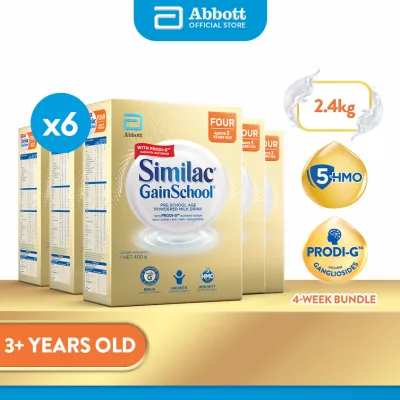
- Choose Similac Gain School 4 if your primary focus is supporting your child's immune system, eye health, and cognitive development through a specific blend of micronutrients like Lutein, Natural Vitamin E, and DHA, and your child prefers a less sweet, more natural milk flavor.
- Choose Nido (age-appropriate variants like Nido 3+ or 5+) if your child needs robust support for bone density and physical growth, and you want a highly accessible, budget-friendly option that is easy to find in local supermarkets and neighborhood stores.
- Choose Enfagrow (Stage 4) if you want to prioritize cognitive development and mental focus with a formulation that features high levels of DHA, and your child prefers a creamier, slightly sweeter taste profile.
- Verify first if your child has any diagnosed food allergies, lactose sensitivity, or specific metabolic conditions. Always consult your pediatrician or a qualified healthcare professional before switching formulas or introducing a new milk product to your child's daily routine.
While Similac, Nido, and Enfagrow are all reputable global brands with rigorous quality standards, their specific ingredient ratios, protein structures, and added sugars vary. Checking the actual product label at the time of purchase is the most reliable way to ensure the milk aligns with your child’s developmental needs.
Products mentioned in this guide






Prices are valid at publication and may change. Please refer to the product page for the latest price.
What School-Age Children Actually Need in a Growing-Up Milk
As children transition from early toddlerhood into their school-age years (typically ages 3 to 7 and beyond), their daily routines undergo a massive shift. Entering preschool or grade school means longer hours of structured learning, increased physical play on the playground, and exposure to a wider variety of environmental germs. In a tropical climate like the Philippines, active children also expend significant energy and sweat during humid afternoons, making proper hydration and nutrient replenishment crucial.

During this rapid growth phase, a child’s nutritional requirements change. Parents must look past front-of-pack marketing slogans and learn to read the nutrition facts panel to identify several critical nutrients:
- Calcium and Vitamin D: These two nutrients work in tandem. Calcium is the primary building block for strong bones and teeth, while Vitamin D is essential for the body to absorb calcium efficiently. School-age children need consistent daily intake to support their lengthening limbs and skeletal development.
- Iron and Zinc: Iron is vital for the formation of red blood cells and oxygen transport throughout the body. A deficiency in iron can lead to fatigue and poor concentration in the classroom. Zinc supports cellular growth and plays a key role in maintaining a healthy immune response.
- DHA and ARA: Docosahexaenoic acid (DHA) and arachidonic acid (ARA) are omega-3 and omega-6 fatty acids that accumulate in the brain and retina. They support ongoing cognitive processing, memory retention, and visual acuity during these crucial learning years.
- Immune-Supporting Nutrients: Vitamins A, C, and E, along with selenium and prebiotics (such as fructooligosaccharides or FOS), help strengthen the body's natural defenses. This is particularly important when children begin interacting closely with classmates, increasing their exposure to common seasonal bugs.
It is important to remember that growing-up milk is designed to be a dietary supplement, not a replacement for solid foods. School-age children should obtain the majority of their daily calories, fiber, and macronutrients from a balanced diet consisting of rice, fish, meat, vegetables, and fruits. Milk should serve as a practical safety net to fill in any micronutrient gaps that may occur due to picky eating habits or busy school schedules.
Another critical aspect of label literacy is monitoring added sugars. While milk naturally contains lactose, some commercial growing-up milks contain added sweeteners like sucrose, corn syrup solids, or maltodextrin to improve flavor and mixability. Checking the carbohydrate section of the label helps you distinguish between natural milk sugars and added sugars, allowing you to manage your child’s long-term dental health and energy levels.
Brand-by-Brand Evaluation: What to Check on the Label
To make an informed choice, parents must look closely at how each brand formulates its products for the Philippine market. Below is a detailed breakdown of the typical positioning, key ingredients, and practical label checks for Similac Gain School 4, Nido, and Enfagrow.
Similac Gain School 4: Focus Areas and Label Checks
Similac Gain School 4 is widely recognized for its focus on cognitive advancement and immune system support. The brand frequently highlights its proprietary nutrient blends, which are designed to support brain connections and strengthen the body’s natural barriers. It is positioned as a premium option for parents who want to give their school-going children an extra edge in both classroom learning and physical resilience.
When examining a tin of Similac Gain School 4, look closely at the nutrition panel for the following specific components:
- The EyeQ Plus Nutrient System: This blend typically includes DHA, Lutein, and Natural Vitamin E. Lutein is an antioxidant that concentrates in the retina to support eye health, while natural Vitamin E helps protect DHA from oxidation, ensuring your child's brain receives the nutrient in its active form.
- Nucleotides and Prebiotics: Check the label for added nucleotides, which are compounds that support the development of a healthy gut barrier and immune response.
- Absence of Added Sucrose: Similac often emphasizes that its formulation does not contain added sucrose, relying instead on lactose. This makes it a suitable choice for parents who prefer a milder, less sweet milk that does not encourage a preference for highly sweetened foods.
In terms of preparation, parents note that Similac Gain School 4 dissolves best in lukewarm water. Stirring thoroughly is recommended to prevent clumping, which can occasionally happen in humid tropical conditions. To ensure you are purchasing genuine product, buy only from official brand stores on major e-commerce platforms, leading local supermarkets, or trusted national pharmacies.
Nido for School-Age Kids: Focus Areas and Label Checks
Nido has been a household staple in the Philippines for generations, known primarily for supporting foundational physical growth, bone strength, and overall vitality. The brand is designed to offer robust, practical nutrition that fits seamlessly into the daily lives of active, growing kids. It is highly regarded for its excellent balance of essential vitamins and minerals at a very accessible price point.
Because the Nido product line is extensive, parents must pay close attention to the specific variant they purchase:
- Age-Specific Variants: Nido offers different formulations tailored to specific developmental stages, such as Nido 3+ (for children aged 3 to 5) and Nido 5+ (for children aged 5 and older). Always check the front of the pack to ensure the age range matches your child's current stage, as the protein and micronutrient ratios are adjusted accordingly.
- Lactobacillus Protectus: Look for this specific probiotic strain on the ingredient list. It is included to support gut health and digestion, which is crucial for nutrient absorption and overall immunity.
- Nutri-Trio Fortification: Check the nutrition facts panel for high percentages of the daily recommended energy and nutrient intake (RENI) for Calcium, Vitamin D, and Iron. Nido is highly fortified to ensure that even a single glass provides a substantial portion of a child's daily physical growth needs.
Nido is exceptionally popular due to its wide availability. You can find it in various packaging sizes, from large, economical tins for home use to small, single-use sachets in local neighborhood stores. While it is highly palatable and mixes easily in both warm and cool water, some variants may contain added sugars or flavorings. Be sure to read the ingredient list if you are actively trying to limit your child’s intake of added sweeteners.
Enfagrow for School-Age Kids: Focus Areas and Label Checks
Enfagrow is strongly positioned around cognitive development, brain growth, and mental performance. The brand targets parents who place a high priority on academic readiness, focus, and intellectual development during the school years. It is formulated with a heavy emphasis on brain-essential lipids and high-quality fatty acids.
When evaluating Enfagrow Stage 4 or other school-age variants, keep these specific label checks in mind:
- DHA and MFGM: Enfagrow is known for its high DHA content per serving. It also frequently includes Milk Fat Globule Membrane (MFGM), a natural membrane that surrounds milk fat droplets. Research suggests that the combination of DHA and MFGM supports cognitive function and behavioral regulation in young children.
- Beta-Glucan and Prebiotics: Check the label for yeast beta-glucan alongside dietary fibers like polydextrose and GOS (galactooligosaccharides). These ingredients are selected to support respiratory health and maintain a balanced gut microbiome, reducing the days your child might miss school due to common illnesses.
- Macronutrient Balance: Verify the protein, fat, and carbohydrate ratios on the back label to see how they contribute to your child's daily energy needs.
Enfagrow generally features a rich, creamy, and sweet taste profile that children tend to accept very easily. While this makes mealtime preparation simple, parents should be mindful of their child’s overall daily sugar intake and maintain a strict dental hygiene routine, ensuring teeth are brushed thoroughly after consumption. Because formulations are periodically upgraded with new research, check the manufacturer’s official website or authorized online stores to verify the most current ingredient list.
How to Compare the Labels: A Parent’s Checklist
Marketing terms on the front of a milk can are designed to catch your eye, but the true value of any growing-up milk is written on the back. To make an objective, head-to-head comparison of Similac Gain School 4, Nido, and Enfagrow, you need to look directly at the Nutrition Facts panel and the ingredient list on the physical packages.
When comparing these brands, use the following checklist to guide your decision:
- Serving Size and Yield: Look at how many grams of powder are required to make one standard serving (usually 200ml to 240ml of prepared milk). A cheaper tin might actually require more scoops per glass, meaning the can will empty faster and cost you more over the course of a month.
- Core Micronutrient Densities: Compare the exact milligrams (mg) or micrograms (mcg) of DHA, Calcium, Iron, and Zinc per 100g of powder or per prepared serving. This allows you to see which brand provides the highest concentration of the specific nutrients your child might be lacking in their daily diet.
- Sugar Sources: Scan the ingredient list for terms like sucrose, corn syrup solids, maltodextrin, or fructose. Ideally, you want a milk where lactose is the primary carbohydrate source, as this is the natural sugar found in cow's milk and is gentler on developing teeth.
- Allergen Warnings: Check the very bottom of the ingredient list for allergen declarations. Growing-up milks often contain soy lecithin (as an emulsifier) or fish oil (as a source of DHA), which are important considerations if your child has known food sensitivities.
To help you perform this comparison at home or in the store, use the blank matrix below to record the actual values from the specific tins available to you:
| Nutritional Component (per serving) | Similac Gain School 4 | Nido (Age-Appropriate) | Enfagrow (Stage 4) |
|---|---|---|---|
| Target Age Range | e.g., 3+ years | e.g., 3+ or 5+ years | e.g., 3+ years |
| Serving Size (g of powder) | |||
| DHA (mg) | |||
| Calcium (mg) | |||
| Iron (mg) | |||
| Zinc (mg) | |||
| Total Sugars (g) | |||
| Added Sugars (Yes/No) | |||
| Price per Tin (PHP) | |||
| Estimated Cost per Serving |
To calculate the Estimated Cost per Serving, use this simple formula:
$$\text{Cost per Serving} = \frac{\text{Total Price of the Tin (PHP)}}{\text{Total Grams in the Tin}} \times \text{Grams per Serving}$$
By filling out this table with the exact products on your local supermarket shelves, you can easily identify which milk offers the best nutritional value and fits comfortably within your household budget.
Transitioning, Serving Sizes, and Daily Diet Integration
Once you have selected the growing-up milk that best fits your child’s needs, introducing it correctly is essential for preventing digestive discomfort. A child’s stomach can be sensitive to sudden changes in protein structures or prebiotic levels, so a gradual transition is always the safest approach.
To transition your child from a previous formula or standard milk to a new growing-up milk, follow a systematic mixing schedule over the course of seven to ten days:
- Days 1 to 3: Mix 75% of the old milk with 25% of the new milk in the same bottle or cup.
- Days 4 to 6: Mix 50% of the old milk with 50% of the new milk.
- Days 7 to 9: Mix 25% of the old milk with 75% of the new milk.
- Day 10 onwards: Serve 100% of the new growing-up milk.
During this transition period, observe your child closely for any signs of digestive discomfort, such as bloating, excessive gas, loose stools, or unusual fussiness. If any of these symptoms occur, slow down the transition or consult your pediatrician.
When preparing the milk, always follow the manufacturer’s exact water-to-powder ratio printed on the packaging. Using too much powder can strain your child’s kidneys and cause dehydration, especially during hot and dry days. Conversely, diluting the milk with too much water to make the powder last longer deprives your child of the essential calories and micronutrients they need for healthy development.
To integrate growing-up milk successfully into a balanced daily diet, keep these practical tips in mind:
- Limit Daily Intake: School-age children generally only need 1 to 2 glasses of milk per day. Drinking too much milk can fill up their small stomachs, causing them to refuse solid meals like lunch or dinner.
- Optimize Timing: Serve milk alongside breakfast to kickstart their morning energy, or as a wholesome afternoon snack after school. Avoid giving a large glass of milk immediately before bed; if you do serve milk in the evening, ensure your child brushes their teeth thoroughly afterward to prevent the natural or added sugars from pooling on their teeth overnight, which can lead to rapid tooth decay.
- Prioritize Solid Foods: Always view growing-up milk as a supportive partner to solid foods. Focus on offering a colorful plate of local vegetables, lean proteins, and whole grains, using the milk to quietly fill in any nutritional gaps.
A Crucial Safety Boundary: If your child experiences persistent vomiting, chronic diarrhea, severe abdominal pain, skin rashes, hives, or breathing difficulties after consuming any new milk product, stop use immediately. These symptoms could indicate an underlying milk protein allergy or severe lactose intolerance. Consult a pediatrician or a qualified healthcare professional right away to receive a proper diagnosis and personalized dietary advice.

Community discussion
Share your experience or ask a question. Comments are reviewed before publication.