
When an infant experiences sudden, intense abdominal discomfort from trapped gas, finding a safe and reliable solution becomes a top priority for parents. Simethicone syrup is one of the most common over-the-counter options recommended in the Philippines to help relieve infant gas. However, navigating the variety of formulations available in local drugstores requires a clear understanding of how this active ingredient works, how to read product labels accurately, and how to verify regulatory safety standards. Choosing the right product involves matching the formulation to your baby’s specific weight and developmental stage while ensuring the product is stored and administered safely.
By learning to identify key label details, understand concentration differences, and recognize critical warning signs, you can confidently select a safe formulation that supports your baby’s digestive comfort. This guide outlines the essential steps for evaluating simethicone products, administering them correctly, and knowing when to consult your pediatrician.
How Simethicone Works for Baby Gas Relief
To make an informed decision for your baby, it is helpful to understand the mechanical process behind simethicone. Unlike many medications that alter bodily functions or require metabolic processing, simethicone operates as a surfactant, or a defoaming agent. It works by changing the surface tension of the tiny, trapped gas bubbles residing in your baby’s stomach and intestines. As these small bubbles come into contact with the liquid, their surface tension decreases, causing them to coalesce into larger, more cohesive bubbles. These larger pockets of gas are much easier for an infant to pass naturally, either upward through burping or downward through flatulence.
Products mentioned in this guide
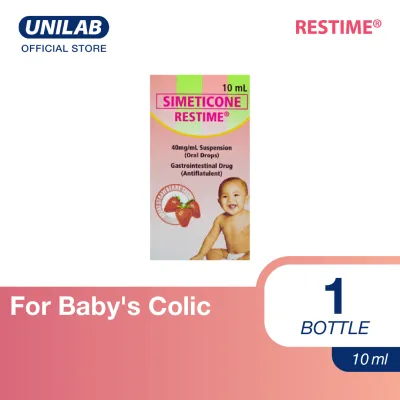
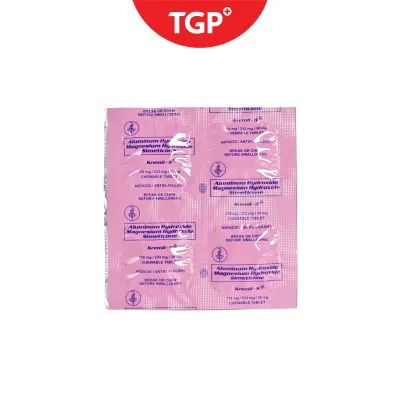
Prices are valid at publication and may change. Please refer to the product page for the latest price.
A key benefit of simethicone is that it is biologically inert, meaning it is not absorbed into your baby’s bloodstream or systemic circulation. Instead, the compound acts purely locally within the gastrointestinal tract, passing through the digestive system completely unchanged before being excreted in the stool. This localized, mechanical action minimizes the risk of systemic side effects, making it a widely trusted option for pediatric gas relief.
However, parents must distinguish between normal infant gas, colic, and other potential digestive issues. Normal gas is a natural byproduct of a developing digestive tract, often exacerbated when babies swallow air during active feeding, crying, or sucking on a pacifier. Colic, by contrast, is generally defined by the “rule of threes”: intense, inconsolable crying that lasts for more than three hours a day, occurs more than three days a week, and persists for more than three weeks in an otherwise healthy, well-fed infant. While simethicone is highly effective at breaking up physical gas bubbles, it is not a cure-all for colic, which may stem from developmental milestones, sensory overload, or an immature nervous system.
Because simethicone only addresses the physical presence of gas and does not cure underlying digestive immaturity, setting realistic expectations is crucial. The syrup can significantly ease temporary bloating and physical discomfort, but it will not prevent gas from forming in the future. Prior to introducing simethicone syrup or any new health product to your baby’s routine, always consult your pediatrician to confirm the underlying cause of your baby’s fussiness and ensure that medication is the most appropriate course of action.
What to Look for on a Simethicone Syrup Label
When evaluating different simethicone products on the shelves of Philippine drugstores, reading the active ingredient label is your most important safeguard. Do not rely solely on the brand name or front-of-pack marketing; instead, turn the bottle over to inspect the exact product specifications.

Concentration and Volume Simethicone drops and syrups are manufactured in varying strengths, and understanding the concentration is vital for accurate dosing. For example, one brand may offer a concentration of 40 milligrams of simethicone per milliliter (40 mg/mL), while another might formulate their product to contain 40 mg per 0.6 mL. Misinterpreting these ratios can easily lead to accidental under-dosing, which makes the treatment ineffective, or over-dosing, which can cause mild digestive disturbances. Always calculate the liquid volume to administer based on the specific milligram concentration printed on your bottle, matching it precisely to your pediatrician’s instructions.
Age and Weight Limits Infant medications must be selected based on the manufacturer’s explicit age and weight guidelines rather than general assumptions. A baby’s metabolic and physical capacity changes rapidly during the first year of life. Always check the packaging or the enclosed leaflet to verify the minimum age and weight thresholds approved for that specific formulation. If your baby’s weight or age falls below the manufacturer’s stated limits, do not administer the product without direct medical clearance from a qualified professional.
Additives and Allergens Carefully review the inactive ingredients list to identify any unnecessary additives, synthetic dyes, or potential allergens. Many commercial syrups contain artificial colors, chemical preservatives, added sugars, or strong flavorings designed to make the liquid more appealing. For sensitive infant tummies, it is best to choose formulations that minimize these extra compounds. Certain artificial sweeteners, such as sorbitol, or synthetic food dyes can occasionally trigger mild allergic reactions or even worsen digestive discomfort in sensitive babies.
Dispenser Accuracy The type of dispensing tool included with the product significantly impacts safety and dose accuracy. Oral syringes are generally superior to traditional glass or plastic bulb droppers because they allow for precise, repeatable measurements and are easier to control. Syringes minimize the risk of spilling the medicine or drawing up air bubbles, ensuring your baby receives the exact prescribed volume. If a product package includes a bulb dropper, consider purchasing a separate, calibrated oral syringe from a pharmacy for more reliable administration.
Comparing Formulations and Checking Local Safety Marks
Selecting the right simethicone syrup also requires evaluating product types and verifying local regulatory compliance, especially with the wide availability of both domestic and imported baby products in the Philippine market.
Single-Ingredient vs. Combination Products For infant gas relief, pediatricians strongly recommend choosing single-ingredient simethicone formulations. Some pediatric syrups combine simethicone with antacids, antispasmodics, or herbal extracts. While these multi-symptom products may claim to address multiple issues at once, they introduce unnecessary active ingredients into your baby’s delicate system, increasing the risk of adverse drug interactions or side effects. Keeping the medicine limited strictly to simethicone is the safest approach for managing simple gas.
Label Claims Many brands use prominent marketing claims such as “dye-free,” “sugar-free,” or “all-natural.” While these labels can guide your initial selection, always verify them by reading the full ingredient panel on the back of the box. For instance, a “sugar-free” product might utilize artificial sweeteners that could still affect a baby’s digestive tract, while a “natural” claim does not automatically guarantee safety or compatibility with your baby’s stomach. Cross-referencing these claims with the actual ingredient list ensures complete transparency.
Regulatory Verification Never purchase or administer any medicinal syrup that lacks a valid registration mark from the Food and Drug Administration (FDA) of the Philippines. Look for the FDA registration number—typically formatted as “DR” or “DVR” followed by a series of numbers—printed clearly on the outer packaging or the bottle label. You can verify this registration number directly on the official FDA Philippines online verification portal. This step ensures the product has undergone rigorous quality, purity, and safety evaluations and is approved for local distribution.
Storage and Shelf Life The tropical climate in the Philippines, characterized by high temperatures and humidity, poses specific challenges for preserving liquid medications. Simethicone syrup must be stored in a cool, dry place, strictly below 30°C, and kept away from direct sunlight. Avoid storing medicines in bathrooms or kitchens where heat and moisture levels fluctuate constantly. Additionally, check the packaging for “discard after opening” guidelines; many liquid formulations must be safely discarded within a specific number of weeks or months after the protective seal is broken, regardless of the printed expiration date.
Safe Feeding Practices and Warning Signs
Administering simethicone syrup safely requires a calm, systematic approach, alongside a clear understanding of the physical signs that indicate when to stop use and seek professional medical care.
Administration Tips When giving the syrup to your baby, place them in a slightly upright or semi-reclined position to prevent choking. Insert the tip of the oral syringe slowly into the side of their mouth, aiming toward the inside of the cheek rather than the back of the throat. Administer the liquid in small, controlled increments, allowing your baby to swallow naturally. If the product label and your pediatrician explicitly permit it, you may mix the measured dose with a small amount of expressed breastmilk or prepared infant formula, though administering it directly is usually preferred to ensure the entire dose is consumed.
Dosing Boundaries Always adhere strictly to the maximum daily dose and frequency specified on the product’s packaging or directed by your pediatrician. Even though simethicone is not absorbed systemically, exceeding the recommended dosing frequency can disrupt normal digestion or mask more significant gastrointestinal issues. Keep a written log of each administered dose, noting the exact time and volume, to prevent accidental double-dosing among different caregivers.
When to Stop and Seek Help While infant gas is common and usually harmless, parents must be vigilant in identifying symptoms that point to a more serious underlying medical condition. Stop administering the syrup and seek immediate professional medical evaluation if your baby exhibits any of the following red flags:
- A fever or elevated body temperature
- Persistent, forceful, or projectile vomiting
- Blood, unusual mucus, or black coloration in the stool
- Extreme lethargy, difficulty waking up, or unusual weakness
- Inconsolable, high-pitched crying that does not respond to standard comforting techniques
- Signs of dehydration, such as significantly fewer wet diapers, dry lips, or a sunken soft spot (fontanelle), which can escalate rapidly in the warm Philippine climate
Frequently Asked Questions (FAQ)
Can I give simethicone to my newborn?
While some commercial simethicone formulations are labeled as safe for infants from birth, you must never administer any medication to a newborn under one month old without explicit approval from a pediatrician. A newborn’s digestive tract and metabolic pathways are highly sensitive and still developing. Always verify the specific brand’s minimum age and weight requirements, and consult your doctor to rule out other potential causes of newborn fussiness before introducing the syrup.
How long does it take for simethicone syrup to work?
Because simethicone works mechanically by gathering small gas bubbles together, it typically begins to take effect relatively quickly, often within 15 to 30 minutes after administration. However, it may take a few consecutive doses over a day or two to see consistent improvement in your baby’s overall comfort levels. If you observe no noticeable reduction in your baby’s gas symptoms after several days of regular, correct usage, stop administering the syrup and consult your pediatrician to re-evaluate the underlying cause of the discomfort.
Can simethicone be given with other baby medications?
Although simethicone is not absorbed systemically and generally has a high safety profile, you should never mix it or administer it alongside other infant medications without first consulting a pharmacist or pediatrician. Certain inactive ingredients or active compounds in other remedies could interact unexpectedly, alter the absorption of other critical medications, or lead to dosing confusion. Always maintain a clear schedule and seek professional guidance to ensure all administered treatments are compatible.
Community discussion
Share your experience or ask a question. Comments are reviewed before publication.