
Quick Answer: Silverette vs Silicone Nursing Cups
When navigating the early weeks of breastfeeding, sore or cracked nipples can make the experience challenging. Choosing between Silverette sterling silver nursing cups and medical-grade silicone cups depends on whether your primary goal is passive healing and friction protection, or active milk collection combined with gentle cushioning. There is no single “best” material; rather, each serves a distinct purpose in postpartum recovery.
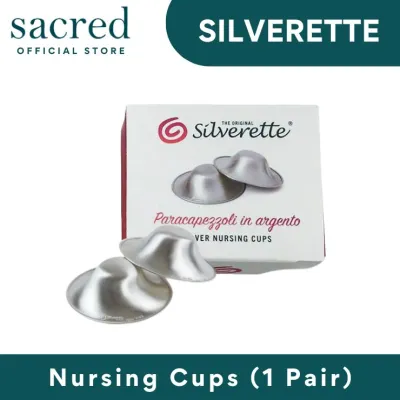
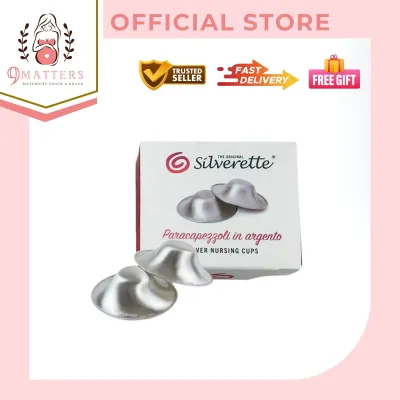
Silverette cups, crafted from sterling silver, are highly favored for their rigid, protective dome structure and the natural material properties of silver. They act as a physical shield, preventing your bra or clothing from rubbing against highly sensitive skin. On the other hand, medical-grade silicone cups offer a flexible, soft barrier that cushions the breast while actively catching let-down milk. This dual-purpose design makes silicone an excellent choice for mothers who experience heavy leaking and want to save every drop of breast milk.
While both options can significantly ease your breastfeeding journey, nursing cups are supportive comfort tools rather than medical cures. If you are experiencing severe nipple damage, deep cracks, bleeding, or persistent pain, you should seek an evaluation from an International Board Certified Lactation Consultant (IBCLC) or your healthcare provider. These issues are often tied to baby’s latch or positioning, which cups alone cannot resolve.
Products mentioned in this guide
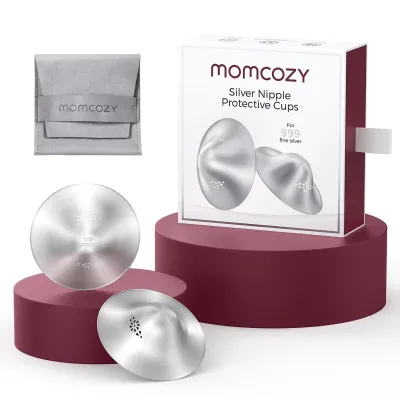
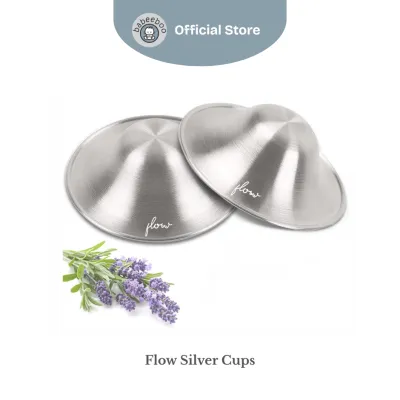
Prices are valid at publication and may change. Please refer to the product page for the latest price.
Material Breakdown: Sterling Silver vs Medical-Grade Silicone
To make an informed choice, it is helpful to understand the physical and structural differences between these two popular nursing cup materials. Each material interacts with your skin and breast milk in fundamentally different ways, influencing how they protect, heal, and fit into your daily routine.

How Sterling Silver (Silverette) Works
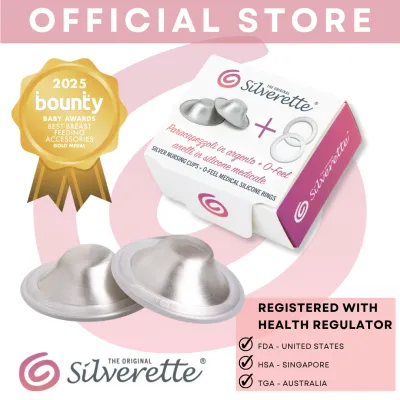
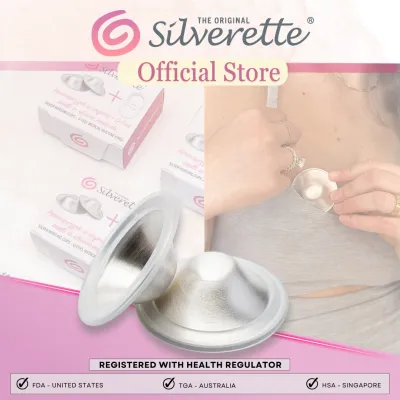
Silverette cups are small, rigid domes worn directly over the nipples inside a supportive nursing bra. Crafted from 925 sterling silver, these cups provide a robust physical barrier. This rigid structure ensures clothing cannot compress, rub, or stick to healing skin, which is highly beneficial if you are dealing with open cracks or extreme sensitivity.
Beyond physical protection, sterling silver is recognized for its natural properties. Manufacturers often highlight the oligodynamic effect, where silver ions are released in contact with moisture like breast milk. This is commonly cited as having natural antimicrobial qualities that keep the microenvironment around the nipple clean. However, because product designs and standards vary, you should always verify specific antimicrobial claims printed on your product’s packaging.
The shallow, contoured design of a silver cup mirrors the natural shape of the breast. Rather than absorbing milk, the cup holds a few drops of expressed breast milk closely against the nipple. This creates a localized, moist environment that supports natural skin recovery while preventing the nipple from drying out and sticking to breast pads.
How Medical-Grade Silicone Works
In contrast to the rigid nature of silver, silicone nursing cups are characterized by their soft, skin-like texture and high flexibility. Made from medical-grade or food-grade silicone, these cups conform gently to the unique curves of your breast, adjusting dynamically as your body moves throughout the day.
The primary mechanical benefit of silicone is its exceptional cushioning effect. Because the material is inherently shock-absorbing, it diffuses external pressure and reduces the impact of sudden bumps or tight clothing. For mothers who find rigid materials uncomfortable or heavy, the lightweight, pliable nature of silicone offers a comforting, barely-there sensation.
Furthermore, medical-grade silicone is generally inert and hypoallergenic, making it safe for sensitive skin types. It does not react with breast milk or skin oils, and its non-porous surface is resistant to moisture buildup. Many silicone cups feature a dual-purpose design: they are molded with a deeper basin and a small pouring spout, allowing them to function simultaneously as a protective shield and a passive milk collector that catches let-down from the opposite breast during feeding sessions.
Core Comparison: Healing, Collection, and Daily Comfort
When choosing between silver and silicone, weighing the practical trade-offs of daily wear is essential. How these materials perform during active feeding, how they feel under your everyday clothes, and how they handle milk leakage will directly impact your breastfeeding experience.
Healing Efficacy and Nipple Protection
The way each cup protects a sore nipple depends entirely on its structural stiffness. Silverette cups utilize their rigid shell to eliminate all contact between your clothing and the nipple. This is a crucial advantage if you have open wounds, deep cracks, or bleeding. By keeping the nipple suspended in a small air pocket, the silver cup ensures that healing tissue is never disturbed, torn open, or irritated by fabric fibers. Under a rigid silver shell, mothers often practice moist wound healing by leaving a few drops of expressed breast milk on the nipple before placing the cup. If you choose to use topical treatments like lanolin or prescribed ointments, always consult your healthcare provider or check the manufacturer’s guidelines, as some ointments can react with or coat the silver, reducing its effectiveness.
Silicone cups, while highly protective against external friction, do not prevent contact entirely. Because silicone is flexible, tight clothing or a snug bra can press the silicone shield directly against the nipple. While the soft silicone cushions the impact, the continuous contact may still cause discomfort if your nipples are extremely raw or cracked. Silicone is highly effective for mild soreness, chafing, or general sensitivity, but it may not offer the absolute isolation required for severe, open wounds. Regardless of the material you choose, it is vital to monitor your skin closely. If you observe signs of infection—such as localized redness that spreads, skin that feels unusually warm, pus-like discharge, or fever—discontinue use immediately and seek professional medical guidance.
Milk Collection and Let-Down Management
Managing leaking breast milk is a major consideration for postpartum mothers, especially in the early weeks when milk supply is regulating. Silicone nursing cups excel in this category. Thanks to their deeper basin design and flexible, sealing rims, silicone cups can collect a noticeable volume of let-down milk. When you are nursing your baby on one side, you can place a silicone cup on the opposite breast to catch the milk that naturally leaks during let-down. This milk can then be poured into a sterile storage bag or bottle, ensuring that no precious milk goes to waste.
Silver cups are not designed for active milk collection. They are shallow and have a low capacity, intended only to hold a few drops of milk to keep the nipple moist. If you experience a strong let-down while wearing silver cups, the milk will quickly overflow, leading to wet bras and clothing. For mothers with a heavy milk supply or active leaking, wearing silver cups typically requires placing a disposable or washable breast pad over the silver cup to absorb any overflow, adding an extra layer to your daily setup.
Comfort, Fit, and Discretion Under Clothing
How a nursing cup looks and feels under your clothes can affect your confidence when leaving the house. Silverette cups, being rigid and metallic, do not compress. If you wear tight-fitting shirts or thin, unpadded bras, the distinct circular outline of the silver domes may be visible. To achieve a discreet look, many mothers find they need to wear padded nursing bras or slightly looser clothing to mask the shape of the rigid cups.
Silicone cups offer a more discreet, low-profile fit. Because the material is flexible and adapts to the contour of your breast, it lies flatter against your skin. Silicone can compress slightly under a bra, blending more seamlessly with your natural shape. This makes silicone cups highly convenient for wearing out in public or under professional attire.
For both materials, securing the correct fit is paramount. Silverette cups typically come in standard and extra-large sizes, and using a size that is too small can cause the rim to press painfully into your areola, leading to clogged ducts or further irritation. Silicone cups also come in varying diameters and depths. Always measure your areola and consult the manufacturer’s sizing charts before purchasing to ensure a safe, comfortable fit.
Hygiene and Material Longevity
The long-term value of your purchase is heavily tied to the material’s durability. 925 sterling silver is incredibly robust and virtually indestructible under normal wear conditions. A pair of silver cups can easily last through your entire breastfeeding journey and be saved for future children, making them a highly sustainable choice. While the initial financial investment for genuine silver is premium, the fact that they never wear out or need replacement offers excellent long-term value.
Silicone, while highly durable and resistant to tearing, has a finite lifespan. Over months of continuous use, exposure to breast milk, skin oils, and frequent sterilization, silicone can begin to degrade. It may become cloudy, develop a yellow tint, or retain stubborn milk odors. Depending on the frequency of use and your cleaning habits, silicone cups will eventually need to be replaced to maintain optimal hygiene. This makes silicone a more budget-friendly entry point initially, but one that may incur recurring costs if used over multiple years or successive pregnancies.
At a Glance: Silverette vs Silicone Feature Comparison
To help you quickly evaluate the practical differences between these two materials, the table below outlines how sterling silver and medical-grade silicone compare across key daily metrics.
| Feature | Sterling Silver (e.g., Silverette) | Medical-Grade Silicone |
|---|---|---|
| Primary Use Case | Passive healing, intense nipple protection, and friction prevention | Cushioning, mild soreness relief, and active milk collection |
| Material Flexibility | Rigid, non-pliable dome | Soft, highly flexible, and conforming |
| Milk Collection Capacity | Minimal (holds only a few drops for moist healing) | Moderate to high (designed with a basin to catch let-down) |
| Friction Protection | Excellent (creates a physical air pocket over the nipple) | Moderate (cushions impact but can compress against skin) |
| Cleaning Method | Hand wash with water and baking soda; avoid boiling or harsh chemicals | Wash with mild soap; sterilize via boiling, steam, or dishwasher |
| Typical Price Tier | Premium / High initial investment | Budget-Friendly / Moderate |
| Material Longevity | Extremely high (lasts indefinitely across multiple children) | Moderate (may degrade, discolor, or require replacement over time) |
Note: Always verify the specific product packaging and manufacturer instructions for exact usage guidelines, sizing, and sterilization limits.
How to Choose: Decision Framework for Nursing Mothers
Deciding between silver and silicone comes down to assessing your current physical symptoms, your daily lifestyle, and your milk supply. By analyzing your specific postpartum needs, you can select the tool that will best support your breastfeeding journey.
Choose Sterling Silver (Silverette) if:
- You have severe nipple damage: If you are experiencing deep cracks, bleeding, or extreme sensitivity where even the lightest touch of fabric is agonizing, the rigid dome of a silver cup is unmatched. It guarantees that nothing will physically touch or rub against your healing skin between feeds.
- You want a highly durable, natural solution: If you prefer a material that does not require chemical sterilization and will last through multiple children without degrading, sterling silver is the ideal choice.
- You do not need to collect leaking milk: If your milk supply is stable and you do not experience heavy leaking on the non-nursing side, you do not need the bulk or capacity of a silicone collector.
Choose Silicone Nursing Cups if:
- You want to collect let-down milk: If you find yourself leaking heavily during feeds and want to save that milk for your freezer stash without using an active breast pump, silicone cups are the perfect dual-purpose solution.
- You prioritize a soft, flexible fit: If you find rigid materials uncomfortable or if you need a discreet, low-profile shield that blends seamlessly under your everyday clothing, the pliable nature of silicone is highly beneficial.
- You are looking for a budget-friendly option: If you want to try nursing cups but prefer a lower initial financial commitment, silicone provides an accessible entry point.
Consider Having Both if:
Many mothers find that a hybrid approach works best for their daily routine. You might choose to wear silicone cups during active feeding sessions on the opposite breast to catch your let-down milk cleanly. Then, between feeds, you can switch to wearing silver cups to allow your nipples to rest, heal, and remain completely protected from friction inside your bra. This combination leverages the active collection power of silicone and the passive healing environment of silver.
Verify First with a Professional if:
While nursing cups are excellent supportive aids, they are not a substitute for professional medical care. You should consult an IBCLC or healthcare provider immediately if you experience:
- Intense, sharp pain during or after feeding that does not subside.
- Signs of a localized breast infection, such as mastitis (fever, flu-like symptoms, hard red lumps, or extreme warmth).
- Symptoms of thrush (a fungal infection characterized by itchy, burning nipples or white patches in your baby's mouth).
- Persistent latch issues where your baby struggles to stay attached, as nursing cups cannot correct a poor latch or structural issues like a tongue-tie.
Cleaning, Care, and Safety Boundaries
To ensure your nursing cups remain hygienic and safe for both you and your baby, establishing a proper maintenance routine is essential. Because these cups sit directly against your skin and come into contact with breast milk, improper cleaning can lead to bacterial growth or material damage.
Sterling Silver Care
Sterling silver requires gentle, specific maintenance to preserve its properties and structural integrity. You should never boil silver nursing cups, place them in a steam sterilizer, or wash them in a dishwasher, as extreme heat and harsh detergents can warp the metal or strip its finish. Avoid using abrasive scrubbers or harsh chemical cleaners.
To clean your silver cups, simply rinse them under warm, running water after each use. Once a day, you can make a thick paste using a small amount of water and bicarbonate of soda (baking soda). Rub this paste gently over the cups, rinse thoroughly with clean water, and dry them completely with a soft cloth. Over time, sterling silver naturally tarnishes due to oxidation and exposure to moisture or breast milk. This visual change is a normal characteristic of the metal and does not affect its efficacy or safety. Following the manufacturer’s specific polishing and cleaning guidelines will safely restore the shine.
Silicone Care
Medical-grade silicone is highly heat-resistant and can typically withstand standard sterilization methods. You can clean silicone cups daily with warm water and a mild, fragrance-free dish soap. To sterilize them, you can submerge them in boiling water for a few minutes, place them in a steam sterilizer, or wash them on the top rack of your dishwasher.
However, because silicone formulations can vary between brands, you must always verify your specific product’s heat tolerance and care instructions before subjecting them to high temperatures. Additionally, ensure the cups are completely dry before wearing them, as trapped moisture in a warm environment can encourage bacterial or fungal growth.
General Safety Rule
Regardless of which material you choose, inspect your nursing cups regularly before each use. Look closely for any signs of physical damage, such as cracks, sharp edges, or material degradation. If you notice any defects, discontinue use immediately to prevent injury to your breast tissue. If wearing the cups causes increased pain, localized redness, skin irritation, or any signs of an allergic reaction, remove them immediately and consult a qualified healthcare professional.
Frequently Asked Questions (FAQ)
Can I wear nursing cups all day?
While you can wear nursing cups for extended periods between feedings, it is not recommended to leave them on continuously without regular breaks. Breast milk collected passively inside the cups should not be kept at room temperature for long periods due to the risk of bacterial growth. To practice safe hygiene, empty and rinse your cups regularly throughout the day. Always consult the manufacturer’s guidelines for the maximum recommended continuous wear times to ensure your skin remains healthy and dry.
Do silver nursing cups tarnish, and is it safe?
Yes, sterling silver naturally tarnishes over time when exposed to oxygen, moisture, and breast milk. This tarnishing is a normal chemical reaction and is completely safe for both you and your baby. It does not diminish the protective qualities of the cups. To maintain their appearance and keep them clean, use only manufacturer-approved cleaning methods, such as a gentle baking soda paste, and avoid using abrasive metallic scrubs that could scratch the surface.
Community discussion
Share your experience or ask a question. Comments are reviewed before publication.