
Choosing the right training spoon for toddler self-feeding is a major milestone in your child’s developmental journey. As your little one transitions from milk to solid foods, the utensil they use plays a critical role in how comfortably and safely they learn to eat. Parents often find themselves deciding between two dominant materials: silicone and plastic. Both options have distinct physical properties that affect safety, ease of use, and daily maintenance.
Silicone is generally the preferred choice for early weaning and actively teething toddlers due to its exceptional softness, flexibility, and high heat resistance. It provides a gentle cushion for sensitive gums and emerging teeth, reducing the risk of self-inflicted discomfort during erratic movements. Hard plastic, on the other hand, is often better suited for older toddlers who have developed more precise motor skills and are preparing to transition to adult-style stainless steel cutlery.
Ultimately, the safest and most practical choice is not defined by material alone, but by how well a specific product matches your child’s developmental stage and your household cleaning routine. Before making a purchase, always verify the manufacturer’s packaging for food-grade certifications, age-appropriateness, and specific care instructions to ensure the utensil meets rigorous safety standards.
Products mentioned in this guide
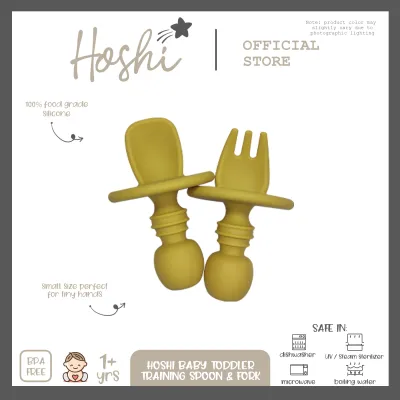
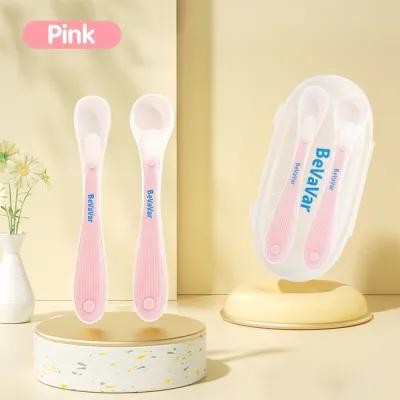
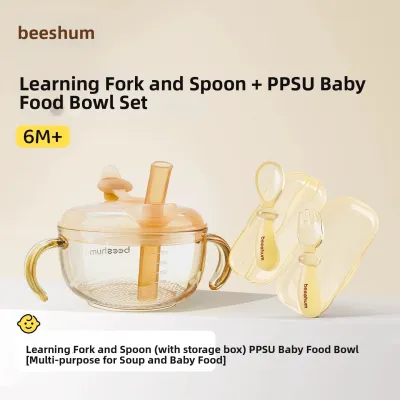
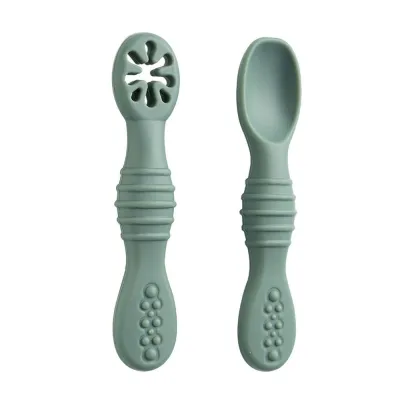
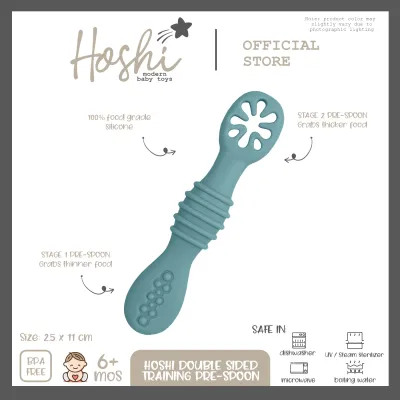
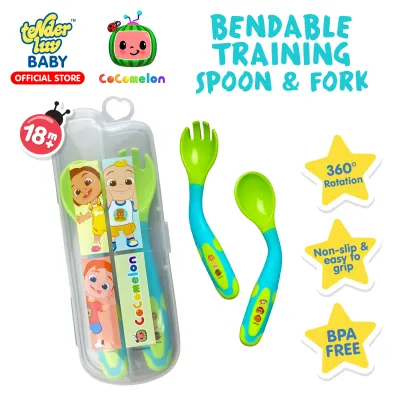
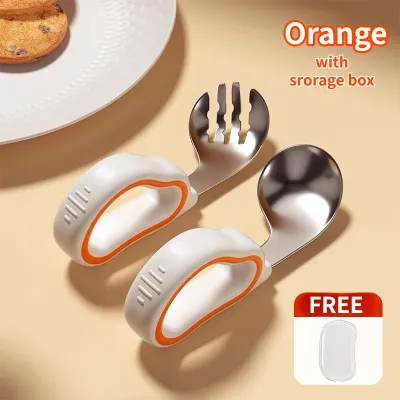
Prices are valid at publication and may change. Please refer to the product page for the latest price.
Safety First: Gum Protection and Material Labels
When evaluating a training spoon for toddler use, physical safety in the mouth is the most immediate concern. Toddlers do not have fully developed hand-eye coordination, meaning their initial attempts to feed themselves are often characterized by sudden, jerky motions. A spoon can easily strike the back of the throat, scrape the roof of the mouth, or hard-impact the gums.
Gum and Teeth Protection
The physical hardness of the spoon material directly influences the risk of oral irritation. Silicone is an elastomeric polymer, meaning it is naturally soft, rubbery, and highly flexible. If a toddler bites down hard on a silicone spoon or accidentally falls while holding it, the material bends and absorbs the impact, protecting the delicate oral mucosa and newly erupting primary teeth.
In contrast, traditional plastic training spoons are rigid and unyielding. While some plastics feature soft-grip rubber overmolds, the underlying structure remains stiff. If an infant bites down forcefully on a hard plastic edge, or bumps the spoon against sensitive gums, it can cause immediate discomfort, micro-trauma, or even minor bleeding. This painful experience can sometimes trigger a temporary aversion to self-feeding.
Material Verification
Parents must actively verify the exact composition of any utensil before introducing it to a child. Do not rely solely on the generic product name or visual appearance. Look closely at the product packaging or official manufacturer specifications for clear material declarations.
High-quality silicone utensils should be labeled as “100% food-grade silicone” or “platinum-grade silicone.” These terms indicate that the material has been processed to minimize volatile organic compounds and chemical byproducts. For plastic utensils, look for specific resin declarations or clear indications of the plastic type, such as polypropylene (PP), which is commonly used for infant feeding products due to its relative stability.
Chemical and Additive Labels
Because plastics and silicones are synthetic materials, they may contain various chemical additives used during manufacturing to improve flexibility, color, or durability. To protect your toddler’s health, look for explicit packaging claims indicating the product is free from harmful compounds:
- BPA-Free: Ensures the product does not contain Bisphenol A, a synthetic compound linked to endocrine disruption.
- BPS-Free: Verifies that Bisphenol S, a common BPA alternative with similar chemical properties, has not been used.
- Phthalate-Free: Confirms the absence of plasticizers often used to make plastics flexible but associated with developmental concerns.
- PVC-Free: Ensures the product is free from polyvinyl chloride, which often requires chemical additives for flexibility.
Never assume a plastic spoon is free of these chemicals simply because it is marketed for babies. Always verify that these safety claims are explicitly printed on the packaging by the manufacturer.
Choking Hazards
A critical but often overlooked safety aspect is the structural integrity of the spoon. Some training spoons are constructed from a single, continuous piece of molded material, while others consist of multiple parts, such as a silicone scoop bonded to a plastic or wooden handle. Over time, the bond between different materials can weaken due to repeated washing, chewing, and thermal stress.
Before every meal, parents should perform a quick physical inspection of the spoon. Gently tug on the tip and twist the handle to check for weak joints, cracks, or loose components. If a multi-piece spoon begins to separate, the detached tip can instantly become a severe choking hazard. Seamless, single-piece designs generally offer the highest level of structural safety because they lack joints that can fail.
Durability: Bite Marks, Stains, and Scratches
A training spoon for toddler meals must endure significant physical abuse. Between teething episodes, drops onto hard kitchen tiles, and constant scraping against bowls, the material’s long-term durability directly impacts both household budgets and hygiene.

Bite and Chew Resistance
Toddlers naturally use their mouths to explore textures, and a spoon often doubles as a convenient teething toy during meals. Silicone is highly elastic, allowing it to compress under pressure. However, sharp primary incisors can eventually puncture or slice through soft silicone. If a toddler repeatedly chews on a silicone spoon, small nicks can develop, which may eventually tear further and release small fragments of silicone.
Hard plastic is highly resistant to being punctured or sliced by baby teeth. It maintains its overall shape even under heavy chewing pressure. However, plastic is susceptible to structural fatigue. If subjected to extreme bending or stepped on by an adult, a rigid plastic spoon can crack, snap, or split, creating sharp edges that can cut a child’s lips or gums.
Staining and Odor Retention
In the Philippines, many popular weaning foods contain vibrant natural pigments and rich fats. Puréed kalabasa (squash), carrots, and tomato-based sauces like Filipino-style spaghetti can easily discolor baby utensils.
Low-quality, highly porous plastics are notorious for absorbing organic dyes and fat-soluble compounds. Once a plastic spoon is stained by a tomato-based sauce, the discoloration is often permanent, and the material can retain food odors even after a thorough wash. High-quality silicone is non-porous and generally resists odor retention much better than plastic, though it can still experience superficial staining if left in contact with bright pigments for extended periods.
Scratching and Wear
Surface wear is a major differentiator between these two materials. Plastic is relatively soft compared to metal cleaning tools and abrasive scrubbing sponges. Over weeks of hand-washing, plastic spoons inevitably develop fine micro-scratches on their surfaces. These microscopic grooves are highly problematic because they create ideal breeding grounds for bacteria, which are difficult to sanitize effectively.
Silicone does not scratch in the same manner. Its rubbery surface resists the fine abrasions caused by standard cleaning sponges. However, silicone can be gouged or sliced if it comes into contact with sharp kitchen knives or the tines of adult metal forks in the sink or dishwasher.
Inspection Routine
To maintain a safe feeding environment, establish a weekly inspection routine for all toddler utensils. Discard and replace any spoon immediately if you observe any of the following signs of irreversible wear:
- For Silicone: Deep cuts, tears near the tip, a sticky or tacky texture (indicating chemical degradation), or a persistent sour odor that survives sterilization.
- For Plastic: Visible cracks, rough or sharp edges along the rim, deep scratches, severe cloudiness, or warping that prevents the spoon from resting flat.
Cleaning and Maintenance: Dishwashers and Stains
Keeping toddler utensils clean is a constant daily task. The material you choose dictates how much time you will spend scrubbing, sterilizing, and maintaining the spoons to ensure they remain sanitary in a warm, humid tropical climate.
Dishwasher Safety
If your household utilizes a dishwasher, always verify the manufacturer’s care instructions before loading toddler spoons. High-quality silicone is highly heat-tolerant and can easily withstand both the washing and drying cycles of a standard dishwasher. To prevent lightweight silicone spoons from falling onto the heating element, always place them in a secure basket on the top rack.
Plastic spoons require much more caution. Many plastics cannot tolerate the high temperatures of a dishwasher’s drying cycle. Exposure to excessive heat can cause plastic to warp, lose its shape, or accelerate the degradation of the polymer chains, potentially leading to chemical leaching. If the packaging does not explicitly state “dishwasher safe,” always wash plastic utensils by hand.
Hand Washing and Crevices
For households that hand-wash dishes, the physical design of the spoon is just as important as the material. Many training spoons feature ergonomic handles with complex textures, non-slip ridges, or hollow cavities designed to help tiny hands grip the utensil. While helpful for self-feeding, these design features create deep crevices that easily trap food particles, milk residue, and moisture.
In the humid climate of the Philippines, trapped moisture in hard-to-reach crevices can rapidly lead to the growth of black mold and bacteria. When selecting a spoon, look for seamless, single-piece designs with smooth transitions between the handle and the bowl. If you choose a spoon with textured grips, use a small detail brush or bottle nipple brush to thoroughly clean out all recesses after every use.
Sterilization Limits
Sterilizing baby utensils is a common practice to eliminate pathogens, but the safety of this step depends entirely on the material’s specific temperature limits. Always check the manufacturer’s guidelines before exposing spoons to extreme heat:
- Silicone: Most food-grade silicone can withstand temperatures up to 200°C or higher, making it safe for boiling water, steam sterilizers, and UV sterilizers.
- Plastic: Plastic has highly variable heat limits. While some polypropylene spoons can handle boiling water for a few minutes, other plastics will melt, warp, or degrade. Never boil or steam-sterilize a plastic spoon unless the manufacturer's packaging explicitly permits it.
Stain Removal Tips
If your toddler’s spoons have become discolored from squash, sweet potato, or sauces, you can use safe, low-risk, and reversible household methods to restore them.
First, create a thick paste using kitchen-grade baking soda (sodium bicarbonate) and a small amount of warm water. Apply the paste directly to the stained areas of the silicone or plastic spoon and let it sit for 20 to 30 minutes. Baking soda acts as a mild, non-toxic abrasive and natural deodorizer that helps lift organic pigments without scratching the surface. Scrub gently with a soft sponge and rinse thoroughly.
Second, take advantage of natural UV light. After washing, place the damp, clean spoons in direct sunlight for a few hours. The sun’s natural UV rays act as a gentle, chemical-free bleaching agent that can significantly fade organic food stains. Always wash and rinse the spoons once more with clean water before using them for a meal.
Side-by-Side Comparison Matrix
To help you quickly evaluate the practical trade-offs between these two materials, the following table summarizes their core performance characteristics based on standard material behaviors.
| Feature | Silicone Training Spoons | Plastic Training Spoons |
|---|---|---|
| Gum/Teeth Friendliness | Extremely soft and flexible; highly protective of tender gums. | Rigid and firm; can cause discomfort if bitten or bumped hard. |
| Bite Mark Resistance | Moderate; can be cut or torn by sharp primary teeth over time. | High; resists tooth punctures but can crack under heavy structural stress. |
| Stain & Odor Resistance | High; non-porous surface resists odors, though superficial staining can occur. | Low to Moderate; porous plastics easily absorb food pigments and oils. |
| Heat Tolerance | High; generally safe for boiling, steam, and dishwasher cycles (verify label). | Low to Moderate; prone to warping or melting under high temperatures (verify label). |
| Dishwasher Durability | Excellent; highly stable on the top rack of most dishwashers. | Variable; many require hand-washing to prevent heat damage and warping. |
| Transition to Cutlery | Low; the soft texture does not mimic the rigid feel of adult metal utensils. | High; the rigid structure helps toddlers adapt to the feel of standard cutlery. |
Disclaimer: Performance characteristics can vary significantly based on the specific brand, manufacturing quality, and exact chemical formulations used. Always refer to the individual product’s packaging and manufacturer instructions for precise specifications and care guidelines.
How to Decide: The Final Verdict
Selecting the ideal training spoon for toddler self-feeding depends on matching the material’s physical traits to your child’s developmental age and your daily household workflow.
Choose Silicone if…
- Your child is in the early stages of weaning (typically 6 to 12 months) and is still developing basic hand-eye coordination.
- Your toddler is actively teething and prone to biting down hard on utensils during meals.
- You prioritize a soft, highly flexible material that minimizes the risk of oral discomfort or minor gum injuries.
- You prefer a highly heat-resistant material that can be easily sterilized in boiling water, steam, or the dishwasher without warping.
Choose Plastic if…
- Your older toddler (typically 18+ months) has mastered basic scooping motions and is ready to transition to more rigid, adult-style cutlery.
- You need a firm, structured edge to easily cut through soft foods or scoop up denser textures like thick rice porridge (lugaw).
- You are looking for a lightweight, budget-friendly option (typically ranging from ₱100 to ₱300 for multi-packs) for travel, daycare, or outdoor trips where items are easily misplaced.
Neither may fit if…
- The spoon features a multi-piece design with deep, unsealed joints or hollow handles that trap food particles and moisture, creating a high risk for mold growth.
- The product packaging lacks clear material declarations, safety certifications, or explicit chemical-free labels (such as BPA-free).
- The spoon shows any visible signs of structural degradation, such as deep cuts in silicone or sharp cracks in plastic, which present immediate choking or injury hazards.
Verify first if…
- You plan to use high-heat sanitizing methods like boiling water, electric steam sterilizers, or UV sterilizers. Always check the manufacturer's exact temperature thresholds printed on the packaging, as exceeding these limits can damage the utensil or compromise its safety.
Ultimately, the best training spoon is one that your toddler can comfortably hold and accept into their mouth, and that you can easily and reliably keep clean and sanitary every single day.
Frequently Asked Questions (FAQ)
Can I sterilize both silicone and plastic spoons in boiling water?
No, you should never assume both materials can handle boiling water. While high-quality, food-grade silicone is naturally heat-resistant and can safely withstand boiling temperatures, many plastics used in baby utensils have much lower melting points. Exposing non-heat-resistant plastic to boiling water can cause it to warp, melt, degrade, or potentially leach chemical additives. Always read the manufacturer’s packaging first to verify the maximum temperature limit and approved sterilization methods for that specific spoon.
When should I replace my toddler's training spoon?
You should replace a training spoon immediately if you observe any physical damage or signs of wear. For silicone spoons, look for deep bite marks, small tears, or a sticky surface texture. For plastic spoons, check for cracks, rough edges along the scoop, severe scratching, or deep cloudiness. Any structural damage—especially near the joint of a multi-piece spoon—creates an immediate choking hazard if a piece breaks off in your child’s mouth. Regularly discard damaged utensils to ensure safe and hygienic meal times.
Community discussion
Share your experience or ask a question. Comments are reviewed before publication.