
Choosing between a silicone and a mesh baby food feeder pacifier depends on your baby’s current developmental stage, their teething comfort needs, and your personal preferences for daily cleanup. Both tools serve as an excellent bridge to solid foods, allowing infants to safely explore new flavors and textures without the risk of swallowing large chunks. While mesh feeders utilize a classic fabric bag that lets juices and tiny food particles dissolve passively, silicone feeders feature a soft, structured nipple with small pre-punched holes that release food when squeezed or chewed. By understanding how these materials perform under daily use, you can select the option that best supports your little one’s feeding journey while keeping mealtime safe and stress-free.
Core Structural Differences: How They Deliver Food
The mechanical design of a baby food feeder pacifier dictates how food is delivered to your baby’s mouth. Mesh feeders consist of a small, porous fabric bag attached to a plastic ring. When your baby chews on the mesh, the physical pressure squeezes out juices and highly softened food particles, leaving seeds, skins, and larger fibers trapped inside. This passive dissolving mechanism is highly effective for very soft fruits like ripe mangoes or bananas, but it relies entirely on the baby’s ability to suck and compress the fabric to extract any nutrition.
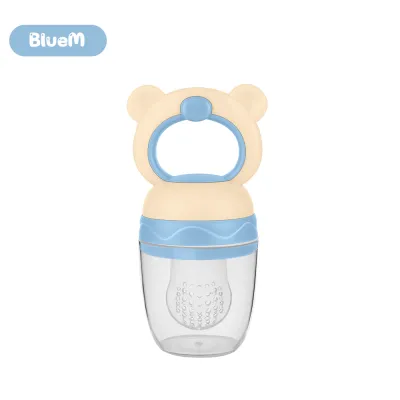
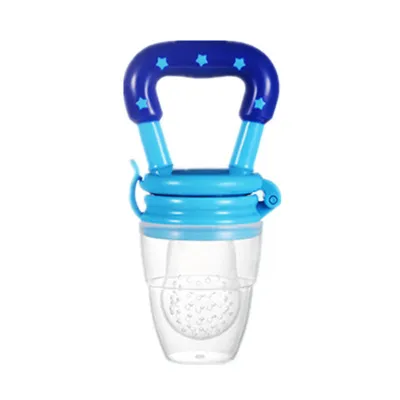
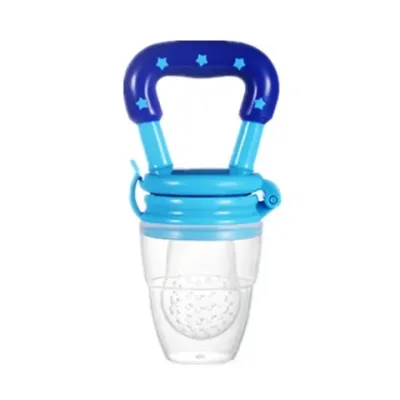
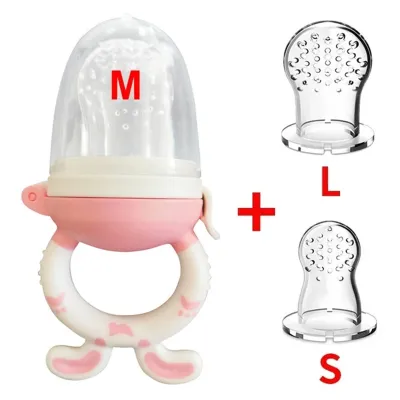
Silicone feeders utilize a flexible, medical-grade silicone nipple with small, engineered holes. This design offers a more controlled food release rate, as the semi-rigid structure of the silicone holds its shape while allowing purees or mashed solids to pass through only when actively compressed. The chewing resistance of silicone is significantly higher than that of fabric mesh, providing a springy, elastic texture that mimics the feel of a standard pacifier or bottle nipple.
Products mentioned in this guide
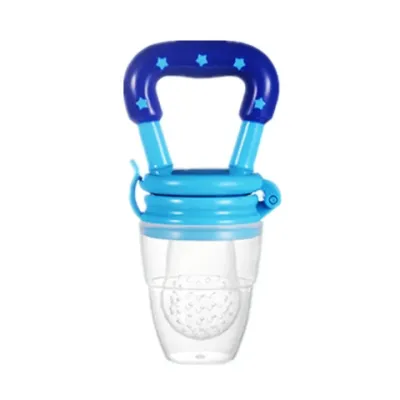
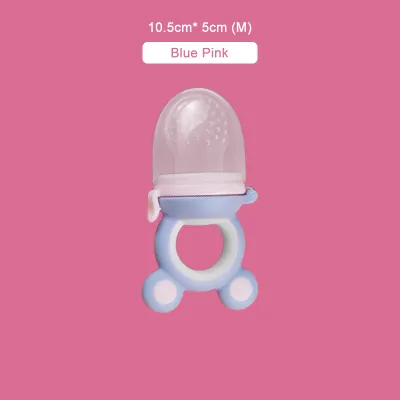
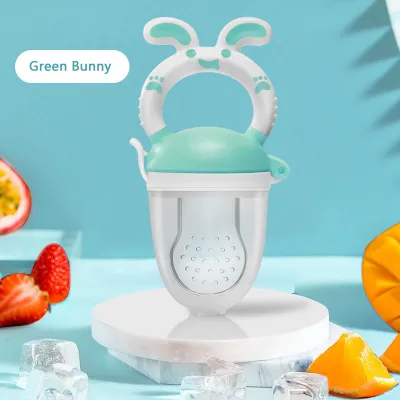
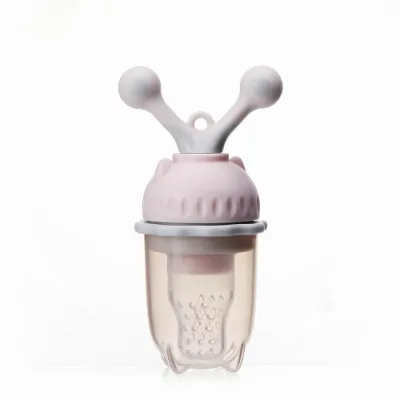
Prices are valid at publication and may change. Please refer to the product page for the latest price.
These structural differences also affect how each feeder handles various food consistencies. Silicone feeders excel with smooth purees, thick yogurts, and finely mashed sweet potatoes, as the smooth interior walls allow the food to slide easily toward the holes. Mesh bags are often better suited for whole, juicy fruits like chilled watermelon or steamed pears, where the natural juices can easily filter through the woven fibers.
Safety Checks and Choking Hazard Prevention
While a baby food feeder pacifier is designed to minimize choking risks, regular safety inspections are essential to ensure the integrity of the materials. For mesh feeders, caregivers must perform a detailed inspection before every single use, looking closely for any signs of tearing, fraying, or loose threads along the seams. The constant friction from a baby’s emerging teeth can weaken the fabric fibers over time, potentially allowing larger food pieces or loose threads to escape into the baby’s mouth.

Silicone feeders require a different inspection routine focused on the integrity of the pre-punched holes. Over time, vigorous chewing can cause these holes to enlarge, tear, or merge, which increases the risk of larger food chunks passing through. You should gently stretch the silicone bulb under a bright light to check for hairline tears, punctures, or structural weakness around the base where it connects to the plastic collar. If you observe any stretching, thinning, or damage, the silicone component must be replaced immediately.
Regardless of the material you choose, always verify the manufacturer’s age and weight recommendations printed on the product packaging. Some feeders are designed with larger bulbs or handles intended for older infants who have developed stronger jaw muscles. Most importantly, a food feeder is not a passive toy; active adult supervision is absolutely mandatory during every feeding session to monitor the baby’s swallowing reflex and ensure they remain upright while eating.
Cleaning Effort and Long-Term Maintenance
The effort required to clean and maintain a baby food feeder pacifier is a major deciding factor for busy caregivers. Mesh feeders are notoriously difficult to clean because tiny food fibers, fruit pulp, and banana starch easily become trapped within the tight weave of the fabric. If not cleaned immediately after use, these food residues can dry and harden, making them nearly impossible to remove without vigorous scrubbing with a dedicated soft-bristled brush.
Silicone feeders offer a much simpler cleaning experience due to their non-porous, smooth surfaces. Food particles do not stick easily to silicone, allowing you to quickly rinse the bulb under warm running water or wipe it clean with a soft sponge. Because silicone does not absorb oils or pigments as readily as fabric, it is also less prone to long-term staining and odor retention, though highly pigmented foods like carrots or squash may cause mild, harmless discoloration over time.
In warm, humid tropical climates like the Philippines, preventing mold and bacterial growth is a critical maintenance priority. After washing, both types of feeders must be allowed to dry completely in a well-ventilated area. Mesh bags retain moisture for a significantly longer period than silicone, meaning they require extra drying time and should never be stored away while even slightly damp. Always check the manufacturer’s instructions to verify if the components are dishwasher-safe or if they can withstand high-temperature steam sterilization.
Teething Relief and Sensory Feedback
Beyond delivering nutrition, a baby food feeder pacifier serves as an excellent tool for soothing sore gums during the teething phase. Silicone feeders are particularly effective for this purpose because the material can be textured with raised ridges, bumps, or dots that massage the baby’s gums as they chew. Many manufacturers design silicone bulbs that can be safely chilled in the refrigerator; the cold, firm silicone provides targeted, numbing relief to swollen gums without the risk of direct ice contact.
Mesh feeders offer a softer, more compliant sensory experience that some babies prefer, especially during the very early stages of teething when their gums are highly sensitive to firm pressure. The fabric bag conforms easily to the shape of the mouth, providing a gentle, cushioned surface. However, because fabric does not retain cold temperatures as long as solid silicone, a chilled mesh feeder may lose its cooling effect more rapidly when exposed to the baby’s warm saliva.
Baby acceptance of these textures is highly individual and can change as their teeth begin to emerge. Some infants enjoy the firm, springy resistance of silicone because it allows them to practice their biting and chewing motions with satisfying feedback. Others may find the texture of wet fabric more comforting and familiar. Observing how your baby interacts with different teething toys can give you a helpful clue as to which feeder material they will prefer.
Final Decision Framework: Silicone or Mesh?
To make the best choice for your household, consider how each material aligns with your baby’s developmental stage and your daily routine.
Choose a silicone feeder if:
- You want a quick, hassle-free cleanup process that requires only a simple rinse or a quick wipe.
- Your baby is actively teething and benefits from firm, textured surfaces that massage swollen gums.
- You prefer a durable material that resists tearing from sharp, newly emerged baby teeth.
- You plan to feed smooth purees, yogurts, or thick mashes that flow easily through structured holes.
Choose a mesh feeder if:
- Your baby is just beginning their transition to solids and prefers a very soft, gentle, and flexible texture in their mouth.
- You plan to introduce highly juicy fruits, such as fresh watermelon or ripe mangoes, where the natural juices can filter through easily.
- You do not mind spending extra time scrubbing and soaking the fabric bag to ensure all food particles are removed.
Before making your final purchase, always verify if the manufacturer offers replacement parts, such as extra silicone bulbs or mesh bags, as these components will wear out over time and need periodic replacement. Check the product labels carefully to ensure all plastic components are free from bisphenol A (BPA) and other harmful chemical additives. By matching the feeder’s material properties to your baby’s unique preferences and your lifestyle, you can create a safe, enjoyable, and nutritious sensory experience for your growing child.
Frequently Asked Questions (FAQ)
Can I put frozen fruit in both silicone and mesh feeders?
Yes, you can put frozen fruit in both types of feeders, but you must always check the manufacturer’s guidelines for specific temperature limits and safety warnings. Placing frozen items like berries or bananas inside a feeder is a popular way to soothe teething discomfort, but extreme cold can sometimes be too harsh on a baby’s sensitive oral tissues. Mesh bags tend to become stiff and rigid when frozen, which might feel uncomfortable for some infants, whereas silicone bulbs retain their flexible, springy structure even when cold. Always ensure the frozen food pieces are small enough to fit comfortably inside the feeder without forcing the closure mechanism, and never leave your baby unattended while they enjoy a cold treat.
At what age should I stop using a baby food feeder pacifier?
Most babies are ready to transition away from a food feeder pacifier once they display clear signs of readiness for direct self-feeding, which typically occurs around the time they develop a strong pincer grasp and coordinated chewing motions. These developmental milestones indicate that your baby is ready to practice chewing and swallowing actual soft solids without the barrier of a mesh or silicone pouch. You should also check the manufacturer’s packaging for any specified maximum age or weight limits, as these products are not intended for toddlers with fully developed teeth who can easily bite through the materials. If you are unsure about the right time to transition, consult your pediatrician or a pediatric feeding specialist for personalized guidance tailored to your baby’s unique development.
Community discussion
Share your experience or ask a question. Comments are reviewed before publication.