
Choosing between silicone and latex for your baby’s bottle feeding involves balancing safety, durability, and comfort. When selecting a pigeon nipple wide neck option, parents in the Philippines often face unique challenges, such as high tropical humidity and ambient heat, which can accelerate the degradation of certain materials. While silicone is highly durable and resistant to heat, latex offers a softer, more natural feel that some infants prefer. Deciding which material is best requires understanding how each responds to daily wear, sterilization routines, and your baby’s developing feeding habits.
To make an informed decision, caregivers must look beyond brand names and evaluate the physical properties, safety profiles, and maintenance limits of both materials. This guide provides a practical framework to help you identify, maintain, and choose the right nipple material for your baby’s developmental stage and your household routine.
Identifying Silicone and Latex Characteristics
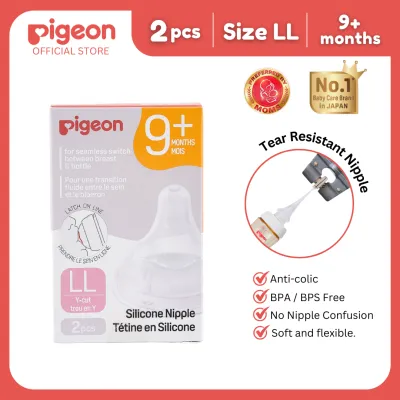
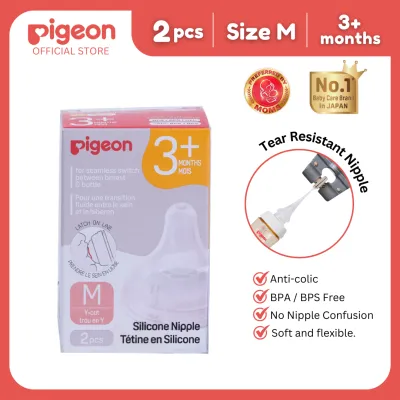
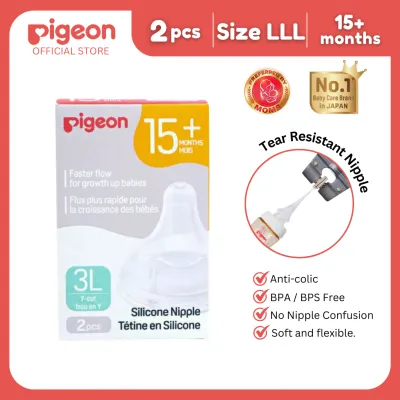
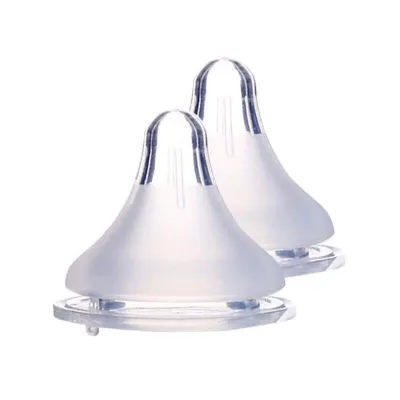
Silicone and latex wide neck nipples have distinct physical properties that are easy to identify at a glance. Silicone nipples are completely clear, transparent, and firm to the touch. They retain their shape well under pressure and do not absorb odors or flavors easily. Because they are synthetic, they do not have a natural scent when first opened, though they should always be washed before the first use according to the manufacturer’s instructions.
Products mentioned in this guide
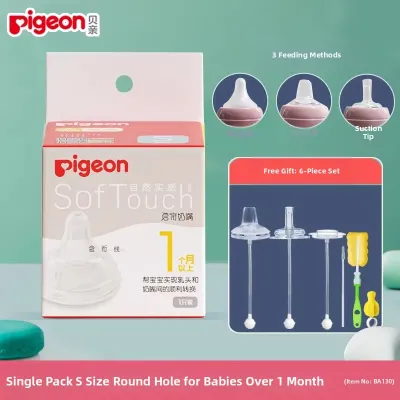
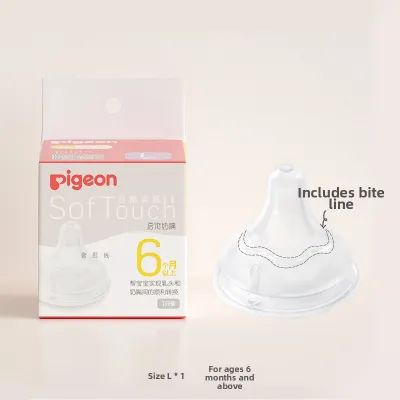
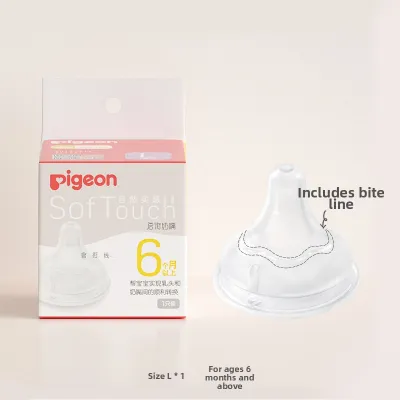
Prices are valid at publication and may change. Please refer to the product page for the latest price.
Latex nipples, made from natural rubber, are easily recognized by their amber, yellow, or light brown color. They are significantly softer and more flexible than silicone, mimicking the natural feel of skin. New latex nipples often have a faint, characteristic rubber smell that is entirely normal for natural materials. Over time, exposure to light and air can cause latex to darken or become slightly opaque.
To verify the exact material of your pigeon nipple wide neck purchase, always inspect the product packaging and the base of the nipple itself. Genuine products feature clear material declarations on the box, along with embossed markings on the silicone or rubber flange. These markings often indicate the flow size and manufacturing codes, helping you confirm that the product matches your baby’s age and developmental requirements.
Assessing Safety and Allergy Risks
While both materials are widely used, they carry different health and safety considerations. Natural rubber latex contains proteins that can trigger allergic reactions in sensitive infants. Caregivers must monitor babies closely for observable signs of latex sensitivity, which may include redness around the mouth, swelling of the lips, skin rashes, or unusual fussiness during and after feeding. If you observe any of these signs, discontinue use immediately and consult a pediatrician.

Silicone is a synthetic, food-grade polymer that is generally considered hypoallergenic. Because it lacks the natural proteins found in rubber, it is highly unlikely to cause allergic reactions, making it a common choice for families with a history of allergies. However, regardless of the material chosen, any persistent feeding issues—such as frequent spitting up, excessive gas, or difficulty latching—should be discussed with a healthcare professional or a lactation consultant.
Before purchasing, always check the product packaging for specific allergen warnings, material safety declarations, and age recommendations. Ensure the packaging explicitly states that the product is free from bisphenol A (BPA) and other regulated plasticizers. Verifying these details helps ensure the nipple aligns with current pediatric safety guidelines and matches your baby’s specific developmental stage.
Recognizing Durability and Wear Indicators
In the warm and humid climate of the Philippines, nipple materials can degrade faster than expected. Latex is highly susceptible to oxidation, a natural aging process accelerated by heat, sunlight, and moisture. As latex degrades, it becomes sticky to the touch, discolored, swollen, or excessively soft. If a latex nipple loses its original shape or feels tacky, it has reached the end of its safe lifespan and must be discarded.
Silicone is highly resistant to heat and structural aging, but it is vulnerable to physical damage once a baby begins teething. While silicone does not oxidize or become sticky, it can easily tear if bitten. Inspect silicone nipples closely for tiny bite marks, punctures, or structural weaknesses around the feeding hole and ventilation valve. A small tear in silicone can quickly expand under the pressure of suction, leading to a sudden increase in milk flow.
To ensure feeding safety, establish a daily inspection routine before every feed. Perform a simple stretch test by pulling gently on the bulb of the nipple; if it shows any signs of cracking, tearing, or thinning, discard it immediately. Check that the feeding hole has not enlarged, as an uncontrolled flow of milk can lead to choking. Any nipple showing physical damage, stickiness, or structural changes must be replaced immediately to prevent choking hazards.
Navigating Cleaning and Sterilization Limits
Proper cleaning and sterilization are critical to maintaining the structural integrity of your pigeon nipple wide neck. Silicone is highly resilient and can withstand various sterilization methods, including boiling, steam, and ultraviolet (UV) sterilization. However, always consult the specific product manual to verify the maximum temperature limit and recommended exposure times for your specific model.
Latex requires much gentler care due to its sensitivity to high heat and light. Frequent boiling or exposure to steam sterilizers will rapidly degrade natural rubber, causing it to soften and wear out prematurely. Furthermore, UV sterilizers can accelerate the breakdown of latex, making it brittle. If you choose latex, follow the manufacturer’s instructions carefully, which often recommend mild chemical sterilizing solutions or brief boiling rather than prolonged heat exposure.
Regardless of the material, avoid exposing nipples to cooking oils, fats, or harsh dishwashing detergents, as these substances can weaken the material structure. Keep them away from sharp objects during washing, and never place them directly on high-heat sources. After washing and rinsing, dry the nipples thoroughly in a clean, well-ventilated area away from direct sunlight to prevent the growth of mold and bacteria, which thrive in humid environments.
Making Your Final Material Choice
Your final choice between silicone and latex should align with your baby’s feeding preferences and your daily care habits. Babies with a strong, vigorous suck or those who are teething often do better with silicone due to its tear resistance. Conversely, newborns or infants who struggle to latch onto firmer materials may prefer the soft, pliable texture of latex, which closely resembles natural feeding.
Consider your household’s sterilization routine and lifestyle when making your decision. If you rely on a UV sterilizer or steam appliance for convenience, silicone is the more practical and durable option. If you prefer latex, be prepared for more frequent manual inspections and a shorter replacement cycle, which may require keeping a larger inventory of spare nipples on hand.
Finally, verify the availability of your preferred material and flow rates in authorized retail channels. Genuine pigeon nipple wide neck options are available in various sizes, from slow-flow for newborns to fast-flow cross-cut designs for older babies. Purchasing from reputable department stores, official baby boutiques, or verified online flagship stores ensures you receive authentic, high-quality products that meet strict safety standards.
Frequently Asked Questions (FAQ)
Can I switch my baby from latex to silicone nipples?
Yes, you can transition your baby from latex to silicone, but it should be done gradually. Because silicone is firmer, some babies may initially resist the change in texture. Monitor your baby’s latch, milk flow acceptance, and comfort during the transition. If your baby consistently refuses the silicone nipple or shows signs of feeding distress, revert to the previous material temporarily and consult a lactation professional for guidance.
How often should I replace Pigeon wide neck nipples?
Rather than relying on a strict calendar schedule, replace nipples based on visual and tactile wear indicators. Inspect the nipples daily, especially once your baby starts teething and biting. Latex nipples generally require more frequent replacement due to natural degradation, while silicone nipples last longer but must be discarded immediately if they show tears, punctures, or structural thinning. Always follow the manufacturer’s maximum usage guidelines.
Are silicone nipples completely free from harmful chemicals?
High-quality, food-grade silicone is inherently inert and free from harmful chemicals like BPA, BPS, and phthalates. To ensure safety, always check the product packaging for official safety declarations and chemical-free labels. To avoid counterfeit products that may contain unverified materials, purchase your wide neck nipples exclusively from authorized retailers and official brand distributors.
Community discussion
Share your experience or ask a question. Comments are reviewed before publication.