
Deciding between silicone and latex Pigeon nipples for your newborn involves balancing material durability, texture preference, and safety checks. For babies aged zero to six months, neither material is universally “safer” than the other; instead, safety depends on how you sterilize, inspect, and match the nipple to your baby’s developing latch. Silicone offers excellent chemical stability and heat resistance, making it a highly hygienic option for busy households. Latex provides a softer, more natural feel that closely mimics the breast, which can be helpful for babies who reject firmer materials, though it requires more frequent replacement and carries a small risk of allergic reactions.
In the warm, humid climate of the Philippines, environmental factors like ambient heat and moisture play a significant role in how feeding gear degrades. High humidity can accelerate the breakdown of natural rubber latex, making it sticky or swollen much faster than it would in cooler, drier climates. Consequently, parents must pay close attention to storage conditions and material wear to ensure their newborn’s feeding equipment remains completely safe.
Material Safety and Composition Checks
Understanding the baseline safety profiles of your baby’s feeding equipment starts with examining the raw materials. Silicone is a synthetic, food-grade polymer primarily composed of silicon, oxygen, carbon, and hydrogen. Because it is inorganic, silicone is highly stable, non-porous, and resistant to chemical leaching, even when exposed to high temperatures during sterilization. This makes it an exceptionally reliable choice for daily, long-term use.
Products mentioned in this guide
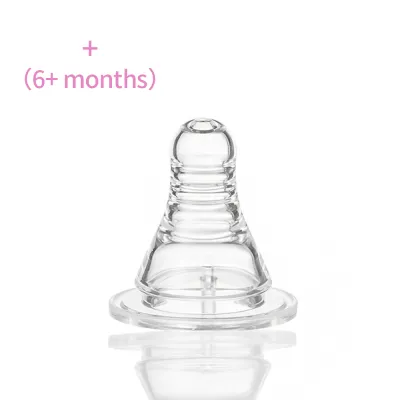
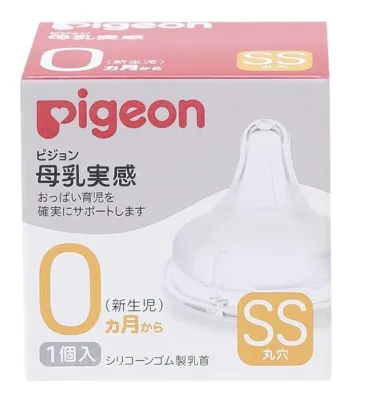
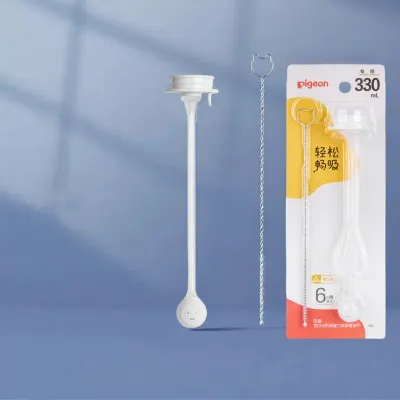
Prices are valid at publication and may change. Please refer to the product page for the latest price.
Natural rubber latex is harvested from the sap of rubber trees. While it is highly elastic and biodegradable, its organic nature means it is more susceptible to environmental degradation and chemical breakdown over time. Because latex is a natural plant product, it contains proteins that can trigger allergic reactions in sensitive infants. Caregivers must monitor their baby closely during and after feeds for signs of a latex allergy, such as redness, swelling, a localized rash around the lips and mouth, hives, or unusual fussiness. If you observe any of these symptoms, stop using the latex nipple immediately, switch to a silicone alternative, and consult a pediatrician or qualified healthcare professional.
Before purchasing any nipple, always verify the safety standards and certifications printed on the packaging. Look for clear labels indicating the product is BPA-free and BPS-free, as well as food-grade certifications. For newborns, verify the age-grading on the box. Pigeon nipples designed for the zero-to-six-month range typically come in specific sizes, such as SS (for newborns) and S (for babies around one month and older). Never use a nipple size that does not align with your baby’s developmental stage, as an incorrect flow rate can lead to feeding difficulties.
Comparing Fit, Feel, and Milk Flow for Newborns
During the first six months of life, a baby’s oral mechanics are developing rapidly. The choice of nipple material directly influences how your baby latches, sucks, and swallows. Latex is exceptionally soft and pliable, allowing it to conform easily to the shape of your baby’s mouth. It warms up quickly to body temperature, which can provide a comforting, familiar sensation for a newborn transitioning from breast to bottle.

Silicone is naturally firmer and holds its molded shape under pressure. While modern silicone nipples are engineered with textured areas and flexible zones to mimic the natural latch, some infants may still perceive them as too rigid compared to the breast. However, silicone’s firmness can be beneficial for babies who tend to collapse softer nipples with strong suction, as it maintains a consistent shape and prevents the nipple from flattening during a feed.
As babies grow, even within the zero-to-six-month range, they develop significant jaw strength and may begin to bite or gnaw on the nipple to soothe their gums. Silicone is highly durable and resistant to early biting, maintaining its structural integrity over months of use. Latex, being softer, is more prone to micro-tears and structural weakening when subjected to constant suction and early biting.
Milk flow consistency is another critical factor to evaluate. Pigeon nipples utilize specific flow designs, such as the round hole for very young infants or the Y-cut (cross-cut) for slightly older babies, to regulate milk flow. It is vital to check the manufacturer’s flow rate indicators on the packaging. A flow that is too fast can cause a newborn to choke, gasp, or swallow excess air, leading to painful colic and gas. Conversely, a flow that is too slow can cause frustration, fatigue, and incomplete feeds. Regularly observe your baby’s feeding pace to ensure the material and hole size are working in harmony.
Sterilization, Daily Care, and When to Replace
Proper hygiene is critical for protecting a newborn’s developing immune system. However, sterilization methods must align with the material’s physical limits. Silicone can withstand high temperatures, making it compatible with boiling water, steam sterilizers, and UV sterilizers. Always check the manufacturer’s instructions for maximum temperature thresholds and recommended sterilization times to avoid damaging the material.
Latex is highly sensitive to heat and UV radiation. High temperatures accelerate the degradation of natural rubber, while UV light can cause latex to become brittle and crack. If you choose latex, you must follow the manufacturer’s specific guidelines for low-heat sterilization or short boiling times, and avoid exposing the nipples to direct sunlight or UV sterilizer cycles.
Before every single feeding session, perform a quick physical check of the nipple. Wash your hands thoroughly, then stretch the nipple gently in all directions. Look for signs of wear such as stickiness, discoloration (latex turning dark or pale), swelling, cloudiness in silicone, or tiny micro-tears around the tip or base. In the Philippines, the combination of tropical heat and humidity can cause latex nipples to become sticky or tacky to the touch much sooner than expected.
If you notice any change in the texture, shape, or color of the nipple, discard it immediately. A stretched or weakened nipple can tear completely during a feed, presenting a severe choking hazard to your baby. Do not wait for a pre-determined calendar date to replace a nipple; physical wear is the ultimate indicator that a replacement is required.
Decision Framework: Which Material Fits Your Baby?
To finalize your decision, consider your household’s sterilization routine, your baby’s feeding preferences, and any potential health sensitivities.
Choose silicone if:
- You prioritize high-heat sterilization durability and want a material compatible with steam or UV sterilizers.
- You prefer long-term shape retention and a material that does not degrade quickly in warm, humid climates.
- You want to avoid any potential natural rubber latex allergens in your household.
Choose latex if:
- Your baby has a highly sensitive latch and consistently rejects firmer silicone nipples.
- You prefer a softer, more flexible texture that closely mimics the natural breast.
- There is no family history of latex allergies, and you are willing to perform more frequent replacements and low-heat sterilization.
Verify first if:
- You are transitioning between different bottle brands or nipple materials, ensuring the nipple base matches your bottle collar.
- Your baby has a history of oral aversions or feeding difficulties, in which case you should consult a pediatrician or lactation consultant.
- You are purchasing replacements, checking prices and availability across official brand stores and reputable e-commerce platforms to ensure you receive genuine, safety-certified products.
Frequently Asked Questions (FAQ)
Can I switch between silicone and latex Pigeon nipples for the same bottle?
Yes, but you must verify that the nipple base matches the specific bottle collar and ring system you are using. Pigeon offers different bottle lines, such as Wide-Neck and Slim-Neck options, and the nipples are not interchangeable between these different neck sizes. Ensure the collar screws down tightly and forms a secure seal to prevent milk from leaking during feeds. Additionally, monitor your baby’s reaction during the transition; some babies adapt quickly, while others may struggle with the sudden change in texture and flow dynamics, requiring a gradual adjustment period.
How often should I replace Pigeon nipples for a 0-6 month old?
As a general guideline, manufacturers often recommend replacing silicone nipples every two to three months, and latex nipples every four to six weeks due to natural wear. However, these timelines are secondary to actual physical wear. In warm, tropical environments, latex may degrade much faster. You must adjust your replacement schedule based on visible signs of aging, such as stickiness, swelling, or changes in milk flow speed. If your baby has developed a stronger suction or shows signs of early teething, inspect the nipples even more frequently and replace them at the first sign of structural weakness.
Community discussion
Share your experience or ask a question. Comments are reviewed before publication.