
Choosing the right pacifier for your newborn is a decision that involves balancing safety, hygiene, comfort, and durability. Many parents find themselves comparing medical-grade silicone and natural rubber latex, the two most common materials used for pacifier bulbs. While both options can safely soothe a baby, they have distinct chemical and physical properties that affect how they perform, how long they last, and how they should be maintained.
Quick Answer: Silicone vs. Latex for Newborns
Medical-grade silicone is generally the preferred choice for newborns due to its hypoallergenic nature, high durability, and ease of sterilization. It is an inorganic synthetic material that does not contain proteins, making it completely safe for babies with sensitive skin or allergy risks. Furthermore, silicone easily withstands high-heat sterilization methods without warping or degrading, making it highly hygienic for daily use.
In contrast, natural rubber latex offers a softer, more flexible feel that closely mimics the natural elasticity of a mother’s breast. However, because latex is an organic material harvested from rubber trees, it contains plant proteins that can trigger allergic reactions in sensitive infants. Latex also degrades much faster than silicone, especially when exposed to heat, saliva, and humidity, requiring frequent replacements to prevent choking hazards.
Products mentioned in this guide
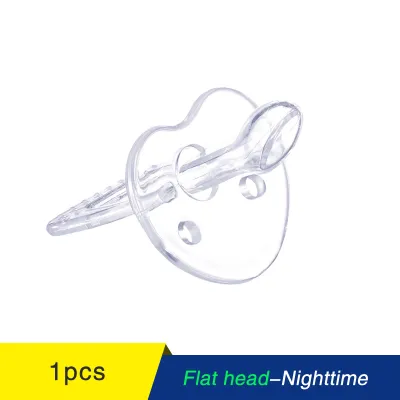
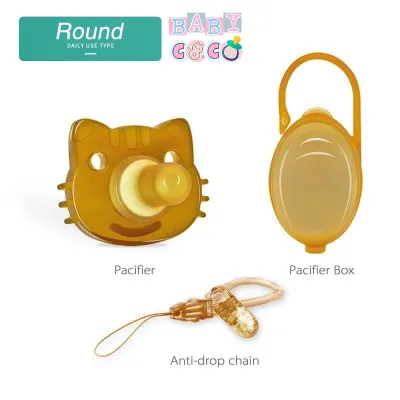
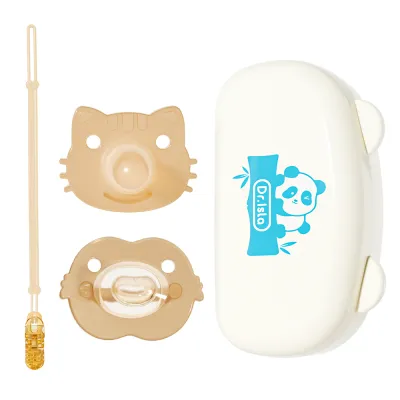
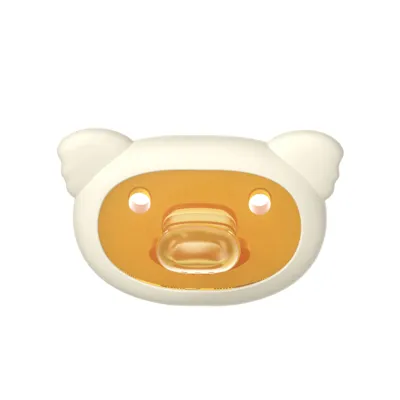
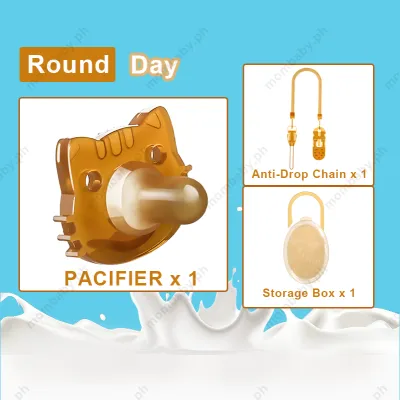
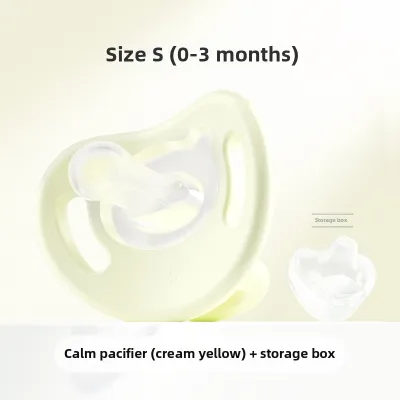
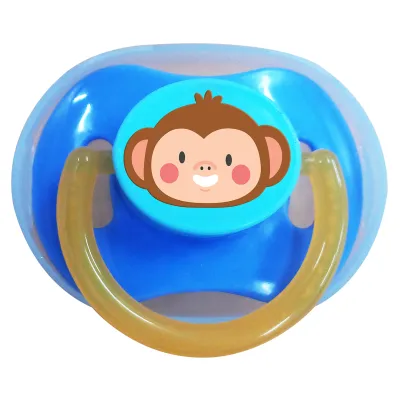
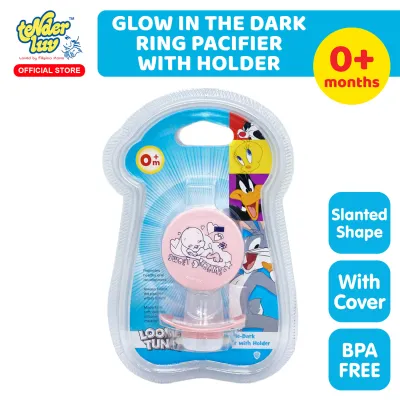
Prices are valid at publication and may change. Please refer to the product page for the latest price.
Ultimately, the safest option for your family depends on your baby’s specific sensitivities, your daily cleaning routine, and your commitment to replacing the pacifier regularly. While silicone is the most practical and hypoallergenic default, some babies may strongly prefer the soft texture of latex. Whichever material you choose, strict adherence to manufacturer safety guidelines and regular wear-and-tear inspections are essential to keep your newborn safe.
Material Basics: What Are Silicone and Latex Pacifiers Made Of?
Medical-grade silicone is a synthetic polymer made primarily of silicon, oxygen, carbon, and hydrogen. It is designed to be chemically inert, meaning it does not react with biological tissues or fluids. Silicone is clear, odorless, and highly resistant to extreme temperatures, making it incredibly stable over long periods of use.

Natural rubber latex is an organic elastomer harvested from the sap of the rubber tree, Hevea brasiliensis. It is characterized by its yellow or amber color, high elasticity, and natural softness. Because it is a plant-based material, it contains organic compounds and proteins that give it a slight natural scent and make it highly biodegradable.
It is important to note that material names alone do not guarantee a product’s safety. When selecting a pacifier, parents must always check the manufacturer’s packaging and product documentation to verify that the silicone is certified as food-grade or medical-grade.
Additionally, the entire pacifier assembly—including the shield, ring, and handle—must meet recognized international infant safety standards, such as the European standard EN 1400. Caregivers should verify these certifications rather than assuming safety based on the material alone.
Safety and Health: Allergies, Toxins, and Newborn Vulnerability
Newborn babies have highly sensitive skin and developing immune systems, making them particularly vulnerable to environmental allergens and chemical exposure.
Allergy Risks and Latex Sensitivity
The primary health risk associated with natural rubber latex is the potential for allergic reactions. Because latex is derived from a plant source, the organic proteins remaining in the rubber can trigger an immune response in sensitive babies.
A latex allergy typically presents as contact dermatitis around the baby’s mouth, resulting in redness, swelling, itching, or localized skin irritation. In rare, severe cases, repeated exposure can lead to more serious systemic allergic reactions.
For newborns with sensitive skin, eczema, or a family history of latex allergies, silicone is the default and safest recommendation. Silicone is completely synthetic, protein-free, and inherently hypoallergenic, eliminating the risk of material-related allergic reactions.
BPA, Phthalates, and Chemical Leaching
Another major concern for parents is chemical leaching, which occurs when harmful substances migrate from the pacifier into the baby’s mouth. Historically, plasticizers like phthalates and bisphenol A (BPA) were used to soften plastics and rubbers, posing potential developmental risks.
While reputable modern brands manufacture pacifiers without BPA, phthalates, or PVC, parents should never assume a product is safe based on material alone. Always explicitly verify these safety claims on the product packaging before purchasing.
Furthermore, extreme heat, harsh chemicals, and UV exposure can destabilize both silicone and latex over time, potentially leading to chemical breakdown. To prevent degradation, caregivers must strictly follow the manufacturer’s recommended temperature limits and sterilization guidelines.
Durability and Lifespan: Spotting Wear and Tear in Tropical Climates
The environmental conditions of the Philippines, characterized by high temperatures and intense humidity, significantly accelerate the aging process of baby products.
Silicone: Tearing and Bite Marks
Silicone is highly resistant to heat, oxidation, and moisture, meaning it will not warp, swell, or become sticky when exposed to warm, humid air. This environmental stability gives silicone pacifiers a relatively long shelf life.
However, silicone has low tear strength, making it vulnerable to punctures and micro-tears. This vulnerability is especially critical once a baby begins teething or if the pacifier comes into contact with sharp objects like fingernails or toys.
To prevent a damaged bulb from detaching and posing a choking hazard, parents must perform visual and tactile checks before every use. Hold the shield and pull the silicone bulb firmly in all directions, looking for tiny splits, holes, or structural weakening.
Latex: Oxidation, Stickiness, and Discoloration
Natural rubber latex is highly susceptible to degradation from heat, direct sunlight, and the natural oils present in a baby’s saliva and skin. In a humid tropical climate, this degradation occurs much faster.
Over time, exposure to these elements causes the latex to undergo oxidation, causing the material to swell, lose its elasticity, turn dark brown, or become sticky to the touch. Degraded latex can easily tear or crumble, creating a severe choking hazard for your newborn.
Because of this rapid aging, latex pacifiers require a strict replacement protocol. Parents should replace latex pacifiers every 4 to 6 weeks as recommended by manufacturers, or immediately if any changes in texture, color, or structural integrity are detected.
Cleaning and Sterilization: Material-Specific Care Rules
Maintaining proper hygiene is essential to protect your newborn from harmful pathogens, but cleaning methods must align with the physical limits of the pacifier material. Before cleaning or sterilizing any pacifier, always check the product’s packaging label and the manufacturer’s specific care instructions. If the instructions conflict, if the pacifier is unidentified, or if your specific cleaning method is not explicitly covered, stop and consult the manufacturer or a qualified healthcare professional.
Silicone pacifiers have excellent heat tolerance, allowing them to safely withstand high-heat sterilization methods. They can be boiled in water, placed in electric steam sterilizers, or sanitized in microwave steam bags without losing their shape or strength.
In contrast, natural rubber latex is highly sensitive to heat and light. Subjecting a latex pacifier to boiling water for extended periods, steam sterilizers, or UV sterilizers can permanently warp, weaken, or dry out the rubber, causing it to crack and fail prematurely.
When cleaning latex, caregivers should avoid harsh chemical disinfectants, bleach, or oil-based cleaners, which can rapidly degrade the organic material. Instead, wash latex pacifiers with warm water and a mild, fragrance-free baby soap, rinsing them thoroughly.
Regardless of the material, always read and follow the manufacturer’s care instructions, as the pacifier’s construction (such as one-piece versus multi-piece designs) also dictates cleaning safety.
In humid environments, trapped moisture is a common issue that can lead to mold and bacterial growth inside the pacifier bulb or shield. After cleaning, firmly squeeze the bulb to expel any trapped water and allow the pacifier to air-dry completely in a clean, well-ventilated space before giving it to your baby.
Texture and Acceptance: What Does Your Baby Prefer?
Beyond safety and durability, the sensory experience of the pacifier plays a major role in whether your newborn will accept and soothe with it.
Silicone is a firmer, smoother material that retains its shape consistently under pressure. While this firmness provides excellent resistance to collapsing, some newborns find it too rigid compared to the natural feel of a mother’s breast.
Natural rubber latex is significantly softer and more flexible, offering a high degree of elasticity that closely mimics the natural give and warmth of skin. This organic texture often makes latex highly appealing to breastfed newborns who are accustomed to a softer nipple.
If your baby consistently rejects a silicone pacifier, switching to a latex alternative can be a practical solution, provided there is no family history of latex allergies.
However, parents should keep in mind that latex is a highly porous material. This porosity means it can absorb and retain environmental odors, tastes, and soap residues much more easily than silicone, which can sometimes cause a sensitive baby to reject a previously accepted latex pacifier.
Decision Guide: Choosing the Right Pacifier for Your Family
Choosing the right pacifier involves balancing material safety, maintenance requirements, and your baby’s individual preferences.
When purchasing a pacifier, always verify the recommended age or development stage, weight or size range, and specific method of use directly from the product’s official documentation. Do not rely on generic product names or marketing labels to determine suitability. Always ensure caregiver supervision during use and carefully read all manufacturer warnings.
Choose a silicone pacifier if:
- You prioritize a highly hygienic, hypoallergenic material that is completely free of organic proteins.
- You prefer the convenience of high-heat sterilization methods like boiling or steam.
- You want a durable product that resists the degrading effects of a warm, humid climate and has a longer usable lifespan.
- You prefer a product that is highly economical over time, as silicone pacifiers require less frequent replacement.
Choose a latex pacifier if:
- Your baby strongly prefers a softer, more flexible texture and refuses firmer silicone models.
- There is no family history of latex allergies or skin sensitivities in your household.
- You can commit to a gentler cleaning routine and more frequent replacements (every 4 to 6 weeks), which may increase your overall spending on baby essentials in PHP (₱).
To maximize safety, parents are strongly advised to prioritize one-piece designs, where the bulb, shield, and handle are molded from a single continuous piece of material. One-piece construction eliminates the risk of the pacifier separating into smaller parts, which represents a major choking hazard.
Finally, if your newborn has known allergies, exhibits unusual skin irritation around the mouth, or has specific oral development concerns, consult a pediatrician or a certified lactation consultant. They can provide personalized guidance to ensure the pacifier supports your baby’s healthy development and comfort.
Frequently Asked Questions (FAQ)
Can I use a latex pacifier if my baby has no known allergies?
Yes, natural rubber latex pacifiers are safe for babies without latex sensitivities and are often chosen for their natural softness. However, because latex allergies can develop over time through repeated exposure, you should closely monitor your baby’s skin for any signs of redness, swelling, or irritation. If any unusual skin reaction occurs, or if the material begins to show signs of rapid degradation like stickiness or swelling, stop use immediately and switch to a silicone alternative.
Is it safe to leave a pacifier in the crib while the newborn sleeps?
Offering a pacifier at nap time and bedtime is generally associated with a reduced risk of SIDS, but it must be done safely. If the pacifier falls out of your baby’s mouth after they fall asleep, do not attempt to reinsert it. Crucially, never attach a pacifier to your baby’s clothing, sleepwear, or crib using a pacifier clip, ribbon, or string during sleep, as these accessories pose a severe risk of strangulation or suffocation.
How do I test a pacifier for safety before giving it to my baby?
Before every use, perform a quick physical safety check. Vigorously pull the pacifier bulb in all directions while holding the shield to ensure it remains securely attached and does not tear. Check the entire surface for micro-tears, hairline cracks, discoloration, or a sticky texture. Additionally, ensure the shield features adequate ventilation holes to allow airflow and is large enough to prevent the baby from accidentally drawing the entire pacifier into their mouth. If the pacifier fails any of these checks, discard it immediately.
Community discussion
Share your experience or ask a question. Comments are reviewed before publication.