
Choosing the safest chopon for baby involves weighing the distinct properties of silicone and latex against your newborn’s specific developmental needs. Both materials are widely used, but neither is universally superior in every category. Silicone is a synthetic, highly durable, and hypoallergenic material that resists heat and wear, making it an excellent choice for easy sterilization. Latex, made from natural rubber, is softer and more flexible, closely mimicking the natural feel of a mother’s breast, but it degrades much faster and carries a risk of allergic reactions. The safest choice depends on your baby’s sensitivity, your sterilization routine, and your diligence in inspecting the pacifier for wear.
Identifying Material Traits and Verifying Newborn Suitability
To make an informed decision, you must first learn to identify the physical characteristics of each material. Silicone pacifiers are clear, transparent, and relatively firm to the touch. They retain their shape even after extensive use and repeated sterilization, making them highly durable. Latex pacifiers, often labeled as natural rubber, have a distinct golden-brown or amber hue. They are noticeably softer and more pliable than silicone, which some newborns prefer because of its natural elasticity.
Newborns have specific developmental needs, and using an incorrectly sized chopon for baby can pose safety risks or affect oral development. Always check the packaging for explicit age-grading labels, such as “0-3 months” or “newborn.” These sizes feature smaller nipples and lighter shields designed not to overwhelm a newborn’s small mouth or press against their delicate nose.
Products mentioned in this guide
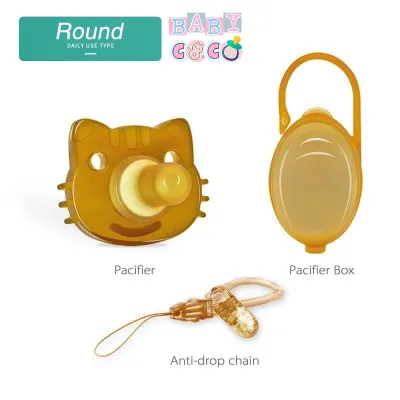
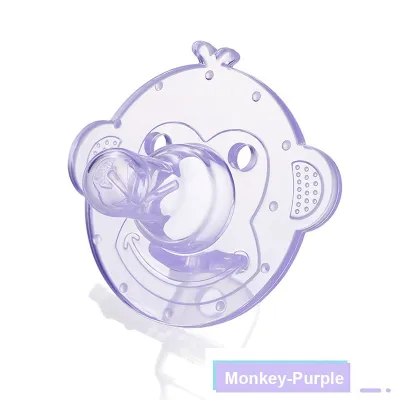
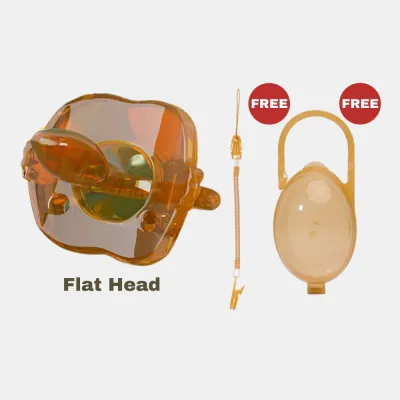
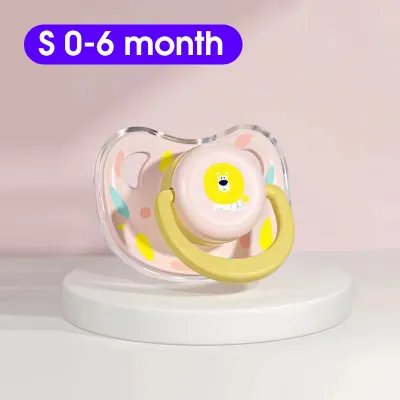
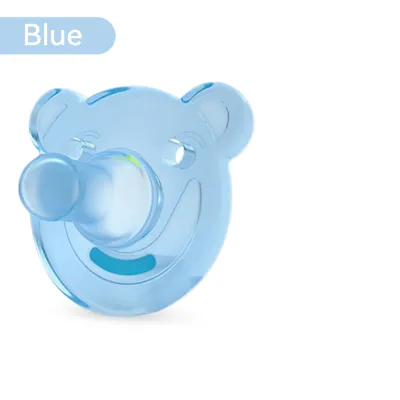
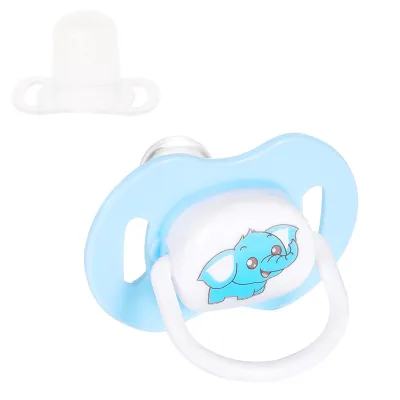
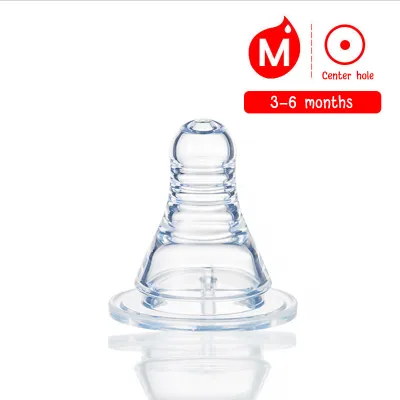
Prices are valid at publication and may change. Please refer to the product page for the latest price.
For newborns, a one-piece design is highly recommended. These pacifiers are molded from a single continuous piece of silicone or latex, meaning there are no separate joints, shields, or rings that can detach. Multi-piece pacifiers run the risk of the nipple separating from the shield over time, creating a severe choking hazard. When shopping on any online marketplace or local baby store, prioritize one-piece models to ensure maximum structural integrity.
Assessing Allergy Risks and Safety Declarations
Natural rubber latex contains proteins that can trigger allergic reactions in sensitive individuals. While rare in newborns, a family history of latex allergies should prompt caution. If you choose a latex pacifier, monitor your baby closely for signs of irritation, such as redness, swelling, or hives around the mouth. If you suspect an allergic reaction, stop using the pacifier immediately and consult a pediatrician.

Before purchasing any chopon for baby, carefully inspect the packaging for certified safety declarations. Look for labels indicating the product is “BPA-free” and made from “food-grade” or “medical-grade” materials. Bisphenol A (BPA) is a chemical used in some plastics that can disrupt hormonal systems, so verifying its absence is a critical safety step.
Even with reputable brands, manufacturing defects can occur. Before introducing any new pacifier to your baby, perform a thorough physical inspection. Examine the nipple under bright light for tiny cracks, bubbles, or uneven thickness. Run your fingers along the edges of the shield to ensure there are no sharp plastic seams or rough spots that could scratch your newborn’s sensitive skin.
Establishing Safe Cleaning and Sterilization Routines
Newborns have developing immune systems, making proper sterilization of their pacifiers essential. However, the method you use must align with the material’s physical limits. Silicone is highly heat-resistant and can withstand boiling water, steam sterilizers, and UV sterilization without breaking down. Latex, on the other hand, is highly sensitive to heat and light. Boiling latex for too long or exposing it to UV sterilizers can cause the natural rubber to warp, weaken, and degrade rapidly. Always consult the manufacturer’s instructions for the approved sterilization method.
In warm, humid tropical climates like the Philippines, moisture retention is a major concern. If water gets trapped inside the nipple of the pacifier, it can quickly become a breeding ground for mold and bacteria. After washing or sterilizing, squeeze the nipple firmly with clean fingers to expel any trapped water, and let it air-dry completely in a clean, well-ventilated space.
Because latex is a natural organic material, it degrades much faster than synthetic silicone. Regularly check for early signs of material breakdown. If the pacifier feels sticky to the touch, appears swollen or enlarged, shows significant discoloration, or loses its elasticity (failing to spring back when squeezed), it has degraded and must be discarded immediately.
Inspecting for Wear and Planning Timely Replacements
To ensure the structural integrity of your baby’s pacifier, perform a pull-and-stretch test before every single use. Firmly grasp the nipple in one hand and the shield in the other, then pull hard in opposite directions. Check for any tiny tears, splits, or peeling, especially at the base where the nipple meets the shield. If you observe any weakness, discard the pacifier immediately, as the nipple could detach during sucking.
Although newborns do not yet have teeth, their sucking reflex is incredibly strong. As they grow and eventually begin teething, their bite resistance requirements will change. Silicone is generally more bite-resistant than latex, but sharp primary teeth can easily puncture either material. Transitioning to age-appropriate, thicker pacifiers is necessary as your baby reaches new developmental milestones.
Regardless of how durable a pacifier seems, it is not designed to last indefinitely. Most manufacturers recommend replacing pacifiers every four to eight weeks for hygiene and safety reasons, even if no visible damage is present. Latex pacifiers typically require more frequent replacement than silicone ones due to their rapid degradation when exposed to saliva, heat, and sunlight. Keep a few spare, identical pacifiers on hand so you can easily swap out a worn one without disrupting your baby’s soothing routine.
Frequently Asked Questions (FAQ)
Can I use a latex pacifier if my baby has sensitive skin?
Yes, but with caution. General skin sensitivity, such as drool rash or mild redness from friction, is different from a systemic latex protein allergy. If your baby develops a localized rash from moisture trapped under the shield, keeping the area dry and switching to a shield with larger ventilation holes may help. However, if you suspect a true latex allergy—characterized by swelling, hives, or breathing difficulties—stop using the latex pacifier immediately and consult a pediatrician.
How often should I replace my newborn's pacifier?
As a general rule, replace your newborn’s pacifier every four to eight weeks, or strictly according to the manufacturer’s guidelines. However, you should not rely solely on the calendar. Inspect the pacifier daily and replace it immediately if you notice any stickiness, tearing, swelling, discoloration, or if the material becomes soft and gummy.
Are one-piece pacifiers safer than multi-piece designs?
Yes, one-piece pacifiers are widely considered safer for newborns. Because they are molded from a single continuous piece of silicone or natural rubber, there are no joints or separate parts that can weaken and detach. This design eliminates the risk of the nipple separating from the shield, which is a primary choking hazard for infants.
Community discussion
Share your experience or ask a question. Comments are reviewed before publication.