
When choosing a silicone straw for your baby’s weaning cup, you should look for a narrow diameter (under 5mm) to limit liquid volume, a highly flexible and soft texture that is gentle on developing gums, a built-in cross-cut valve to control flow rate, and an angled or weighted design that allows for comfortable upright drinking. Matching these physical specifications to your baby’s specific developmental stage ensures a safe, frustration-free transition from bottle or breast to independent cup drinking.
Why Straw Specifications Matter for Weaning Babies
Transitioning from a bottle or breast to a cup is a major developmental milestone that requires complex oral-motor coordination. A silicone straw for baby is not just a downsized version of an adult drinking accessory; it is a specialized tool designed to support the natural maturation of your baby’s swallowing patterns.
Using a straw with the wrong specifications can lead to physical frustration, excessive air swallowing, or frequent sputtering. When a straw is properly matched to your baby’s oral strength, it encourages correct tongue elevation, lip sealing, and jaw stability, laying a healthy foundation for both feeding and future speech development.
Products mentioned in this guide
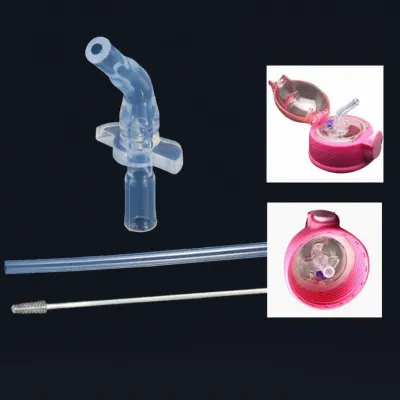
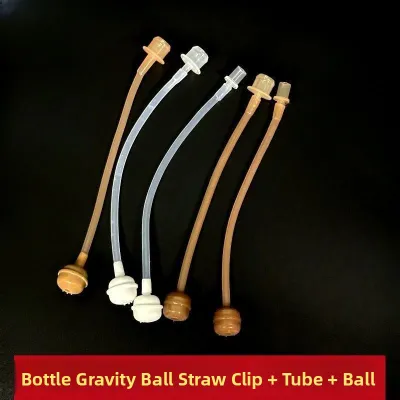
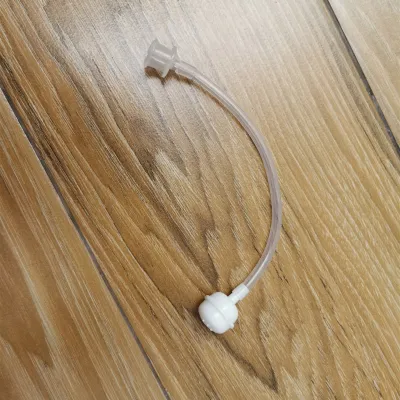
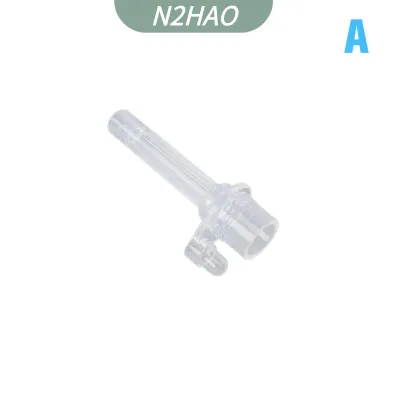

![[COD] PkYeG Tool 2PCS Children Bottle Straw Liquid Silicone Feeding Sippy Drink Cup Accessory For Baby Children Bottle](https://img.lazcdn.com/g/p/af317d5adbd8c3b7b2e5ba7e4b26a42d.jpg_400x400q80.jpg_.webp)

Prices are valid at publication and may change. Please refer to the product page for the latest price.
Because babies develop at highly individual rates, a standard straw can easily overwhelm a beginner. By understanding how different features function, you can select a cup that builds your baby’s confidence rather than causing them to reject the cup entirely.
Essential Silicone Straw Features to Evaluate
Selecting the right weaning cup requires looking past aesthetic appeal and evaluating the technical aspects of the straw itself. Because infants have varying levels of suction strength and sensory preferences, the physical mechanics of the straw will determine how easily they adapt to the new skill.

By carefully assessing dimensions, material density, and flow mechanics, you can prevent common weaning hurdles such as liquid refusal or excessive spilling.
Diameter, Length, and Overall Size
The internal diameter and overall length of a silicone straw directly dictate how much suction effort your baby must apply and how much liquid is delivered with each sip.
For early beginners, a narrow inner diameter is highly beneficial because it limits the volume of liquid pulled upward in a single swallow, preventing the baby’s airway from being overwhelmed. As your child’s swallowing coordination improves, they can gradually transition to wider straws that allow for a faster, more natural flow.
Straw length is equally critical to prevent oral discomfort. If a straw is too long, it can easily slide too far back into the mouth, triggering a sensitive gag reflex. A short straw tip restricts the baby to inserting only the very front portion of the straw, which naturally promotes a mature lip seal and active tongue retraction.
Silicone Softness and Wall Thickness
Silicone is widely favored for baby tableware due to its pliable texture, but different products utilize varying levels of hardness and wall thickness.
Ultra-soft, highly flexible silicone is recommended for the initial stages of weaning, typically around six months of age. This pliable texture mimics the familiar feel of a bottle nipple or breast, making the transition feel natural and soothing for tender, teething gums.
As your baby grows and develops stronger biting habits, a slightly firmer silicone with greater wall thickness becomes necessary. Thicker walls prevent the straw from completely collapsing when clamped down on by active jaws, ensuring a continuous flow of liquid while helping to build essential jaw and cheek muscle strength.
Flow Rate and Anti-Leak Valves
Managing the speed of liquid delivery is one of the most challenging aspects of learning to drink from a straw, making flow control a vital safety feature.
Many starter cups utilize slow-flow designs equipped with cross-cut valves or weighted mechanisms that require active suction to open. These valves prevent liquid from pooling in the mouth when the baby is not actively sucking, which significantly reduces the risk of accidental choking.
While highly effective at preventing spills, valved straws require a stronger sucking effort. If you notice your baby tiring quickly or giving up on the cup, they may need a transition to a lighter valve or a free-flow straw that requires less physical exertion.
Straw Shape and Tip Design
The physical shape of the straw tip influences the physical posture your baby adopts while drinking.
Standard straight straws often compel babies to tilt their heads backward to draw the last drops of liquid, a posture that can compromise their airway alignment and increase the risk of aspiration.
Angled or bent straw tips, especially when paired with a weighted bottom that follows the liquid, allow your baby to drink comfortably while keeping their chin tucked in a safe, neutral position. This ergonomic design ensures they can access liquid at any angle, promoting a safer and more relaxed swallowing mechanism.
Matching Straw Specs to Your Baby's Weaning Stage
To simplify your selection process, you can align specific straw features with your baby’s current age and physical milestones. Keep in mind that these developmental stages serve as general guidelines, and you should always adjust based on your baby’s comfort and coordination.
| Weaning Stage | Recommended Age | Straw Diameter | Softness & Thickness | Flow Type & Valve | Straw Shape |
|---|---|---|---|---|---|
| Early Weaning (Beginner) | 6 to 9 months | Narrow (under 5mm) | Ultra-soft, highly flexible | Slow-flow, cross-cut valve | Angled or weighted straw |
| Mid-Weaning (Intermediate) | 9 to 12 months | Medium (5mm to 7mm) | Medium firmness, thicker walls | Moderate-flow, light valve | Angled or straight |
| Advanced Drinker | 12+ months | Standard (over 7mm) | Firm, bite-resistant silicone | Free-flow, valve-free | Straight |
Always observe your baby closely during cup transitions. If they exhibit signs of struggle, such as frequent coughing, physical fatigue, or immediate frustration, revert to a softer, slower-flow straw to give them more time to build their oral-motor skills.
Safety, Cleaning, and Replacement Guidelines
In the warm and highly humid tropical climate of the Philippines, keeping silicone weaning accessories sanitary requires diligent care. Moisture trapped inside a narrow straw can quickly become a breeding ground for mold and bacteria if not cleaned and dried thoroughly.
Before cleaning or sterilizing any cup components, always check the manufacturer’s care instructions, as different grades of silicone and plastic have specific temperature limits.
To clean effectively, use a dedicated, ultra-thin straw brush with mild, baby-safe dishwashing liquid to scrub the entire inner length of the straw. After washing, ensure the straw is placed in a well-ventilated drying rack away from stagnant moisture to prevent mold colonization.
Regularly inspect the silicone straw before each use by gently pulling on the tip to check for micro-tears, deep bite marks, or structural thinning. Replace the straw immediately if you detect any physical damage, or at the specific intervals recommended by the manufacturer, to prevent small pieces from tearing off and posing a choking hazard.
Frequently Asked Questions (FAQ)
These common questions can help you troubleshoot everyday issues and maintain a safe drinking routine for your baby.
Can my baby chew on the silicone straw while teething?
While food-grade silicone is soft and gentle on sore gums, a drinking straw is not designed to function as a teething toy.
Persistent biting can quickly degrade the silicone, leading to hidden tears or causing small pieces of the straw to break off entirely, which presents a serious choking risk. Always supervise your baby during cup use; if they begin to chew aggressively on the straw, gently remove the cup and offer a dedicated teething toy instead.
Why does my baby cough when drinking from a silicone straw?
If your baby frequently coughs or sputters while using a straw, the liquid is likely flowing faster than their swallowing reflex can manage.
This issue often occurs if the straw diameter is too wide or if the cup lacks a flow-restricting valve. To resolve this, switch to a straw with a narrower diameter or a cross-cut valve that only releases liquid when the baby actively sucks. If coughing or sputtering persists despite adjusting the straw specifications, temporarily stop using the straw cup and consult your pediatrician or a pediatric feeding specialist.
Community discussion
Share your experience or ask a question. Comments are reviewed before publication.