
Breastfeeding mothers often look for simple, efficient ways to save every drop of breast milk without the hassle of setting up a double electric pump. In the warm, humid climate of the Philippines, comfort and ease of cleaning are top priorities for daily baby care. Silicone milk collectors have become essential tools for capturing let-down from the non-nursing breast or gently relieving engorgement. However, choosing the right collector requires understanding how different designs perform across three critical areas: suction strength, physical comfort, and overall collection efficiency.
By evaluating these factors against your daily routine, you can find a tool that supports your breastfeeding journey without causing discomfort or skin irritation. Because every mother’s body and milk flow are unique, understanding the mechanics of these devices allows you to make an informed choice. This guide compares the primary types of silicone collectors, their suction mechanisms, and practical tips for safe, comfortable use.
Identifying the Main Types of Silicone Milk Collectors
Silicone milk collectors have revolutionized how mothers save breast milk, offering a low-tech, quiet, and highly portable alternative to traditional pumping. These devices are generally made from flexible, food-grade silicone that contours to the breast, but they differ significantly in how they collect milk. Understanding the three primary categories helps you determine which style aligns with your daily physical needs and lifestyle.
Products mentioned in this guide
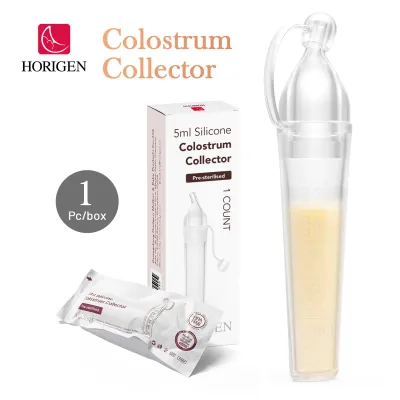
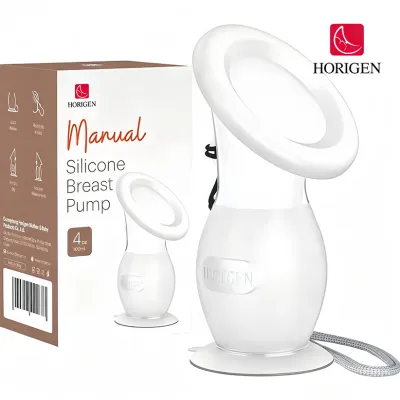
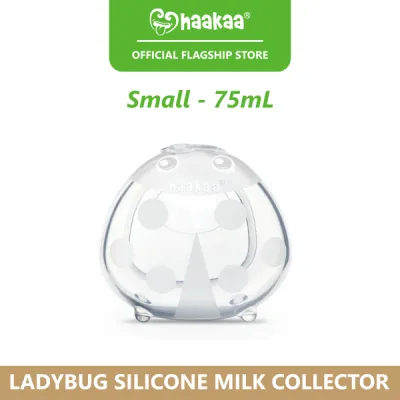
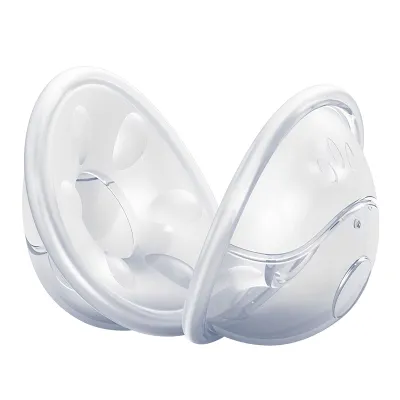


Prices are valid at publication and may change. Please refer to the product page for the latest price.
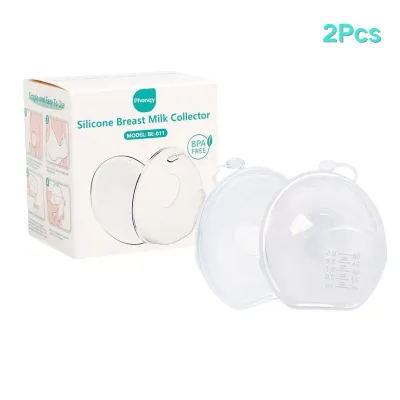
The first category consists of passive silicone catchers, often referred to as breast shells or milk collection cups. These low-profile, dome-shaped devices are designed to slip directly inside your nursing bra. They do not apply active suction to the breast; instead, they simply sit over the nipple to catch the milk that leaks naturally from one side while you are nursing your baby on the other, or during intervals between feeds.
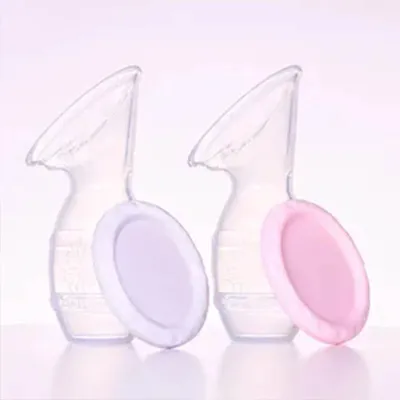
The second category includes active manual suction collectors, which are typically designed as a single-piece silicone bottle with a wide, flared flange. These devices rely on a simple squeeze-and-release mechanism to create a continuous, gentle vacuum on the breast. Once attached, they draw milk out actively without requiring constant manual pumping, making them highly popular for hands-free collection during a feeding session.
The third category involves silicone flanges and shields that are integrated into traditional manual or electric breast pumps. Rather than acting as standalone collectors, these components replace rigid plastic parts with soft, flexible silicone. They combine the active, motorized, or manual mechanical suction of a standard pump with the contouring comfort of silicone, offering a more cushioned seal against the skin.
Comparing Suction Mechanisms and Let-Down Support
The way a collector utilizes suction directly impacts how much milk it can gather and how comfortable the process will be. Passive collectors do not generate any negative pressure, relying entirely on your body’s natural let-down reflex to release milk. This makes them exceptionally gentle, as there is no pulling or stretching of the nipple tissue, making them highly suitable for mothers who experience high sensitivity or are recovering from cracked nipples.

Active manual suction collectors, on the other hand, allow you to control the level of negative pressure through manual compression. Squeezing the lower bulb of the device before placing it on the breast creates a mild, gentle suction that is suitable for sensitive skin. For a stronger vacuum, you can compress the middle of the bulb or fold the flexible flange backward before applying it to the breast, which increases the suction force to help draw out milk more rapidly.
Because manual suction relies on user technique, finding the right balance requires patience and adjustment. It is important to remember that stronger suction does not automatically translate to more milk and can sometimes cause the breast tissue to compress too tightly, actually restricting the flow of milk. Always start with a light squeeze to see how your body responds before attempting to increase the vacuum pressure.
To protect your breast health, always check the manufacturer’s instructions for specific guidelines on safe suction limits and application methods. If you experience pinching, throbbing, or sharp pain during use, the suction is too high. You can easily release the vacuum by gently pressing your clean finger against the breast tissue just under the rim of the flange to break the airtight seal.
Evaluating Comfort, Fit, and Skin Sensitivity
Comfort is highly subjective and depends heavily on the physical properties of the silicone used in the collector. High-quality collectors are made from food-grade or medical-grade silicone, which varies in hardness, thickness, and flexibility. Softer, highly pliable silicone conforms more naturally to different breast shapes and minimizes localized pressure points, which is a crucial consideration for daily use.
In warm and humid tropical climates, skin sensitivity requires extra attention. Sweat and moisture can easily become trapped between the silicone flange and your skin, which can lead to chafing, heat rashes, or localized skin irritation. Choosing a collector with a soft, matte-finish rim can help reduce friction and improve overall comfort during long, humid days.
Proper sizing of the flange or rim is another critical factor in preventing tissue damage and ensuring a pain-free experience. If the opening is too narrow, it can compress the milk ducts near the base of the nipple, leading to restricted milk flow, localized pain, or nipple blanching. Conversely, a flange that is too wide will pull too much of the sensitive areola into the tunnel, causing painful friction and swelling.
The weight and physical profile of the collector also affect how comfortable it feels over time. A large, bulb-style active collector can become quite heavy as it fills with milk, pulling downward on the breast and potentially causing skin strain or losing its seal. For mothers who prefer a lightweight, discreet option that does not pull on the breast, low-profile passive catchers worn inside a supportive nursing bra offer a highly ergonomic fit.
Assessing Collection Efficiency and Spill Prevention
Collection efficiency involves both the volume of milk captured and how securely that milk is preserved until it can be transferred to storage. Passive collectors generally have a smaller capacity, often holding between 30ml and 60ml of milk, which is sufficient for catching minor leaks but may overflow during a heavy let-down. Active suction collectors typically offer larger capacities, often ranging from 90ml to 150ml, making them well suited for capturing a full feeding’s worth of milk.
Clear, easy-to-read measurement markings are essential for tracking your daily milk output accurately. When evaluating a collector, check whether the volume markings are molded directly into the silicone or printed on the surface, as printed markings can gradually fade after repeated washing and sterilizing. Molded markings are generally more durable and remain legible over months of continuous use.
Spill prevention is a vital design feature, as breast milk is highly valuable and losing even a small amount can be frustrating. Because one-piece active collectors have a bulbous shape and a narrow base, they are prone to tipping over when placed on a flat surface. To mitigate this risk, look for designs that feature integrated suction bases, wide stabilizing feet, or secure silicone stoppers that plug the opening immediately after use.
Your daily activity level should also dictate the type of collector you use to maximize efficiency and prevent spills. Active suction collectors are highly efficient when you are sitting relatively still, such as when nursing your baby on the opposite side. However, if you are moving around the house, bending over to pick up toys, or doing light chores, the protruding bulb can easily be knocked loose by a squirming baby, leading to a major spill. For active multitasking, a secure, in-bra passive collector is much safer.
Decision Framework: Matching the Collector to Your Routine
Selecting the right silicone milk collector depends on your specific breastfeeding goals, physical comfort, and daily routine. If your primary objective is simply to catch natural leaks and prevent wet clothing while nursing on the opposite side, a passive, in-bra catcher is a highly practical choice. It requires no active suction, fits comfortably under your normal clothing, and allows you to go about your day with minimal disruption.
If your goal is to actively relieve mild engorgement, gently draw out flat or inverted nipples, or build up a modest milk stash without the complexity of an electric pump, an active manual suction collector is highly suitable. The continuous, gentle vacuum helps empty the breast more effectively during a let-down, making it an efficient, hands-free tool to use while nursing or relaxing.
Before choosing any silicone collector, always verify your specific physical conditions and check for any manufacturer warnings or product recalls. If you have unique nipple shapes, have had previous breast surgeries, or experience persistent pain, swelling, or skin irritation during breastfeeding, seek professional guidance. Consulting a certified lactation consultant or healthcare provider ensures that your milk collection methods are safe, comfortable, and tailored to your body’s unique needs.
Frequently Asked Questions (FAQ)
How long can you safely wear a silicone milk collector?
Passive in-bra collectors should not be worn continuously for extended periods. In warm, humid environments, wearing a silicone device for hours can trap sweat and moisture against your skin, increasing the risk of bacterial growth, thrush, or skin breakdown. It is generally recommended to limit wear to the duration of a feeding session or a specific let-down period, typically around 10 to 20 minutes. Always monitor your skin for redness or irritation, and ensure the collector is thoroughly cleaned and sanitized after each use according to the manufacturer’s instructions.
Can silicone milk collectors cause nipple blebs or clogged ducts?
Yes, improper use, excessive suction, or an incorrect fit can contribute to localized breast issues. Applying an active suction collector with too much vacuum pressure or leaving it on the breast for too long can cause friction, potentially leading to painful nipple blebs. Additionally, if the flange rim is too tight or presses directly against active milk ducts, it can restrict milk flow and lead to clogged ducts or localized engorgement. If you experience hard lumps, persistent pain, or localized redness, stop using the collector immediately and consult a lactation specialist or healthcare provider.
Community discussion
Share your experience or ask a question. Comments are reviewed before publication.