
Choosing between a silicone milk collector and a milk catcher cup depends on whether you want to actively draw out milk during a feeding session or passively catch leaks throughout the day. While both tools help you save precious breast milk, they function in entirely different ways. A silicone milk collector uses gentle, continuous suction to actively draw out milk from one breast while your baby nurses on the other. In contrast, a milk catcher cup sits passively inside your bra, catching spontaneous leaks without applying any suction. Understanding these structural differences allows you to choose the right tool for your daily routine, whether you are working in an office, commuting, or nursing at home. Always verify the specific mechanism, materials, and intended use on the product packaging, as terminology and designs can vary across brands.
Understanding the Difference: Suction Collectors vs. Catcher Cups
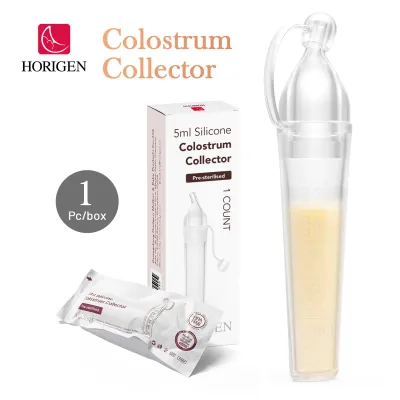
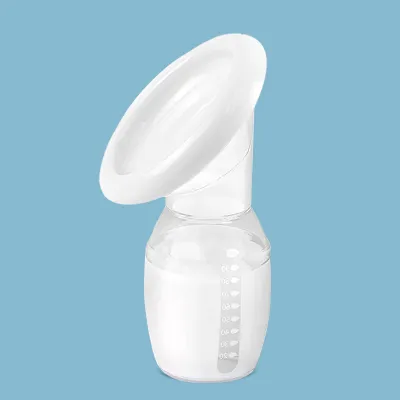
To make an informed choice, it is essential to understand how these two devices differ in design and function. A silicone milk collector is a single-piece, bulb-shaped bottle made of flexible, food-grade silicone. By squeezing the base of the bottle and pressing the circular flange against your breast, you create a gentle vacuum. This active suction stimulates the let-down reflex, drawing out milk from the non-nursing breast. It is designed to be used during active feeding or pumping sessions to capture milk that would otherwise be lost to a nursing pad.
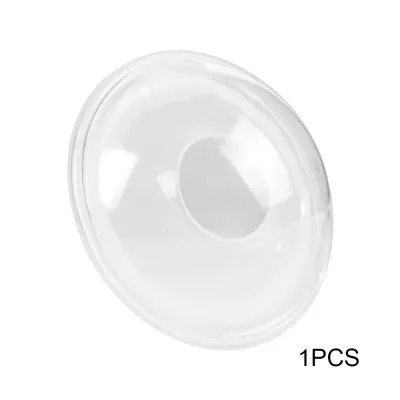
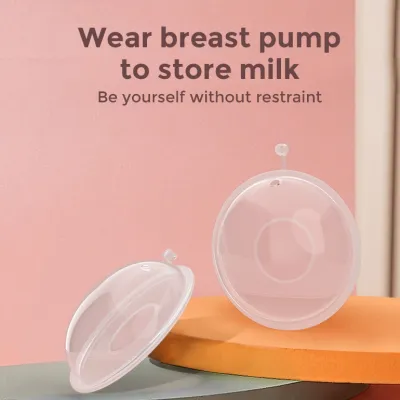
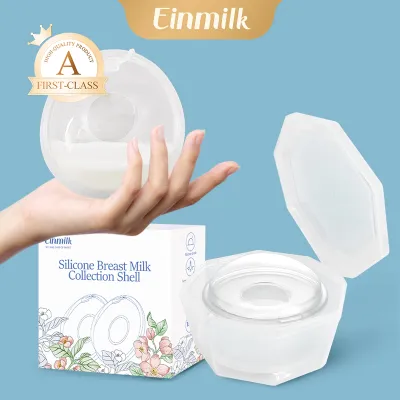
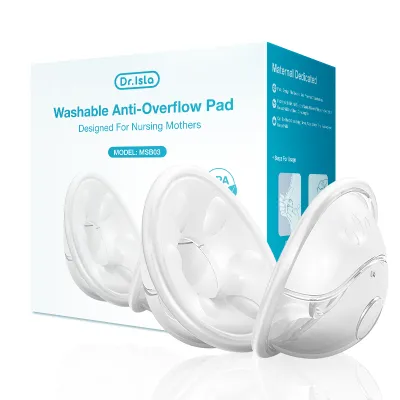
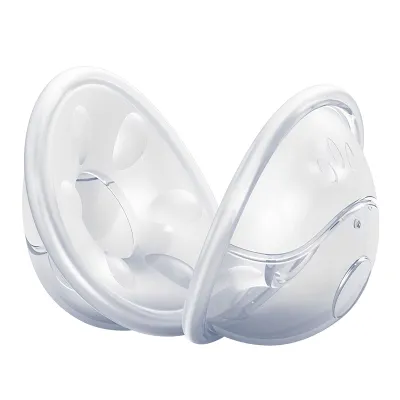
On the other hand, a milk catcher cup, often referred to as a breast shell or collection cup, is a low-profile, contoured device designed to slip directly into your nursing bra. These cups consist of a hard plastic outer shell and a soft silicone backing that rests against your skin. Unlike suction collectors, catcher cups do not apply any vacuum pressure to the breast. Instead, they act as a passive reservoir, catching the milk that leaks naturally between or during feedings. They are designed for extended, discreet wear throughout the day.
Products mentioned in this guide

Prices are valid at publication and may change. Please refer to the product page for the latest price.
Because terminology can overlap significantly on online marketplaces, always look closely at the product descriptions and structural designs before purchasing. Some products may use the term “milk collector” to describe both suction-based bottles and passive cups. Checking the manufacturer’s packaging for terms like “suction-based,” “vacuum,” or “passive wear” will help you verify the exact mechanism of the device. Additionally, ensure the materials are certified food-grade silicone and BPA-free to guarantee safety for your baby.
Key Factors to Compare for Your Breastfeeding Routine
When deciding which device fits best into your lifestyle, mobility and discretion are major factors to consider. A silicone suction collector is relatively bulky and protrudes significantly from the breast. Because it hangs off the breast via suction alone, it can easily be knocked loose by a kicking baby or a sudden movement. This makes it best suited for stationary use, such as when you are sitting comfortably in a nursing chair at home. Attempting to walk around or perform household chores with a suction collector attached often results in spilled milk and lost suction.

In contrast, milk catcher cups offer excellent discretion and freedom of movement. Because they fit entirely inside your bra, they remain virtually invisible under regular clothing. This allows you to go about your daily routine, whether you are running errands, working at a desk, or commuting, without anyone noticing you are collecting milk. They provide a secure way to save milk while keeping your hands completely free and your movements unrestricted.
Another critical comparison point is the collection purpose and the volume of milk gathered. If your primary goal is to build a substantial freezer stash quickly, a silicone suction collector is highly effective. The active suction coaxes out a larger volume of milk during a let-down, often yielding one to two ounces or more per session. Passive catcher cups, however, only collect what leaks naturally. While the volume collected per session is typically smaller, saving these small leaks throughout the day can add up to a significant amount over time, preventing waste without extra effort.
Comfort, fit, and skin sensitivity are also vital, especially in warm and humid tropical climates. Wearing silicone devices against the skin for extended periods can trap sweat and moisture, potentially leading to skin irritation, heat rashes, or clogged pores. Passive catcher cups must be emptied and cleaned regularly to prevent moisture buildup. Always check the manufacturer’s sizing guides and material labels, as a proper fit ensures the silicone flange or backing does not pinch sensitive breast tissue or restrict milk flow.
How to Choose the Right Milk Collector for Your Lifestyle
To select the best option, evaluate your daily environment and your primary breastfeeding goals. If you spend most of your day at home and nurse your baby on a predictable schedule, a silicone suction collector is often the most efficient tool. It allows you to maximize your milk collection during nursing sessions with minimal setup, making it an excellent choice for mothers who want to build a milk bank without the hassle of assembling and cleaning a complex electric breast pump.
If you are returning to work, travel frequently, or have a busy lifestyle that keeps you on the move, milk catcher cups are likely the better fit. They keep your clothing dry, protect sensitive or sore nipples from friction against your bra, and discreetly collect milk throughout the day. They are particularly useful for managing heavy leaking during the early weeks of breastfeeding when your milk supply is still regulating.
For many mothers, a combination of both devices offers the ultimate flexibility. You might use a silicone suction collector during the first morning feed when your milk volume is naturally at its peak, and then switch to passive catcher cups when heading out for the day. If you choose a combination approach, verify the compatibility of these devices with your wardrobe and your existing breastfeeding accessories. Ensure your nursing bras have enough stretch to accommodate catcher cups comfortably without applying excessive pressure to your breasts.
Safe Usage, Cleaning, and Milk Storage
Maintaining strict hygiene is crucial when using any milk collection device to protect your baby from harmful bacteria. Before handling the devices or expressing milk, wash your hands thoroughly with soap and water. After every use, disassemble the parts and wash them in warm, soapy water. Sterilize the silicone and plastic components according to the manufacturer’s instructions, which may include boiling, steam sterilizing, or using cold-water sterilizing tablets. Allow all parts to air dry completely in a clean, dust-free area before reassembling or storing them.
Proper storage of the collected milk is equally important, especially in warm climates where bacteria can multiply rapidly. Milk collected in a passive catcher cup is held close to your body heat for extended periods, which can affect its freshness. It is essential to empty the cups frequently and store the milk in a refrigerator or cooler bag immediately. Always consult current pediatric health guidelines or your healthcare provider for exact time and temperature limits regarding breast milk storage to ensure it remains safe for your baby.
Regularly inspect your collection devices for any signs of wear, damage, or degradation. Over time, silicone can lose its elasticity, leading to reduced suction in collectors or a poor seal in catcher cups. Look closely for micro-tears, discoloration, a sticky texture, or persistent mold that cannot be cleaned. If you observe any of these issues, or if you experience persistent skin irritation or nipple pain while using the devices, stop using them immediately and replace them with new ones.
Frequently Asked Questions (FAQ)
Can I wear a silicone milk collector all day?
No, suction-based silicone milk collectors are not designed for continuous, all-day wear. The constant vacuum pressure applied to the breast can cause tissue bruising, nipple soreness, and skin irritation. It can also inadvertently overstimulate your milk supply, leading to engorgement. Refer to your product manual for the recommended maximum wear times, which are typically limited to the duration of a single feeding or pumping session.
Do milk catcher cups help increase milk supply?
No, milk catcher cups do not increase your milk supply because they do not provide the active physical stimulation or breast emptying required to signal your body to produce more milk. They are strictly passive collection devices designed to catch spontaneous leaks. If you are looking to increase your milk supply, consult a certified lactation professional or healthcare provider for safe, evidence-based strategies.
How do I know which size catcher cup to buy?
Finding the right size depends on your unique breast shape and nipple diameter, rather than your standard bra cup size. A cup with an opening that is too small can compress your milk ducts, leading to painful clogs or restricted milk flow, while a cup that is too large may not seal properly and could leak. Always refer to the specific brand’s measuring guide, measure your nipple diameter accurately, or contact their customer support before purchasing from online stores.
Community discussion
Share your experience or ask a question. Comments are reviewed before publication.