
Determining when to transition your child to an open bed is a major milestone that comes with unique safety considerations. A safety bed guard rail becomes necessary when your child transitions from a fully enclosed crib to a toddler or standard bed, particularly if they show signs of active nighttime rolling, attempt to climb out of their crib, or wake up dangerously close to the mattress edge. This transition typically occurs as children develop greater physical mobility but have not yet established mature spatial awareness during sleep.
In the Philippines, where high humidity can affect the structural integrity of wooden bed frames and the tension of fabric straps, selecting and installing a safety bed guard rail requires careful evaluation of your specific home environment. Many local households practice co-sleeping, which alters the spatial dynamics of the bed and introduces unique safety considerations when installing protective barriers. Rather than relying on age alone, parents should evaluate physical readiness, sleep behaviors, and bedroom layout to determine if a guard rail is the safest choice or if alternative setups like a floor bed are more appropriate.
Key Signs It Is Time to Install a Safety Bed Guard Rail
Moving from a crib to a toddler bed or a standard single bed is a major milestone. When the crib sides come down, the physical boundary that kept your child secure disappears. If your child is ready for this transition but still moves unpredictably during sleep, a guard rail acts as a temporary training boundary.
Products mentioned in this guide
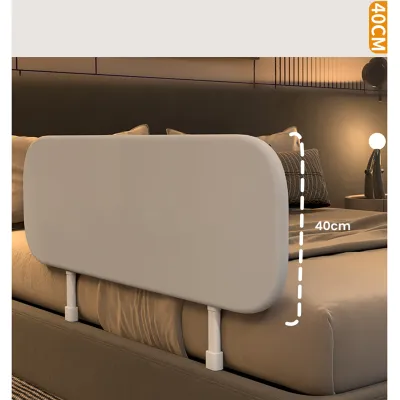
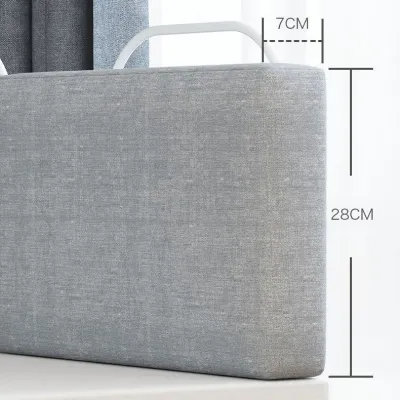
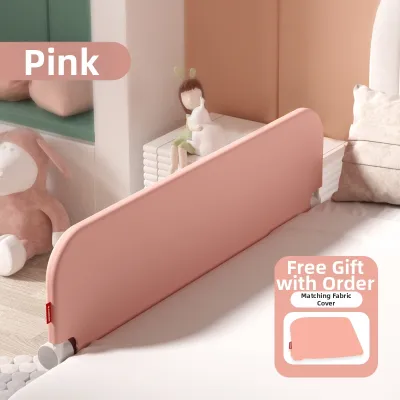
Prices are valid at publication and may change. Please refer to the product page for the latest price.
Watch for climbing attempts during daily routines. If your child is constantly trying to scale the crib rails during the day or at bedtime, keeping them in an enclosed crib can actually become a fall hazard. Transitioning them to an open bed with a safety bed guard rail allows them to get in and out safely under supervision while preventing accidental rolls during deep sleep.
Observe their sleeping positions over several nights. Do you find your child sleeping horizontally, upside down, or with their limbs dangling over the edge? Active sleepers who frequently roll close to the mattress edge are prime candidates for a guard rail. In warm tropical climates, children often toss and turn more frequently to find a cool spot on the mattress, increasing the risk of rolling off.
Assessing Mobility Levels and Sleep Patterns
A child might be highly coordinated during the day—climbing chairs, balancing on play equipment, and navigating steps with ease. However, daytime physical coordination does not translate directly to nighttime spatial awareness. During deep sleep cycles, a child’s brain does not register the physical boundaries of a mattress, making even the most agile toddler vulnerable to rolling off an elevated bed.

Keep a close eye on their sleep patterns for a few nights to track their movement frequency. Note how often they wake up startled near the edge or if they require constant repositioning. If you find yourself waking up multiple times to pull your child back to the center of the bed, their sleep pattern indicates a clear need for a physical barrier.
In many households, co-sleeping or sharing a large family bed is a common practice. This setup changes the spatial dynamics significantly. If a child sleeps between parents, the risk of falling is lower, but if they sleep on the outer edge of a shared bed, a guard rail becomes essential. You must evaluate how the presence of other family members, pillows, and shared bedding affects the available space and potential entrapment zones.
Evaluating the Bed Setup and Bedroom Environment
Measure the distance from the top of the mattress to the floor before making a decision. A fall from a high bed frame onto a hard tile or wooden floor can cause serious injury. If the bed is elevated, a safety bed guard rail is highly recommended. If you are using a low-profile bed or a mattress directly on the floor, the risk of injury from a fall is minimal, and you might not need a rail at all.
Consider other fall-mitigation options before purchasing a rail. For instance, transitioning to a floor bed—placing the mattress directly on a clean, well-ventilated floor or a low wooden pallet—is an excellent alternative that eliminates fall risks entirely. You can also place impact-absorbing play mats or thick rugs around the bed to cushion any accidental rolls.
Inspect the bedroom layout carefully to identify potential hazards. If the bed is pushed against a wall, parents often assume the wall acts as a natural guard. However, this can create a dangerous gap. If the mattress shifts, a child can slide into the space between the mattress and the wall and become trapped. A guard rail must be installed on the open side, and the bed must either be pushed tightly against the wall with zero gap or moved far enough away to prevent entrapment.
Choosing the Right Safety Bed Guard Rail for Your Needs
When shopping for a safety bed guard rail, measure your mattress thickness carefully. Standard foam mattresses, pocket spring mattresses, and thin local cotton mattresses vary widely in height. The guard rail must extend high enough above the top of the mattress to prevent a rolling child from tumbling over the top of the rail.
Always check the manufacturer’s product label for age, weight, and developmental limits. Most guard rails are designed for children within a specific age range who can get in and out of bed unassisted. Never use a toddler guard rail for an infant or a baby who cannot yet sit up or stand independently, as this poses a severe entrapment risk.
Inspect how the rail attaches to the bed. Some rails slide under the mattress and rely on the weight of the mattress to stay in place, while others use straps, anchors, or screws to secure directly to the bed frame or wooden slats. Ensure the mechanism is fully compatible with your bed type. For example, a rail designed for a solid box spring may not secure safely to a slatted wooden frame or a light foam mattress. When budgeting in ₱ for home-proofing products, prioritizing certified compatibility over the lowest price ensures a secure fit.
Safe Installation and Ongoing Maintenance Checks
The most critical safety rule during installation is ensuring there are absolutely no gaps between the mattress and the guard rail. A gap as small as a few centimeters can allow a child’s head or body to slip through, leading to dangerous entrapment. The rail must press firmly against the side of the mattress along its entire length.
Establish a regular maintenance routine. In humid environments, wooden bed frames can swell or shrink, and fabric straps can stretch over time, potentially loosening the rail’s anchors. Every week, physically shake the rail to test its stability, check that all locking hinges operate smoothly, and verify that the safety straps underneath the mattress remain tight and secure.
Pay attention to when it is time to retire the guard rail. As your child grows taller and heavier, they may begin to use the rail as a climbing aid or lean their full weight against it. If the child reaches the manufacturer’s maximum weight limit, or if they show they can easily climb over the rail, it must be removed immediately to prevent a more severe fall from a greater height.
Frequently Asked Questions (FAQ)
Can I use a safety bed guard rail on a bunk bed or top bunk?
Standard safety bed guard rails are generally not designed or certified for use on bunk beds or elevated top bunks. Bunk beds require specialized, integrated guard rails that are built directly into the bed frame to withstand greater forces and prevent falls from significant heights. Always check your specific bunk bed manufacturer’s guidelines and safety labels, and never substitute a standard toddler bed rail for a built-in bunk bed barrier.
At what point should I remove the bed guard rail?
You should remove the safety bed guard rail when your child demonstrates consistent nighttime spatial awareness, sleeps soundly without rolling near the edges, and can safely get in and out of bed without assistance. Additionally, you must remove the rail immediately if your child exceeds the manufacturer’s stated weight or height limits, or if they begin climbing over the rail, as this turns the safety device into a climbing hazard.
Community discussion
Share your experience or ask a question. Comments are reviewed before publication.