
To secure your home for an active toddler, finding the right window screen lock requires matching the lock mechanism to your specific window frame type while accounting for the high humidity of the Philippine climate. Insect screens are designed to keep mosquitoes out, not to keep children in. Therefore, baby-proofing windows requires dedicated secondary locks that prevent a child from pushing the screen out of its track or frame. By evaluating your window style, frame materials, and the locking mechanism’s durability, you can establish a reliable barrier that keeps your child safe while allowing fresh air to circulate.
Assessing Your Home's Window Types and Screen Frames
A common mistake is confusing a window sash lock with a screen frame lock. Sash locks secure the heavy glass panes of sliding or casement windows. When you open the glass window to let in a breeze, the only barrier remaining is the lightweight insect screen. Standard screens are held in place by simple friction or plastic tabs, which easily give way under a toddler’s weight. A dedicated window screen lock specifically anchors the screen frame to the window track or outer wall frame, ensuring the screen cannot be pushed outward or slid open.
Before purchasing any locking hardware, you must measure the physical dimensions of your screen frame and window tracks. Use a precise tape measure to record the screen frame thickness, the depth of the window track, and the clearance space between the sliding glass pane and the screen. Flush-mount locks are ideal for tight spaces where the glass pane must slide directly past the screen frame. Surface-mount locks, on the other hand, require flat surface space on the frame or adjacent wall. Knowing these measurements prevents you from buying locks that obstruct the normal operation of your glass windows.
Products mentioned in this guide
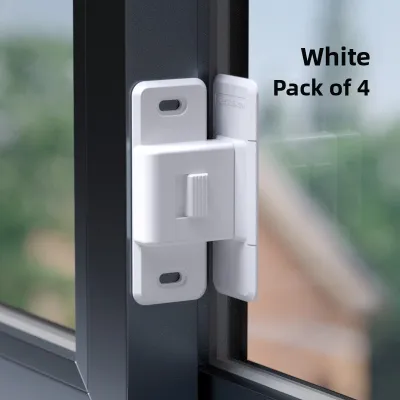
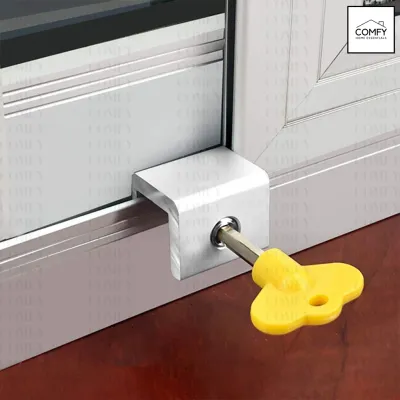
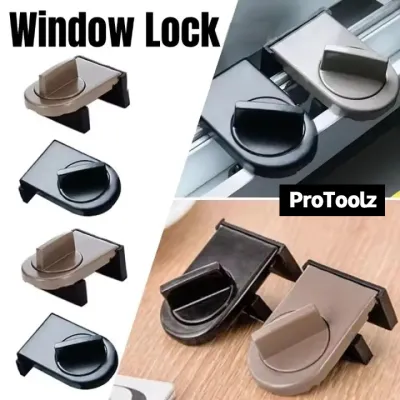
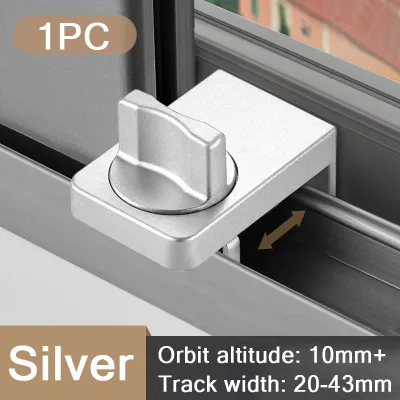
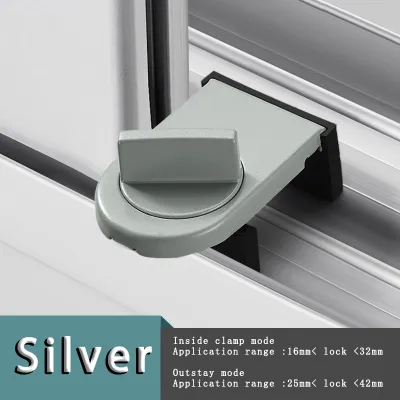
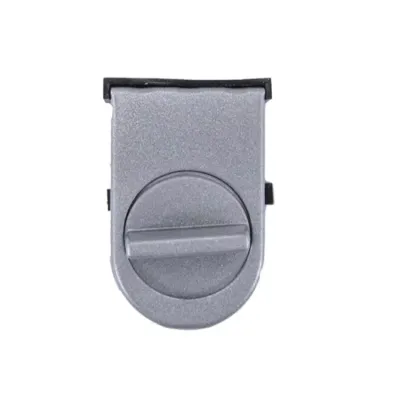
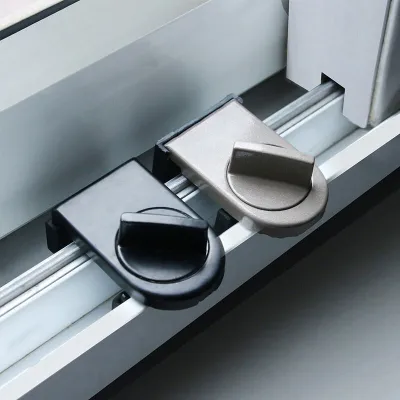
Prices are valid at publication and may change. Please refer to the product page for the latest price.
In many Philippine homes, older window screens may have frames made of thin aluminum, weathered wood, or flexible vinyl. These materials degrade over time due to intense sun exposure and moisture. If your screen frame is bent, loose within its track, or has brittle plastic corners, it cannot support pressure-based locking mechanisms like clamp-on track locks. Applying heavy clamping force to a weakened frame can warp the metal or crack the vinyl, rendering the lock useless. Inspect the structural integrity of your screen frames first; if they flex easily when pushed, you must reinforce or replace the frames before installing any child-proofing hardware.
Core Safety and Usability Standards for Child-Proofing
Toddlers are remarkably observant and quickly learn how to operate simple latches. To prevent child manipulation, look for window screen locks that feature dual-action, key-operated, or hidden-release mechanisms. A dual-action lock requires two distinct physical movements to open, such as pressing a release button while simultaneously sliding a bolt. Key-operated locks offer the highest level of security, but you must store the key in a designated, out-of-reach location nearby so adults can access it instantly. Hidden-release mechanisms place the opening trigger on the outer edge or underside of the lock, keeping it out of a child’s line of sight.

The tropical climate in the Philippines presents unique challenges for hardware longevity. High relative humidity, salty coastal air, and intense UV radiation can rapidly degrade low-quality materials. When selecting a window screen lock, check the manufacturer’s specifications for rust-resistant materials like stainless steel, solid brass, or heavy-duty anodized aluminum. If the lock uses plastic components, verify that the material is UV-stabilized to prevent it from becoming brittle and cracking under direct sunlight. Avoid cheap, unbranded zinc alloy locks, which can corrode quickly and fail under sudden impact. High-quality, rust-resistant locks typically range from ₱150 to ₱600 per window, which is a worthwhile investment for long-term safety.
While child safety is the primary goal, emergency egress is equally critical. In the event of a fire or other emergency, adults must be able to open or remove the window screens quickly without searching for specialized tools. If you choose key-operated locks, mount a key hook high on the wall immediately adjacent to the window, well out of reach of children but easily accessible to adults. For keyless locks, ensure the release mechanism can be operated smoothly by an adult under stress, even in low-light conditions.
Baby-proofing products should never introduce new hazards into the home. Carefully inspect any window screen lock for small, detachable parts that could pose a choking risk to curious toddlers. Some clamp-style locks use loose thumbscrews, keys, or pins that can be completely unscrewed and removed. If these parts fall onto the floor, they present an immediate danger to crawling babies. Choose locks with captive screws or integrated pins that remain permanently attached to the lock body even when fully disengaged.
Building a Conditional Shortlist by Window Mechanism
Selecting a window screen lock is not a one-size-fits-all task. The ideal lock depends entirely on how your window opens and how the screen frame is integrated into the window structure. Because Philippine homes feature a diverse mix of sliding aluminum, casement, and traditional jalousie windows, you must build a conditional shortlist based on your specific window mechanisms. Matching the lock style to the frame structure ensures a secure fit without damaging your window components or voiding manufacturer warranties.
Locks for Sliding Aluminum Windows and Screens
Sliding aluminum windows are highly common in modern Philippine residential developments. For these setups, clamp-style and track-pin locks are the primary options. Clamp-style locks attach directly to the window track or the screen frame, using a tightening screw to grip the metal edge. Track-pin locks require drilling a small hole through the sliding screen frame into the stationary track, allowing a metal pin to lock the two frames together. Track-pin locks generally offer superior resistance to being pushed open, as they rely on physical shear strength rather than friction alone.
When installing locks on sliding tracks, you must carefully check the clearance between the sliding glass pane and the screen frame. If the lock body is too thick, it will block the glass window from sliding open or closed, or it may scratch the glass surface. Measure the gap between the two tracks before purchasing. Additionally, verify the clamping force specifications of any friction-based lock. If a child pushes hard against the screen, a weak clamp can slide along the track, allowing the screen to open. Look for clamps with textured rubber grips or dual-screw designs to maximize holding power.
Locks for Casement and Awning Windows
Casement and awning windows swing outward on hinges, with the insect screen typically mounted on the interior side of the window frame. To secure these screens, you need latch-style or sliding bolt locks designed for vertical or horizontal screen stiles. These locks mount to the screen frame and latch into a keeper installed on the main window frame. Because the screen is on the inside, it is highly accessible to toddlers, making a secure, child-resistant latch mechanism absolutely essential.
Position the lock high up on the screen frame, well out of your toddler’s reach, while ensuring it remains accessible for adults who need to open the window for ventilation. If the screen frame is lightweight or flexible, the tension from a child pushing against the screen will concentrate directly on the lock and the hinges. Check if your screen frame requires hinge-side reinforcement, such as adding extra screws or metal corner brackets, to prevent the frame from twisting or pulling away from the window casing under pressure.
Locks for Jalousie and Louver Windows
Jalousie windows, featuring parallel glass louvers set in metal or wooden frames, are a classic fixture in many Filipino homes. Securing screens on jalousie windows is uniquely challenging because the screens are often custom-made, narrow, or fitted into older wooden frames. For wooden screen frames, surface-mounted sliding bolts or hook-and-eye latches with spring-loaded safety gates are highly effective. These options allow you to secure the screen directly to the wooden window casing.
When working with older wooden or thin aluminum jalousie screen frames, avoid pressure-based locks that clamp onto the frame edges. The localized pressure can easily splinter aged wood or bend thin aluminum, ruining the screen’s fit and compromising security. If the screen frame is too fragile or narrow to support a mechanical lock, you should plan alternative safety measures. Installing heavy-duty interior window guards or safety grilles behind the jalousie window provides a robust physical barrier that does not rely on the fragile screen frame for support.
Installation, Maintenance, and Ongoing Safety Checks
Proper installation is critical to the effectiveness of any window screen lock. Always follow the manufacturer’s precise instructions, especially when drilling pilot holes or applying heavy-duty adhesives. If you are drilling into aluminum or vinyl frames, use the correct drill bit size to avoid creating oversized holes that weaken the holding power of the screws. For adhesive-mounted locks, thoroughly clean the mounting surface with rubbing alcohol to remove dust, grease, and moisture before application, and allow the adhesive to cure fully for the recommended time—often 24 to 48 hours—before subjecting it to any load.
The combination of high humidity, rain, and salty air in the Philippines accelerates the degradation of home hardware. Establish a monthly maintenance routine to inspect all window screen locks. Check for loose mounting screws, cracked plastic housings, and signs of rust on metal components. If you notice any resistance when operating the lock, apply a small amount of silicone-based lubricant to the moving parts; avoid oil-based lubricants like WD-40, which can attract dust and clog the mechanism over time.
Define clear stop-conditions for your safety hardware. You must immediately replace any window screen lock that shows signs of mechanical failure, severe rust, or structural wear. If a lock has been subjected to a heavy impact—such as a child falling against the screen—do not assume it is still safe. Inspect the frame, screws, and locking mechanism for hairline cracks or bending, and replace the hardware if there is any doubt about its integrity. Finally, if you live in a rented property or have high-end custom windows, consult the window manufacturer or your landlord before drilling holes or making permanent modifications to avoid voiding warranties or incurring repair fees.
Frequently Asked Questions (FAQ)
Can I use standard window sash locks to secure the screen?
No, standard window sash locks are designed exclusively to lock the glass panes of your windows together and cannot secure insect screens. When the glass window is slid or cranked open to allow airflow, the sash lock is disengaged, leaving only the lightweight screen in place. Because insect screens are held by simple friction or light plastic tabs, a child can easily push them out of the frame. To baby-proof your home effectively, you must install dedicated window screen locks or secondary screen retention devices that physically anchor the screen frame to the window structure independently of the glass panes.
Are adhesive-mounted screen locks safe for child-proofing?
Adhesive-mounted screen locks can provide a convenient, drill-free solution, but they require extreme caution in tropical environments like the Philippines. High humidity, intense heat, and seasonal temperature fluctuations can rapidly degrade adhesive bonds, causing them to fail without warning when pressure is applied. For primary child-proofing, mechanically fastened locks using screws or bolts are highly recommended because they offer reliable physical resistance. If you must use adhesive locks—such as in a rental property where drilling is prohibited—ensure you strictly follow the manufacturer’s weight and shear-force limits, clean the surface meticulously before installation, and inspect the adhesive bond weekly for any signs of peeling or lifting.
Community discussion
Share your experience or ask a question. Comments are reviewed before publication.