
Finding the right baby rocker infant to toddler in the Philippines means looking for a versatile, durable piece of baby gear that adapts to your child’s rapid physical development. In a market filled with single-use baby items, a convertible rocker offers a practical solution by transitioning from a soothing infant seat into a sturdy toddler chair. This guide helps you navigate the essential features, safety standards, and tropical-friendly materials to find the perfect match for your home. By understanding how these multi-stage products function, you can make an informed investment that supports your child’s growth while keeping them comfortable and secure.
Understanding the Value of Convertible Baby Rockers
A convertible baby rocker is designed to evolve alongside your child, serving different purposes at various stages of early development. In the first few months of life, the rocker functions as a reclined, soothing seat where your newborn can rest, look at hanging toys, or enjoy gentle rocking motions under close supervision. As your baby grows, gains trunk control, and begins to sit up, the rocker can be adjusted to a more upright position. Once your child reaches toddlerhood, the harness can be tucked away or removed, and the frame’s kickstand can be locked to transform the unit into a stationary, pint-sized armchair.
The primary advantage of this design is its significantly extended lifespan compared to traditional, single-stage baby gear. Standard infant bouncers or swings are typically outgrown within the first six months, or as soon as the baby reaches a weight limit of around 9 kg. A convertible rocker, however, is engineered with a robust frame and adjustable seating that can safely accommodate children up to 18 kg, which often corresponds to three or four years of age. This means you do not have to pack the gear away into storage or give it away after just a few months of use, ensuring you get years of daily utility from a single purchase.
Products mentioned in this guide
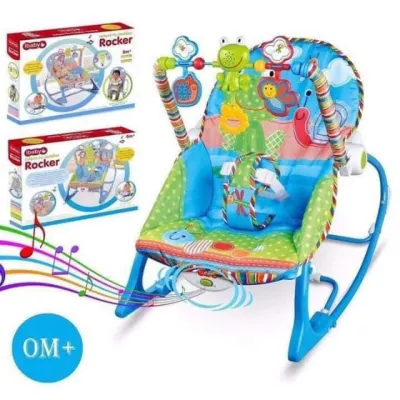
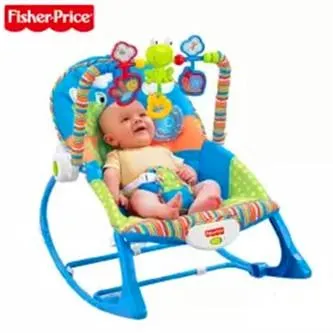
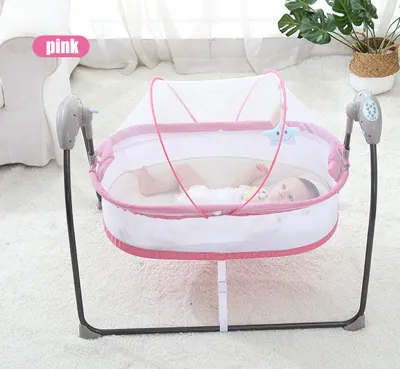
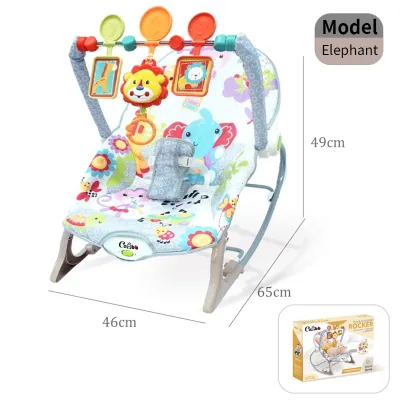
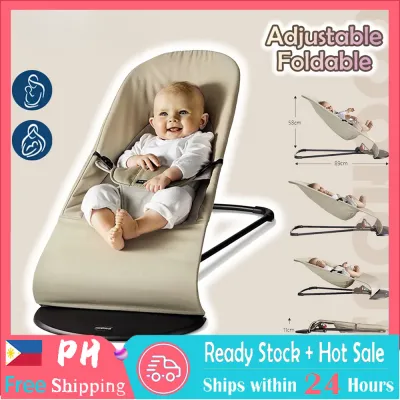
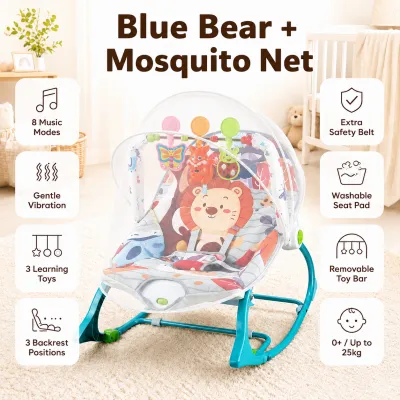
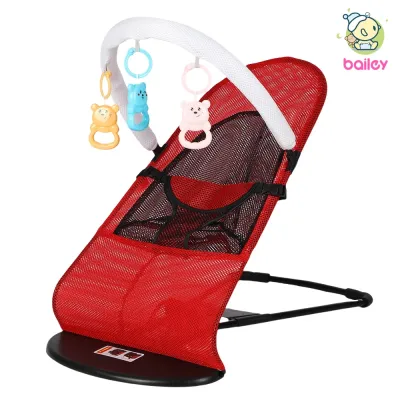
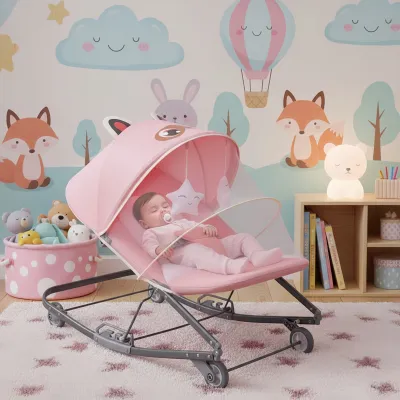
Prices are valid at publication and may change. Please refer to the product page for the latest price.
From a financial and spatial perspective, investing in multi-stage gear is highly practical, especially for families living in urban areas of the Philippines where space is at a premium. Condominiums and townhouses often require smart, space-saving furniture choices to keep living areas uncluttered. Purchasing a separate newborn bouncer, an infant rocker, and a toddler chair takes up valuable floor space and multiplies your expenses. By selecting a high-quality convertible rocker, you consolidate three different pieces of furniture into one compact item, saving money that can be better spent on other essential baby supplies.
Key Features to Evaluate for Long-Term Usability
When shopping for a baby rocker infant to toddler, the weight and height limits specified by the manufacturer are the most critical specifications to verify. Every convertible model has distinct weight thresholds for its different configurations. For example, the infant rocking mode might only support up to 9 kg, while the stationary toddler chair mode can support up to 18 kg. Always locate the physical safety label on the frame or consult the official instruction manual to confirm these limits. Never guess or assume a rocker is safe for an older child without verifying these numbers first.

The harness system is another vital feature that must adapt to your child’s changing mobility levels. For newborns and young infants, a secure three-point or five-point harness is essential to prevent them from sliding down or rolling out of the seat. The straps should be made of soft, durable webbing, and the buckle must be easy for you to operate but secure enough to resist curious fingers. As you transition the rocker into a toddler chair, the harness must either adjust to fit a larger body comfortably or be completely removable so your toddler can sit and stand independently without tripping over loose straps.
Seat recline and support are crucial for protecting your baby’s developing spine and ensuring their comfort. Newborns lack head and neck control, requiring a deep recline that keeps their airways fully open and prevents their heads from slumping forward. Look for a rocker that offers multiple recline angles that can be adjusted smoothly and quietly without waking a resting baby. As your child grows and begins to interact more with their surroundings, they will need a more upright, ergonomic seating position that supports their back and allows them to play with toys or look around comfortably.
Finally, evaluate the frame stability and base design of the rocker to ensure it can handle the active movements of an older child. A toddler will not sit perfectly still; they will climb into the chair, wiggle, and lean over the sides. The rocker must have a wide, low-profile base that distributes weight evenly and prevents the chair from tipping over. Look for models equipped with non-slip rubber grips on the bottom of the frame to prevent the rocker from sliding across smooth tile or wooden floors, and ensure the built-in kickstand locks firmly into place when converting the unit into a stationary seat.
Common Convertible Designs and Their Trade-offs
Wire-frame convertible rockers are among the most common and affordable designs available on the market. These models feature a lightweight metal frame that provides a gentle, natural bounce when the baby moves. Their lightweight construction makes them incredibly easy to carry from room to room, allowing you to keep an eye on your baby while you wash dishes or work in the home office. However, the trade-off for this portability is long-term durability; thin wire frames may flex more under heavier loads and might not feel as sturdy or stable when supporting a heavier toddler near the upper weight limit.
Molded plastic or rigid-frame convertible seats offer a much more substantial and robust alternative. These rockers are built with thick, durable plastic or solid metal frames that provide exceptional stability and can easily withstand the rough-and-tumble play of an active toddler. The downside to these rigid-frame models is their bulk and weight; they are generally heavier to lift, take up more physical space, and are much harder to fold flat for storage or travel, making them less ideal for smaller homes or frequent trips.
In the warm, tropical climate of the Philippines, fabric selection is a major factor in your child’s daily comfort. High humidity and high temperatures can cause babies to sweat excessively, leading to discomfort and skin irritations like heat rash. When evaluating rockers, prioritize those made with breathable mesh panels or lightweight, moisture-wicking fabrics that promote airflow around your baby’s back. Additionally, because toddlers are prone to spills, crumbs, and diaper leaks, look for a rocker with a fabric cover that is fully removable, machine-washable, and quick to dry, allowing you to maintain a clean and hygienic environment with minimal effort.
Safety Rules and Transitioning to Toddler Mode
Successfully transitioning your convertible rocker from infant to toddler mode requires careful attention to your child’s physical milestones rather than just their age. The primary trigger for converting the rocker to an upright, stationary position is when your baby can sit up unassisted, starts pushing up on their hands and knees, or actively attempts to climb out of the seat. Continuing to use the rocker in its reclined infant mode once your baby has reached these milestones increases the risk of them falling out or tipping the chair over, so you must adjust the frame and remove the toy bar immediately.
A fundamental safety rule that applies to all baby rockers is that they are designed strictly for supervised, awake time and are never safe for unsupervised infant sleep. When a baby sleeps on an inclined surface, their heavy head can easily fall forward onto their chest, potentially compressing their airway and causing silent suffocation. If your baby falls asleep while resting in the rocker, you must gently transfer them to a flat, firm sleep surface, such as a crib, bassinet, or playpen, as soon as possible to ensure they can breathe safely and comfortably.
Whenever you adjust the rocker’s recline, fold the frame, or engage the stationary kickstand, always double-check that all locking mechanisms are fully engaged. A lock that is only partially clicked into place can suddenly give way under your child’s weight, causing the seat to collapse and potentially injuring your baby. Regularly inspect the entire unit for signs of wear and tear, such as loose screws, cracked plastic joints, frayed harness straps, or torn fabric seams. If you notice any structural damage, discontinue use immediately until the part can be safely repaired or replaced.
Knowing when to retire the rocker completely is just as important as knowing when to transition it. Once your child reaches the maximum weight limit specified by the manufacturer, or if their head extends past the top of the seat back, the rocker is no longer safe for them to use. Additionally, if your toddler is highly active and uses the chair in a way that causes the base to lift off the floor or slide excessively, it is time to stop using the product. Prioritizing these safety boundaries ensures that the rocker remains a helpful, hazard-free addition to your home throughout its entire lifespan.
Building Your Shortlist: A Pre-Purchase Checklist
To help you choose the right baby rocker infant to toddler from the options available in the Philippines, use this practical checklist when comparing different models online or in physical baby stores. First, verify that the rocker carries recognized safety certifications, which indicate that the product has passed rigorous stability, chemical, and structural safety tests. You should also perform a quick online search to ensure the specific model and batch number have not been subject to any active safety recalls, protecting your child from hidden manufacturing defects.
Next, read the product manual or physical packaging labels carefully to confirm the exact weight and age limits for each mode of operation. Do not rely solely on brief online product descriptions, which can sometimes contain errors or omit crucial safety warnings. Checking the official documentation ensures that the rocker’s specifications align perfectly with your child’s current weight and developmental stage, and that you understand the exact steps required to assemble and convert the chair safely as your baby grows.
Another important consideration is the long-term availability of replacement parts and accessories. Because a convertible rocker is used for several years, components like the fabric cover and harness straps will experience wear and tear. Check if the manufacturer or authorized distributor offers replacement parts for purchase. Being able to buy a fresh fabric cover or a new set of straps is much more cost-effective than having to replace the entire rocker if a single component becomes damaged or heavily soiled.
Finally, evaluate the warranty terms and return policies offered by the retailer before making your purchase. Buying your rocker from authorized physical department stores or official online brand stores ensures that you receive an authentic product and are covered by a valid manufacturer’s warranty. A reliable warranty protects your investment against unexpected structural failures or defects, while a flexible return policy allows you to inspect the rocker thoroughly at home and return it if you find any issues with its stability, materials, or assembly.
Frequently Asked Questions (FAQ)
Can I use a convertible rocker for my baby's naps?
No, convertible baby rockers are not safe for infant sleep, including naps. Pediatric health guidelines state that babies should always sleep on a flat, firm, and separate surface to minimize the risk of Sudden Infant Death Syndrome (SIDS) and positional asphyxiation. If your baby falls asleep in the rocker, gently transfer them to a crib or bassinet immediately.
How do I clean the fabric seat of a multi-stage rocker?
Always check the care label stitched onto the fabric cover for specific washing instructions. Most high-quality rockers feature removable, machine-washable covers that should be washed on a gentle cycle with mild, baby-safe detergent and air-dried to prevent shrinkage. For non-removable parts, harness straps, and the frame, use a damp cloth with mild soap to spot-clean spills, avoiding harsh chemicals that could irritate your baby’s skin.
Is a convertible rocker better than a dedicated baby bouncer or high chair?
A convertible rocker serves a different purpose than a high chair, which is designed specifically for safe, upright feeding at a table. While a dedicated baby bouncer offers active, springy bouncing motion for younger infants, its lifespan is much shorter. A convertible rocker is the better choice if you want a single, versatile piece of gear that transitions from a soothing infant seat to a long-term toddler chair, maximizing your budget and floor space.
Community discussion
Share your experience or ask a question. Comments are reviewed before publication.