
Quick Answer: Safety and Age Guidelines for Scott's Vitamin C Pastilles
The safety of giving Scott’s Vitamin C pastilles to toddlers and young children depends primarily on the child’s age, physical chewing ability, and the specific age recommendations printed on the product packaging. Generally, these chewable pastilles are formulated for children aged three or four years and older who have fully developed their chewing and swallowing reflexes.
Two main safety concerns must guide your decision: the physical choking hazard associated with the sticky, gummy texture of the pastilles, and the sugar content that can affect developing dental health. Before introducing any chewable supplement, you must carefully check the manufacturer’s minimum age guidelines on the specific packaging to ensure it is safe and appropriate for your child’s developmental stage.
Choking Hazards: Why Age and Chewing Ability Matter
The physical safety of a young child is the most critical consideration when introducing any chewable supplement. The gummy, rubbery, or gelatinous texture of pastilles presents a distinct physical challenge that is fundamentally different from soft table foods. For toddlers—specifically children between the ages of one and three—this texture can pose a severe choking hazard.
Products mentioned in this guide
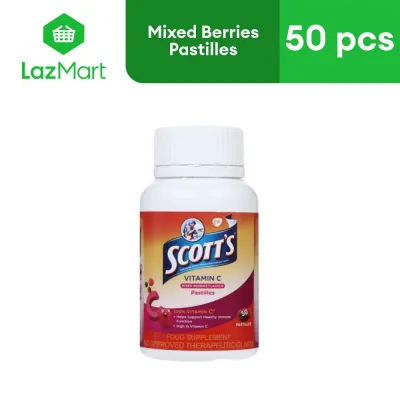
![[BUY 2 TAKE 1] Scotts Pastilles Orange + Mixed Berries 50s [Pack of 2] with FREE Scotts Pastilles Orange 50s](https://img.lazcdn.com/g/p/ea93f8d2de3ed43c4f690b1c9c05b39f.jpg_400x400q80.jpg_.webp)
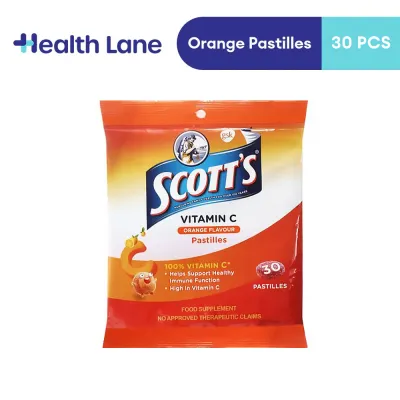
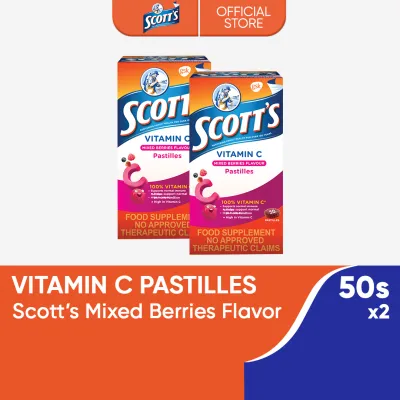
![Scotts Pastilles Orange [Pack of 2] with 100% Vitamin C](https://img.lazcdn.com/g/p/851ca7fdcd8b2b8e1ea5f9c2a6c92cc5.png_400x400q80.png_.webp)
![Scotts Pastilles Orange + Mixed Berries 50s [Pack of 2] with 100% Vitamin C](https://img.lazcdn.com/g/p/4c2c859221999560b5bd386fa289ab04.jpg_400x400q80.jpg_.webp)
![Little Explorer Pack: Scotts 100% Vitamin C Pastilles 50s [Pack of 2] + DHA Gummies 60s [Pack of 2]](https://img.lazcdn.com/g/p/d7cb1cd69d871a4df5a2fb1d8e9c8fae.png_400x400q80.png_.webp)
Prices are valid at publication and may change. Please refer to the product page for the latest price.

At this stage of development, a toddler’s oral motor skills are still maturing. While they may have their front incisors to bite off pieces of food, they often lack the second primary molars, which typically do not erupt until a child is between 20 and 33 months old. Without these flat, grinding teeth, toddlers cannot easily grind down sticky, elastic substances like pastilles. Instead of breaking the pastille down into a safe, easily swallowable paste, they may attempt to swallow it whole or in large, rubbery chunks.
Furthermore, a toddler’s chewing and swallowing coordination is not yet fully automatic. If a child is distracted, startled, or moving around while eating a pastille, the sticky mass can easily bypass the esophagus and slip into the trachea, blocking the airway. Because pastilles are designed to be chewy and moisture-resistant, they do not dissolve quickly in the airway, making them highly dangerous if inhaled.
To assess whether your child is ready for chewable textures, look beyond chronological age. Observe their daily eating habits: can they efficiently chew and swallow dense, fibrous foods like raw apples, carrots, or chewy meats without gagging or struggling? If your child still swallows food in large pieces, pockets food in their cheeks, or gags frequently, their oral motor skills are not yet ready for pastilles.
Regardless of your child’s age or perceived chewing proficiency, direct and active adult supervision is mandatory during consumption. The child must remain seated completely upright, quiet, and focused on chewing. Under no circumstances should a child be allowed to run, play, talk excitedly, or ride in a vehicle while consuming a pastille, as sudden movements significantly increase the risk of accidental inhalation.
Sugar Content and Dental Health: What Parents Should Monitor
While vitamins are intended to support health, the ingredients used to make them palatable can pose risks to a child’s dental hygiene. Chewable pastilles typically rely on added sugars, glucose syrups, sucrose, or concentrated fruit juices to mask the naturally tart and bitter taste of ascorbic acid (Vitamin C). For young children, this high sugar concentration is a primary contributor to early childhood caries, commonly known as baby teeth decay.
The physical structure of pastilles compounds this risk. Unlike liquid supplements or dissolvable tablets, gummy pastilles are highly sticky. When chewed, the gelatinous material easily becomes impacted in the deep grooves, pits, and fissures of the primary molars, as well as in the tight spaces between teeth. This sticky residue resists the natural cleansing action of saliva, remaining in contact with the tooth enamel for hours.
Oral bacteria feed on these residual sugars, producing acidic byproducts as a waste material. This acid directly attacks the thin, vulnerable enamel of primary baby teeth, initiating the demineralization process that leads to cavities.
To mitigate these risks, you must establish a proactive dental care routine around supplement consumption. Do not allow your child to suck on the pastille for extended periods, and never give pastilles right before bedtime or naptime unless thorough tooth brushing follows immediately. Have your child drink a full glass of water immediately after consuming the pastille to help flush away loose sugars. Ideally, schedule the supplement intake right before the daily brushing routine so that any sticky residue can be physically removed with a soft-bristled toothbrush and fluoride toothpaste.
Additionally, you should review the ingredient label to evaluate the total sugar content per serving. This sugar should be calculated as part of your child’s overall daily sugar intake, ensuring it does not displace nutritious, whole foods in their diet.
Vitamin C Dosage: Avoiding Overconsumption and Stomach Upset
Vitamin C, or ascorbic acid, is a water-soluble nutrient essential for immune function, collagen synthesis, and iron absorption. Because the human body cannot store Vitamin C, excess amounts are filtered by the kidneys and excreted through urine. However, this physiological safety valve does not mean that high doses are completely safe or free from side effects for young children.
If a toddler or young child consumes a sudden or consistently high dose of Vitamin C that exceeds their body’s immediate tolerance, the unabsorbed vitamin remains in the gastrointestinal tract. Here, it exerts an osmotic effect, drawing water into the large intestine. This can cause acute gastrointestinal distress, including loose stools, watery diarrhea, painful abdominal cramps, nausea, and flatulence.
To prevent these uncomfortable side effects, you must carefully read the supplement facts panel on the product packaging. Check the exact milligram (mg) dosage of Vitamin C provided per pastille. Compare this value with the recommended daily intake established for your child’s age group. You should also verify the tolerable upper intake levels with your pediatrician or local health guidelines to ensure you do not exceed safe limits.
Parents must also account for the Vitamin C already present in the child’s daily diet. In the Philippines, children frequently consume a variety of naturally nutrient-rich local fruits. Calamansi, dalandan, ripe mangoes, papayas, and guavas are exceptional sources of dietary Vitamin C that can easily meet or exceed a child’s daily requirements without the need for synthetic supplements. Fortified milk formulas, juices, and breakfast cereals also contribute to this daily total.
When dietary intake is already adequate, adding a high-dose supplement can easily push a child close to or over their digestive tolerance limit. You should strictly adhere to the manufacturer’s recommended serving size and never allow children to view pastilles as a general candy substitute or treat.
Safe Usage Rules: Supervision, Storage, and When to Stop
Integrating any supplement into your child’s daily routine requires a structured approach to safety, storage, and behavioral boundaries.
Storage Safety Because vitamin pastilles are designed to taste like candy, children often perceive them as a treat rather than medicine. This makes accidental overconsumption a significant risk. You must store the supplement bottle completely out of the sight and reach of children, preferably in a high, locked cabinet or pantry. In the warm, humid tropical climate of the Philippines, proper storage is doubly important. High humidity can cause the pastilles to melt, stick together, or degrade, which can compromise the integrity of the product and make accurate dosing impossible. Ensure the child-resistant cap is fully engaged and clicked into place after every single use, and never leave the bottle unattended on countertops or dining tables.
Administration Establish a consistent, structured routine for administering the supplement. Give the pastille during or immediately after a main meal, such as breakfast or lunch. This timing not only helps establish a predictable habit but also ensures the child’s stomach is full, which can improve nutrient absorption and minimize any potential stomach sensitivity. Always ensure your child is seated completely upright at a table and is not distracted by screens, toys, or active play.
When to Stop You must remain vigilant for any adverse reactions. Discontinue the use of the pastilles immediately and consult a pediatrician if your child experiences persistent digestive issues (such as unexplained diarrhea or stomach pain), signs of an allergic reaction (such as skin rashes, hives, itching, or swelling of the face or throat), or any sudden changes in bowel habits.
Professional Guidance Before introducing Scott’s Vitamin C pastilles or any other dietary supplement to a young child, it is highly recommended to seek professional guidance. Consult a pediatrician or a registered dietitian to determine if your child actually requires supplementation. A healthcare professional can evaluate your child’s growth, current diet, and specific health needs, ensuring that any supplement given is both safe and necessary.
Frequently Asked Questions (FAQ)
Can I cut the pastilles in half to make them safer for my toddler?
Cutting sticky or gummy pastilles in half is not recommended as a safe workaround for choking hazards or dosage adjustments. Because of their dense, elastic, and sticky texture, pastilles do not cut cleanly. Attempting to slice them can create irregular shapes with jagged, sticky edges that may actually be harder for a toddler to manage, potentially increasing the risk of the piece adhering to the throat or sliding into the airway. Additionally, active ingredients in chewable supplements are not always distributed perfectly evenly throughout the gummy matrix, meaning that cutting a pastille in half does not guarantee an exact half-dose. Always check the manufacturer’s instructions on the packaging or consult a pharmacist before altering the physical form of any supplement.
What should I do if my child accidentally eats too many vitamin pastilles?
If your child accidentally consumes more than the recommended dose of vitamin pastilles, it is vital to act quickly and remain calm. First, immediately take the bottle away from the child and secure it. Try to estimate the exact number of pastilles consumed and note the time it occurred. Check your child’s immediate physical condition for any signs of distress. In the Philippines, you should immediately contact your pediatrician, visit the nearest hospital emergency room, or contact the National Poison Management and Control Center (such as the UP-PGH Poison Control) for professional medical guidance. Have the product bottle in hand so you can read the exact ingredients and dosage levels to the medical staff. Do not attempt to induce vomiting or administer home remedies unless specifically instructed to do so by a healthcare professional, as these actions can sometimes cause further harm or aspiration.
Community discussion
Share your experience or ask a question. Comments are reviewed before publication.