
Scott’s Vitamin C Gummies can be a safe and enjoyable way to support your child’s daily nutritional needs, provided they are used correctly under active adult supervision. While these chewable supplements are designed to appeal to young children, their safety depends entirely on adhering to the manufacturer’s age recommendations, following precise dosage guidelines, and understanding your child’s individual developmental readiness. Because gummies look and taste like candy, parents must treat them with the same caution as any other dietary supplement or medication to prevent accidental overconsumption.
Before introducing any new supplement to your child’s daily routine, it is essential to evaluate their overall diet, physical chewing capabilities, and any specific health conditions they may have. Consulting a pediatrician remains the most reliable way to determine if your child actually requires a vitamin C supplement or if their nutritional needs are already being met through their regular meals. By taking a proactive and informed approach, you can ensure that your child receives the benefits of vitamin C without unnecessary risks.
Evaluating the General Safety of Vitamin C Gummies
Vitamin C, also known as ascorbic acid, plays a vital role in supporting a child’s growing body. It is highly regarded for its contribution to the normal function of the immune system, its role in collagen formation for healthy skin, and its ability to enhance the absorption of iron from plant-based foods. During childhood, when the body is rapidly developing, maintaining adequate levels of this essential nutrient is important for overall growth and vitality.
Products mentioned in this guide
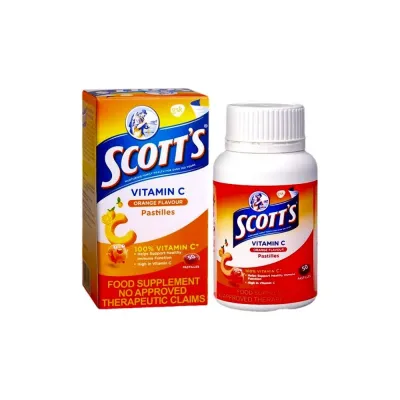

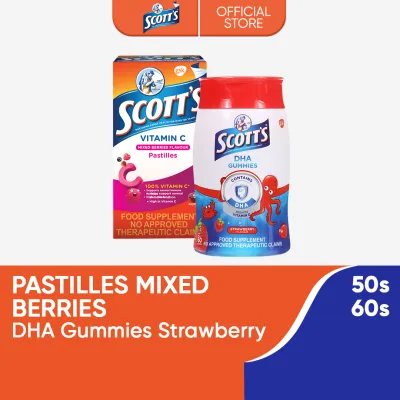

Prices are valid at publication and may change. Please refer to the product page for the latest price.
However, parents should view vitamin C gummies as a supportive measure rather than a primary source of nutrition. A balanced diet rich in whole foods remains the foundation of good health. In tropical regions like the Philippines, families have access to an abundance of fresh, local fruits and vegetables that are naturally packed with vitamin C. Incorporating foods such as ripe papayas, sweet mangoes, calamansi, and leafy green vegetables into daily meals is the most effective and wholesome way to nourish your child. Gummies should only serve to bridge occasional nutritional gaps, not replace these nutrient-dense whole foods.
When evaluating the safety of any vitamin C gummy, it is crucial to carefully inspect the ingredient list printed on the back of the packaging. Many gummy supplements contain added sugars, glucose syrup, or artificial sweeteners to make them palatable to children. Frequent consumption of sugary gummies can contribute to tooth decay, especially if the sticky residue clings to a child’s teeth after chewing. Additionally, parents of children with food sensitivities must check the label for potential allergens, such as gelatin sources, artificial food colorings, or preservatives, to ensure the product aligns with their child’s dietary requirements.
How to Read the Label for Correct Dosage
Determining the correct dosage of a vitamin C gummy requires careful attention to the manufacturer’s product label. Because formulation strengths can vary significantly between different brands and product lines, you should never assume the dosage based on past purchases or general advice. Always locate the “Directions for Use” or “Suggested Use” section on the bottle, which specifies the exact number of gummies recommended for different age groups.

To prevent under- or over-supplementation, you must match the label’s age-group recommendations with your child’s actual age and developmental stage. Some products may also provide dosage guidelines based on weight ranges, which can offer a more precise measure for children who are smaller or larger than average for their age. If the label does not provide clear instructions for your child’s specific age bracket, do not attempt to guess or calculate a partial dose; instead, consult a pediatrician or a registered pharmacist for professional guidance.
Another critical factor in dosage safety is avoiding the accidental stacking of nutrients. Many children’s multivitamins, fortified milk powders, breakfast cereals, and packaged juices already contain added vitamin C. Before giving your child a daily gummy, review all the other fortified foods and supplements they consume regularly. Combining multiple vitamin-fortified products without calculating the cumulative daily intake can easily lead to exceeding the recommended daily limit for vitamin C, making it essential to keep a close eye on the total dietary picture.
Recognizing Potential Side Effects and Overconsumption Risks
While vitamin C is generally well-tolerated, consuming excessive amounts can lead to uncomfortable side effects. Because vitamin C is a water-soluble nutrient, the human body does not store it in large quantities; instead, it filters out excess amounts through the kidneys and excretes them in urine. This water-soluble characteristic makes severe toxicity rare compared to fat-soluble vitamins like vitamins A and D, which can accumulate to dangerous levels in bodily tissues. However, an overload of vitamin C can still cause acute irritation to a child’s sensitive digestive system.
The most common, observable signs of vitamin C overconsumption are gastrointestinal in nature. If a child consumes more than their body can absorb, they may experience mild to moderate digestive discomfort, including stomach cramps, nausea, abdominal bloating, and loose stools or diarrhea. These symptoms are typically temporary and resolve once the excess vitamin C is cleared from the body and the supplement is discontinued. If you notice your child experiencing persistent digestive issues after starting a gummy supplement, it is best to pause its use immediately.
Parents must establish clear boundaries for when to seek professional medical assistance. If your child exhibits severe symptoms such as persistent vomiting, intense abdominal pain, signs of dehydration (such as dry mouth, crying without tears, or decreased urination), or if you suspect they have consumed a large quantity of gummies at once, stop using the product immediately. Contact your pediatrician, visit the nearest healthcare facility, or reach out to a local poison control center for immediate guidance. Always keep the product bottle with you so you can provide medical professionals with the exact ingredient concentrations and serving sizes.
Age Restrictions and Choking Hazard Precautions
The physical format of a gummy supplement introduces unique safety considerations that go beyond nutritional content. Before purchasing any gummy vitamin, parents must verify the minimum age requirement explicitly stated on the product packaging. Most manufacturers recommend gummy supplements only for children aged three or four years and older. This restriction is not only due to nutritional formulation but also because younger toddlers may lack the oral motor skills required to safely break down a dense, chewy gummy.
Before introducing a gummy supplement, carefully assess your child’s individual ability to chew and swallow solid foods safely. Children develop these physical skills at different rates, and age alone is not a guarantee of readiness. A child should be fully capable of thoroughly chewing tough or sticky foods before they are given a gummy vitamin. If your child tends to swallow food whole, eats too quickly, or is easily distracted during meals, they may not be ready for a gummy format, and an alternative liquid or chewable tablet format may be safer.
Active adult supervision is mandatory whenever a child is consuming a gummy supplement. Never allow a child to run, play, talk, or lie down while chewing a vitamin, as these activities significantly increase the risk of accidental choking. Treat the daily vitamin as a structured routine where the child sits quietly under your direct watch until the gummy is completely swallowed. By maintaining strict supervision and teaching your child to chew each gummy thoroughly, you can minimize physical hazards and ensure a safe supplementation routine.
Purchasing and Storage Checklist for Parents
Ensuring the safety of your child’s supplements also involves careful purchasing habits and secure storage practices. To protect your family from counterfeit or substandard products, always buy vitamin gummies from authorized retailers, official brand stores, or reputable physical and online pharmacies. Avoid purchasing supplements from unverified third-party sellers on online marketplaces, as these products may not have been stored under proper conditions or could be counterfeit, lacking the quality control standards of genuine brands.
Before opening a new bottle of gummies, perform a thorough physical inspection of the packaging. Check that the outer plastic shrink-wrap or inner safety seal under the cap is completely intact and shows no signs of tampering, punctures, or tearing. Carefully locate and read the expiration date printed on the bottle; never give your child expired supplements, as the potency of the vitamins may have degraded, and the physical stability of the gummy could be compromised.
Proper storage is especially critical in warm, humid tropical environments. High temperatures and humidity can cause gummy vitamins to melt, stick together, or degrade rapidly. Store the bottle in a cool, dry place, away from direct sunlight and heat sources like stoves or windows. Most importantly, keep the container strictly out of your child’s sight and reach, preferably in a locked cabinet or a high shelf. Because these gummies taste like candy, children may actively search for them, making secure storage your primary defense against accidental overconsumption.
Frequently Asked Questions (FAQ)
Can my child take this vitamin C gummy with other daily supplements?
It is highly recommended to check the ingredient labels of all supplements your child currently takes before introducing a new vitamin C gummy. Many children’s multivitamins, immune-support syrups, and fortified foods already contain significant amounts of vitamin C. Combining these products without careful calculation can lead to an unintentional double-dosage, which may cause digestive discomfort. To ensure your child’s safety, compile a list of all their daily supplements and consult a pediatrician or a registered pharmacist to verify that the combined nutrient levels are safe and appropriate for your child’s age and weight.
What should I do if my child accidentally eats too many gummies at once?
If your child accidentally consumes a large quantity of vitamin C gummies, the first and most important step is to remain calm and immediately secure the product bottle to prevent them from eating any more. Do not attempt to induce vomiting, as this can cause throat irritation or pose a choking hazard unless a medical professional explicitly instructs you to do so. Immediately contact your pediatrician, visit the nearest emergency medical center, or call a local poison control hotline. Ensure you have the product packaging in hand so you can read the exact ingredients, dosage strengths, and safety warnings directly to the healthcare provider.
Community discussion
Share your experience or ask a question. Comments are reviewed before publication.