
Whether Scott’s Emulsion is safe for your baby depends entirely on the specific product variant, your baby’s exact age, and explicit guidance from your pediatrician. While this classic supplement is a household staple in many homes across the Philippines, it is not a universal remedy suitable for all developmental stages. Administering it to an infant without understanding the formulation and your baby’s specific nutritional needs can lead to serious health risks.
Scott’s Emulsion is primarily known for its cod liver oil content, which naturally provides essential nutrients such as Vitamin A, Vitamin D, and Omega-3 fatty acids (specifically EPA and DHA). These components are highly valued for supporting bone development, immune function, and brain growth. However, the concentration of these fat-soluble vitamins in a standard family-sized bottle is often tailored for older children and adults, not the delicate systems of infants.
In the first six months of life, breastmilk or commercial infant formula is designed to provide the complete, balanced nutrition your baby needs. Healthy, full-term infants rarely require additional vitamin supplementation during this period, as their primary milk source is already optimized for their growth. Introducing heavy oils or concentrated vitamins prematurely can disrupt this natural balance and strain your baby’s digestive tract.
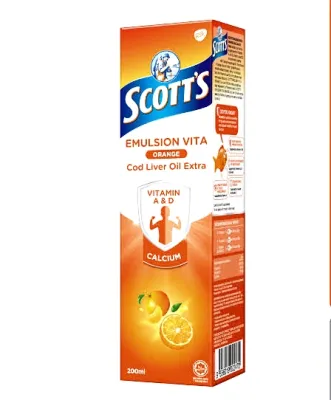
Products mentioned in this guide
![Scotts Pastilles Orange + Mixed Berries 50s [Pack of 2] with 100% Vitamin C](https://img.lazcdn.com/g/p/4c2c859221999560b5bd386fa289ab04.jpg_400x400q80.jpg_.webp)
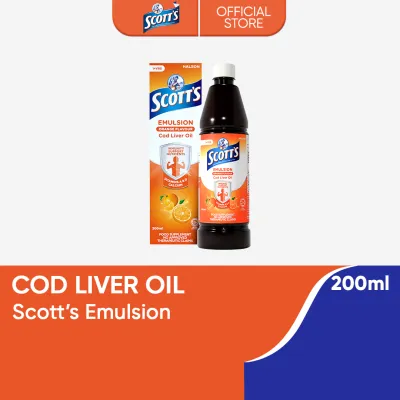
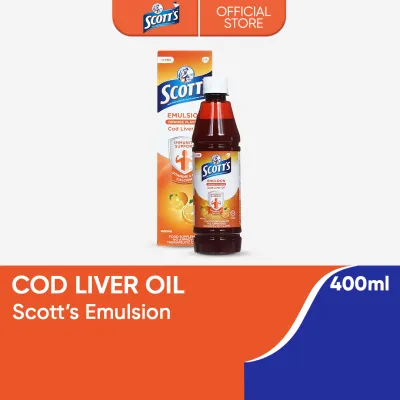

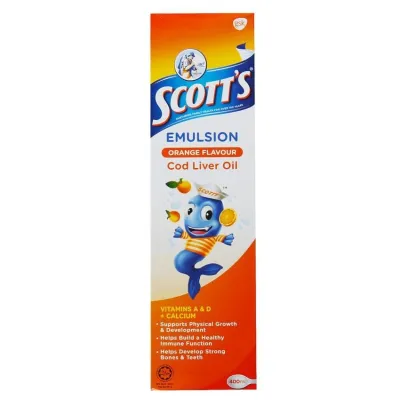
Prices are valid at publication and may change. Please refer to the product page for the latest price.
An infant’s liver, kidneys, and metabolic pathways are still maturing during the first year of life. Processing supplemental oils requires specific digestive enzymes and bile acids that a young baby’s body does not yet produce in large quantities. Consequently, giving a heavy emulsion to a very young infant can cause digestive distress, including diarrhea, gas, and poor nutrient absorption.
Many parents consider introducing this supplement to boost their baby’s immunity, especially during seasonal changes or when transitioning to solid foods. While the desire to protect your baby’s health is natural, self-prescribing any dietary supplement can bypass critical safety checks. Understanding how to evaluate these products and consulting a healthcare professional are the most important steps you can take.
Age Guidelines: How to Verify If It Is Right for Your Baby
Strict age thresholds are established for dietary supplements because of how the human body processes different types of nutrients. Unlike water-soluble vitamins, such as Vitamin C, which the body easily flushes out through urine when consumed in excess, fat-soluble vitamins like Vitamin A and Vitamin D are stored in the body’s fat tissues and liver. This means that any excess intake can accumulate over time, potentially reaching toxic levels in a small baby.
An infant’s metabolic rate and body mass are significantly smaller than those of older children, making them highly sensitive to dosage variations. A dose that is perfectly safe for a toddler or school-aged child can represent an extreme, dangerous overdose for an infant. Because of these physiological differences, manufacturers must specify age limits on their packaging to protect young consumers.
To determine if a specific bottle of Scott’s Emulsion is appropriate, inspect the physical packaging of the product you have in hand. Different variants, such as the original cod liver oil formulation and the flavored emulsions (like orange), have distinct age recommendations printed on their labels. Many of these formulations are explicitly labeled for children aged one year and older, meaning they are not safe for infants.
Do not rely on generalized online advice, parenting forums, or family traditions when deciding on an age-appropriate supplement. Even if a relative mentions giving a similar product to their baby decades ago, modern formulations, safety standards, and pediatric guidelines have evolved significantly. The only reliable way to verify safety is to read the manufacturer’s current label and consult your pediatrician.
Obtaining explicit pediatrician approval is a non-negotiable step before introducing any new supplement to your baby’s routine. A pediatrician can assess your baby’s growth, analyze their current diet, and determine if there is a genuine clinical need for extra Vitamin A, Vitamin D, or Omega-3s. If a deficiency is identified, the doctor will recommend a precise, safe dosage or prescribe an infant-specific alternative.
Safety Precautions and the Risks of Over-Supplementation
The primary risk associated with giving cod liver oil supplements to infants is the potential for Vitamin A and Vitamin D toxicity, medically known as hypervitaminosis. Chronic overconsumption of Vitamin A in infants can lead to serious complications, including increased intracranial pressure, which may manifest as a bulging soft spot (fontanelle) on the baby’s head, extreme irritability, vomiting, and abnormal bone growth.

Similarly, excessive Vitamin D intake can cause hypercalcemia, a condition where too much calcium builds up in the blood. In infants, this can lead to poor appetite, weight loss, excessive thirst, frequent urination, and in severe cases, damage to the kidneys and cardiovascular system. Because these risks are severe, parents must treat fat-soluble vitamin dosages with the same precision as prescription medications.
Before introducing any supplement, carefully evaluate all other sources of nutrients your baby consumes daily. If your baby is fed commercial infant formula, they are already receiving a highly regulated, fortified diet that contains optimal levels of Vitamin A and Vitamin D. Adding a cod liver oil supplement on top of fortified formula or prescribed multi-vitamin drops can easily exceed the safe upper limits for these nutrients.
Allergies are another critical safety consideration when evaluating cod liver oil for babies. Because the primary ingredient is derived from fish, there is a risk of an allergic reaction, particularly in babies with a family history of seafood allergies or those with highly sensitive immune systems. Additionally, flavored variants often contain preservatives, artificial colors, or flavoring agents that can trigger skin rashes or digestive upset in sensitive infants.
Environmental factors in the Philippines, such as high heat and humidity, also play a role in supplement safety. Cod liver oil is highly susceptible to oxidation, which occurs when the oil is exposed to air, light, and heat, causing it to go rancid. Giving rancid oil to a baby can cause severe gastrointestinal distress, vomiting, and exposure to harmful free radicals, making proper storage and quality checks essential.
Evaluating the Product Label Before Giving It to Your Baby
Evaluating the product label with a critical eye is essential for your baby’s safety. Start by distinguishing between the different product variants available on the market. Original formulations are typically pure cod liver oil emulsions, while flavored versions often contain added sugars, liquid glucose, or artificial sweeteners to mask the strong fishy taste. These added sugars are highly discouraged for infants, as they can contribute to early tooth decay and establish a preference for overly sweet tastes.
Next, verify the exact dosage measuring tool that comes with the product or is recommended on the label. Never use a standard household kitchen spoon to measure a baby’s supplement, as these spoons vary widely in size and can easily lead to under-dosing or dangerous over-dosing. If the product does not include a calibrated pediatric syringe or dropper, or if the label does not provide clear, explicit instructions for your baby’s exact age group, do not administer it.
Before your pediatric consultation, compile a comprehensive list of everything your baby consumes and any medications they take. Note the exact brand of infant formula, the frequency of breastfeeding, any solid foods they eat regularly, and any other vitamin drops or skin creams they use. Presenting this detailed list allows your doctor to calculate your baby’s total daily nutrient intake and make a safe, informed recommendation.
Finally, check the packaging for quality indicators such as a secure safety seal, clear manufacturing and expiration dates, and batch numbers. In tropical climates, ensure the packaging has not been compromised by heat during transport or storage. If the seal is broken, the liquid appears discolored, or the smell is unusually harsh or rancid, discard the bottle immediately and do not give it to your child.
Monitoring Your Baby and When to Stop Use Immediately
If your pediatrician approves a specific supplement and dosage, close observation during the first few days of administration is vital. It is important to differentiate between normal, mild digestive adjustments and concerning adverse reactions. A baby might initially dislike the taste or experience minor changes in stool consistency, but these should not be accompanied by distress, vomiting, or systemic symptoms.
Establish clear stop-use conditions and act immediately if your baby shows signs of an adverse reaction. Stop giving the supplement and contact your pediatrician or seek emergency medical care if you observe skin rashes, hives, swelling of the face, lips, or tongue, difficulty breathing, persistent vomiting, severe diarrhea, or unusual lethargy and weakness. These symptoms can indicate a severe allergic reaction or acute intolerance.
Safe storage practices are critical to preventing accidental ingestion and keeping your household safe. Store the bottle tightly sealed in a cool, dry place, ideally below 30°C, to protect the oil from heat-induced spoilage. Keep the supplement in a high, locked cabinet completely out of reach of infants, toddlers, and older siblings who might be attracted to the sweet taste of flavored variants and accidentally consume a toxic dose.
Frequently Asked Questions (FAQ)
Can I mix the supplement with my baby's milk or formula?
Mixing a thick emulsion like cod liver oil directly into your baby’s milk or formula is generally not recommended. If your baby does not finish the entire bottle of milk, they will not receive the full, intended dose of the supplement, making it impossible for you to track their actual nutrient intake accurately. Furthermore, the strong fishy taste and oily texture of the emulsion can significantly alter the flavor and consistency of the milk, which may cause your baby to reject their feeding entirely, leading to nutritional gaps and feeding aversion. For safe and accurate delivery, administer the supplement separately using a precise pediatric syringe or dropper as directed by your pediatrician, or offer it on a small spoon if your baby is developmentally ready for solids.
Are there alternative vitamin drops specifically designed for infants?
Yes, there are many alternative vitamin drops that are formulated specifically for the unique physiological needs and safety profiles of infants. Unlike family-sized emulsions, infant-specific drops are highly concentrated, allowing for very small, precise doses (often just a single drop) that are easy to administer and swallow. These products typically contain single nutrients, such as pure Vitamin D3, without the added sugars, artificial flavorings, heavy oils, or complex multi-vitamin mixtures that can strain an infant’s developing digestive system. If you are concerned about your baby’s nutritional intake, discuss these targeted, infant-specific options with your pediatrician, who can recommend a high-quality product tailored to your baby’s exact growth stage and dietary needs.
Community discussion
Share your experience or ask a question. Comments are reviewed before publication.