
Finding the gentlest saline wipe for a baby with sensitive skin in the Philippines requires looking beyond marketing labels and focusing on ingredient simplicity, physical texture, and formulation stability. While many brands claim to be hypoallergenic or ideal for delicate skin, the most suitable choice depends on your baby’s specific skin triggers and a careful verification of the ingredient list. In a tropical, humid climate, sweat, heat, and friction can easily compromise a baby’s skin barrier, making the choice of wipe even more critical. This guide will teach you how to read labels, compare formulations, evaluate physical wipe materials, and safely test products to make an informed decision for your child’s comfort.
What Makes Saline Wipes Suitable for Sensitive Skin?
Saline wipes are specialized cleansing cloths saturated with a gentle solution of purified water and sodium chloride (salt). Unlike standard baby wipes, which often rely on complex surfactants, synthetic cleansing agents, and heavy fragrances to remove dirt, saline wipes utilize the natural properties of salt water to cleanse. This simple combination is designed to mimic the body’s natural fluids, making it highly compatible with delicate skin tissues.
The primary advantage of saline wipes lies in their isotonic formulation. An isotonic solution matches the natural salt concentration of the body’s cells, which helps prevent osmotic stress on the skin. When applied to reactive, easily irritated, or compromised skin barriers—such as dry patches, mild diaper rash, or chafed skin around the nose—an isotonic solution cleanses without drawing moisture out of the skin cells or forcing excess water in. This balance helps maintain the skin’s natural moisture levels during cleansing.
Products mentioned in this guide
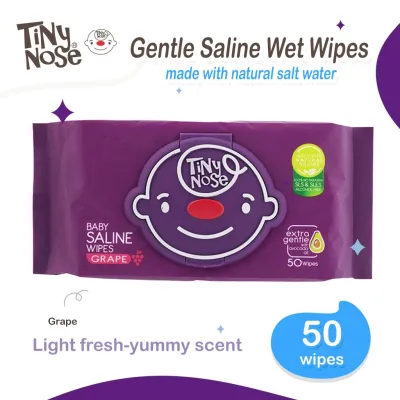
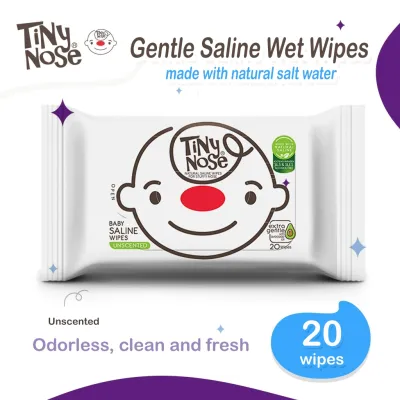
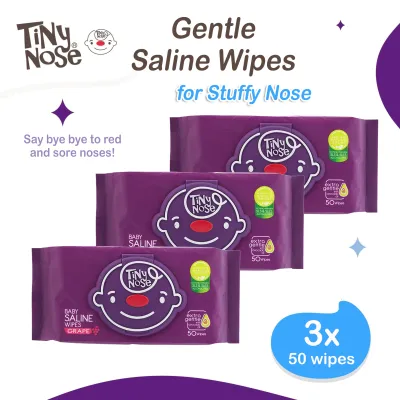
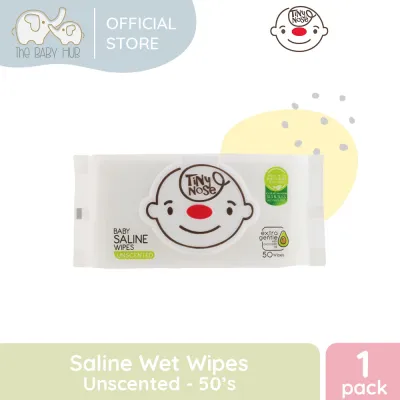
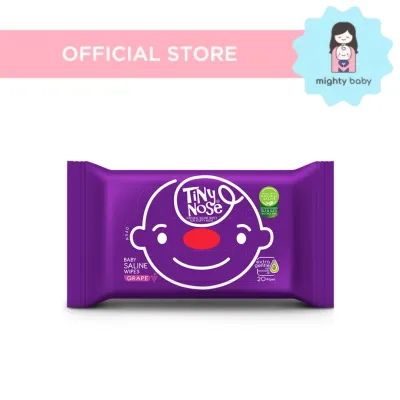
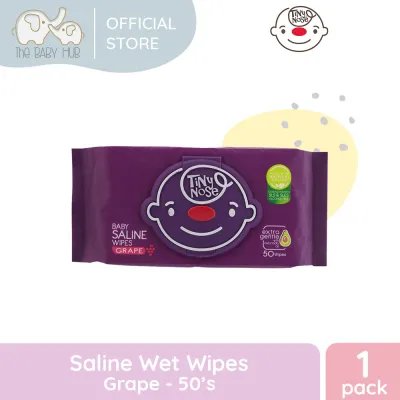
Prices are valid at publication and may change. Please refer to the product page for the latest price.
However, caregivers must understand that the term “saline” on a package does not automatically guarantee the absence of other potential irritants. Some manufacturers add botanical extracts, preservatives, or texture enhancers to their saline wipes to improve shelf life or scent. Therefore, while the core saline solution is inherently gentle, verifying the complete ingredient list remains a necessary step to ensure the product is truly safe for highly sensitive skin.
Key Ingredients and Label Claims to Verify Before Buying
When evaluating saline wipes, the ingredient list on the back of the pack is your most reliable tool. Many products marketed for babies contain hidden irritants that can trigger contact dermatitis or worsen existing eczema. Caregivers should actively avoid wipes containing added synthetic fragrances, essential oils like lavender or tea tree, and drying alcohols. Additionally, look closely at the preservative system; while preservatives are necessary to prevent mold and bacterial growth in wet wipes, certain options like parabens, phenoxyethanol, or methylisothiazolinone are known sensitizers that should be avoided for babies with highly reactive skin.

Another critical factor to verify is the pH balance of the wipe formulation. A baby’s skin has a natural acid mantle with a pH that is typically slightly acidic, hovering around 5.5. Using wipes that are too alkaline can disrupt this protective barrier, making the skin more susceptible to dryness, irritation, and bacterial infections. Look for brands that explicitly state they are pH-balanced or skin-neutral, as these formulations help preserve the natural acid mantle, especially in humid tropical weather where sweat can already alter the skin’s surface pH.
The physical material of the wipe itself is just as important as the liquid solution it carries. Wipes made from synthetic polyester blends can feel rough and cause mechanical friction, which physically irritates sensitive skin during wiping. Instead, prioritize wipes made from soft, biodegradable plant-based fibers, such as 100% cotton or bamboo. These materials are generally softer, hold moisture more effectively, and glide smoothly over the skin, minimizing the risk of friction-induced redness and micro-tears in the skin barrier.
How to Compare Available Brands Without Relying on Marketing
Navigating the baby care aisle or browsing online marketplaces in the Philippines can be overwhelming due to the sheer volume of brands making similar claims. To make an objective decision, caregivers can use a structured comparison method rather than relying on promotional slogans. A practical starting point is calculating the cost per sheet to assess long-term value. To do this, divide the total price of the pack by the number of individual wipes inside (Total Price / Number of Sheets = Cost per Sheet). This calculation allows you to compare premium and budget-friendly options on an equal footing, ensuring you do not overpay for marketing.
To organize your comparison, create a simple evaluation matrix based on three key axes: ingredient simplicity, physical texture, and packaging seal quality. Under ingredient simplicity, rank brands by the fewest number of additives beyond water and sodium chloride. For physical texture, assess the thickness and softness of the sheet, as thicker wipes often require fewer sheets per clean, saving money over time. Packaging seal quality is particularly crucial in the Philippines’ warm, humid climate; a weak plastic sticker seal can easily lose its adhesive strength, leading to dried-out wipes or, worse, allowing airborne mold and bacteria to contaminate the moist environment inside the pack. Look for rigid plastic flip-top lids that snap shut securely to preserve moisture and hygiene.
When purchasing saline wipes from online marketplaces or third-party sellers, extra vigilance is required to ensure product safety. Always verify the authenticity of the product by buying from official brand stores or authorized distributors. Check the product description and packaging photos for clear expiration dates, as expired wipes can harbor bacteria or suffer from degraded preservative systems. Finally, read recent user reviews specifically looking for mentions of consistency issues, such as packs arriving dry, changes in sheet thickness, or sudden skin reactions, which can indicate poor quality control or improper storage conditions in local warehouses.
How to Safely Test and Introduce a New Wipe Brand
Even if a saline wipe brand meets all your criteria on paper, every baby’s skin is unique, and individual sensitivities can still occur. Before using a new brand for full-body cleaning or on sensitive areas like the face, it is highly recommended to perform a simple, low-risk patch test. To do this, gently wipe a small, clean area of skin on your baby’s inner arm or thigh with the new wipe. Allow the area to dry naturally and observe the skin closely over the next 24 hours for any signs of reaction, keeping the area free from other new topical products during the testing period.
The way you physically use the wipe also plays a significant role in preventing skin irritation. When cleaning delicate skin, avoid harsh rubbing or scrubbing motions, which can strip away the skin’s natural oils and cause mechanical damage. Instead, employ a gentle patting or light sweeping motion. This technique allows the saline solution to dissolve dirt or mucus naturally while minimizing physical friction against the skin barrier.
During and after the patch test, monitor the skin for specific physical responses. Mild irritation typically presents as slight redness, localized dryness, or a rough texture on the area where the wipe was used. In contrast, an allergic response or severe sensitivity may manifest as intense redness, raised bumps, hives, swelling, or signs of physical discomfort from the baby, such as crying or scratching at the area. If any of these signs appear, stop using the product immediately and wash the area gently with plain water.
When to Stop Using a Wipe and Seek Professional Advice
While saline wipes are designed to be exceptionally gentle, there are clear safety boundaries where their use should be discontinued to protect your baby’s skin health. If you observe persistent redness, swelling, blistering, peeling, or if your baby shows clear signs of pain and discomfort during wiping, these are immediate “stop” signals. Continuing to use any wet wipe on highly inflamed or broken skin can worsen the irritation and delay the healing process.
In situations where the skin barrier is compromised or highly reactive, the safest course of action is to temporarily eliminate all commercial wipe products. Switch back to using plain, lukewarm water and soft, clean cotton cloths or cotton balls to cleanse the skin. This zero-irritant alternative minimizes chemical exposure and physical friction, allowing the skin’s natural healing mechanisms to work without interference while you identify the source of the irritation.
Caregivers should not hesitate to seek professional medical guidance when skin issues persist or worsen. If a diaper rash, facial redness, or skin irritation does not improve after a few days of using plain water, or if you suspect your baby has developed allergic contact dermatitis, consult a pediatrician or a pediatric dermatologist. Professional advice is especially critical if the skin barrier appears broken, oozing, or shows signs of infection, as these conditions require targeted medical treatments rather than over-the-counter skincare adjustments.
Frequently Asked Questions (FAQ)
Are saline wipes better than water wipes for sensitive skin?
The choice between saline wipes and water wipes depends largely on the specific cleaning task and your baby’s skin condition. Saline wipes feature an isotonic salt solution that is highly effective at breaking down dried mucus, crusty residue, or stubborn dirt without causing osmotic stress to the skin cells. Water wipes, on the other hand, typically consist of pure water with a minimal preservative or fruit extract, making them excellent for general, everyday cleanups. Neither option is universally superior; the best choice depends on how your baby’s skin reacts to the specific formulation and whether the product contains any secondary preservatives that might trigger sensitivity.
Can I use saline wipes on a newborn's face and hands?
Yes, plain, additive-free saline wipes are generally safe to use on a newborn’s face and hands, provided the skin is completely intact and free of open sores or severe rashes. Because newborns have exceptionally thin, permeable skin, using a simple saline wipe can be a convenient way to clean milk residue, drool, or dirt without exposing them to harsh chemicals. However, caregivers must take care to avoid the immediate eye area to prevent stinging, ensure that excess liquid does not drip into the eyes or mouth, and always read the manufacturer’s specific usage instructions on the packaging to confirm the product is rated safe for facial use.
Community discussion
Share your experience or ask a question. Comments are reviewed before publication.