
Choosing the right cleansing product for delicate skin can be a challenging task, especially in a warm and humid climate. When evaluating how sakura wet wipes compare with other brands for sensitive skin in the Philippines, the short answer is that suitability is highly conditional. There is no single “best” wipe for every individual, as skin reactivity depends heavily on personal triggers such as synthetic fragrances, specific preservative systems, or physical friction from the fabric itself.
While sakura wet wipes are widely appreciated for their affordability and gentle daily cleansing properties, they may not be the optimal choice for ultra-reactive skin or newborns. For those dealing with compromised skin barriers, severe diaper rash, or eczema, alternative options like 99% pure water wipes or clinical, dermatologist-tested brands often provide a more minimalist ingredient profile. Selecting the right product requires a careful look at ingredient transparency, fabric texture, and moisture retention.
This guide breaks down the essential criteria for comparing sensitive skin wipes, evaluates the specific characteristics of Sakura’s offerings, and provides a comparative framework against other popular categories in the local market. By understanding these factors, you can make an informed decision when shopping at local retail stores or trusted online marketplaces.
Products mentioned in this guide
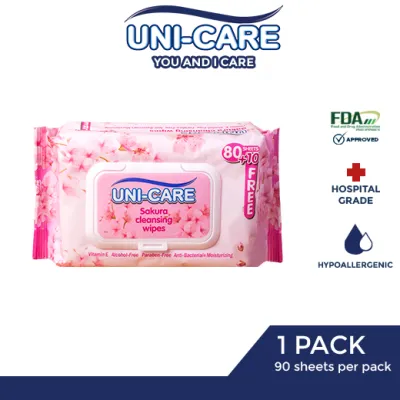
![[Bundle of 6] Baby Wipes Sakura Scent 6 x 100 sheets](https://img.lazcdn.com/g/p/3185f92118525fd25fa6156df453db0f.png_400x400q80.png_.webp)
![[Bundle of 3] Baby Wipes Sakura Scent 3 x 100 sheets](https://img.lazcdn.com/g/p/829e048fd3284e973367f83adcc5a54d.png_400x400q80.png_.webp)
![[Bundle of 5] Mini Baby Wipes Sakura Scent 32 sheets](https://img.lazcdn.com/g/p/dd7e70233f3aef981fd1206573660320.png_400x400q80.png_.webp)
Prices are valid at publication and may change. Please refer to the product page for the latest price.
What to Look for When Comparing Sensitive Skin Wipes
Evaluating wet wipes for sensitive skin requires looking past front-label marketing claims like “gentle” or “natural.” To protect delicate skin barriers, consumers must analyze the actual formulation, material structure, and manufacturing standards of each product.
Ingredient Transparency
The first step in comparing any wet wipe brand is to examine the ingredient list on the back of the packaging. For sensitive skin, the ideal formulation contains as few ingredients as possible. Avoid products containing denatured alcohol, which strips natural lipids and causes severe drying, especially in tropical weather. Parabens (such as methylparaben or propylparaben) and phenoxyethanol are preservatives that can trigger contact dermatitis in highly sensitive individuals or newborns. Additionally, synthetic fragrances are among the most common skin irritants; fragrance-free options are always preferable for reactive skin.
In the hot and humid climate of the Philippines, sweat and heat can open pores and make the skin more susceptible to irritation. Consequently, any harsh chemical residue left behind by a wipe is more likely to cause chafing or prickly heat (bungang-araw). Checking for ingredient transparency ensures you know exactly what is coming into contact with the skin barrier.
Moisture Level and Solution Type
Wet wipes generally fall into two categories based on their liquid solution: water-based and lotion-based. Water-based wipes typically consist of 99% purified water combined with mild food-grade preservatives and pH adjusters. They clean the skin thoroughly without leaving a heavy residue, making them ideal for quick refreshes and diaper changes in hot weather.
Lotion-based wipes incorporate emollients like mineral oil, glycerin, aloe vera, or chamomile extracts. While these ingredients provide extra slip and help soothe dry skin, they can sometimes leave a greasy film. In high-humidity environments, heavy lotion residues can trap sweat and sebum, potentially clogging pores or exacerbating heat rashes on babies and adults alike.
Material and Texture
The physical characteristics of the wipe material play a significant role in skin health. Non-woven fabrics are standard, but their thickness (measured in grams per square meter, or GSM) and weaving patterns vary. Thicker wipes are less likely to tear during use, meaning you need fewer sheets per cleanup, which directly reduces physical friction on the skin.
Embossed textures feature raised patterns that easily lift dirt and stool with minimal swiping. However, if the fabric is too rough, these raised patterns can scrape sensitive or inflamed skin. For highly reactive or broken skin, a smooth, high-GSM non-woven fabric is often gentler because it minimizes mechanical irritation during wiping.
Certifications and Testing
Labels such as “dermatologist-tested,” “hypoallergenic,” and “pH-balanced” are frequently used to attract buyers. However, these terms are not always heavily regulated, and standards can vary between manufacturers. To ensure safety, look for brands that provide clear certification details or are open about their clinical testing processes.
Consumers should verify these claims by visiting the brand’s official website or contacting their customer service channels. Reliable brands often share independent laboratory test results or certifications from recognized dermatological associations, giving you peace of mind before applying the product to sensitive areas.
How to Evaluate Sakura Wet Wipes for Your Skin
To determine if sakura wet wipes are suitable for your specific skin needs, you must look closely at their product variants, ingredient composition, and tactile performance.

Variant Differences
Sakura offers several wet wipe variants in the Philippine market, ranging from pure water formulations to scented options and antibacterial wipes. When shopping, it is crucial not to treat all variants under the brand name as identical. Scented and antibacterial versions are generally formulated for general hand cleaning or surface wiping and are highly likely to irritate sensitive skin or diaper areas.
For sensitive skin care, always seek out the specific variant explicitly labeled as fragrance-free, alcohol-free, or formulated for sensitive skin. These variants are designed to minimize the risk of allergic reactions and are typically much gentler on compromised skin barriers.
Ingredient List Navigation
When inspecting a pack of Sakura wipes, locate the ingredients list on the packaging. Ingredients are listed in descending order of concentration. In a sensitive-skin variant, water (aqua) should be the primary ingredient, followed by mild conditioning agents and safe preservatives.
Be mindful of botanical extracts such as aloe barbadensis leaf extract or chamomile. While these are often marketed as soothing, natural ingredients can still trigger contact allergies in specific individuals. If you or your child has a known allergy to certain plants, verify that these extracts are not present in the formulation before purchase.
Scent and Feel Assessment
Before committing to full-body or facial use, perform a sensory check on a single wipe. A high-quality sensitive wipe should have no discernible chemical or floral scent. Squeeze the wipe gently; it should feel adequately moist but not dripping wet or soapy.
If the wipe produces a noticeable foam when squeezed or leaves a sticky, tacky residue on your hands after use, it may contain a higher concentration of surfactants (cleansing agents). In a tropical climate, sticky residues can attract airborne dust and sweat, leading to discomfort and skin irritation over the course of the day.
Sakura vs. Popular Alternatives: A Feature Comparison
To help you understand where Sakura fits in the wider market, we can compare its general characteristics against three other common wipe categories available in the Philippines.
Sakura vs. 99% Water Wipes
Pure 99% water wipes focus on a minimalist formulation philosophy. They contain almost entirely purified water with a bare minimum of stabilizers to prevent microbial growth. This makes them exceptionally safe for newborns and individuals with severe skin allergies, as there are virtually no extra additives to trigger a reaction.
In contrast, Sakura’s sensitive variants often strike a balance between pure hydration and mild skin conditioning. They may include light soothing extracts or gentle emollients. While beneficial for general skin conditioning in older babies and adults, these extra ingredients represent additional variables that could potentially trigger ultra-sensitive skin.
Sakura vs. Lotion-Infused Wipes
Lotion-infused wipes are designed to leave a protective moisture barrier on the skin, which can be highly beneficial for preventing friction-induced diaper rash or soothing extremely dry skin. However, in the warm Philippine climate, these heavy formulations can feel greasy and uncomfortable.
Sakura wipes generally offer a lighter, water-biased feel. They cleanse effectively without leaving a heavy, oily layer behind, making them a more refreshing option for daily use in hot weather, especially when multiple cleanups are required throughout the day.
Sakura vs. Budget/Store Brands
Generic budget or store-brand wipes are highly economical but often compromise on packaging quality and ingredient safety. Flimsy adhesive pull-tabs on budget packs frequently lose their stickiness in humid weather, causing the wipes to dry out quickly and potentially allowing bacteria to enter the package.
Sakura typically provides better packaging integrity, often featuring a sturdy plastic lid seal that preserves moisture and maintains hygiene. Furthermore, budget brands are more likely to use cheaper, harsher preservative systems that can easily irritate sensitive skin, whereas Sakura’s sensitive lines are formulated with greater care.
Comparison Matrix
| Wipe Category | Primary Formulation Philosophy | Texture Type | Fragrance Options | Best Suited For |
|---|---|---|---|---|
| Sakura Wet Wipes (Sensitive) | Water-based with mild soothing extracts | Soft embossed or smooth non-woven | Fragrance-free variants available | Daily general cleansing for normal to mildly sensitive skin |
| 99% Pure Water Wipes | Minimalist (purified water + basic stabilizers) | Smooth, lightweight non-woven | Strictly fragrance-free | Newborns, ultra-reactive skin, and facial wiping |
| Lotion-Infused Wipes | Water-based with added emollients (oils, glycerin) | Thick, plush embossed fabric | Often scented; some unscented options | Dry skin, heavy diaper cleanups requiring friction reduction |
| Generic Budget Brands | High water content with standard preservatives | Thin, stretchable non-woven | Frequently heavily scented | Quick cleanups, non-sensitive skin, or surface wiping |
Decision Guide: Which Wipe Brand Fits Your Needs?
To make the final choice, evaluate your skin profile or your baby’s current developmental stage against these conditional recommendations.
- Choose Sakura if: You are looking for a reliable, cost-effective daily wipe for normal to mildly sensitive skin, prefer a light and refreshing clean without a greasy residue, and have verified that the specific variant is fragrance-free and free of your personal skin allergens.
- Choose 99% Water Wipes if: You are caring for a newborn under one month old, or you are managing highly reactive skin, eczema, or severe contact dermatitis where any added botanical extracts or standard preservatives could trigger a flare-up.
- Choose Lotion-Infused Wipes if: Your primary concern is extreme skin dryness, peeling, or severe friction chafing, and you require a protective barrier film left on the skin to prevent diaper rash during long periods between changes.
- Verify First if: You or your child has a diagnosed skin condition, open wounds, or active skin infections. In these cases, avoid using any wet wipes on the affected area and consult a pediatrician or dermatologist for professional guidance.
Safe Usage and Storage in a Humid Tropical Climate
Using the right wipe is only half the battle; proper storage and application are crucial to preventing skin irritation and ensuring product safety in the Philippines.
Preventing Contamination
The warm, humid climate of the Philippines is an ideal breeding ground for bacteria, mold, and fungi. Once a pack of wet wipes is opened, it is exposed to airborne contaminants. Always ensure the plastic lid or adhesive seal is pressed down firmly after extracting a wipe.
Never store wet wipe packages in direct sunlight, such as inside a hot car or near a window. High temperatures can degrade the preservative system inside the wipes, rendering them ineffective at preventing microbial growth and potentially leading to skin infections upon use.
Patch Testing Protocol
Before introducing any new wet wipe brand to a baby’s diaper area or using it on adult facial skin, perform a simple patch test to check for compatibility.
- Take a single wipe from the new pack.
- Gently swipe it across a small, clean area of the inner forearm.
- Allow the liquid solution to dry naturally on the skin.
- Monitor the area closely for 24 hours.
- If you observe any redness, itching, swelling, or tiny bumps, discontinue use immediately and wash the area with clean water.
Expiration and Drying Out
Always check the manufacturing and expiration dates printed on the back of the packaging before purchase. Wet wipes have a limited shelf life, and their preservative systems degrade over time.
If you open a pack and notice a sour, musty, or chemical odor, or if the wipes appear discolored or dry along the edges, discard the entire package immediately. Using compromised or dried-out wipes can introduce harmful bacteria to the skin and cause mechanical friction damage.
Frequently Asked Questions (FAQ)
How do I perform a patch test for a new wet wipe?
To perform a patch test, take a fresh wipe from the package and gently swipe it over a small, clean patch of skin on the inner forearm. Allow the liquid to dry completely without washing it off. Monitor the tested area for 24 hours, looking for any signs of redness, itching, swelling, or irritation. If any adverse reaction occurs, stop using the product immediately. If the skin remains clear, the wipe is generally safe for wider use.
Are antibacterial wipes safe for sensitive skin?
No, antibacterial wipes are generally not safe for routine use on sensitive skin or delicate diaper areas. They are formulated with active sanitizing agents, such as alcohol or benzalkonium chloride, which are designed to kill germs on surfaces or hands. These ingredients can severely strip the skin’s natural moisture barrier, leading to dryness, burning, and contact dermatitis. Reserve antibacterial wipes for hand hygiene or surface cleaning when soap and water are unavailable.
Can I use baby wipes for adult sensitive facial skin?
While baby wipes are formulated to be gentle, they are designed for the skin on a baby’s body, which has different pore structures and sebum production levels compared to adult facial skin. Some baby wipes contain ingredients or emollients that can be comedogenic, meaning they may clog adult facial pores and trigger acne outbreaks. If you have sensitive facial skin, it is best to use wipes specifically formulated and tested for facial cosmetic use, or stick to a gentle liquid cleanser and water.

Community discussion
Share your experience or ask a question. Comments are reviewed before publication.