
Transitioning your child from a crib to their very first big kid bed is a significant milestone that brings both excitement and a new set of safety considerations. As toddlers become more active and independent, the risk of nighttime falls or accidental entrapment increases, making protective barriers a top priority for parents. A toddler bed equipped with fence rails offers a practical solution to keep your little one secure while they sleep, but not all rail designs are created equal. Choosing the right bed requires a close examination of physical dimensions, structural integrity, and material safety to ensure the sleeping environment remains completely secure.
In tropical climates like the Philippines, where high humidity and temperature fluctuations can affect furniture materials over time, selecting a durable and well-constructed bed is especially important. Parents must look beyond aesthetic appeal and focus on verifiable safety features, checking everything from the physical spacing of the slats to the non-toxic nature of the finishes. By understanding what specific design elements prevent injuries, you can confidently select a bed that supports your child’s growth while giving you peace of mind throughout the night.
How to Check Rail Height and Gap Spacing
The primary function of a toddler bed fence is to prevent your child from rolling out of bed during the night, which requires a careful evaluation of the rail’s height. When reviewing product specifications, always check the manufacturer’s recommended mattress thickness in relation to the total height of the fence. A mattress that is too thick will significantly reduce the effective height of the barrier, making it easier for an active sleeper to roll over the top. To maintain an effective protective barrier, the top of the rail should remain positioned well above the surface of the mattress, creating a secure boundary that prevents accidental falls.
Products mentioned in this guide
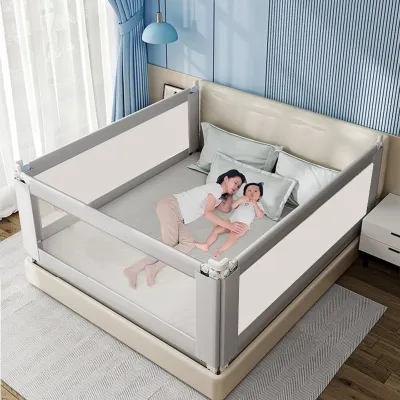
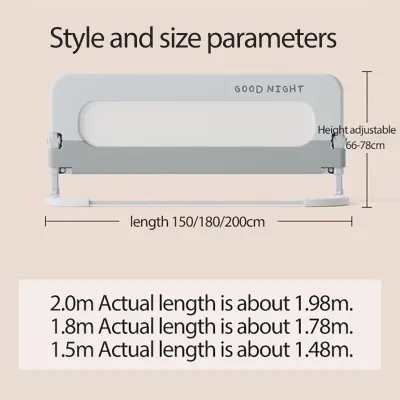
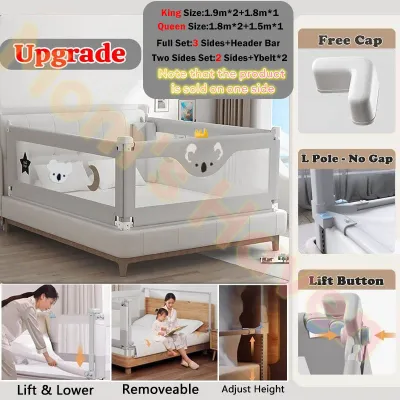
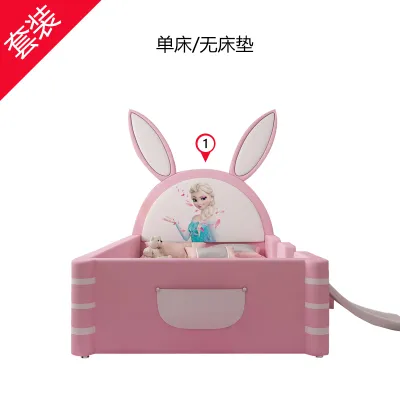
Prices are valid at publication and may change. Please refer to the product page for the latest price.
Equally critical is the spacing between the individual slats or spindles of the fence. Gaps that are too wide present a severe risk of head or torso entrapment, while gaps that are too narrow can trap small fingers, hands, or limbs. When browsing options on an online marketplace or in a local showroom, look for the manufacturer’s precise measurements regarding slat spacing. Standard safety guidelines generally recommend that the distance between slats should not allow a small object, such as a standard soda can or a child’s fist, to pass through easily. Verifying these dimensions in the product manual or specification sheet is a vital step before making a purchase.
Additionally, you must consider the layout and coverage of the fence rails along the sides of the bed. Some models feature full-length fences that enclose the entire sleeping area, while others utilize partial rails that leave a designated opening for entry and exit. If you choose a model with a partial rail, ensure that the exit gap is wide enough for your toddler to climb in and out safely without getting wedged, yet positioned in a way that still protects the upper half of their body where they are most likely to roll. Evaluating how your child moves during sleep will help you decide whether a full-length barrier or a partial rail with a safe exit clearance is more appropriate for their sleeping habits.
Assessing Structural Stability and Material Strength
A toddler bed must be robust enough to withstand not only quiet sleep but also the active movements of a growing child who may climb, lean, or sit against the protective rails. Before purchasing, always locate the manufacturer’s specified maximum weight capacity and age recommendations, which are typically printed on the product packaging, instruction manual, or official online listing. These limits are calculated based on structural testing and must be strictly adhered to, as exceeding them can compromise the integrity of the frame and lead to sudden structural failure.

The strength of a bed’s fence is only as reliable as the hardware connecting it to the main frame. Inspect the joint connections and locking mechanisms to ensure they are designed for heavy-use stability. Fences that wobble or flex when gentle pressure is applied indicate weak joints or inadequate fastening systems, which can loosen further over time. Look for beds that utilize heavy-duty metal-on-metal bolting systems rather than simple wood screws, as metal threads provide a much tighter, more permanent hold that resists loosening even with continuous movement.
Material quality plays a decisive role in the long-term durability of the bed frame, particularly in humid environments. In the Philippines, persistent moisture in the air can cause low-quality engineered woods or poorly treated timbers to warp, swell, or degrade, which directly compromises the stability of the joints. Opting for solid hardwoods or high-grade, rust-resistant metals ensures that the bed remains sturdy and wobble-free throughout its lifespan. When evaluating product descriptions, look for details regarding kiln-dried wood or moisture-resistant coatings, which help preserve the structural integrity of the furniture against tropical weather conditions.
While budget-friendly options under ₱5,000 are widely available on online marketplaces, prioritizing structural integrity over the lowest price is essential for your child’s safety. Investing in a bed with robust materials and secure joint connections prevents the frame from weakening prematurely, ensuring the protective fence remains fully functional throughout your child’s toddler years.
Verifying Mattress Fit to Prevent Entrapment
A secure fence rail is only effective if the mattress fits perfectly within the bed frame, leaving no dangerous voids where a child could slip and become trapped. When setting up the bed, perform a manual clearance check—often referred to as the two-finger rule—by attempting to slide your fingers between the edge of the mattress and the inner side of the fence rails. If you can easily fit more than two fingers into the gap, the mattress is too small for the frame, creating a high risk of limb or body entrapment. The mattress must fit snugly against all four sides of the bed frame to eliminate these hazardous spaces.
Using a mismatched mattress is one of the most common safety oversights when transitioning a child to a toddler bed. Avoid reusing an old crib mattress unless its dimensions perfectly match the specifications provided by the toddler bed manufacturer. A mattress that is too thin may slide around easily, creating shifting gaps, while a mattress that is too thick can elevate your child too close to the top of the rail, rendering the fence ineffective. Always cross-reference the exact length, width, and depth requirements listed in the bed’s instruction manual before selecting a mattress.
The underlying mattress support system also requires close inspection to ensure long-term safety. A weak support system, such as thin or widely spaced wooden slats, can sag under your child’s weight over time, causing the mattress to tilt or sink at the edges. This sagging creates new, unforeseen gaps between the mattress and the bottom of the fence rails. Ensure the bed features a robust slat system with minimal spacing between each slat, or a solid support board that distributes weight evenly and keeps the mattress flat, firm, and securely positioned against the protective barriers.
Inspecting Hardware, Edges, and Surface Finishes
The physical details of a toddler bed’s construction can make the difference between a safe night’s sleep and an accidental injury. Carefully examine the hardware used to assemble the bed and secure the fence rails. All bolts, screws, and brackets should be recessed, flush with the wood, or covered with secure caps so they do not snag clothing or scratch your child’s skin. Furthermore, ensure that all assembly hardware is tamper-resistant or positioned in a way that curious toddlers cannot easily reach or loosen with their fingers, preventing choking hazards from loose parts.
A thorough visual and tactile inspection of all wooden or metal surfaces is essential before allowing your child to use the bed. Run your hands along the top of the fence rails, the edges of the slats, and the corners of the headboard and footboard to check for any rough spots, sharp edges, or splinters. Children often hold onto the rails as they stand up or move around, meaning every surface must be sanded perfectly smooth. Rounded corners and beveled edges are highly preferable, as they minimize the impact force if a child accidentally bumps into the frame while playing or sleeping.
Because toddlers frequently explore their environment with their mouths—especially during teething phases—the chemical safety of the surface finishes is just as important as physical smoothness. Verify that all paints, stains, varnishes, or sealants used on the bed are explicitly labeled as non-toxic, lead-free, and safe for children’s furniture. Manufacturers committed to safety will clearly state these compliance details in their product documentation. Avoid buying unbranded or cheaply finished furniture that lacks clear declarations regarding chemical safety, as these products may emit harmful volatile organic compounds (VOCs) or contain hazardous heavy metals.
Navigating Safety Certifications and Manufacturer Warnings
When shopping for nursery furniture, relying solely on product descriptions is rarely enough; verifying independent safety certifications provides an extra layer of assurance. Look for recognized safety certification logos on the product packaging, the instruction manual, or the manufacturer’s official website. These marks indicate that the bed design has undergone rigorous testing for structural stability, material safety, and entrapment prevention. If you are purchasing an imported bed, research the specific safety standards of the country of origin to ensure they align with robust international safety protocols.
Before assembling and using the bed, take the time to read the manufacturer’s instruction manual and warning labels in their entirety. These documents contain critical safety boundaries, including age limits, maximum weight capacities, and specific instructions on how to position the bed within a room. For instance, many manufacturers warn against placing a bed with partial rails directly against a wall, as this can create a dangerous entrapment zone on the unraveled side. Adhering strictly to these placement and usage guidelines is essential to maintaining a safe sleeping environment.
Finally, make it a habit to check for active product recalls or safety alerts before finalizing your purchase or assembling a secondhand bed. Consumer protection agencies and product safety commissions regularly publish updates regarding furniture models that have been found to pose safety risks after entering the market. A quick search of the brand and model name on official consumer safety databases can prevent you from unknowingly bringing a recalled or hazardous item into your home, ensuring your child’s new sleeping space is as secure as possible.
Frequently Asked Questions (FAQ)
When should I transition my child from a crib to a toddler bed with a fence?
The transition from a crib to a toddler bed is typically driven by your child’s physical development and behavior rather than a strict age limit. You should check your child’s height and weight against the maximum limits specified by your crib’s manufacturer; once they approach these limits, or if they begin attempting to climb out of the crib, it is time to transition. Pediatric guidelines generally suggest making the move when the child shows signs of climbing or when the crib rail is no longer at a safe height relative to their chest, ensuring they do not fall from a height while trying to escape.
Are mesh bed rails safer than solid wood or metal fences?
Both mesh bed rails and solid wood or metal fences have distinct safety profiles, and the right choice depends on your specific setup and needs. Mesh rails offer a softer surface that cushions impacts if your child rolls against them, and they are highly breathable, which is beneficial in hot, humid climates. However, mesh rails must be checked regularly to ensure the fabric does not tear or pull away from the frame, which can create a dangerous suffocation or entrapment pocket. Solid wood or metal fences provide superior structural rigidity and durability, but they require careful checking of slat spacing and mattress fit to eliminate entrapment risks and may require additional padding if your child is an exceptionally active sleeper.
Community discussion
Share your experience or ask a question. Comments are reviewed before publication.