
When managing a busy household, a pacifier holder clip for baby is an incredibly convenient accessory. It keeps your little one’s favorite pacifier from falling onto dusty floors, getting lost under furniture, or picking up household germs. However, because this accessory is attached directly to your baby’s clothing and sits close to their face, neck, and mouth, it carries hidden risks if it is not designed with strict safety features. Choosing the wrong clip can lead to serious hazards, including strangulation, choking, and exposure to toxic chemical compounds.
To ensure your baby remains safe while using a pacifier holder clip, you must look beyond cute patterns, pastel colors, and aesthetic designs. A high-quality clip must meet rigorous safety standards, featuring a restricted strap length, a robust and non-detachable clip mechanism, certified non-toxic materials, and built-in ventilation holes for any large decorative elements. By verifying these physical and chemical safety specifications on the product packaging before you purchase, you can confidently protect your infant from preventable accidents.
Quick Safety Checklist: What to Look For in a Pacifier Holder Clip for Baby
Before purchasing any pacifier holder clip for baby, parents should perform a quick, systematic check of the product’s physical design and packaging labels. Never rely solely on beautiful online marketing photos or unverified product descriptions on ecommerce platforms, as these often omit crucial safety specifications. Instead, look for physical proof of compliance with global safety standards directly on the product’s official packaging or manufacturer documentation.
Products mentioned in this guide
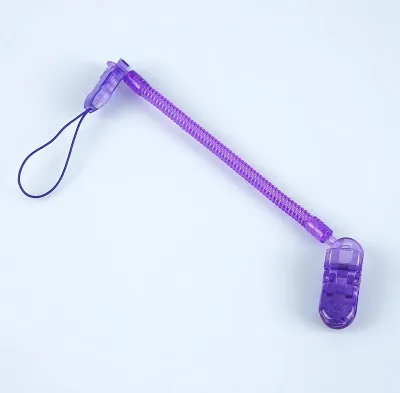
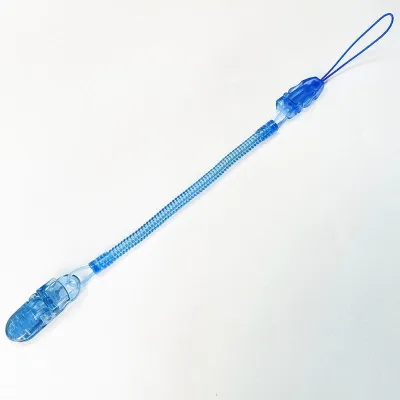
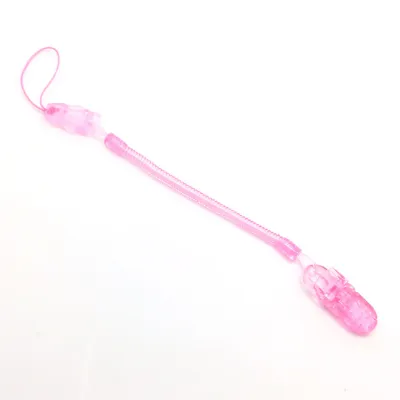
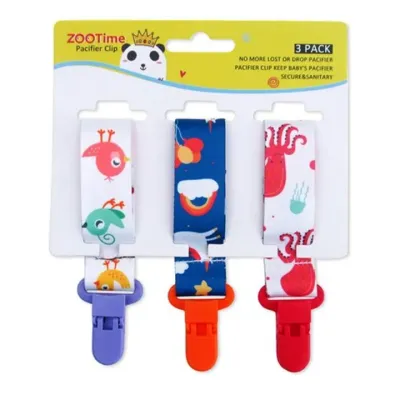
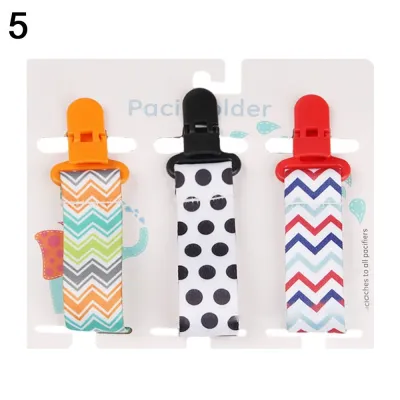
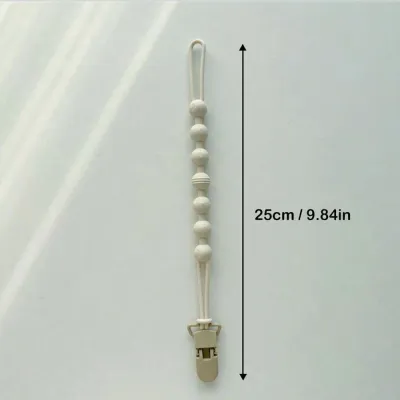
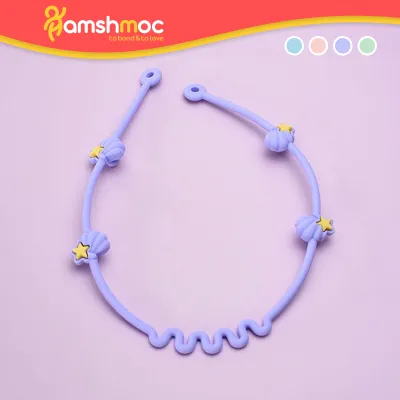
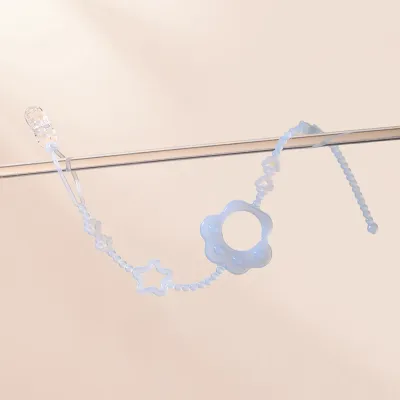
Prices are valid at publication and may change. Please refer to the product page for the latest price.
Here is a quick, non-negotiable safety checklist to guide your purchase:
- Strap Length Limits: The entire length of the strap, including the loop, must not exceed 220 mm (approximately 22 cm) when fully extended to prevent any risk of wrapping around your baby's neck.
- Secure Clip Mechanism: The clip must feature a strong, tension-tested locking mechanism with rounded edges and a protective plastic or silicone inner grip that prevents it from slipping off clothing or breaking into small parts.
- Verified Non-Toxic Materials: Look for explicit, certified labels indicating that the product is 100% free from BPA, PVC, lead, phthalates, and heavy metals, especially if it features silicone or wooden beads.
- Ventilation Holes: Any large decorative shields, beads, or plates must have built-in ventilation holes to ensure your baby can still breathe if the component is accidentally pulled into their mouth.
Strap Length and Strangulation Prevention
The most critical safety dimension of any pacifier holder clip for baby is the physical length of its strap. While a longer strap might seem more convenient because it allows your baby to move their head more freely, it introduces a severe risk of strangulation and entanglement. If a strap is long enough to form a loop around an infant’s delicate neck, even a minor movement can turn a helpful accessory into a life-threatening hazard.

To eliminate this risk, international safety standards—such as the European standard EN 12586 and the American ASTM F963 standard—strictly limit the maximum length of a pacifier strap. The consensus across these regulatory frameworks is that the strap must not exceed 220 mm (22 centimeters) from the end of the clip to the beginning of the pacifier attachment loop. When shopping for a clip, always check the manufacturer’s technical specifications to verify that the product complies with this exact measurement.
Furthermore, you must completely avoid any pacifier clips made with elastic bands, stretchy ribbons, or bungee-style cords. While these materials might look soft, they can easily stretch under tension when your baby pulls on the pacifier. A strap that measures a safe 20 cm at rest can easily stretch to 30 cm or more under tension, instantly violating safety limits and creating a dangerous loop. Stick to rigid, non-stretch materials like high-density polyester webbing, tightly woven cotton, or short, solid silicone bands that maintain their exact length under pressure.
When measuring the strap, ensure you evaluate the entire assembly from the base of the metal or plastic clip to the very tip of the loop that connects to the pacifier. Some designs feature long, adjustable cords or excessive looping mechanisms at the attachment point. These loops themselves can trap tiny fingers or wrap around small limbs, so look for streamlined, short attachment loops that keep the pacifier snugly secured near the end of the strap without creating extra slack.
Clip Security and Choking Hazard Prevention
A pacifier clip must be strong enough to withstand constant tugging from a curious infant, yet gentle enough not to damage clothing or scratch delicate skin. If a clip is poorly constructed, it can easily break apart under tension, releasing small springs, pins, or decorative pieces that pose an immediate choking hazard.
Clip Strength and Grip
When evaluating the clip mechanism, look for designs that feature a secure, child-proof locking system. High-quality clips often utilize a lever-activated plastic clasp or a heavy-duty metal clasp with a built-in plastic or silicone inner grip. This inner grip serves a dual purpose: it provides a tight, non-slip hold on your baby’s clothing so they cannot pull it off, and it prevents the sharp teeth of a metal clip from tearing or wearing down the fabric of your baby’s garments.
Avoid cheap, flimsy plastic clips that rely on thin plastic hinges, as these can easily snap or shatter if your baby accidentally rolls over them or drops a heavy toy on them. Similarly, steer clear of metal clips with weak, exposed springs that can easily pop out of their housing. Any loose spring or metal pin is a high-risk choking hazard that can be swallowed in an instant. Additionally, run your fingers along the edges of the clip to ensure there are no sharp corners, burrs, or rough seams that could scratch your baby’s hands or face during active play.
Detachable Parts and Assembly
Many modern pacifier clips feature decorative designs, such as colorful silicone beads, wooden rings, or cute plastic animals strung along the cord. While these designs are visually appealing and can double as sensory toys, they present a major safety risk if they are not assembled securely. If a single bead or charm detaches, it can easily block a baby’s airway.
To prevent this, look for products that have undergone rigorous tension testing, often referred to as a “pull-test.” A safety-compliant pacifier holder clip for baby is designed so that all beads and components are secured with heavy-duty, reinforced knots, or molded directly onto a single solid piece of food-grade silicone. Avoid any clips that feature glued-on decorations, small rhinestones, or delicate wooden charms that are held together by thin, single-ply threads. If you can easily twist or slide the beads with moderate finger pressure, the assembly is not secure enough for an infant.
Inspect the connection points where the fabric or silicone strap meets the clip and the pacifier loop. These areas bear the most physical stress when your baby pulls on the pacifier. Look for reinforced, double-stitched sewing patterns on fabric straps, or thick, seamless molding on silicone options. Any loose threads, fraying edges, or weak plastic joints are clear indicators that the product will not withstand daily wear and tear and should be avoided.
Material Safety, Certifications, and Ventilation
Because babies naturally explore their world by putting objects into their mouths, you must assume that your baby will eventually chew on their pacifier holder clip. Therefore, every single material used in the construction of the clip—from the strap to the beads and the clasp itself—must be completely non-toxic and safe for oral contact.
Verifying Non-Toxic Certifications
When browsing for a pacifier holder clip for baby, always inspect the product packaging for certified chemical safety labels. The most critical certifications to look for are “BPA-free,” “PVC-free,” “phthalate-free,” and “lead-free.” Bisphenol A (BPA) and phthalates are synthetic chemicals commonly used to harden plastics or make vinyl flexible, but they are known endocrine disruptors that can interfere with your baby’s hormonal development.
Do not rely on generic, unverified claims like “100% safe” or “natural” on online listings. Instead, look for official certification symbols or compliance statements on the physical packaging, such as conformity marks from recognized international testing bodies. If you prefer wooden clips or wooden beads, ensure the manufacturer explicitly states that the wood is untreated, organic, or finished exclusively with food-grade, non-toxic water-based sealants or natural beeswax. Unfinished or poorly treated wood can absorb moisture from saliva, leading to bacterial growth or splintering in the humid Philippine climate.
Shield and Ventilation Holes
Some pacifier holder clips feature large, flat decorative shields or oversized plastic plates near the clip end or along the strap. While these shields can prevent the clip from being swallowed, they introduce a different hazard: suction and airway obstruction. If a large, solid, unventilated plastic shield is pulled over your baby’s nose and mouth, it can create a seal that blocks their breathing.
To prevent this suction hazard, any large flat surface or decorative shield on a pacifier holder must feature adequate ventilation holes. These holes—typically at least two or three distinct openings of a specific diameter—ensure that if the shield is accidentally pressed against your baby’s face, air can still flow freely through the openings. Avoid any holders that feature heavy, bulky, or solid decorative charms (such as large solid plastic animals or thick wooden blocks) that lack these safety ventilation pathways. Additionally, heavy charms can weigh down the pacifier, causing it to fall out of your baby’s mouth constantly.
Daily Usage Rules and When to Throw It Away
Even the safest, most certified pacifier holder clip for baby can become dangerous if it is used incorrectly. Establishing strict daily usage rules and a regular inspection routine is essential to keeping your baby safe.
Usage Boundaries First and foremost, a pacifier clip must only ever be attached to your baby’s fitted clothing, such as the collar of their onesie, shirt, or romper. Never attach a pacifier clip to loose blankets, swaddles, bibs, crib rails, car seat straps, or stroller hoods. If the baby rolls over or shifts position, attaching the clip to these external, loose items can easily cause the strap to pull tight against the baby’s neck, creating an immediate strangulation hazard.
Sleep Rule Never allow your baby to use a pacifier holder clip while they are sleeping, napping, or left unattended. When it is time for bed, always detach the clip completely and remove it from the sleep environment. A sleeping baby moves unpredictably, and a clip attached to their pajamas can easily become caught on their bedding or wrap around their neck without your knowledge. For safe sleep, use a standalone pacifier without any attached clips, straps, or soft toys.
Inspection Routine In the warm, humid climate of the Philippines, baby accessories are exposed to high humidity and sweat, which can accelerate the wear and tear of materials. Make it a habit to inspect your baby’s pacifier clip every single day before clipping it onto their clothes. Check fabric straps for any signs of fraying, loose threads, or mold spots. For wooden components, inspect for cracks, splinters, or rough patches. For silicone beads, pull on the strap to ensure no beads are loose or sliding out of place. If the clip is made of metal, check carefully for any signs of rust or corrosion caused by humidity and baby drool.
Retirement Conditions You must discard the pacifier holder clip immediately if you notice any of the following warning signs:
- Fraying, thinning, or tearing of the fabric or silicone strap.
- Any loose threads or unravelling knots near the connection points.
- A reduction in the clip's grip strength, or a clasp that easily pops open when pulled gently.
- Cracked, chipped, or split wooden or plastic beads.
- Any signs of rust or metal discoloration on the clasp.
Do not attempt to repair a broken or worn-out pacifier clip with glue, tape, or home stitching, as these makeshift repairs are highly unstable and can easily fail, putting your baby at risk.
Frequently Asked Questions (FAQ)
Can I make my own DIY pacifier clip safely?
It is highly recommended that you avoid making or using DIY pacifier holder clips for your baby. While homemade clips crafted from beautiful ribbons, beads, and craft store clasps are popular on social media, they rarely meet the strict safety standards required for infant products. In a home environment, it is incredibly difficult to perform standardized tension testing to ensure that beads will not detach under pressure. Furthermore, craft store materials often lack certified chemical testing, meaning they may contain hidden toxins, lead paint, or chemical dyes that are unsafe for your baby to chew on. Investing in a commercially manufactured, safety-certified clip is the only way to guarantee the product has undergone rigorous mechanical and chemical safety testing.
Is it safe to attach a pacifier clip to a baby's car seat or stroller?
No, you should never attach a pacifier holder clip to a baby’s car seat, stroller, high chair, or any other piece of baby gear. Pacifier clips are designed specifically to be attached to a baby’s fitted clothing. When you clip a strap to an external structure like a stroller frame or car seat harness, the distance between the attachment point and your baby’s face can change dramatically as the baby moves or as the vehicle encounters bumps. This shifting distance can cause the strap to pull tightly against your baby’s neck, creating a severe strangulation hazard. Additionally, in the event of a sudden stop or collision, a clip attached to a car seat harness could interfere with the proper function of the safety straps or cause impact injuries to your baby.
Community discussion
Share your experience or ask a question. Comments are reviewed before publication.