
Baby-proofing your home is a progressive journey that shifts as your child transitions from crawling to walking. Among the most critical hazards to address are electrical outlets, which sit perfectly at eye level for an exploring toddler. To protect your child, the best safety cover for electric outlet installations depends entirely on one primary factor: whether the socket is currently in use or left empty.
An empty socket invites curious fingers and small metal objects, while an active socket with a plugged-in appliance presents a different set of risks, including cord-pulling and partial plug exposure. Choosing the wrong type of protection can lead to a false sense of security. For instance, using basic plastic caps on highly visible, frequently used outlets can result in misplaced caps that become immediate choking hazards.
To create a truly secure environment, parents must assess each room’s electrical layout systematically. By matching the specific state of your wall sockets to the correct protective device, you can minimize electrical risks while maintaining a functional home. This guide breaks down the primary categories of outlet covers, helping you choose the most reliable options for both active and idle electrical points in your household.
Products mentioned in this guide
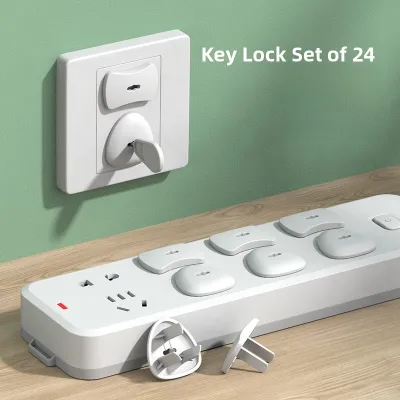
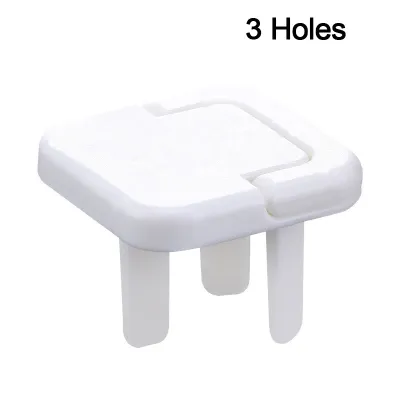
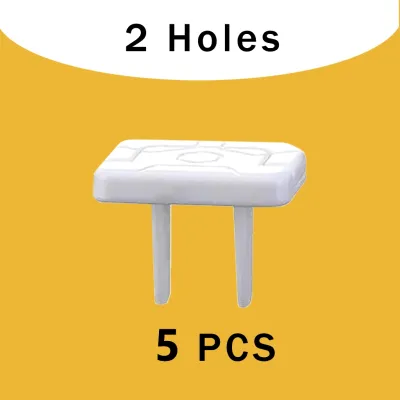
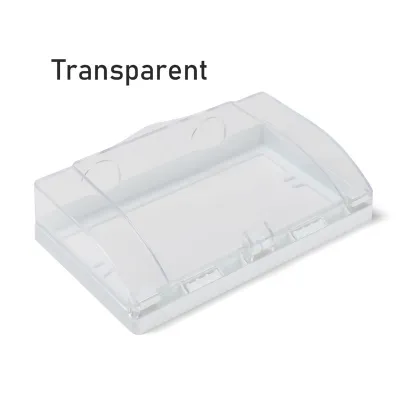
Prices are valid at publication and may change. Please refer to the product page for the latest price.
How to Match Outlet Covers to Your Socket Status
When baby-proofing, many parents make the mistake of buying a single bulk pack of plastic outlet plugs and scattering them across every room. However, a one-size-fits-all approach rarely works because your daily electrical needs vary. An outlet in the hallway may remain empty for months, while the socket in the nursery must continuously power a baby monitor or an air purifier to keep your little one comfortable in the tropical heat.
To simplify your baby-proofing strategy, divide your home’s outlets into two distinct categories: unused (empty) sockets and in-use (plugged-in) sockets. Unused sockets require barriers that completely block access to the internal contacts. In-use sockets require solutions that secure the plug itself, preventing your child from pulling the cord or tampering with the live prongs.
The three main categories of safety covers are plug-in caps, sliding faceplates, and protective outlet boxes. Each serves a specific purpose, and understanding their strengths allows you to allocate your budget effectively. In the Philippines, where electrical standards can vary between older and newer homes, selecting the right physical design is crucial for a secure fit.
The following quick-reference summary maps your socket status to the most appropriate cover type, helping you prioritize your home safety upgrades:
| Socket Status | Recommended Cover Type | Key Benefit | Ideal Home Location | Price Band (Approximate) |
|---|---|---|---|---|
| Unused (Low Traffic) | Plug-In Outlet Caps | Highly affordable, portable, quick to install | Behind heavy cabinets, guest rooms, high wall outlets | ₱50 – ₱150 per pack |
| Unused (High Traffic) | Sliding Outlet Faceplates | Automatic closure, no loose parts, zero choking risk | Living rooms, playrooms, hallways, kitchen counters | ₱200 – ₱500 each |
| In-Use (Active Sockets) | Protective Outlet Boxes | Encloses plug and cord, prevents pulling, protects connections | Nursery, TV consoles, floor outlets, fan sockets | ₱300 – ₱800 each |
As toddlers grow, their exploration style changes. A crawling infant of six to ten months is fascinated by low-lying wall markings and small holes, making empty sockets a primary target. A toddler of twelve to twenty-four months, however, has developed the motor skills to pull on dangling cords or attempt to mimic adults by plugging and unplugging devices. Because of these evolving developmental stages, relying on a single cover type across your entire home is rarely sufficient. You must adapt your safety measures to match both the socket’s status and your child’s physical reach.
Best Options for Unused (Empty) Sockets
Unused sockets are a magnet for curious infants who love to poke fingers, toys, or keys into open slots. Securing these empty receptacles is one of the easiest and most cost-effective baby-proofing steps you can take, provided you select the right mechanism for the location. Let’s evaluate the two primary solutions for sockets that do not currently power any appliances.

Plug-In Outlet Caps
Plug-in outlet caps are the most common safety devices found in local stores. These simple plastic covers feature prongs on the back that insert directly into the socket holes, creating a flat barrier over the electrical contacts.
- Affordability and Accessibility: These caps are incredibly budget-friendly, often sold in large packs for less than ₱100, making them an economical choice for covering dozens of outlets.
- Ease of Installation: They require absolutely no tools or electrical knowledge; you simply push them into place with your hands.
- Portability for Travel: Because they are small and lightweight, they are perfect for packing in a diaper bag when visiting relatives in the provinces or staying in hotels.
- Choking Hazard Risks: The primary drawback of standard plug-in caps is that they can become dangerous choking hazards. If a determined toddler manages to pry a loose cap out of the wall, their natural instinct is to put it in their mouth.
- Parental Inconvenience: Removing these caps can be highly frustrating for adults, often requiring strong fingernails, a flathead screwdriver, or a specialized removal tool, which makes temporary socket use a hassle.
- Best Use Cases: Use plug-in caps primarily for sockets that are physically blocked by heavy furniture, such as wardrobes, heavy sofas, or low bookshelves, where a child cannot easily access or pull them out.
Sliding Outlet Faceplates
Sliding outlet faceplates offer a modern, highly secure alternative to loose plastic caps by replacing your existing wall plate with a spring-loaded shutter system.
- Automatic Closure Mechanism: When you unplug an appliance, the internal shutters instantly slide shut over the contact holes, ensuring the outlet is never left exposed.
- Zero Choking Hazard: Because the sliding mechanism is integrated directly into the wall plate, there are no loose parts for a child to pull off, swallow, or lose.
- Seamless Aesthetics: These faceplates blend beautifully with your home's decor, maintaining a clean, professional look without unsightly plastic plugs sticking out of the walls.
- Continuous Protection: You never have to worry about forgetting to replace a safety cap after vacuuming or charging your phone; the plate protects the socket automatically.
- Installation Requirements: Installing sliding faceplates requires a bit of DIY effort. You must turn off the main circuit breaker, unscrew the old faceplate, and screw the new sliding plate in its place.
- Compatibility Limits: These plates are designed for standard rectangular or duplex outlets and may not fit decorative, curved, or non-standard configurations common in older homes.
- Best Use Cases: Install these in high-traffic, highly visible areas such as the living room, playroom, and hallways where sockets are frequently used and exposed to view.
Best Options for In-Use (Plugged-In) Sockets
Active sockets powering essential household items present a unique challenge. In the humid tropical climate of the Philippines, appliances like standing electric fans, air purifiers, and humidifiers are often running continuously. A child pulling on these cords risks exposing live metal prongs or pulling a heavy appliance down onto themselves, making secure cord management essential.
Protective Outlet Boxes (Cord Concealers)
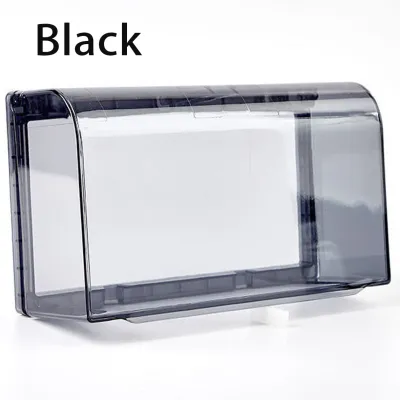
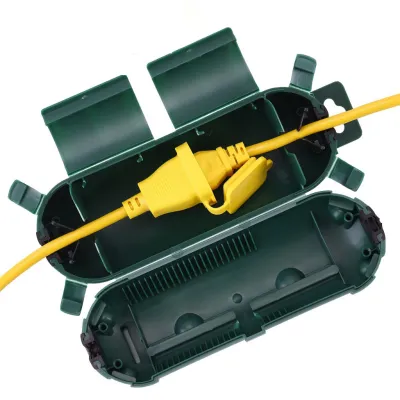
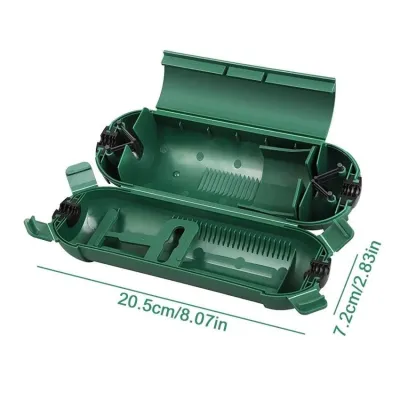
Protective outlet boxes, often called cord concealers, are designed to enclose both the outlet and the inserted plugs inside a secure, child-proof plastic housing.
- Enclosed Box Design: These boxes consist of a base plate that mounts over the outlet and a protective dome cover that snaps securely into place, with a small exit slot at the bottom for cords.
- Tamper Prevention: By locking the plug inside the box, these devices prevent toddlers from pulling the plug out of the wall, eliminating the risk of electrical shock from partially exposed prongs.
- Cord Protection: The sturdy plastic shield protects the cord connection from physical damage, such as being bent by furniture or stepped on by active children.
- Bulky Profile: These boxes protrude several centimeters from the wall, which can make them visually prominent and prevent you from pushing furniture flush against the wall.
- Sizing Considerations: You must carefully measure your plugs before buying, as bulky adapters, smart plugs, or right-angle cords may not fit inside standard-sized box covers.
- Best Use Cases: These are essential for outlets powering 24/7 appliances, such as refrigerators, Wi-Fi routers, or nursery air purifiers, located in areas where your child crawls or plays.
Furniture Anchors and Cord Management
When a bulky protective box is not a viable option—such as when dealing with oversized power bricks or tightly spaced areas—you must rely on physical barriers and strategic cord routing.
- Blocking Physical Access: The most effective way to protect an active outlet is to place a heavy piece of furniture, like a cabinet or chest of drawers, directly in front of it to block your child's reach.
- Securing Excess Cords: Use cord shorteners, cable trunking, or wall-mounted cord concealers to keep loose wires taut and out of reach, preventing toddlers from using them as ropes to pull down appliances.
- Critical Tip-Over Warning: Never simply push a loose piece of furniture in front of an outlet. A curious child may attempt to climb or pull on the furniture to reach the hidden wires, leading to a disastrous tip-over accident.
- Anchor Requirements: Any furniture used as a physical barrier must be securely anchored to the wall studs using heavy-duty furniture straps or metal L-brackets.
- Supervision and Maintenance: Regularly inspect your cord management systems to ensure adhesive backings have not degraded in high humidity, and always supervise your child when they are playing near electrical appliances.
What to Verify Before Purchasing
Before purchasing any safety covers for electric outlet protection, you must perform several compatibility and quality checks. Buying incompatible products can waste money and, more importantly, leave your child exposed to unnecessary hazards.
- Socket Type Compatibility: Philippine homes commonly feature a mix of outlet designs, primarily Type A (two-prong flat, ungrounded), Type B (three-prong grounded), and occasionally Type C (two-prong round). Standard plug-in caps designed for US outlets (Type A/B) will fit most modern Philippine sockets, but older or non-standard outlets may have different hole spacings or depths. Always inspect your wall outlets and match them to the prong configuration of the safety cover before ordering.
- Size and Clearance: If you are opting for protective outlet boxes, measure the depth, width, and height of the plugs you intend to cover. Many local appliances, such as heavy-duty standing fans or multi-port USB chargers, use oversized or awkwardly shaped adapter plugs. Standard safety boxes often fail to close over these bulky adapters, requiring you to search for extra-deep or adjustable box models.
- Material and Durability: The tropical heat and high humidity in the Philippines can cause cheap, low-grade plastics to degrade, become brittle, and crack over time. When browsing online marketplaces or local hardware stores, check the product specifications for durable, high-impact ABS plastic. Look for flame-retardant material ratings on the packaging rather than relying solely on generic marketing terms like "heavy-duty" in the product title.
- Choking Hazard and Release Mechanism: For plug-in caps, safety is paramount. Ensure the caps are large enough that they cannot be swallowed if your child does manage to remove them. Look for advanced designs that feature a dual-prong release mechanism, which requires adult-level grip strength and simultaneous pressure to extract, making it virtually impossible for a toddler's small hands to bypass.
- Caregiver Supervision and Warnings: Remember that no safety device can replace active adult supervision. Manufacturers design these products as deterrents, not absolute guarantees of safety. Inspect your outlet covers weekly for signs of wear, cracks, or loose fits. If you notice a cover is damaged, loose, or easily removed by your child, stop using it immediately and consult a professional electrician or home safety specialist to find a more secure alternative.
Frequently Asked Questions (FAQ)
Are traditional plug-in caps a choking hazard?
Yes, standard small plug-in caps can become severe choking hazards if a child manages to pry them out of the wall. Because toddlers explore their world by putting objects in their mouths, a loose cap left on the floor is highly dangerous. For easily accessible outlets, it is much safer to install sliding faceplates or larger, dual-release plug-in caps that require adult tools or high-dexterity pressure to remove.
Do sliding faceplates work with all socket types?
Sliding faceplates are designed to replace standard, flat duplex or rectangular wall plates. If your home has decorative, curved, or non-standard outlets, standard sliding plates may not align correctly or may prevent the screws from securing properly. Always inspect your current wall plate configuration and consult the manufacturer’s compatibility chart before purchasing.
How do I childproof an outlet with a large adapter plug?
To secure an outlet using a bulky adapter plug, look for specialized extra-large or adjustable protective outlet boxes designed for deep adapters. If a suitable box cannot be found, the best alternative is to block physical access to the outlet entirely by placing a securely anchored piece of furniture in front of it, while routing the cord safely through a protective cable channel.
Community discussion
Share your experience or ask a question. Comments are reviewed before publication.