
Quick Answer: The Safest Fabrics for Newborn Skin
The safest and most gentle fabrics for a milestone blanket for baby are organic cotton, cotton muslin, and bamboo-derived fabrics like bamboo viscose or rayon. These materials provide exceptional breathability, natural softness, and efficient moisture management, which are critical for preventing skin irritation and overheating.
While synthetic fabrics like polyester are popular for their vivid prints and low cost, they trap heat and moisture. For a newborn’s delicate skin, especially during extended contact, natural or semi-synthetic plant-based fibers are highly recommended to ensure comfort and safety during photography sessions.
Why Fabric Choice Matters for Newborns in Humid Climates
A newborn baby’s skin is structurally different from adult skin, possessing a much thinner outer layer (stratum corneum) and an underdeveloped skin barrier. This makes infants highly vulnerable to environmental irritants, friction, and contact dermatitis. When a baby lies down on a rough or chemically treated surface, their skin can react almost immediately with redness, dry patches, or chafing.
Products mentioned in this guide
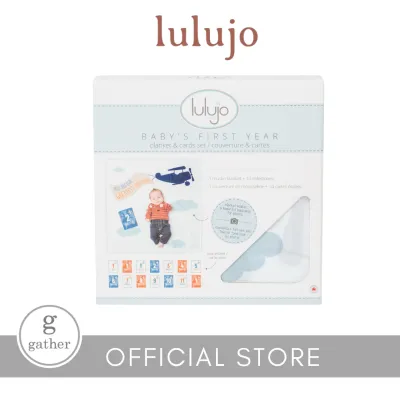
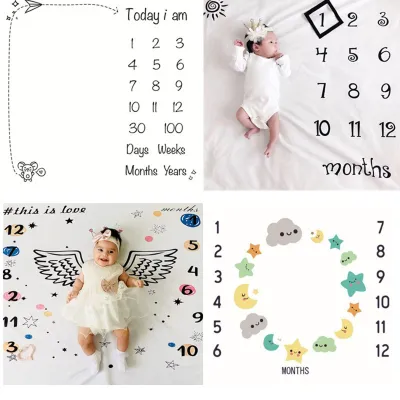


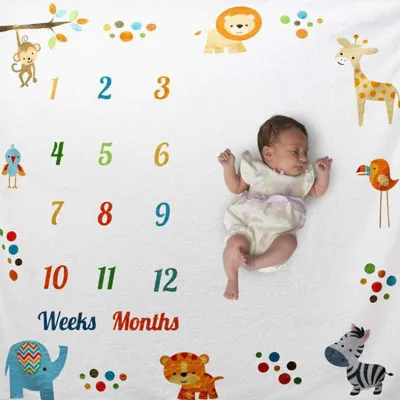
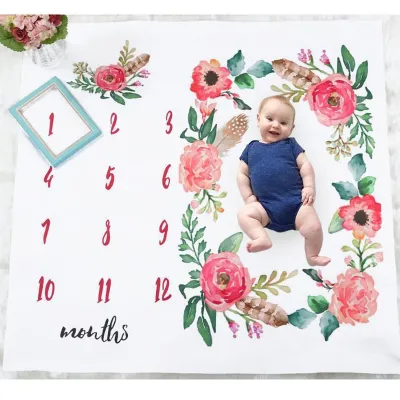
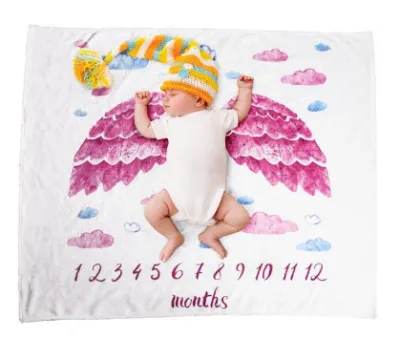
Prices are valid at publication and may change. Please refer to the product page for the latest price.

In tropical and humid climates like the Philippines, temperature regulation is a constant challenge for young infants. Newborns have immature sweat glands, meaning they cannot regulate their body temperature as efficiently as older children or adults. When exposed to high humidity and warm indoor or outdoor temperatures, heat can build up rapidly against their skin.
This trapped heat and sweat frequently lead to miliaria rubra, commonly known in the Philippines as bungang-araw or heat rash. While a milestone blanket for baby is primarily designed as a photography prop rather than daily bedding, the infant still spends significant time lying directly on it. During a photo shoot, the baby may wear only a diaper or a thin onesie, leaving a large surface area of their bare skin in direct contact with the fabric.
Consequently, the thermal and textural properties of the blanket directly impact the baby’s physical comfort and skin health. Choosing a fabric that promotes airflow and wicks away moisture is not merely an aesthetic choice; it is a necessary safety measure to prevent distress, skin flare-ups, and dangerous spikes in body temperature. If your baby develops a persistent rash, high fever, or signs of skin irritation, stop using the blanket immediately and consult a pediatrician.
Top Safe Materials for Milestone Blankets
Selecting the right material requires understanding how different fibers behave when in contact with sensitive skin. The following materials offer the best combination of safety, comfort, and breathability for your little one’s milestone photo sessions.
Organic Cotton
Cotton is a time-tested natural fiber celebrated for its exceptional breathability, softness, and hypoallergenic qualities. It allows air to circulate freely around the baby’s body, helping to keep their skin dry and comfortable. Because cotton fibers are naturally soft and flexible, they minimize the risk of friction-induced irritation when the baby moves or kicks during a photo session.
Opting for organic cotton provides an additional layer of protection for newborn skin. Conventional cotton cultivation and processing often involve synthetic pesticides, herbicides, and harsh chemical dyes that can leave residues on the finished textile. Organic cotton, by contrast, is grown using natural methods and processed without these aggressive chemicals, significantly reducing the likelihood of allergic reactions or chemical sensitivities.
When shopping for an organic milestone blanket for baby, parents should actively verify the manufacturer’s claims rather than relying solely on marketing buzzwords. Look for recognized independent textile certifications, such as the Global Organic Textile Standard (GOTS), which verifies the organic status of the textiles from harvesting through environmentally and socially responsible manufacturing. These certifications are typically listed on the product’s physical tag or the manufacturer’s official documentation.
Bamboo Viscose and Rayon
Bamboo-derived fabrics, including bamboo viscose and bamboo rayon, have gained immense popularity in baby bedding due to their incredibly silky texture and cooling properties. This material feels cool to the touch, making it highly comfortable for a newborn lying down in warm environments. Its smooth surface minimizes friction, which is particularly beneficial for babies prone to eczema or dry skin.
One of the standout features of bamboo viscose is its superior moisture-wicking capability. It can absorb moisture rapidly and pull it away from the baby’s skin, allowing it to evaporate quickly. This rapid evaporation helps maintain a stable, comfortable microclimate next to the infant’s skin, reducing the risk of sweat-induced rashes during a warm indoor photo session.
It is helpful to understand the manufacturing reality of these textiles: while the raw material is natural bamboo pulp, the chemical process used to transform it into soft fibers makes the final product a semi-synthetic rayon or viscose. This process yields a highly safe, soft, and effective fabric, but it does require gentle care. To preserve the structural integrity and silky feel of bamboo fabrics, manufacturers generally recommend washing them on a gentle cycle in cool water and avoiding high-heat drying.
Cotton Muslin
Cotton muslin is a lightweight, plain-weave fabric that is highly regarded for its open, breathable structure. The loose weave allows air to flow through the fabric with ease, making it virtually impossible for heat or moisture to become trapped underneath the baby. This makes muslin one of the safest options for preventing overheating, especially during outdoor photo shoots or in homes without continuous air conditioning.
A unique and highly practical benefit of high-quality cotton muslin is that it actually becomes softer and more pliable with every single wash. As the fibers relax, the fabric molds gently to the baby’s shape, offering a comforting, non-abrasive surface. This progressive softening makes it an excellent long-term investment for a multi-month milestone tracking journey.
Because muslin is naturally thin and lightweight, it is exceptionally easy to fold, transport, and wash. It dries incredibly quickly, which is a significant advantage in humid climates where heavier blankets might take days to line dry completely. For parents planning milestone shoots in tropical settings, a cotton muslin blanket offers the perfect balance of safety, convenience, and comfort.
Materials to Avoid or Use with Caution
While many milestone blankets on the market feature beautiful, complex designs, some are made from materials that can compromise your baby’s comfort and skin health. Knowing which fabrics to avoid or limit can prevent unnecessary skin irritation and distress.
Polyester and Synthetic Blends
Polyester and other synthetic fibers like nylon or acrylic are widely used in the manufacturing of milestone blankets because they are inexpensive, highly durable, and hold dye exceptionally well. This allows manufacturers to print vibrant, detailed milestone graphics that do not fade easily. However, these synthetic materials are essentially plastic-based fibers, meaning they lack the natural breathability of cotton or bamboo.
Because polyester does not allow air to circulate, it traps body heat and sweat directly against the newborn’s skin. In warm or humid conditions, this can quickly trigger severe heat rash, itching, and general fussiness, turning a fun photo session into a highly uncomfortable experience for the baby. If you choose to use a polyester milestone blanket for baby due to a specific design or aesthetic, it is critical to limit its use. Keep the photo session brief, conduct it in a cool, air-conditioned room, and remove the baby from the blanket as soon as the photos are finished.
Heavy Wools and Physical Irritants
Heavy knits, coarse wools, and stiff synthetic felts should be avoided for newborn milestone shoots. While a chunky knit blanket might look cozy in photos, coarse wool fibers can cause micro-abrasions on a newborn’s delicate skin, leading to immediate redness and itching. Additionally, heavy fabrics can quickly cause a baby to overheat, even during a short indoor session.
Parents must also be highly cautious of physical embellishments on milestone blankets. Avoid blankets that feature glued-on or lightly stitched sequins, beads, rhinestones, metallic threads, or long tassels. These decorative elements can easily scratch a baby’s sensitive skin if they roll or kick. Furthermore, loose embellishments present a severe choking hazard if they detach and find their way into the baby’s hands or mouth. Always inspect the blanket thoroughly for secure seams and safe construction before placing your baby on it.
How to Verify Safety Labels and Prepare the Blanket
Before placing your newborn on any new milestone blanket, taking a few proactive steps to verify its safety and prepare the fabric is essential for protecting their skin.
Start by carefully reading the product’s care labels and packaging. Look for independent safety testing certifications such as the OEKO-TEX Standard 100. This certification indicates that every component of the textile—from the fabric to the threads and prints—has been rigorously tested for harmful levels of toxic chemicals and substances. While not a guarantee of absolute safety, verifying these independent marks provides peace of mind that the blanket is free from common manufacturing irritants.
It is absolutely critical to wash any new milestone blanket for baby before its very first use. Brand-new fabrics often carry chemical residues from the manufacturing process, starch stiffeners used for packaging, and dust accumulated during shipping and storage. Washing the blanket removes these potential irritants, ensuring that only clean, soft fibers touch your baby’s skin.
When washing the blanket, use a mild, fragrance-free, hypoallergenic detergent specifically formulated for baby laundry. Avoid fabric softeners and dryer sheets, as these products leave a chemical coating on fabric fibers that can irritate sensitive skin and reduce the absorbency of materials like cotton and bamboo. After washing, inspect the blanket carefully for any loose threads, weak seams, or peeling prints that could pose a hazard, and ensure it is completely dry before use to prevent mold or mildew growth.
Frequently Asked Questions (FAQ)
Can I use a polyester milestone blanket in an air-conditioned room?
Yes, you can use a polyester milestone blanket for baby conditionally, provided the environment is cool and climate-controlled. The air conditioning helps mitigate the risk of overheating by keeping the ambient temperature low. However, you must still monitor your baby closely during the shoot. Check the back of their neck or their chest for warmth or sweat, and limit the session to a few minutes. Remove the baby from the polyester surface immediately after taking the photos.
Are milestone blankets safe for unsupervised newborn sleep?
No, milestone blankets are designed strictly as photography props and are not safe for unsupervised newborn sleep. According to standard safe sleep guidelines, infants should always sleep on a firm, flat mattress with a tightly fitted sheet, completely free of loose blankets, pillows, bumper pads, or soft toys to prevent the risk of suffocation or Sudden Infant Death Syndrome (SIDS). Never leave your baby unattended on a milestone blanket, and always transfer them to a safe sleep space if they fall asleep during a photo session.
How should I wash a new milestone blanket before its first use?
To wash a new milestone blanket safely, first consult the manufacturer’s care label for specific temperature and cycle instructions. Generally, you should wash the blanket separately or with other baby items in cool or warm water on a gentle cycle, using a fragrance-free, hypoallergenic baby detergent. Skip fabric softeners, which can irritate skin and degrade fabric breathability. Air dry the blanket completely or tumble dry on low heat to prevent shrinkage and maintain the fabric’s natural softness.
Community discussion
Share your experience or ask a question. Comments are reviewed before publication.